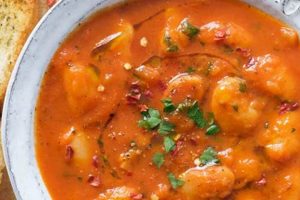
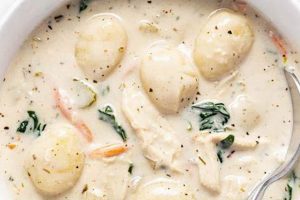
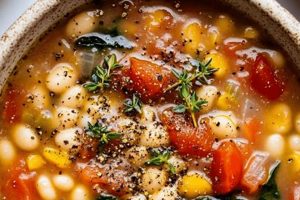
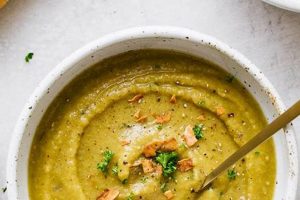
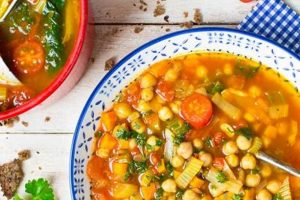
This culinary creation represents a plant-based adaptation of a traditionally meat-filled soup. It features a broth, often vegetable-based, incorporating small pasta shapes and typically incorporating plant-based alternatives to meatballs. Its name, though suggestive of nuptial celebrations, originates from the Italian phrase “minestra maritata,” alluding to the “marriage” of flavors between the greens and the broth.
Opting for a plant-based version allows individuals to enjoy the comforting flavors of a classic soup while adhering to dietary restrictions or preferences. The absence of animal products makes it suitable for vegans and vegetarians. Furthermore, it can be a healthier option, potentially lower in saturated fat and cholesterol compared to its traditional counterpart. The historical context of Italian soups often reflects regional variations and resourcefulness, emphasizing seasonal ingredients and flavorful broths.
Subsequent sections will delve into specific ingredient substitutions, detailed cooking instructions, and considerations for optimizing the nutritional profile of this meat-free reimagining. Exploring variations and potential modifications to suit individual tastes and dietary needs will also be covered.
Expert Guidance for Vegan Italian Wedding Soup
The following guidelines offer valuable insights for successfully preparing a flavorful and satisfying vegan adaptation of a classic soup.
Tip 1: Broth Selection is Paramount: Utilize a high-quality vegetable broth as the foundation. Consider homemade broth for enhanced flavor and control over sodium content. A rich broth significantly elevates the overall taste profile.
Tip 2: Greens Should Be Carefully Chosen: Traditional recipes often call for escarole or spinach. Tuscan kale offers a robust alternative, while baby spinach provides a milder flavor. Ensure thorough cleaning and chopping of the selected greens.
Tip 3: Pasta Type Impacts Texture: Acini di pepe, or other small pasta shapes, are commonly used. Consider gluten-free alternatives for those with dietary restrictions. Overcooking the pasta will result in a mushy texture, so monitor cooking time carefully.
Tip 4: Plant-Based Meatballs Require Binder Adjustment: Employ a suitable binder such as breadcrumbs, ground flaxseed, or cooked quinoa to maintain the shape of plant-based meatballs. Adjust binder quantity to achieve the desired consistency and prevent crumbling during cooking.
Tip 5: Seasoning Must Be Precisely Calibrated: Italian herbs such as oregano, basil, and parsley are essential. Incorporate garlic and onion powder for added depth. Taste and adjust seasoning throughout the cooking process to ensure a balanced flavor profile.
Tip 6: Simmering Enhances Flavor Development: Allow the soup to simmer for an extended period to allow the flavors to meld. A longer simmering time results in a more complex and satisfying taste.
Tip 7: Texture Can Be Modified: For a creamier texture, consider blending a portion of the soup before serving. This modification is entirely optional and depends on personal preference.
Adhering to these suggestions will contribute significantly to the creation of a delectable and authentic-tasting plant-based soup.
The subsequent sections will examine specific ingredient options and variations, enabling customization based on individual dietary needs and preferences.
1. Vegetable Broth Quality

Vegetable broth constitutes the foundational flavor element in a plant-based adaptation of a traditionally meat-based soup. Its quality directly impacts the final sensory experience, influencing the overall depth, richness, and balance of the culinary creation.
- Flavor Profile Foundation
The broth provides the primary flavor canvas upon which all other ingredients build. A weak or bland broth yields a correspondingly uninspired soup. Conversely, a robust and well-developed broth infuses the entire dish with complexity and savoriness. For instance, a broth simmered with roasted vegetables contributes a depth unattainable through simple bouillon cubes.
- Ingredient Sourcing Impact
The quality of vegetables used to create the broth is paramount. Fresh, high-quality ingredients translate to a more nuanced and vibrant flavor. Utilizing organic or locally sourced produce can further enhance the taste profile and contribute to the overall healthfulness of the soup. Conversely, using old or wilted vegetables will result in a dull and potentially bitter broth.
- Sodium Content Considerations
Pre-made vegetable broths often contain high levels of sodium, which can detract from the overall enjoyment and potentially impact health. Opting for low-sodium or homemade versions allows for greater control over the sodium content, enabling a more balanced and healthful final product. Homemade broths also allow for customization of seasoning to individual preferences.
- Impact on Meatball Perception
A flavorful vegetable broth helps to compensate for the absence of meat in the plant-based meatball component. The broth’s depth of flavor can enhance the savory perception of the meatballs, creating a more satisfying and complete eating experience. A weak broth will leave the meatballs tasting bland and disconnected from the overall soup.
In summary, vegetable broth quality is not merely an incidental consideration but a central determinant of the success of any plant-based version. Its impact extends from the initial flavor impression to the overall balance and perceived heartiness of the finished product. Attention to sourcing, sodium content, and flavor development are crucial for achieving a truly exceptional plant-based Italian Wedding Soup.
2. Plant-Based Meatball Texture

The textural properties of plant-based meatballs are a critical determinant of the overall success and palatability of a meatless Italian Wedding Soup. Achieving a desirable texture, one that complements the broth and pasta, requires careful ingredient selection and precise preparation techniques.
- Binder Composition and Influence
The binder employed within the meatball mixture significantly impacts its final texture. Common binders include breadcrumbs, cooked grains (such as quinoa or rice), ground flaxseed, and mashed beans. Excessive binder can lead to a dense and rubbery texture, while insufficient binder results in fragile meatballs prone to disintegration during cooking. The appropriate ratio is contingent on the primary protein source and desired mouthfeel.
- Protein Source and Firmness
The primary protein component, be it lentils, mushrooms, tofu, or a commercial plant-based meat substitute, dictates the inherent firmness of the meatball. Lentils tend to yield a softer texture, requiring a firmer binder. Commercial meat substitutes often contain binding agents already, necessitating less additional binding. The protein source also influences the flavor profile, impacting the overall harmony of the soup.
- Moisture Content Management
Maintaining optimal moisture levels is crucial for preventing dryness or excessive mushiness. Ingredients such as grated vegetables (zucchini or carrot) or a small amount of vegetable broth can introduce moisture. However, excessive moisture necessitates increased binder usage, potentially compromising texture. Careful balance is essential.
- Cooking Method and Structural Integrity
The cooking method influences the final texture and structural integrity of the meatballs. Sauting or baking prior to adding them to the soup can enhance their firmness and prevent them from falling apart during simmering. Direct addition to the broth may result in a softer, more delicate texture, requiring gentler handling and a shorter cooking time.
The interplay between binder composition, protein source, moisture content, and cooking method fundamentally shapes the textural characteristics of plant-based meatballs within the context of a meatless Italian Wedding Soup. Thoughtful consideration of these factors is paramount for creating a palatable and texturally pleasing dish that authentically replicates the experience of the traditional version.
3. Green Selection Impact

The choice of greens significantly influences the flavor, texture, and nutritional profile of a plant-based adaptation of the traditional soup. Specific greens contribute unique characteristics that alter the overall culinary experience. For example, using escarole provides a slightly bitter note and a more robust texture compared to the milder, more delicate flavor of spinach. Kale introduces an earthier taste and a chewier consistency, affecting the soup’s overall mouthfeel and perceived heartiness. The selection is not merely aesthetic; it fundamentally alters the dish’s character.
The nutritional content also varies substantially depending on the chosen green. Kale, for instance, is a rich source of vitamins A and C, while spinach offers a high concentration of iron and folate. Substituting one green for another can therefore influence the soup’s vitamin and mineral composition, impacting its nutritional value. Additionally, some greens require longer cooking times than others to achieve the desired tenderness. Overcooking can diminish their nutritional value and degrade their texture, highlighting the importance of adjusting cooking times based on the specific green selected. Using a combination of greens can create a more complex flavor profile and a wider range of nutrients.
Therefore, the selection of greens is a crucial decision point in crafting this recipe. The impact extends beyond mere flavor; it shapes the soup’s nutritional value and textural characteristics. Understanding these nuances allows cooks to tailor the recipe to specific dietary needs or flavor preferences, ultimately resulting in a more personalized and satisfying plant-based culinary creation.
4. Pasta Type Choice

Pasta selection significantly influences the texture and overall character of a meat-free version, playing a role beyond mere filler. The size, shape, and cooking properties of different pasta varieties interact with the broth and other ingredients, dictating the final eating experience.
- Acini di Pepe Traditional Use
Acini di pepe, meaning “peppercorns,” are small, round pasta commonly employed in the classic version. Their diminutive size contributes to a delicate texture and allows for even distribution throughout the soup. Substituting with a larger pasta shape alters this balance, potentially creating an imbalance between broth and solids. For instance, using ditalini, while similar in overall volume, introduces a chewier texture and a different visual aesthetic.
- Gluten-Free Alternatives and Impact
For individuals with dietary restrictions, gluten-free pasta options offer a suitable substitution. However, the cooking properties of gluten-free pasta often differ from traditional wheat-based varieties. Overcooking gluten-free pasta can result in a mushy texture, detracting from the overall palatability. Careful monitoring of cooking time is essential. Rice-based pasta, for example, tends to become softer more quickly than corn-based varieties.
- Shape and Broth Interaction
The shape of the pasta influences how it interacts with the broth. Tubular pasta, such as orzo, can trap broth within their structure, providing a burst of flavor with each bite. Conversely, flat pasta shapes, such as stelline (small stars), offer a smoother texture and less broth retention. Selecting a pasta shape that complements the desired broth-to-pasta ratio is crucial.
- Nutritional Considerations
Different pasta types offer varying nutritional profiles. Whole-wheat pasta provides a higher fiber content compared to refined white pasta. Incorporating whole-wheat or other nutrient-dense pasta varieties can enhance the nutritional value of the soup. However, these options may require longer cooking times to achieve the desired tenderness, and their flavor may differ from that of traditional refined pasta.
Therefore, the pasta choice extends beyond mere preference; it dictates the textural experience, accommodates dietary needs, and influences the nutritional value of this culinary creation. Careful consideration of these factors allows for a customized approach to creating a balanced and satisfying rendition.
5. Herb and Spice Balance

The successful execution of a plant-based adaptation depends significantly on achieving a nuanced balance of herbs and spices. The absence of traditional meat-based flavors necessitates a heightened focus on botanical aromatics to create a savory and satisfying experience. The judicious use of specific herbs and spices can emulate the depth and complexity typically associated with meat-derived ingredients, creating a palatable and authentic-tasting meat-free soup. For example, incorporating dried oregano and basil provides a foundation of familiar Italian flavors, while a touch of red pepper flakes introduces a subtle warmth that complements the other components. Imprecise application of these elements can result in a bland or overpowering taste profile, ultimately detracting from the intended culinary outcome. Without an accurate herb and spice composition, the essence of the traditional dish is lost.
The timing of herb and spice addition also significantly influences the final flavor profile. Adding dried herbs early in the cooking process allows their flavors to fully infuse the broth, creating a more cohesive and integrated taste. Conversely, fresh herbs are best added towards the end of cooking to preserve their volatile aromatic compounds and brighter flavor notes. Ground spices release their flavors more quickly than whole spices, requiring careful monitoring to prevent over-extraction and potential bitterness. For instance, incorporating a bay leaf during the simmering process enhances the broth’s complexity, while adding fresh parsley just before serving provides a refreshing herbal counterpoint. The careful orchestration of these elements is crucial for achieving a harmonious and well-rounded flavor profile, especially when utilizing plant-based alternatives.
In summary, the artful manipulation of herbs and spices constitutes a critical aspect of creating a successful plant-based rendition. Attention to both the specific botanical ingredients and the timing of their addition is paramount for replicating the savory depth and aromatic complexity of the traditional recipe. Careful calibration of these elements allows for a nuanced and satisfying culinary experience, ensuring a faithful and flavorful adaptation of the classic dish. Balancing between traditional elements and the plant-based adjustments, that will improve the outcome, like the fresh herbs added end of cooking.
6. Binder Composition

Binder composition is a critical element in formulating plant-based meatballs for a meat-free adaptation. Its role is to provide structural integrity, preventing disintegration during cooking and contributing to a desirable texture reminiscent of traditional meatballs within the soup.
- Starch-Based Binders and Texture Modification
Breadcrumbs, derived from dried bread, are commonly employed as starch-based binders. Their presence absorbs excess moisture and provides a degree of rigidity to the meatball mixture. However, excessive breadcrumb usage can result in a dense, dry texture. Modified food starches offer an alternative, providing binding properties while minimizing potential dryness. These elements must be precisely measured to achieve optimal results in this recipe.
- Grain-Based Binders and Nutritional Enhancement
Cooked grains, such as quinoa or brown rice, function as binders while simultaneously increasing the nutritional value. These components contribute fiber and complex carbohydrates, enhancing the health profile. Incorporating cooked grains also modifies the texture, imparting a slightly chewier consistency compared to solely starch-based binders. The quantity needs to be regulated as too much grain can cause the meatballs to become mushy.
- Legume-Based Binders and Flavor Profile Impact
Mashed legumes, such as lentils or black beans, serve as both a protein source and a binding agent. Their inherent stickiness assists in holding the meatball mixture together. However, legume-based binders introduce a distinct flavor profile, potentially altering the overall taste. The selected legume should complement the other ingredients in the soup to maintain a harmonious flavor balance. A test batch is recommended to ensure flavor compatibility.
- Fat-Based Binders and Moisture Retention
Ground flaxseed or chia seeds, when combined with water, create a gelatinous substance that functions as a binder and helps retain moisture. This approach prevents the meatballs from becoming overly dry during cooking. The use of these components also contributes omega-3 fatty acids, enhancing the nutritional value of the dish. A small amount of plant-based butter or oil can also be used as a fat-based binder and to help improve texture and browning.
In conclusion, the selection and proportion of binder components are fundamental to the success of plant-based meatballs. The binder not only provides structural integrity but also influences the texture, flavor, and nutritional profile of the finished dish. Careful consideration of these factors allows for a tailored approach to creating a satisfying and authentic meat-free culinary experience.
7. Simmer Time Influence
Simmer time exerts a profound influence on the final characteristics of this particular soup. The duration of simmering directly affects flavor development, ingredient texture, and overall cohesiveness of the dish. Optimal simmer time is critical for achieving a balanced and flavorful final product, especially when adapting a traditionally meat-based soup to a plant-based format.
- Flavor Extraction and Broth Complexity
Extended simmering allows for the thorough extraction of flavors from vegetables, herbs, and spices into the broth. A longer simmer time facilitates the melding of individual flavors, creating a more complex and nuanced taste profile. Insufficient simmering results in a thin and underdeveloped broth, lacking depth and savoriness. For example, allowing the vegetable broth to simmer with aromatic vegetables like onions, carrots, and celery for at least one hour enhances its richness.
- Textural Changes in Plant-Based Meatballs
The texture of plant-based meatballs is directly influenced by simmer time. Prolonged simmering can lead to excessive softening, causing the meatballs to become mushy or disintegrate. Conversely, insufficient simmering may result in a firm or rubbery texture. The ideal simmer time depends on the binding agents used in the meatballs, as well as the primary protein source. Monitoring the meatballs’ texture throughout the simmering process is essential for achieving the desired consistency.
- Pasta Consistency and Starch Release
Simmer time directly impacts the consistency of the pasta. Over-simmering causes excessive starch release, leading to a thickened and potentially gummy broth. Under-simmering results in pasta that is too firm and lacks the desired tenderness. The optimal simmer time depends on the type of pasta used and should be carefully monitored to prevent textural degradation. Gluten-free pasta varieties often require shorter simmering times compared to traditional wheat-based pasta.
- Integration of Greens and Flavor Harmony
The duration of simmering influences the texture and flavor contribution of the greens. Longer simmering times result in softer greens with a more subdued flavor, while shorter simmering times retain a firmer texture and a more pronounced vegetal taste. The choice depends on personal preference and the type of greens used. Spinach, for example, requires only brief simmering, while kale benefits from a longer cooking time to tenderize its leaves. Proper integration of greens through controlled simmering contributes to the overall flavor harmony of the soup.
Therefore, simmer time acts as a critical control factor, influencing flavor extraction, ingredient texture, and overall integration of components. Careful adjustment of simmer time, tailored to the specific ingredients and desired outcome, is essential for creating a balanced and flavorful meat-free rendition.
Frequently Asked Questions
The following addresses common inquiries regarding the preparation and adaptation of a traditional recipe into a plant-based format.
Question 1: Can commercial plant-based meat substitutes be used in place of homemade plant-based meatballs?
Yes, commercial meat substitutes are a viable option. However, ensure the product is indeed vegan, as some contain egg or dairy derivatives. Adjust seasoning accordingly, as commercial products often contain pre-added salt and spices.
Question 2: What are suitable gluten-free pasta alternatives for this soup?
Several gluten-free pasta varieties are appropriate, including those made from rice, corn, or a blend of gluten-free flours. Be mindful of cooking times, as gluten-free pasta tends to cook more quickly and can become mushy if overcooked.
Question 3: How can the broth be made richer and more flavorful without using meat products?
Employing a high-quality vegetable broth, preferably homemade, is paramount. Roasting the vegetables before simmering the broth enhances depth of flavor. Adding umami-rich ingredients, such as dried mushrooms or sun-dried tomatoes, can further amplify the savory notes.
Question 4: What is the best way to prevent plant-based meatballs from falling apart during cooking?
Using an appropriate binding agent, such as breadcrumbs, ground flaxseed, or cooked grains, is crucial. Ensure the mixture is not overly moist. Gently sauting or baking the meatballs before adding them to the soup can also improve their structural integrity.
Question 5: Can this soup be frozen for later consumption?
The soup freezes well, although the texture of the pasta may soften upon thawing. To minimize this, cook the pasta al dente and consider adding it to the soup after thawing, prior to reheating. Store in an airtight container to prevent freezer burn.
Question 6: What are some alternative greens that can be used if escarole or spinach is unavailable?
Tuscan kale, also known as cavolo nero, or Swiss chard are suitable alternatives. Adjust cooking times as needed, as kale requires longer simmering than spinach to achieve desired tenderness.
Careful attention to ingredient selection, preparation techniques, and adjustments for plant-based alternatives is essential for creating a satisfying and authentic meat-free version. Adhering to these guidelines will increase the likelihood of a successful culinary outcome.
The following section will summarize the key points.
Conclusion
The exploration of a plant-based version underscores the necessity for precise ingredient substitution and technique adaptation to emulate the traditional dish. Crucial elements encompass broth quality, careful consideration of plant-based meatball texture, strategic selection of greens, appropriate pasta choice, balanced herb and spice utilization, effective binder composition, and controlled simmer time influence. These components collectively determine the final flavor, texture, and overall success of the recipe.
Further refinement and experimentation with plant-based alternatives may yield increasingly authentic and palatable renditions, catering to evolving dietary preferences and ethical considerations. Continued innovation in plant-based cuisine promises a future where traditional dishes are readily adapted without sacrificing flavor or culinary integrity. The recipe thus stands as a testament to the adaptability of culinary traditions and the potential for plant-based innovation.