![Best Vegan Italian Dressing Recipe [Easy + Healthy!]](data:image/svg+xml;base64,PHN2ZyB4bWxucz0iaHR0cDovL3d3dy53My5vcmcvMjAwMC9zdmciIHdpZHRoPSI0NzQiIGhlaWdodD0iMTI0IiB2aWV3Qm94PSIwIDAgNDc0IDEyNCI+PHJlY3Qgd2lkdGg9IjEwMCUiIGhlaWdodD0iMTAwJSIgc3R5bGU9ImZpbGw6I2NmZDRkYjtmaWxsLW9wYWNpdHk6IDAuMTsiLz48L3N2Zz4= "Best Vegan Italian Dressing Recipe [Easy + Healthy!] Discover Delicious Vegan Food, Beauty Swaps, and Zero-Waste Tips for a Greener Life")
A vinaigrette-style condiment, free from animal-derived ingredients, offers a tangy and herbaceous flavor profile suitable for salads, marinades, and dips. Its composition typically includes olive oil, vinegar (such as red wine or white wine vinegar), lemon juice, and a blend of Italian herbs like oregano, basil, and parsley. Certain formulations may also incorporate garlic, onion, or sweeteners such as maple syrup or agave nectar.
This particular product category caters to individuals adhering to plant-based diets and offers a healthful alternative to conventional dressings that may contain dairy, eggs, or honey. Historically, variations of oil and vinegar dressings have existed for centuries, but the modern, commercially available Italian dressing has evolved significantly, with plant-based versions gaining traction due to increasing awareness of dietary choices and ethical considerations. Its versatility allows for broad application in culinary practices.
The subsequent sections will delve into the nutritional attributes of this type of dressing, provide recipes for homemade preparations, explore suitable applications in various dishes, and compare readily available commercial brands based on ingredient composition and taste profiles. Furthermore, potential health considerations and allergen information will be addressed to provide a complete understanding.
Practical Suggestions for Utilizing a Plant-Based Italian Vinaigrette
The following recommendations outline optimal practices for integrating this specific type of dressing into culinary applications, maximizing flavor and ensuring compatibility with dietary requirements.
Tip 1: Marinate Vegetables for Enhanced Flavor: Submerging vegetables, such as bell peppers, zucchini, and eggplant, in a plant-based Italian vinaigrette for a minimum of 30 minutes prior to grilling or roasting allows for deeper flavor penetration and improved texture.
Tip 2: Enhance Salad Textures: To prevent wilting, add the dressing to robust greens like kale or romaine shortly before serving. For delicate lettuces, such as butter lettuce or spring mix, dress immediately before consumption.
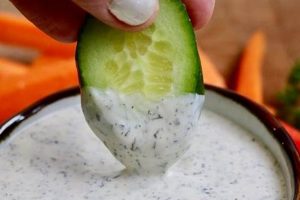
Tip 3: Utilize as a Base for Dips: Combine the dressing with plant-based yogurt or sour cream to create a flavorful dip for raw vegetables or chips. Adjust the ratio to achieve the desired consistency.
Tip 4: Control Sodium Content: When selecting commercially prepared dressings, scrutinize the sodium content. Opt for low-sodium varieties or consider preparing homemade versions to manage salt intake effectively.
Tip 5: Consider Allergen Information: Review ingredient lists carefully, particularly when dealing with dietary restrictions or allergies. Be aware of potential allergens such as soy, nuts, or gluten, depending on the specific formulation.
Tip 6: Experiment with Flavor Infusions: Enhance the existing flavor profile by incorporating additions such as fresh herbs (e.g., rosemary, thyme), citrus zest, or a small amount of Dijon mustard. Adjust the quantities to personal preference.
Tip 7: Store Properly to Maintain Freshness: Homemade dressings should be stored in an airtight container in the refrigerator for up to one week. Commercially prepared dressings should be stored according to the manufacturer’s instructions.
Adherence to these suggestions will ensure optimal flavor delivery and effective utilization of a plant-based Italian vinaigrette in various culinary applications, while also addressing potential health and dietary considerations.
The subsequent sections will focus on providing detailed recipes and nutritional analysis, furthering the comprehensive understanding of this versatile culinary component.
1. Oil Quality

The type and quality of oil employed in a plant-based Italian vinaigrette significantly influence the dressing’s overall flavor profile, texture, and nutritional value. Selection of appropriate oil is a critical determinant of the final product’s characteristics.
- Type of Oil and Flavor Profile
Extra virgin olive oil, characterized by its fruity notes and peppery finish, contributes a distinctive and desirable taste to the dressing. Refined olive oil, with a milder flavor, offers a more neutral base, allowing the other ingredients, such as herbs and vinegar, to become more prominent. Other oils, such as avocado or grapeseed oil, can be used to achieve different flavor nuances.
- Impact on Texture and Emulsification
The oil’s viscosity affects the dressing’s texture and its ability to emulsify. Oils with higher viscosity, like extra virgin olive oil, tend to create a richer, more stable emulsion compared to lighter oils. Proper emulsification is essential to prevent separation of the oil and vinegar components.
- Nutritional Considerations
The chosen oil contributes significantly to the dressing’s nutritional profile. Extra virgin olive oil, rich in monounsaturated fats and antioxidants, offers potential health benefits. Other oils may have different fatty acid compositions and vitamin content, impacting the overall nutritional value.
- Oil Source and Production Methods
The origin and production methods of the oil influence its quality and sustainability. Oils sourced from reputable producers who adhere to sustainable farming practices can ensure a higher quality product with minimal environmental impact. Understanding the oil’s provenance contributes to informed consumer choices.
Therefore, the selection of oil in a plant-based Italian vinaigrette is a pivotal decision that affects flavor, texture, nutrition, and sustainability. Consideration of these factors allows for the creation of a dressing that meets specific culinary and dietary requirements, enhancing its overall appeal and utility.
2. Vinegar Acidity

Vinegar acidity is a critical factor determining the overall flavor profile and preservation characteristics of a plant-based Italian vinaigrette. The acid content, typically expressed as a percentage of acetic acid, influences the dressings tartness and ability to balance the richness of the oil component. For instance, red wine vinegar, with an acidity range of 5-6%, imparts a robust and complex flavor, suitable for heartier salads and marinades. In contrast, white wine vinegar, often possessing a slightly lower acidity level, offers a milder, cleaner taste, better suited for delicate greens and subtle flavor pairings. Improperly balanced acidity can result in a dressing that is either excessively sharp or lacking in necessary tang.
The type of vinegar selected also affects the dressing’s shelf life. The acidic environment inhibits the growth of certain microorganisms, thus acting as a natural preservative. However, excessively high acidity may denature certain plant-based ingredients, potentially impacting texture and overall palatability. Practical application involves careful measurement of vinegar to oil ratios, often adjusted based on the specific vinegar type and desired taste. Chefs and home cooks alike must consider the inherent acidity to create a harmonious and balanced vinaigrette.
In summary, vinegar acidity constitutes a fundamental element in the creation of a palatable and preservable plant-based Italian vinaigrette. Its precise control is essential for achieving the desired flavor profile, preventing spoilage, and ensuring compatibility with other ingredients. Challenges arise in consistently sourcing vinegars with verifiable and stable acidity levels, necessitating careful selection and attention to detail during the dressing preparation process. This understanding links directly to the broader theme of ingredient quality and its impact on the final product.
3. Herb Blend
The characteristic flavor profile of a plant-based Italian vinaigrette is largely determined by its herb blend. The specific combination and proportions of dried or fresh herbs directly influence the overall taste, aroma, and perceived authenticity of the dressing. Common components of this blend include oregano, basil, parsley, thyme, and marjoram, each contributing distinct notes that collectively define the “Italian” flavor. For example, oregano provides a slightly pungent and earthy undertone, while basil imparts a sweet and aromatic quality. Parsley offers a fresh, grassy note, and thyme contributes subtle, savory complexity. The absence or alteration of these herbs significantly alters the flavor, potentially resulting in a dressing that does not align with consumer expectations for an Italian-style vinaigrette. A commercially produced plant-based Italian vinaigrette that omits oregano, for instance, may be perceived as lacking the signature flavor associated with this type of dressing.
The preparation method also plays a crucial role. Fresh herbs, when available, offer a more vibrant and nuanced flavor compared to dried herbs. However, dried herbs offer convenience and longer shelf life, making them a practical choice for commercial production. The method of incorporation, whether herbs are infused in oil or directly added to the vinaigrette, also affects the intensity and distribution of flavor. Prolonged infusion in oil allows for a deeper extraction of flavors, while direct addition provides a fresher, more immediate impact. Consider a scenario where fresh basil is muddled into the vinegar before emulsification; this releases volatile oils, enhancing the basil aroma and contributing to a more complex flavor profile. In contrast, simply sprinkling dried basil into the finished dressing offers a less pronounced effect.
In conclusion, the herb blend is an indispensable component of plant-based Italian vinaigrette, critically shaping its flavor and authenticity. Careful selection, preparation, and incorporation of herbs are essential for achieving a balanced and appealing flavor profile. Challenges arise in maintaining consistency across batches and ensuring the quality and freshness of herbs, particularly in large-scale production. This underscores the importance of sourcing high-quality ingredients and employing precise preparation techniques to deliver a consistent and desirable product.
4. Emulsification Stability

Emulsification stability is a critical attribute of plant-based Italian vinaigrette, influencing its texture, appearance, and overall consumer appeal. The ability of oil and vinegar to remain uniformly dispersed, rather than separating into distinct layers, directly affects the perceived quality and usability of the dressing.
- Role of Emulsifiers
Emulsifiers, such as mustard, lecithin (often derived from soy or sunflower), or plant-based gums (e.g., xanthan gum, guar gum), are frequently incorporated to enhance emulsification stability. These ingredients reduce surface tension between the oil and vinegar phases, promoting their dispersion and preventing rapid separation. The selection and concentration of emulsifiers must be carefully controlled to avoid negatively impacting flavor or texture.
- Influence of Viscosity Modifiers
Ingredients that increase the viscosity of the aqueous phase, such as cornstarch or modified food starch, can contribute to emulsion stability. By increasing the density of the vinegar component, these modifiers slow down the rate at which the oil separates. However, excessive use of viscosity modifiers can result in a dressing with an undesirable, gelatinous texture.
- Impact of Processing Techniques
High-shear mixing or homogenization can create smaller oil droplets, thereby increasing the surface area and improving emulsion stability. These techniques involve forcing the oil and vinegar mixture through a narrow space at high speed, resulting in a more uniform dispersion. However, such processing may also affect the flavor and nutritional properties of certain ingredients.
- Effect of Storage Conditions
Temperature fluctuations and prolonged storage can negatively impact emulsion stability. Repeated cycles of heating and cooling can cause the oil and vinegar to separate, requiring re-emulsification before use. Storage in a cool, dark environment helps to maintain emulsion integrity over time. Additionally, the type of packaging material can influence stability; for instance, airtight containers minimize oxidation and maintain product quality.
In conclusion, achieving and maintaining emulsification stability in plant-based Italian vinaigrette necessitates careful consideration of emulsifiers, viscosity modifiers, processing techniques, and storage conditions. Each factor plays a crucial role in ensuring a visually appealing, texturally consistent, and palatable product that meets consumer expectations for quality and convenience.
5. Sweetener Type
The selection of sweetener significantly influences the flavor profile and nutritional characteristics of plant-based Italian vinaigrette. While traditional recipes may omit sweeteners, many commercially produced or modified versions incorporate them to balance the acidity of the vinegar and enhance palatability. The type of sweetener directly impacts the overall taste, texture, and dietary suitability of the dressing. Refined sugars, such as granulated cane sugar or beet sugar, contribute a clean, straightforward sweetness but offer minimal nutritional value. Natural sweeteners, including maple syrup, agave nectar, or date syrup, provide a more complex flavor profile and may contain trace minerals or antioxidants. The choice between refined and natural sweeteners often depends on the desired taste and nutritional goals.
For instance, maple syrup imparts a distinctive caramel-like note, complementing the herbaceous flavors of the herbs and the sharpness of the vinegar. Agave nectar, with its neutral flavor and high fructose content, delivers a potent sweetness without significantly altering the existing flavors. Date syrup, derived from dates, adds a rich, molasses-like flavor and a slightly thicker consistency. The practical application involves careful adjustment of the sweetener quantity to achieve the desired balance between sweetness and acidity. Excessive sweetener can mask the other flavors, while insufficient sweetener may result in an overly tart dressing. In the context of vegan formulations, honey is excluded, necessitating the use of plant-based alternatives. Some recipes may employ fruit purees, such as apple or pear, to introduce sweetness and enhance the viscosity of the dressing. These considerations are important to develop best practices for the food recipes.
In summary, the type of sweetener used in plant-based Italian vinaigrette is a critical determinant of its flavor, texture, and nutritional properties. The selection should be guided by the desired taste profile, dietary considerations, and the interplay with other ingredients. Challenges arise in maintaining consistency and avoiding excessive sweetness, particularly in commercially produced dressings. Understanding the nuances of different sweeteners allows for the creation of a balanced and appealing plant-based vinaigrette that caters to diverse consumer preferences and dietary requirements.
6. Sodium Level
Sodium content represents a salient consideration within the formulation and consumption of plant-based Italian vinaigrette. Excessive sodium intake poses potential health risks, necessitating careful management of sodium levels in this culinary product. The following details elucidate several key aspects of this relationship.
- Role of Sodium Chloride (Salt)
Sodium chloride, or common salt, functions as a primary flavor enhancer in plant-based Italian vinaigrette. It accentuates the herbaceous notes of the herbs, balances the acidity of the vinegar, and contributes to the overall palatability of the dressing. However, excessive use of sodium chloride can lead to a product with an unacceptably salty taste and contribute to elevated sodium intake for consumers.
- Sodium from Other Ingredients
While sodium chloride is the most direct source of sodium, other ingredients in the vinaigrette can also contribute to the overall sodium content. Soy sauce (if used as a flavor enhancer), processed vinegars, and certain vegetable broths may contain inherent sodium. Understanding the sodium contribution from each component is crucial for precise control over the final sodium level.
- Health Implications of Excessive Sodium Intake
High sodium intake is associated with increased risk of hypertension, cardiovascular disease, and stroke. Individuals with pre-existing health conditions or those following sodium-restricted diets must carefully monitor their sodium consumption. Plant-based Italian vinaigrette, particularly commercially prepared varieties, can be a significant source of dietary sodium if not formulated judiciously.
- Strategies for Sodium Reduction
Several strategies can be employed to reduce sodium levels in plant-based Italian vinaigrette without compromising flavor. These include using low-sodium salt alternatives (e.g., potassium chloride), increasing the proportion of herbs and spices to enhance flavor, and employing techniques such as flavor layering to create a more complex and satisfying taste profile. Additionally, formulating concentrated dressings that can be diluted before use allows consumers to control the final sodium content.
The sodium level in plant-based Italian vinaigrette is a critical factor influencing both its flavor and its impact on consumer health. A comprehensive understanding of sodium sources, health implications, and reduction strategies is essential for producing a palatable and health-conscious culinary product. Continuous monitoring of sodium content and adherence to best practices in formulation are necessary to mitigate potential risks associated with excessive sodium consumption.
7. Shelf Life

The shelf life of plant-based Italian vinaigrette is a critical factor determining its marketability, consumer satisfaction, and overall economic viability. This duration is primarily influenced by the inherent stability of its constituent ingredients and the effectiveness of preservation techniques. The absence of animal-derived components does not inherently guarantee extended shelf life; rather, it shifts the focus to microbial activity, oxidation, and enzymatic degradation of plant-based oils and flavorings. For instance, the rancidity of polyunsaturated oils within the dressing directly limits its acceptable consumption period. Furthermore, the presence of water activity, originating from vinegar and other aqueous ingredients, supports microbial growth, leading to spoilage. Insufficient preservation can cause off-flavors, discoloration, and the proliferation of undesirable microorganisms, rendering the product unsafe and unappealing.
Practical implications of shelf life are significant across various stages of production and distribution. Manufacturers must employ appropriate preservation methods, such as pasteurization, acidification, and the addition of preservatives like potassium sorbate or sodium benzoate, to extend the product’s usability. Packaging also plays a vital role. Oxygen-impermeable containers mitigate oxidation, while proper sealing prevents microbial contamination. Retailers must adhere to strict storage guidelines, including temperature control and rotation of stock, to ensure that consumers receive products within their optimal consumption window. Consumers, in turn, should heed expiration dates and storage instructions to minimize the risk of consuming spoiled dressing. A real-world example involves variations in shelf life between homemade and commercially produced dressings. Homemade versions, lacking preservatives and stringent processing, typically have a significantly shorter shelf life compared to their commercially produced counterparts, emphasizing the impact of preservation techniques.
In conclusion, the shelf life of plant-based Italian vinaigrette is a complex interplay of ingredient stability, preservation methods, and storage conditions. Maximizing shelf life requires a holistic approach, encompassing careful ingredient selection, effective preservation techniques, appropriate packaging, and diligent adherence to storage guidelines. Challenges remain in developing preservation strategies that maintain product quality without compromising the desired clean-label attributes. This understanding is crucial for manufacturers, retailers, and consumers alike, ensuring the availability of safe, palatable, and economically viable plant-based Italian vinaigrette.
Frequently Asked Questions
The following addresses common inquiries and concerns regarding plant-based Italian vinaigrette, offering clarity on its composition, usage, and related considerations.
Question 1: What distinguishes plant-based Italian vinaigrette from traditional Italian dressing?
Plant-based Italian vinaigrette omits animal-derived ingredients, such as dairy, eggs, or honey, commonly found in some traditional formulations. The primary distinction lies in the substitution of plant-based alternatives to achieve a similar flavor profile.
Question 2: What are the primary ingredients in plant-based Italian vinaigrette?
The core ingredients typically include olive oil, vinegar (e.g., red wine vinegar, white wine vinegar), lemon juice, and a blend of Italian herbs such as oregano, basil, and parsley. Garlic, onion, and sweeteners may also be incorporated.
Question 3: Does plant-based Italian vinaigrette offer any nutritional benefits?
The nutritional profile is dependent on the specific ingredients. Olive oil contributes monounsaturated fats and antioxidants. Herbs provide vitamins and minerals. However, it is essential to consider the sodium content, which can vary significantly between brands and recipes.
Question 4: How should plant-based Italian vinaigrette be stored to maintain its quality?
Homemade dressings should be stored in an airtight container in the refrigerator for up to one week. Commercially prepared dressings should be stored according to the manufacturer’s instructions, typically in a cool, dark place.
Question 5: Can plant-based Italian vinaigrette be used for purposes other than salad dressing?
Yes, this type of dressing can serve as a marinade for vegetables and plant-based proteins, as a dipping sauce, or as a component in more complex sauces and dressings. Its versatility extends beyond simple salad applications.
Question 6: Are there potential allergens to be aware of in plant-based Italian vinaigrette?
Potential allergens may include soy (often present in lecithin, used as an emulsifier), nuts (if nut oils are used), or gluten (if certain thickeners are employed). Ingredient lists should be scrutinized carefully, particularly for individuals with known allergies or sensitivities.
In summary, plant-based Italian vinaigrette presents a viable alternative to traditional dressings for individuals adhering to plant-based diets or seeking to reduce their consumption of animal-derived ingredients. Understanding its composition, usage, and potential allergen concerns is crucial for informed consumption.
The following section will provide recipes.
Vegan Italian Dressing
This exploration has elucidated the multifaceted nature of plant-based Italian vinaigrette, encompassing its compositional elements, nutritional attributes, and culinary applications. The analysis has underscored the importance of ingredient selection, preservation techniques, and sodium management in formulating a palatable and health-conscious product. The impact of oil quality, vinegar acidity, herb blends, emulsification stability, sweetener type, sodium levels, and shelf life on the final product’s characteristics has been rigorously examined. Furthermore, common inquiries have been addressed to provide clarity on its usage and potential allergen concerns.
The increasing demand for plant-based alternatives necessitates a continued focus on optimizing the formulation and production of plant-based Italian vinaigrette. Further research and development are warranted to enhance its nutritional profile, extend its shelf life without compromising quality, and cater to evolving consumer preferences. A commitment to transparency and clear labeling practices will be crucial in fostering informed consumer choices and ensuring the continued success of this culinary option. The adherence to these standards will solidify its position in the market.