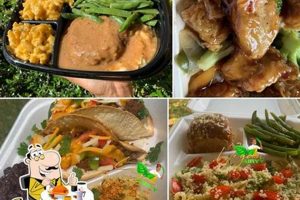
Plant-based adaptations of dishes originating from Iran offer a rich and flavorful culinary experience. This involves the exclusion of all animal products, such as meat, dairy, and eggs, while retaining the authentic spices, herbs, and core ingredients characteristic of the region’s cuisine. One might encounter modified versions of traditional stews, rice dishes, and appetizers featuring lentils, beans, vegetables, fruits, and nuts as the primary components.
This approach to dining aligns with ethical and environmental considerations while still preserving the essence of a historical and sophisticated food culture. The abundance of naturally vegan ingredients within the pre-existing Iranian pantry makes it a readily adaptable culinary tradition. Its accessibility allows those seeking plant-based options to enjoy a diverse and flavorful range of meals.
Further discussion will explore specific dishes, readily available ingredients, and techniques employed to create flavorful and authentic experiences. The versatility of plant-based ingredients allows for innovative interpretations of classic recipes, demonstrating the adaptability of this cuisine in meeting contemporary dietary preferences.
Tips for Preparing Plant-Based Iranian Cuisine
Successfully adapting Iranian recipes to a plant-based format requires careful consideration of ingredient substitutions and preservation of traditional flavors. The following tips offer guidance for achieving authentic results without the use of animal products.
Tip 1: Utilize Legumes as Protein Sources: Replace meat with lentils, beans, or chickpeas in stews (khoresh) and rice dishes (polo). These ingredients provide protein and fiber while absorbing flavors effectively. For example, substitute kidney beans for beef in Ghormeh Sabzi.
Tip 2: Employ Dried Fruits for Sweetness and Texture: Incorporate ingredients like dates, apricots, and raisins to enhance sweetness and add a chewy texture, often used in traditional dishes. This balances savory flavors and introduces complexity, as seen in Adas Polo (lentil rice).
Tip 3: Master the Art of Infusing Flavors with Herbs: Fresh herbs, such as parsley, cilantro, dill, and mint, are integral to Iranian cuisine. Use them generously to create depth and aroma. Finely chop and add them at the end of cooking to preserve their freshness, particularly in dishes like Kuku Sabzi (herb frittata).
Tip 4: Experiment with Nuts and Seeds for Richness: Walnuts, almonds, and pistachios can add richness and healthy fats to various dishes. Ground walnuts can thicken sauces, while toasted nuts can garnish rice dishes or salads. Consider using walnuts in Fesenjan (walnut and pomegranate stew).
Tip 5: Incorporate Tomato Paste for Umami: Tomato paste is often used to create a rich umami flavor base. Saut it with spices at the beginning of cooking to deepen the flavor profile of stews and sauces.
Tip 6: Explore Plant-Based Dairy Alternatives: Replace dairy with plant-based yogurt or sour cream. These alternatives can be used as toppings or in sauces to provide a similar tang and creaminess to traditional dishes. Coconut yogurt can be a viable substitute.
Tip 7: Embrace Saffron for Aroma and Color: Saffron is a prized ingredient in Iranian cuisine, imparting a distinct aroma and vibrant color. Infuse it in hot water to extract its flavor and color before adding it to rice or desserts.
These techniques represent foundational approaches to adapting traditional recipes while retaining the core characteristics of Iranian cuisine. Attention to detail and experimentation with ingredient combinations are key to achieving authentic and flavorful results.
Following these guidelines ensures a positive experience, paving the way to exploring specific recipes and further refining plant-based culinary skills.
1. Legume utilization

Legume utilization is a cornerstone of plant-based Iranian cuisine, providing a readily available and nutritionally dense alternative to meat. This substitution is not merely a modern adaptation, but rather a leveraging of pre-existing ingredients and techniques within the traditional Iranian culinary repertoire.
- Protein Source
Legumes, such as lentils, chickpeas, and various beans, offer a significant source of protein in the absence of meat. These ingredients are crucial for maintaining nutritional balance and providing satiety in dishes that would otherwise rely on animal products. Consider Adas Polo, where lentils replace meat, or Khoresh Gheimeh, which can be made with split peas instead of beef.
- Texture and Consistency
Different legumes offer distinct textures that can be manipulated to mimic or complement the mouthfeel of meat. For instance, pured lentils can thicken stews, while whole chickpeas can add a hearty bite to rice dishes. The skillful selection and preparation of legumes contributes significantly to the overall sensory experience, ensuring a satisfying alternative to meat-based dishes.
- Flavor Absorption
Legumes readily absorb the flavors of spices, herbs, and other ingredients, making them an ideal canvas for replicating the complex tastes of traditional Iranian dishes. Their ability to meld with the distinctive flavor profiles ensures that plant-based versions retain the essence of their meat-based counterparts. Ghormeh Sabzi, traditionally made with lamb, can be adapted using kidney beans that fully absorb the aromatic herbs and spices.
- Historical Precedent
While modern plant-based adaptations may be driven by ethical or health considerations, legumes have always played a significant role in Iranian cuisine, particularly in regions where meat was less accessible or affordable. This historical precedent provides a strong foundation for incorporating legumes into plant-based renditions, ensuring authenticity and culinary continuity.
The strategic incorporation of legumes as a protein source, texturizer, and flavor absorber allows for the creation of compelling plant-based options that authentically represent Iranian culinary traditions. This utilization leverages both the versatility of legumes and the inherent adaptability of traditional recipes.
2. Herbaceous character

The defining characteristic of much Iranian cuisine is its reliance on fresh herbs, a trait amplified when considering plant-based adaptations. The absence of meat necessitates an even greater emphasis on herbaceous flavors to provide depth, complexity, and aromatic appeal. Without the richness derived from animal fats and proteins, herbs become paramount in establishing the distinctive and desired taste profiles.
The inclusion of significant quantities of fresh herbs, such as parsley, cilantro, dill, mint, and chives, directly impacts the overall gustatory experience. Specific examples include dishes such as Kuku Sabzi, a dense herb frittata which is inherently plant-based and entirely dependent on fresh herbs for its flavor. In plant-based versions of stews like Ghormeh Sabzi, the careful balance of these herbs is crucial in compensating for the missing lamb or beef, ensuring the dish retains its signature savory profile. The correct proportion and preparation of herbs, often added fresh at the end of cooking, are essential for preserving their volatile oils and maximizing their aromatic impact. Conversely, insufficient or improperly handled herbs result in a bland or unbalanced final product.
Understanding the pivotal role of herbaceous character is paramount for successful plant-based Iranian cooking. The strategic deployment of herbs compensates for the absence of meat, adding layers of flavor that are both nuanced and satisfying. This knowledge empowers cooks to recreate authentic tastes and aromas, ensuring that the plant-based adaptations remain true to the essence of Iranian culinary traditions. The skillful incorporation of herbs distinguishes a successful plant-based Iranian dish from a merely acceptable substitute.
3. Rice preparation

Rice preparation occupies a central position in Iranian cuisine, regardless of dietary restrictions. Its proper execution is vital for achieving authentic flavor and texture, directly impacting the success of any plant-based rendition of traditional dishes.
- The Tahdig Imperative
Tahdig, the crispy rice crust formed at the bottom of the pot, is a highly prized element in Iranian rice dishes. Achieving a satisfactory tahdig without the use of animal fats requires careful attention to the type of rice used (basmati is preferred), the amount and type of oil (vegetable oils are crucial), and the cooking method. The absence of animal fats necessitates precise control over heat and cooking time to prevent burning while still achieving the desired level of crispness.
- Infusion of Flavors
Rice serves as a vehicle for infusing various flavors into the meal. Plant-based ingredients like saffron, turmeric, and dried herbs are often incorporated during the cooking process to impart distinct aromas and colors. The use of vegetable broth instead of chicken or beef broth ensures the rice remains plant-based while contributing a savory depth of flavor. Precise measurement and timing are necessary to evenly distribute the flavors throughout the rice.
- Variations and Adaptations
Numerous variations of Iranian rice dishes, such as Adas Polo (lentil rice) and Sabzi Polo (herb rice), are inherently plant-based or readily adaptable. The inclusion of legumes, vegetables, and herbs adds nutritional value and complexity of flavor, compensating for the absence of meat. These adaptations demonstrate the versatility of rice as a base for plant-based meals.
- The Steaming Process
The traditional Iranian method of steaming rice involves first parboiling it, then allowing it to steam in a pot, often with a cloth placed under the lid to absorb excess moisture. This method ensures that the rice grains remain separate and fluffy, rather than becoming sticky or mushy. Maintaining the correct moisture level is crucial for achieving the desired texture, requiring experience and attention to detail.
The techniques involved in Iranian rice preparation, particularly achieving a desirable tahdig, infusing flavors, and mastering the steaming process, are essential for creating satisfying and authentic plant-based meals. The inherent versatility of rice allows for creative adaptations that cater to plant-based diets while preserving the culinary traditions of Iran.
4. Stew adaptations

Iranian stews, known as “khoresh,” constitute a central pillar of the nation’s cuisine, and their adaptation to plant-based diets is both achievable and crucial for maintaining culinary authenticity in a “vegan iranian food” context. Modification involves replacing animal proteins with plant-based alternatives while preserving the complex flavor profiles characteristic of these dishes.
- Protein Substitution
The primary adaptation centers on replacing meat with plant-based protein sources. Lentils, beans, chickpeas, and even textured vegetable protein can be employed. For example, in “Ghormeh Sabzi,” kidney beans effectively substitute lamb or beef. The choice of protein impacts the stew’s texture and flavor profile, necessitating careful consideration of the ingredient’s inherent properties and its ability to absorb the stew’s characteristic flavors.
- Fat Replacement
Traditional khoresh often incorporates animal fats for richness and mouthfeel. In plant-based adaptations, these fats are replaced with vegetable oils or plant-based butters. The selection of oil, such as olive or canola, can influence the stew’s overall flavor. Furthermore, nuts, like walnuts, can be ground into a paste to add richness and thickness, as demonstrated in “Fesenjan” (walnut and pomegranate stew), which, though traditionally made with duck, adapts effectively using walnuts as the primary source of fat and protein.
- Flavor Balancing
Maintaining the characteristic flavor balance of khoresh is paramount. This involves carefully adjusting the quantities of herbs, spices, and souring agents to compensate for the absence of meat. For instance, dried limes (limoo amani) contribute a unique sourness to “Ghormeh Sabzi,” and their proper use is essential in plant-based versions. The absence of meat requires more pronounced use of umami-rich ingredients like tomato paste to create a deeply savory flavor.
- Texture Modification
The texture of khoresh is integral to its appeal. Plant-based adaptations may require adjustments to achieve a similar consistency. For instance, slow-cooking legumes can create a tender texture reminiscent of braised meat. The addition of vegetables like eggplant or zucchini can also contribute to the stew’s overall body. Careful monitoring of cooking time is essential to prevent overcooking, which can result in a mushy or undesirable texture.
These adaptations underscore the adaptability of Iranian stews to plant-based dietary preferences. The success of these modifications relies on a thorough understanding of both traditional techniques and the properties of plant-based ingredients. Through careful substitution and flavor balancing, “vegan iranian food” can authentically capture the essence of traditional khoresh, offering a diverse and satisfying culinary experience.
5. Spice profiles

The distinctiveness of Iranian cuisine hinges significantly on its intricate spice profiles, and this is especially crucial when considering plant-based adaptations. In the absence of meat’s inherent umami and textural contributions, spices assume a heightened importance in delivering the complexity and depth of flavor essential to authentic “vegan iranian food.” The strategic application of spices transforms simple vegetable-based dishes into experiences that resonate with traditional culinary expectations. The combination of turmeric, cumin, coriander, cardamom, cinnamon, and saffron, along with the strategic use of dried limes and rose petals, forms the foundation of many iconic dishes.
Consider, for instance, a plant-based version of Fesenjan. While traditionally featuring duck or chicken, a vegan adaptation relies heavily on the correct balance of spices to replicate the savory-sweet-tart complexity. The richness of the walnut base is complemented by the warming notes of cinnamon and cardamom, while the pomegranate molasses introduces a necessary tartness. Similarly, in Khoresh Bademjan (eggplant stew), the use of turmeric not only provides a vibrant color but also contributes a subtle earthiness that enhances the overall flavor profile. The careful layering of spices, often involving blooming them in oil at the beginning of the cooking process, is critical for maximizing their aromatic potential. The order and timing of spice additions can dramatically impact the final outcome.
In summary, an in-depth understanding of Iranian spice profiles is indispensable for creating compelling and authentic “vegan iranian food.” The strategic and precise application of spices, replacing the complex flavors derived from meat, ensures that these dishes retain their characteristic taste and aroma. This underscores the significance of proper technique and a deep appreciation for the nuanced interplay of flavors that define Iranian culinary tradition. The challenge lies not merely in using the correct spices, but in mastering the art of their application to achieve a plant-based adaptation that remains true to its culinary heritage.
Frequently Asked Questions
The following questions and answers address common inquiries and misconceptions surrounding the preparation and consumption of Iranian cuisine within a plant-based framework.
Question 1: How can the absence of meat protein be adequately compensated for in traditionally meat-based Iranian dishes?
Legumes such as lentils, chickpeas, and beans serve as primary replacements for meat, providing both protein and texture. Tofu, tempeh, and textured vegetable protein can also be utilized, although these are less traditional. The key lies in selecting the appropriate legume based on the dish’s intended flavor profile and cooking it to achieve a texture that complements the other ingredients.
Question 2: Is it possible to achieve authentic Iranian flavors without the use of animal fats, such as butter or lamb fat?
Vegetable oils, particularly olive or canola oil, can effectively substitute for animal fats. The use of nut-based oils, such as walnut oil, can also contribute a rich and nuanced flavor. However, attention must be paid to the cooking temperature to prevent burning, as plant-based oils often have lower smoke points than animal fats. Additionally, the skillful use of spices and herbs can compensate for any perceived lack of richness.
Question 3: What are the most challenging Iranian dishes to adapt to a plant-based diet?
Dishes that rely heavily on animal-derived dairy products, such as Kashk-e Bademjan (eggplant dip with whey), present a significant challenge. While plant-based yogurt alternatives exist, replicating the unique tang and texture of kashk can be difficult. Similarly, dishes with a prominent meat component, such as Baghali Polo ba Mahicheh (rice with broad beans and lamb shank), require careful consideration to create a satisfying plant-based alternative.
Question 4: How does one recreate the crispy tahdig (rice crust) without the use of animal fats?
Achieving a crispy tahdig without animal fats requires meticulous attention to detail. The use of a non-stick pot, combined with a generous layer of oil (vegetable or olive), is essential. Furthermore, the rice must be properly rinsed and parboiled before being layered in the pot. Precise control of the heat is crucial to prevent burning while allowing the crust to form. Adding a pinch of saffron-infused water can also contribute to the tahdig’s color and flavor.
Question 5: Can saffron, a costly ingredient, be substituted in plant-based Iranian cooking?
While saffron contributes a unique flavor and vibrant color, turmeric can be used as a more affordable alternative for color. However, turmeric does not replicate the subtle aroma of saffron. The best approach is to use a small amount of high-quality saffron sparingly. Infusing the saffron threads in hot water before adding them to the dish maximizes their flavor and color potential.
Question 6: Are there inherently vegan Iranian dishes that require no adaptation?
Yes, several Iranian dishes are naturally plant-based. These include Adas Polo (lentil rice), Kuku Sabzi (herb frittata, easily adapted by omitting eggs or using a plant-based egg replacement), and various salads such as Shirazi salad (cucumber, tomato, and onion salad). These dishes provide a readily available starting point for exploring “vegan iranian food.”
Effective adaptation of Iranian cuisine to a plant-based diet requires careful consideration of ingredient substitutions, flavor balancing, and technique adjustments. With attention to detail and a willingness to experiment, authentic and satisfying “vegan iranian food” can be achieved.
Further discussion will address specific recipes and techniques for creating plant-based Iranian meals.
Conclusion
The preceding analysis has explored “vegan iranian food” encompassing ingredient adaptation, flavor profile preservation, and traditional technique modification. Key aspects such as legume utilization, herbaceous character, rice preparation, stew adaptation, and spice profiles were examined, illustrating the complexity and potential of plant-based adaptations within Iranian cuisine.
The capacity to create authentic and satisfying plant-based meals that reflect the rich culinary heritage of Iran is demonstrably present. Continued exploration and refinement of these techniques will further enhance the accessibility and appeal of “vegan iranian food,” allowing a broader audience to appreciate its unique flavors and cultural significance. The ongoing evolution of culinary practices ensures that traditions remain relevant and adaptable to contemporary dietary preferences.
![Easy Vegan Angel Food Cake Recipe [Fluffy!] | Discover Delicious Vegan Food, Beauty Swaps, and Zero-Waste Tips for a Greener Life](https://thisvegangirl.com/wp-content/uploads/2026/04/th-161-300x200.jpg "Easy Vegan Angel Food Cake Recipe [Fluffy!] Discover Delicious Vegan Food, Beauty Swaps, and Zero-Waste Tips for a Greener Life")
![Find a Great Vegan Food Shop Near Me: [City Name] Guide | Discover Delicious Vegan Food, Beauty Swaps, and Zero-Waste Tips for a Greener Life](https://thisvegangirl.com/wp-content/uploads/2026/04/th-151-300x200.jpg "Find a Great Vegan Food Shop Near Me: [City Name] Guide Discover Delicious Vegan Food, Beauty Swaps, and Zero-Waste Tips for a Greener Life")