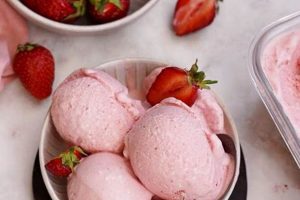
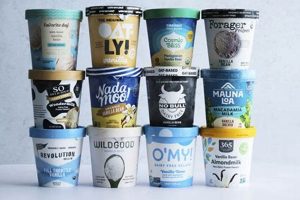
Plant-based frozen desserts, specifically those available at the Safeway supermarket chain, offer an alternative to traditional dairy-based ice cream. These products cater to individuals adhering to vegan diets, those with lactose intolerance, or those seeking to reduce their consumption of animal products. Common ingredients include coconut milk, almond milk, soy milk, oat milk, and cashew milk, used as substitutes for dairy cream. Examples include brands like So Delicious, Ben & Jerry’s (vegan varieties), and sometimes Safeway’s own private label offerings.
The increased availability of these items reflects a broader trend toward plant-based eating driven by health concerns, ethical considerations regarding animal welfare, and environmental consciousness. The presence of vegan options in mainstream grocery stores like Safeway demonstrates the growing consumer demand and acceptance of these alternatives. This accessibility allows individuals to easily incorporate plant-based desserts into their diet without needing to visit specialty stores. Historically, vegan ice cream options were limited, but the market has expanded significantly in recent years, driven by innovation in food technology and increased consumer awareness.
The following sections will delve deeper into specific brands carried by Safeway, ingredient analyses, nutritional comparisons with dairy-based ice cream, and factors to consider when selecting a plant-based frozen treat. We will also examine pricing and availability trends within the Safeway retail environment.
Selecting Plant-Based Frozen Desserts at Safeway
This section provides guidelines for informed selection of vegan alternatives within the Safeway supermarket chain.
Tip 1: Examine Ingredient Lists: Scrutinize the ingredient list for potential allergens, such as nuts or soy, depending on individual sensitivities. Pay attention to added sugars and artificial sweeteners. Opt for products with recognizable and minimal ingredients.
Tip 2: Compare Nutritional Information: Analyze the nutrition facts panel. Compare calories, fat content (saturated vs. unsaturated), sugar levels, and protein content to standard dairy-based options. Understand that nutritional profiles will vary based on the base ingredient (coconut, almond, oat, etc.).
Tip 3: Consider Base Ingredient Preferences: Different plant-based milks impart distinct flavors and textures. Coconut milk tends to be creamier and richer, while almond milk offers a lighter flavor. Experiment to find a base ingredient that suits personal taste.
Tip 4: Check for Certifications: Look for certifications such as Certified Vegan to ensure the product meets established vegan standards and has undergone third-party verification.
Tip 5: Review Customer Feedback: Consult online reviews and ratings to gain insights into product taste, texture, and overall satisfaction from other consumers. This provides valuable real-world feedback beyond marketing claims.
Tip 6: Monitor Promotions and Sales: Be aware of promotional offers and sales events at Safeway. Plant-based options often fluctuate in price; strategic purchasing can reduce costs.
Tip 7: Evaluate Sugar Content: Be mindful of the sugar content per serving. Some products may contain high levels of added sugars to compensate for the lack of dairy sweetness. Opt for lower-sugar alternatives or those sweetened with natural sources.
By prioritizing ingredient awareness, nutritional understanding, and informed decision-making, consumers can effectively navigate the plant-based frozen dessert selection at Safeway and make choices aligned with their dietary needs and preferences.
The subsequent sections will discuss specific brands and their unique characteristics further.
1. Ingredient composition

Ingredient composition is fundamental to plant-based frozen desserts sold at Safeway, directly determining their suitability as vegan alternatives to traditional dairy-based ice cream. The exclusion of all animal-derived products, including milk, cream, and whey, necessitates the use of plant-based substitutes. Common substitutes include coconut milk, almond milk, oat milk, cashew milk, soy milk, and various combinations thereof. The specific composition significantly influences the product’s flavor profile, texture, and overall sensory experience. For example, coconut milk imparts a rich, creamy texture due to its higher fat content, while almond milk provides a lighter, subtly nutty flavor. The presence of stabilizers, emulsifiers (such as sunflower lecithin or guar gum), and sweeteners (cane sugar, agave nectar, stevia) further shapes the final product. Therefore, a detailed examination of the ingredient list is critical for verifying its adherence to vegan principles and for assessing its potential allergenic properties.
Furthermore, ingredient composition directly impacts the nutritional profile of the plant-based frozen dessert. The source of plant-based milk contributes significantly to the product’s fat, protein, and carbohydrate content. Added sugars, whether natural or artificial, influence the overall sugar level and caloric density. Some manufacturers fortify their plant-based options with vitamins and minerals, enhancing their nutritional value. The presence of additives, such as artificial flavors and colors, also warrants consideration. Real-life examples include products that prioritize natural ingredients and lower sugar content, appealing to health-conscious consumers. Other examples may emphasize specific flavor combinations achieved through careful blending of different plant-based ingredients.
In summary, understanding the ingredient composition of plant-based frozen desserts at Safeway is essential for consumers seeking vegan-friendly alternatives. This knowledge allows for informed choices based on dietary restrictions, personal preferences, and nutritional goals. Challenges remain in replicating the precise texture and flavor of traditional dairy-based ice cream solely with plant-based ingredients, driving ongoing innovation in food technology and ingredient sourcing within the plant-based food industry.
2. Nutritional profiles

The nutritional profiles of plant-based frozen desserts available at Safeway are of paramount importance to consumers seeking healthier or ethically driven alternatives to conventional dairy ice cream. These profiles encompass a range of macronutrients, micronutrients, and other components that directly impact their suitability for diverse dietary needs and preferences.
- Macronutrient Composition
The macronutrient breakdown, including fat, protein, and carbohydrates, varies significantly among plant-based options at Safeway. Coconut milk-based versions often exhibit a higher fat content, particularly saturated fat, compared to almond or oat milk alternatives. Protein content is generally lower in most plant-based ice creams compared to dairy, necessitating a consideration of protein sources for those with specific dietary requirements. Carbohydrate content, primarily from added sugars, also warrants careful evaluation due to its implications for glycemic control. For example, a consumer with diabetes would need to scrutinize the carbohydrate and sugar content to maintain stable blood glucose levels.
- Sugar Content and Sweeteners
The type and amount of sweeteners used in plant-based ice creams at Safeway considerably affect their overall nutritional value. Many products rely on added sugars, such as cane sugar or corn syrup, to achieve a palatable sweetness. However, some brands utilize alternative sweeteners like stevia, erythritol, or monk fruit, which offer reduced-calorie or lower-glycemic options. Consumers seeking to minimize sugar intake should carefully examine the ingredient list and nutrition facts panel to identify products with lower sugar content or alternative sweeteners. A direct comparison of the sugar content between a traditional ice cream and its plant-based counterpart illustrates the variability within the market.
- Fatty Acid Profile
The fatty acid composition of plant-based ice cream at Safeway differs substantially from that of dairy ice cream. While dairy ice cream primarily contains saturated fat, plant-based options exhibit a greater diversity of fatty acids depending on the base ingredient. Coconut milk contributes saturated fat, while almond and oat milk provide more unsaturated fats. Consumers concerned about cardiovascular health should consider the fatty acid profile and prioritize options with a lower proportion of saturated fat. Reading the nutritional label carefully will help consumers make informed decision.
- Micronutrient Content and Fortification
Plant-based ice cream options at Safeway may differ in their micronutrient content compared to dairy ice cream. Dairy ice cream is a natural source of calcium and vitamin D, whereas plant-based alternatives may not naturally contain these nutrients. However, some manufacturers fortify their products with calcium, vitamin D, and other micronutrients to enhance their nutritional profile and better align with that of dairy ice cream. Examining the nutrition facts panel is essential to determine whether a particular product has been fortified and to what extent. Examples of brands and their unique fortification are available on the market.
In conclusion, understanding the nutritional profiles of plant-based frozen desserts available at Safeway allows consumers to make informed choices that align with their individual dietary needs and health goals. While plant-based options offer a viable alternative to dairy ice cream, their nutritional composition can vary considerably, necessitating careful evaluation of macronutrient content, sugar levels, fatty acid profile, and micronutrient content. By considering these factors, consumers can effectively navigate the selection and choose products that contribute to a balanced and healthful diet.
3. Brand Variety

Brand variety in the context of plant-based frozen desserts at Safeway is a critical factor influencing consumer choice and market dynamics. The availability of multiple brands caters to diverse preferences, dietary requirements, and price sensitivities. This selection allows consumers to compare and contrast different formulations and select products best aligned with their individual needs.
- Base Ingredient Differentiation
The primary differentiating factor among brands is the base ingredient used to replace dairy. Brands utilizing coconut milk, almond milk, oat milk, soy milk, or cashew milk create distinct flavor profiles and textures. For instance, So Delicious typically employs coconut milk for its creamy texture, while other brands may favor almond or oat milk for lower fat content or a milder flavor. This differentiation allows consumers to select a product based on their preferred taste and texture experience.
- Flavor Innovation and Specialty Offerings
Beyond base ingredients, brand variety manifests in innovative flavor combinations and specialty offerings. Ben & Jerry’s, for example, offers vegan versions of its popular flavors, replicating familiar taste profiles without dairy. Other brands may focus on unique, artisanal flavors, incorporating ingredients like exotic fruits, spices, or chocolate variations. This flavor diversity provides options for adventurous consumers seeking novel taste experiences, as well as those who seek familiar, comforting flavors in a plant-based format.
- Nutritional Positioning and Health Focus
Different brands also emphasize varying nutritional profiles and health-related attributes. Some brands may prioritize low sugar content, using alternative sweeteners or reducing overall sugar levels. Others may focus on incorporating added protein or fiber, catering to health-conscious consumers. The nutritional positioning of a brand can significantly influence its appeal to specific consumer segments, such as those with diabetes, weight management goals, or specific dietary restrictions.
- Price Point and Value Proposition
Brand variety is also reflected in the pricing strategies adopted by different manufacturers. Some brands may position themselves as premium options, using high-quality ingredients and charging a higher price. Others may focus on providing affordable alternatives, making plant-based frozen desserts accessible to a broader range of consumers. This price differentiation allows consumers to choose products that align with their budget and perceived value.
In conclusion, the availability of a diverse range of brands within the plant-based frozen dessert category at Safeway is essential for catering to the varying needs and preferences of consumers. This selection allows individuals to make informed choices based on taste, texture, nutritional profile, and price, ultimately driving the growth and acceptance of plant-based alternatives in the mainstream market. Further research on consumer behavior in choosing between these diverse brands would improve business strategies.
4. Price points

Price points represent a crucial factor governing consumer accessibility to plant-based frozen desserts at Safeway. The cost of these items, relative to conventional dairy ice cream and other dessert options, directly influences purchase decisions and market penetration. Higher prices can act as a barrier for budget-conscious consumers or those new to plant-based diets, while competitive pricing can encourage trial and adoption. For example, if a pint of vegan ice cream is significantly more expensive than a comparable dairy-based option, consumers may be less likely to purchase the plant-based version, despite its alignment with their dietary preferences. The availability of promotions, discounts, and store-brand options can mitigate the price sensitivity and enhance affordability.
The pricing of plant-based frozen desserts at Safeway is influenced by several factors, including ingredient costs, production methods, distribution expenses, and brand positioning. Plant-based ingredients, such as almond milk or coconut cream, may be more expensive than traditional dairy ingredients, contributing to higher production costs. Specialized manufacturing processes or smaller production volumes can also increase expenses. Brands positioned as premium or artisanal options may command higher prices, reflecting perceived value and quality. Safeway’s private label vegan ice cream, if available, could offer a more affordable alternative due to lower marketing and brand-building costs. Examining price trends over time can reveal the impact of supply chain fluctuations, increased competition, and growing consumer demand on the cost of these products. The interaction between price and demand follows general economics principles.
In summary, price points are a key determinant of consumer adoption of plant-based frozen desserts within the Safeway retail environment. Strategies to lower costs, such as optimizing ingredient sourcing, streamlining production, and offering private label options, can enhance affordability and expand market reach. Further research on consumer price sensitivity and willingness to pay for vegan ice cream at Safeway could inform pricing strategies and promotional campaigns. The broader success of plant-based alternatives hinges on their ability to compete effectively with traditional products on both taste and price. In essence, finding the right equilibrium for price points is critical.
5. Accessibility factor

The accessibility factor, in the context of plant-based frozen desserts at Safeway, signifies the ease with which consumers can locate, purchase, and afford these products. This encompasses both physical availability within store locations and economic accessibility, considering price relative to comparable dairy-based items. A high accessibility factor indicates that Safeway effectively caters to the growing demand for plant-based alternatives, while a low factor suggests limitations in product distribution, affordability, or awareness. For instance, if vegan ice cream is relegated to a single, hard-to-find shelf or priced significantly higher than traditional options, its accessibility is limited, potentially hindering sales and consumer adoption. Increased shelf space, prominent placement, and competitive pricing would enhance accessibility.
Several factors influence the accessibility factor for plant-based frozen desserts at Safeway. Store location and demographics play a crucial role, as demand for vegan products may vary across different regions. Stores in areas with higher concentrations of health-conscious consumers or individuals adhering to plant-based diets are likely to allocate more shelf space and offer a wider selection. Furthermore, effective marketing and promotion strategies can increase consumer awareness and drive demand, further enhancing accessibility. Real-world examples include targeted advertising campaigns highlighting the availability of vegan ice cream at Safeway, or in-store displays showcasing plant-based options alongside traditional dairy products. The overall consumer experience, including ease of navigation within the store and helpfulness of staff, also contributes to accessibility.
In summary, the accessibility factor is a critical determinant of the success of plant-based frozen desserts at Safeway. By optimizing product placement, pricing strategies, and promotional efforts, Safeway can enhance accessibility and cater to the growing consumer demand for vegan alternatives. Challenges remain in ensuring consistent availability across all store locations and in addressing price sensitivities among budget-conscious shoppers. Ultimately, improving accessibility can contribute to the broader adoption of plant-based diets and promote sustainable food choices. A high accessibility factor translates to a better business landscape for vegan products, and contributes to the growth of the plant-based food industry.
Frequently Asked Questions
This section addresses common inquiries regarding plant-based frozen desserts available at Safeway, providing informative answers to clarify consumer understanding and decision-making.
Question 1: Are all ice cream products labeled “vegan” at Safeway genuinely free from animal products?
Products labeled “vegan” at Safeway are generally free from animal-derived ingredients. However, meticulous examination of the ingredient list is advised to confirm the absence of unexpected animal byproducts or cross-contamination risks during manufacturing.
Question 2: What plant-based milk alternatives are commonly used in vegan ice cream sold at Safeway?
Common plant-based milk alternatives include coconut milk, almond milk, oat milk, soy milk, and cashew milk. The selection varies depending on the brand and product formulation. Each base contributes distinct flavor and texture characteristics.
Question 3: Are vegan ice cream options at Safeway nutritionally equivalent to traditional dairy ice cream?
Nutritional profiles differ significantly. Plant-based options may have lower saturated fat content but also potentially less protein and calcium unless fortified. Consumers should carefully compare nutrition facts panels to assess individual needs and preferences.
Question 4: How does the price of vegan ice cream at Safeway compare to dairy-based ice cream?
Generally, plant-based ice cream is often priced higher than conventional dairy ice cream due to ingredient costs and specialized manufacturing. However, promotional offers and Safeway’s private-label options may offer more affordable alternatives.
Question 5: Does Safeway offer a wide variety of vegan ice cream flavors and brands?
Safeway typically carries a selection of vegan ice cream brands, with flavor availability varying by location and season. The selection usually includes popular brands as well as potentially Safeway’s own branded vegan options.
Question 6: How can consumers determine if a particular vegan ice cream product at Safeway is suitable for their dietary needs, such as allergies or intolerances?
Careful review of the ingredient list is crucial. Pay attention to common allergens like nuts, soy, and gluten. Check for certifications indicating adherence to specific dietary standards. Consult with a healthcare professional or registered dietitian for personalized advice.
Key takeaways emphasize the importance of ingredient verification, nutritional comparison, and awareness of pricing factors when purchasing plant-based frozen desserts at Safeway.
The following sections will explore specific brands and flavors currently available at Safeway in greater detail.
Conclusion
This exploration of “vegan ice cream safeway” has elucidated several key aspects: ingredient composition dictating allergen suitability, nutritional profiles guiding health-conscious choices, brand variety offering options for taste preferences, price points influencing accessibility, and the overall accessibility factor determining ease of purchase. The increasing presence of these products within a mainstream grocery chain like Safeway underscores the growing consumer demand and acceptance of plant-based alternatives to traditional dairy desserts. The information provided equips individuals with the knowledge necessary to make informed purchasing decisions aligned with their dietary needs, ethical considerations, and budgetary constraints.
The continued evolution of the plant-based food industry, coupled with consumer awareness and demand, will likely lead to further innovation and increased availability of vegan frozen desserts. It is imperative that consumers remain vigilant in scrutinizing ingredient lists and nutritional information to ensure that their choices align with their individual health and wellness goals. As the market expands, ongoing research and development will play a crucial role in refining product formulations and improving the sensory attributes of these alternatives, further solidifying their place in the mainstream food landscape. Consider the information provided as a tool in navigating the evolving world of plant-based food options.
![Best Vegan Ice Cream in Portland, ME: [Your Brand] & More! | Discover Delicious Vegan Food, Beauty Swaps, and Zero-Waste Tips for a Greener Life](https://thisvegangirl.com/wp-content/uploads/2026/04/th-87-300x200.jpg "Best Vegan Ice Cream in Portland, ME: [Your Brand] & More! Discover Delicious Vegan Food, Beauty Swaps, and Zero-Waste Tips for a Greener Life")