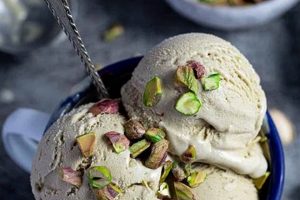
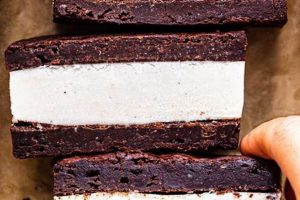
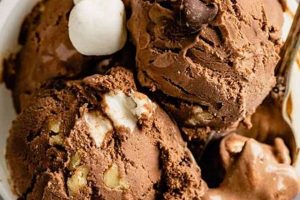
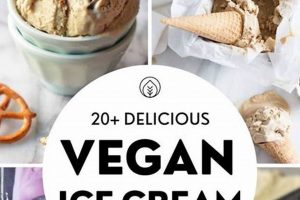
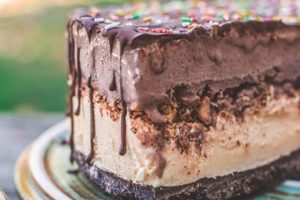
A method for producing frozen dessert that excludes all animal products and bypasses the need for specialized equipment is the focus. These recipes rely on plant-based ingredients such as coconut milk, cashews, or bananas to achieve a creamy texture. For instance, blending frozen bananas with cocoa powder and plant-based milk creates a simple, dairy-free chocolate frozen treat without requiring an ice cream maker.
This approach offers several advantages, including accessibility and dietary inclusivity. It enables individuals with vegan preferences or lactose intolerance to enjoy frozen desserts readily. Furthermore, these methods often utilize minimal ingredients and reduce the complexity and cost associated with traditional ice cream production. Historically, the development of such methods reflects a growing awareness of dietary needs and environmental concerns.
This article will explore various techniques, ingredients, and considerations crucial for creating satisfactory frozen vegan desserts at home, without the necessity of specialized machinery. Detailed explanations will be given regarding ingredient selection, blending techniques, and freezing strategies to optimize texture and flavor.
Essential Tips for Vegan Frozen Dessert Creation (Machine-Free)
Achieving desirable texture and flavor in vegan frozen desserts, without the aid of specialized equipment, requires careful attention to several critical factors.
Tip 1: Ingredient Selection is Paramount: The base ingredient profoundly impacts the final product’s creaminess. Coconut milk provides a rich texture, while blended cashews offer a smoother, neutral base. Ripe bananas, when frozen and blended, yield a naturally sweet and creamy consistency. Selecting the appropriate base for the desired flavor profile is crucial.
Tip 2: Utilize High-Speed Blending: Thorough blending is essential to break down ingredients and create a uniformly smooth mixture. A high-powered blender minimizes ice crystal formation, resulting in a creamier final product. Lower-powered blenders may require longer processing times and can compromise texture.
Tip 3: Employ the Freeze-and-Blend Technique: For bases like coconut milk or cashew cream, pre-freezing the mixture in an ice cube tray or shallow container and then re-blending after partial freezing disrupts ice crystal formation. This process can be repeated multiple times for an improved texture.
Tip 4: Incorporate Natural Sweeteners Strategically: Liquid sweeteners, such as maple syrup or agave nectar, blend seamlessly and prevent graininess. Adjust the quantity carefully to avoid excessive sweetness, which can negatively affect the freezing process.
Tip 5: Consider Fat Content: Fats contribute to a smooth mouthfeel and prevent excessive ice crystal formation. Coconut cream and cashew cream are naturally high in fat. For lower-fat options, consider adding small amounts of coconut oil or cocoa butter to enhance texture.
Tip 6: Minimize Water Content: Excess water promotes ice crystal formation, leading to a grainy texture. Concentrate flavors by reducing liquids where possible. For example, using frozen fruit instead of fresh fruit reduces overall water content.
Tip 7: Incorporate Alcohol Judiciously: A small amount of alcohol (e.g., vodka or rum) can lower the freezing point and inhibit ice crystal formation. Exercise caution, as excessive alcohol will prevent the mixture from freezing completely. One to two tablespoons per batch is generally sufficient.
Consistent application of these strategies yields superior results in home-made, machine-free vegan frozen desserts, improving texture, consistency, and overall palatability.
The subsequent sections will address common pitfalls and troubleshooting techniques to ensure optimal outcomes when producing these desserts.
1. Ingredient Substitution

Ingredient substitution forms the foundation of any successful vegan ice cream recipe devoid of specialized machinery. The necessity to replace dairy-based components with plant-derived alternatives dictates the final product’s texture, flavor, and overall structural integrity. Without proper substitution strategies, achieving a palatable and texturally acceptable frozen dessert proves challenging.
- Dairy Milk Replacement
Dairy milk provides the base liquid and fat content in traditional ice cream. Plant-based milks, such as coconut milk (full-fat), cashew milk (homemade or high-quality store-bought), or oat milk, serve as primary substitutes. Coconut milk, owing to its higher fat content, often produces the creamiest results, mimicking the richness of dairy. Cashew milk offers a more neutral flavor profile, allowing other ingredients to shine. Oat milk, while lower in fat, provides a subtle sweetness and a smoother texture compared to some other alternatives. Successful dairy milk substitution involves careful consideration of the fat content and flavor contribution of the chosen plant-based milk. Inferior substitutions yield icy or less flavorful results.
- Cream Replacement
Heavy cream contributes significantly to the texture of conventional ice cream. In vegan recipes, coconut cream (the solid portion of refrigerated full-fat coconut milk) or blended cashews, create a rich, creamy base. For recipes aiming for lower fat content, silken tofu, when blended thoroughly, can add creaminess without substantial fat. The selection impacts the overall richness and caloric density of the final dessert. Inadequate cream substitution results in a less decadent and potentially icy frozen product.
- Egg Yolk Replacement
Egg yolks act as emulsifiers and stabilizers in traditional ice cream, contributing to smoothness and preventing ice crystal formation. Vegan recipes often employ stabilizers like cornstarch, tapioca starch, or guar gum to mimic these functions. These starches bind water and create a smoother texture. Lecithin, derived from soy or sunflower, can also serve as an emulsifier. Without effective egg yolk substitution, the resulting vegan ice cream tends to be grainier and melts more quickly.
- Sweetener Adjustments
Traditional ice cream recipes often rely on granulated sugar. In vegan recipes, liquid sweeteners, such as maple syrup, agave nectar, or brown rice syrup, are frequently used. These liquid sweeteners blend more readily and contribute to a smoother texture. The sweetness level must be carefully adjusted to compensate for any inherent sweetness in the plant-based milk or cream substitutes. Using an improper sweetener or an incorrect amount can alter the final texture and taste, potentially resulting in a product that is too icy or excessively sweet.
These component substitutions are interdependent and vital to create a creamy, palatable product. The selection and strategic usage of plant-based substitutes impact the overall texture, flavor profile, and stability of the resulting vegan ice cream. A poor ingredient substitution yields an unsatisfactory result, emphasizing the importance of proper ingredient selection for successful machine-free vegan ice cream production.
2. Blending Technique

The blending technique constitutes a critical process in crafting dairy-free frozen desserts without specialized equipment. It directly impacts the final texture, consistency, and overall palatability of the product. Achieving a smooth, creamy result hinges on proper blending methods, particularly when substituting traditional dairy components with plant-based alternatives.
- High-Speed Processing
High-speed blending is essential for breaking down plant-based ingredients, such as frozen fruits, nuts, or coconut cream, into a homogenous mixture. This process minimizes the formation of large ice crystals, which can result in a grainy or icy texture. High-powered blenders, capable of generating sufficient torque, are favored. Inadequate blending speed contributes to a less desirable mouthfeel and compromises the overall quality of the final frozen dessert.
- Ingredient Incorporation Order
The order in which ingredients are added to the blender significantly impacts the final texture. Typically, liquids are introduced first to facilitate initial blending, followed by softer ingredients, and then denser or frozen components. This stepwise approach prevents the blender from overheating and ensures uniform ingredient dispersion. Deviations from this order can lead to uneven blending and textural inconsistencies.
- Pulse Blending
Pulse blending, characterized by short bursts of blending followed by pauses, proves advantageous when working with frozen ingredients. It prevents the blender blades from becoming overloaded and allows for more controlled processing. This technique is particularly useful for incorporating frozen fruit or ice cubes, which can otherwise cause the blender to stall or produce an unevenly blended mixture.
- Scraping and Re-Blending
During the blending process, ingredients may adhere to the sides of the blender jar. Regular scraping ensures that all components are fully incorporated into the mixture. Following the initial blending, a final re-blending step is recommended to refine the texture and address any remaining lumps or inconsistencies. Neglecting this step can result in a final product with pockets of unblended ingredients or an uneven texture.
These blending considerations are pivotal in achieving a satisfactory outcome in machine-free vegan frozen dessert production. Efficient and strategic blending compensates for the absence of traditional ice cream churning, resulting in a smoother, creamier, and more palatable final product.
3. Freezing Duration

Freezing duration is a pivotal variable in the success of any vegan ice cream recipe that does not employ a machine. It directly influences the formation and size of ice crystals, which subsequently determine the final texture and mouthfeel. Insufficient freezing leads to a liquid or semi-frozen consistency, while excessive freezing results in an undesirable, rock-hard texture that lacks the characteristic creaminess of ice cream. The absence of a churning mechanism, which breaks up ice crystals during freezing, necessitates careful control of freezing time to achieve an optimal outcome. For example, a cashew-based vegan ice cream left in the freezer for an extended period without any intervention becomes difficult to scoop and may exhibit a gritty texture due to large ice crystal development.
To mitigate the effects of uncontrolled freezing, techniques such as periodic stirring or re-blending are employed. Stirring the ice cream mixture every 30-60 minutes during the initial freezing phase disrupts ice crystal formation, promoting a smoother texture. Alternatively, allowing the mixture to partially freeze and then re-blending it in a high-speed blender can break down any existing ice crystals, resulting in a creamier final product. These methods are particularly crucial for recipes that rely on ingredients with high water content, such as fruit purees, which are prone to ice crystal formation. Furthermore, the container used for freezing plays a role; shallow containers freeze faster and more evenly than deep containers, minimizing ice crystal size.
In summary, optimizing freezing duration in machine-free vegan ice cream recipes involves a delicate balance. Insufficient freezing results in a soupy consistency, while over-freezing produces a hard, icy product. Active intervention, such as regular stirring or re-blending, is essential to disrupt ice crystal formation and mimic the churning action of an ice cream machine. Careful selection of freezing containers and monitoring the progress of freezing are also critical components in achieving a desirable texture. Successful management of freezing duration is, therefore, an integral part of the process, directly impacting the overall success of any vegan ice cream recipe executed without specialized equipment.
4. Sweetener Type

The selection of sweetener profoundly impacts the final outcome of a vegan frozen dessert prepared without specialized machinery. Sweeteners are not merely flavor enhancers; they exert considerable influence on texture, freezing properties, and overall stability. The absence of a churning mechanism, characteristic of machine-based ice cream production, amplifies the importance of choosing a sweetener that contributes to a smooth, creamy consistency and inhibits ice crystal formation. For example, granulated sugar, commonly used in traditional ice cream, may not fully dissolve in plant-based milks, leading to a grainy texture in the finished product. A more suitable alternative would be a liquid sweetener such as agave nectar or maple syrup, which readily integrates into the base and contributes to a smoother mouthfeel.
Different sweeteners possess varying degrees of sweetness and affect the freezing point of the mixture. Overly sweet formulations, regardless of sweetener type, can impede proper freezing, resulting in a soft, soupy texture. Conversely, insufficient sweetness may lead to an icy and less palatable dessert. The impact of sweetener choice extends beyond basic taste; it interacts with other ingredients, influencing the overall structural integrity. For instance, certain sweeteners may enhance the emulsifying properties of plant-based fats, while others may detract from them. The optimal sweetener selection hinges on the specific base ingredients used in the recipe and the desired textural characteristics of the final product.
In conclusion, sweetener type is an integral component of a successful vegan frozen dessert crafted without a machine. The choice directly affects the texture, freezing properties, and overall stability of the final product. Liquid sweeteners generally prove superior to granulated options in promoting a smooth, creamy consistency. Careful consideration of sweetness levels and the sweetener’s interaction with other ingredients is crucial. Ultimately, a strategic approach to sweetener selection can compensate for the absence of machine-based churning, resulting in a high-quality, palatable vegan frozen dessert.
5. Texture Control

Texture control represents a paramount challenge and a critical success factor in creating acceptable vegan ice cream without specialized equipment. The absence of a machine’s churning action, which traditionally incorporates air and disrupts ice crystal formation, necessitates meticulous manipulation of ingredients and freezing processes to achieve a smooth, creamy consistency. Inferior texture, characterized by iciness, graininess, or excessive hardness, often renders the final product unpalatable. For instance, a coconut milk-based formulation lacking appropriate texture control may solidify into a hard, icy block rather than a creamy, scoopable dessert. The inherent properties of plant-based ingredients, differing significantly from dairy, demand specific techniques to emulate the desired textural attributes of conventional ice cream.
Strategies for texture control in machine-free vegan ice cream revolve around minimizing ice crystal size and maximizing air incorporation. High-speed blending reduces ice crystal formation by creating a homogenous mixture and breaking down frozen ingredients into smaller particles. The freeze-and-blend method, involving partial freezing followed by re-blending, further disrupts ice crystal development. Stabilizers such as guar gum or tapioca starch bind water, reducing ice crystal growth. The careful selection of ingredients with appropriate fat content, such as full-fat coconut milk or cashew cream, also contributes to a smoother texture. The order of ingredient incorporation, often starting with liquids and gradually adding solids, minimizes clumping and promotes even freezing. These methods are practical applications for achieving target consistency.
In summary, texture control is an indispensable element in producing acceptable dairy-free frozen desserts without machinery. The need for meticulous ingredient selection, optimized blending techniques, and strategic freezing protocols underscores its importance. Effective texture control transforms a potentially icy, grainy product into a palatable, creamy dessert, bridging the gap between machine-made and homemade vegan ice cream. Continuous experimentation and refinement of these techniques are key to overcoming the challenges posed by the absence of specialized equipment. The successful control of texture remains the main determinant for the success of vegan ice cream production without machines.
Frequently Asked Questions
This section addresses common inquiries regarding the creation of vegan ice cream without the utilization of specialized ice cream-making equipment. Clarification of essential techniques and ingredient considerations are provided.
Question 1: What are the primary challenges associated with producing vegan ice cream without a machine?
The main challenge lies in replicating the churning process, which incorporates air and disrupts ice crystal formation in traditional ice cream production. Achieving a smooth, creamy texture without a machine requires careful ingredient selection and specific freezing techniques.
Question 2: Which plant-based milks are most suitable for machine-free vegan ice cream recipes?
Full-fat coconut milk is generally considered the most suitable due to its high fat content, which contributes to a creamy texture. Cashew milk, particularly when homemade, also provides a smooth base. Oat milk can be used but may require additional fat or stabilizers.
Question 3: How can ice crystal formation be minimized in machine-free vegan ice cream?
Several techniques can mitigate ice crystal formation. High-speed blending, the freeze-and-blend method (partially freezing then re-blending), and the incorporation of stabilizers such as guar gum or tapioca starch are effective strategies.
Question 4: Are liquid sweeteners always preferred over granulated sweeteners in these recipes?
Liquid sweeteners, such as maple syrup or agave nectar, are generally preferred as they dissolve more readily and contribute to a smoother texture. Granulated sweeteners may not fully dissolve, resulting in a grainy consistency.
Question 5: What role does fat content play in the texture of machine-free vegan ice cream?
Fat content is a critical factor in achieving a creamy mouthfeel. Plant-based fats, such as those found in coconut milk or cashews, contribute to the richness and prevent excessive ice crystal formation. Recipes utilizing low-fat plant-based milks may require added fats, such as coconut oil, to improve texture.
Question 6: How does freezing duration impact the final product?
Freezing duration directly affects ice crystal size and texture. Over-freezing can result in a hard, icy product, while insufficient freezing leads to a soupy consistency. Periodic stirring during freezing helps disrupt ice crystal formation. The ideal freezing time depends on the specific recipe and ingredients used.
In summary, achieving satisfactory results requires a thorough understanding of ingredient properties and the application of specific techniques to replicate the churning process absent in machine-based methods. Careful execution leads to superior vegan frozen desserts.
The subsequent section will elaborate on common pitfalls and troubleshooting strategies for optimizing machine-free vegan ice cream production.
Concluding Remarks
This exploration of dairy-free frozen dessert preparation, bypassing mechanical churning, underscores critical factors for success. Ingredient selection, emphasizing fat content and liquid sweeteners, blending technique, with a focus on high-speed processing and controlled ingredient incorporation, and precise management of freezing duration are pivotal for achieving a desirable outcome. The absence of specialized equipment demands meticulous execution of these techniques to minimize ice crystal formation and maximize creaminess.
Mastery of these principles empowers individuals to create palatable, plant-based frozen desserts without reliance on costly or specialized machinery. Continued experimentation and refinement of these techniques hold the potential for expanded innovation within the realm of accessible, inclusive dessert options, allowing for the creative adaptation of flavors and textures to suit individual preferences. Future developments may focus on novel plant-based ingredients and methods for further optimizing texture and stability in machine-free vegan ice cream production.