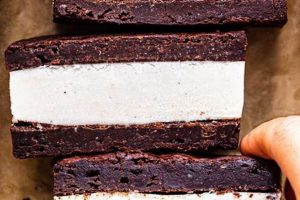
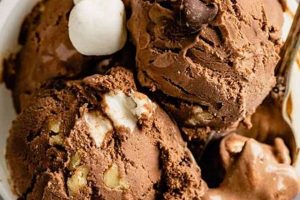
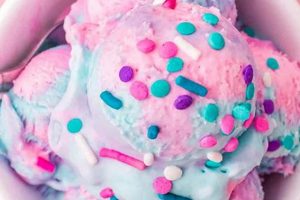
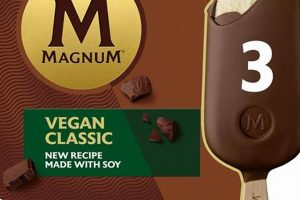
A non-dairy frozen dessert option is available at Cold Stone Creamery, catering to individuals who adhere to a plant-based diet or have dairy sensitivities. This offering provides an alternative to traditional ice cream, excluding animal-derived ingredients such as milk, cream, and eggs. For example, a coconut milk-based ice cream mixed with fruit and plant-based toppings at Cold Stone satisfies this requirement.
The availability of plant-based frozen desserts at establishments like Cold Stone Creamery addresses an increasing demand for inclusive menu options. It allows individuals with dietary restrictions or ethical preferences to participate in social experiences centered around ice cream consumption. Furthermore, the development of these options reflects a broader trend towards recognizing and accommodating diverse dietary needs within the food industry, contributing to greater accessibility and choice for consumers.
The following sections will delve into the specific ingredients, nutritional considerations, available flavors, and customer reception surrounding this alternative dessert offering at Cold Stone Creamery locations.
Tips for Enjoying Plant-Based Frozen Dessert at Cold Stone
Maximizing the experience with non-dairy frozen offerings at Cold Stone Creamery requires informed choices. Consider the following suggestions for optimal enjoyment.
Tip 1: Verify Ingredient Listings: Always confirm the ingredients of both the base flavor and any mix-ins. While advertised as plant-based, formulations can change, and cross-contamination is possible. Request to view ingredient labels for certainty.
Tip 2: Inquire About Cross-Contamination: Cold Stone Creamery often uses shared equipment. Ask about procedures to minimize cross-contamination with dairy products if a strict plant-based diet is followed. Request cleaning of surfaces and scoops before preparation.
Tip 3: Consider Flavor Pairings Carefully: Not all mix-ins complement the available plant-based bases. Select flavors known to pair well with coconut or other non-dairy bases to avoid undesirable taste combinations. Fruit-based and nut-based additions are typically safe bets.
Tip 4: Manage Expectations Regarding Texture: Plant-based ice creams may exhibit a slightly different texture than traditional dairy versions. Be aware that the texture could be icier or melt faster, which does not necessarily indicate a problem, simply a different composition.
Tip 5: Explore Seasonal Offerings: Cold Stone Creamery occasionally introduces limited-time plant-based flavors or mix-ins. Stay informed about these seasonal options by checking the company’s website or asking in-store.
Tip 6: Check Nutritional Information: If monitoring nutritional intake is a priority, review the nutritional information available online or in-store. Be mindful of sugar content and other macronutrient values, as these can vary significantly between flavors and mix-ins.
Careful planning and informed decision-making can significantly enhance satisfaction when selecting plant-based frozen desserts. Taking these steps ensures a suitable choice aligned with individual dietary requirements and taste preferences.
The next section will address the broader market trends influencing the availability and popularity of plant-based desserts in the food service industry.
1. Ingredients

The composition of plant-based frozen desserts at Cold Stone Creamery fundamentally defines their suitability for plant-based diets and directly influences their taste, texture, and nutritional profile. The absence of animal-derived components, such as dairy milk, cream, and eggs, necessitates the use of alternative ingredients. These alternatives typically include plant-based milks (e.g., coconut milk, almond milk, oat milk), sweeteners, stabilizers, and flavorings. For instance, coconut milk, due to its higher fat content, can contribute to a richer, creamier texture, mimicking the mouthfeel of traditional ice cream. Stabilizers, such as guar gum or tapioca starch, play a crucial role in preventing ice crystal formation, thus maintaining a smooth consistency. Without careful selection and balancing of these ingredients, the final product may suffer from undesirable textural or flavor characteristics.
The selection of specific ingredients also has significant implications for individuals with allergies or sensitivities. While dairy is excluded, plant-based options may contain nuts (e.g., almonds, cashews), soy, or gluten, which are common allergens. Therefore, transparent and accurate labeling of all ingredients is paramount. Moreover, the sourcing of these ingredients can raise ethical and environmental considerations. For example, the use of coconut milk may prompt scrutiny regarding sustainable farming practices and fair labor conditions in coconut-producing regions. Consequently, ingredient selection is not merely a technical matter but carries broader social and environmental consequences.
In summary, the ingredients list is central to understanding the suitability, quality, and ethical dimensions of plant-based frozen desserts at Cold Stone Creamery. Careful consideration must be given to the source, functionality, and potential allergenic properties of each ingredient. This understanding is vital for consumers seeking alternatives to traditional ice cream and for businesses committed to offering responsible and inclusive menu options.
2. Availability

The presence of plant-based frozen desserts at Cold Stone Creamery locations constitutes a critical determinant of accessibility for individuals adhering to plant-based diets or those with dairy sensitivities. The extent and consistency of this availability significantly impact consumer satisfaction and the perceived inclusivity of the establishment.
- Geographic Distribution
The offering of plant-based options is not uniform across all Cold Stone Creamery locations. Metropolitan areas with a higher concentration of plant-based consumers often exhibit greater availability compared to locations in more rural regions. This disparity in geographic distribution can limit access for individuals in certain areas, thereby restricting their ability to participate in social experiences centered around ice cream consumption.
- Seasonal Fluctuations
The availability of plant-based flavors may be subject to seasonal variations. Certain flavors or limited-time offerings may be available only during specific periods of the year, aligning with seasonal ingredient availability or promotional campaigns. This temporal limitation can create inconsistency and may necessitate that consumers adapt their preferences based on current offerings.
- Ingredient Sourcing and Supply Chain
Dependence on specific suppliers for plant-based ingredients can influence the consistency of availability. Disruptions in the supply chain, whether due to weather events, economic factors, or logistical challenges, can lead to temporary shortages or the discontinuation of certain flavors. This reliance on external factors underscores the vulnerability of maintaining a consistent plant-based menu.
- Menu Board Transparency and Communication
Clear and accurate communication regarding the availability of plant-based options is essential for effective consumer decision-making. Outdated menu boards, inaccurate online information, or a lack of knowledgeable staff can hinder access and lead to disappointment. Proactive and consistent communication is necessary to ensure that consumers are informed about the current plant-based offerings at a given location.
In summary, the concept of availability extends beyond a simple binary of presence or absence. Geographic distribution, seasonal changes, supply chain considerations, and transparent communication each contribute to shaping the actual access that consumers have to these dessert options. These factors must be carefully managed to ensure a satisfying and inclusive experience for all customers.
3. Flavor Options

The range of flavor options directly dictates the appeal and market viability of plant-based frozen desserts at Cold Stone Creamery. A diverse selection can attract a broader customer base, while a limited assortment may restrict consumer choice and satisfaction.
- Base Flavors
The foundation of plant-based offerings lies in the available base flavors. Common options include coconut milk-based vanilla, chocolate, and strawberry. The quality and variety of these bases significantly influence the overall taste experience. A bland or limited selection restricts customization and may deter repeat purchases. For instance, the absence of a rich, decadent chocolate base limits the potential for creating indulgent plant-based desserts.
- Mix-In Compatibility
The integration of mix-ins is a defining feature of Cold Stone Creamery. However, not all traditional mix-ins are compatible with plant-based bases due to texture or flavor profiles. Creative and suitable substitutions are essential. For example, replacing dairy-based chocolate chips with dark chocolate or using plant-based cookie dough enhances the overall offering. Limited mix-in options diminish the unique customization opportunities for which the brand is known.
- Seasonal Variations
The introduction of limited-time seasonal flavors can generate consumer interest and drive sales. Plant-based pumpkin spice in the fall or peppermint in the winter align with traditional seasonal trends and provide variety. The absence of such offerings can lead to a perception of stagnation and limit the brand’s ability to capitalize on seasonal demand.
- Regional Preferences
Flavor preferences vary by geographic region. Adapting plant-based flavor options to reflect local tastes can enhance appeal and market penetration. Offering regionally popular fruit flavors or incorporating culturally relevant ingredients demonstrates sensitivity to consumer diversity. Ignoring regional nuances can limit acceptance and market share.
Ultimately, the breadth and adaptability of flavor options are paramount to the success of plant-based frozen desserts at Cold Stone Creamery. A thoughtful and responsive approach to flavor development can significantly enhance consumer satisfaction and solidify the brand’s position in the increasingly competitive plant-based market.
4. Nutritional Value
The nutritional value of plant-based frozen desserts at Cold Stone Creamery warrants careful consideration, as the absence of dairy does not automatically equate to a healthier profile. While these options cater to specific dietary needs, it is imperative to evaluate their composition relative to traditional ice cream and general dietary guidelines. The substitution of plant-based milks, such as coconut or almond, impacts the fat content, often leading to higher levels of saturated fat in coconut-based varieties. Furthermore, sugar content remains a significant factor, as many plant-based desserts rely on added sugars to enhance palatability and mimic the sweetness of dairy-based counterparts. For instance, a serving of plant-based ice cream with added mix-ins can easily exceed the recommended daily intake of added sugars, posing a risk for individuals managing blood sugar levels or weight. Therefore, a blanket assumption of superior nutritional value is inaccurate and potentially misleading.
Examining the micronutrient profile reveals further nuances. Dairy ice cream provides calcium and vitamin D, which are naturally present in milk. Plant-based alternatives typically require fortification to match these levels. Additionally, the protein content of plant-based desserts may be lower than that of traditional ice cream, depending on the base ingredient used. To illustrate, almond milk-based options often contain less protein compared to coconut milk-based or traditional dairy ice cream. Consequently, informed decision-making necessitates a thorough review of the nutrition facts label to assess specific nutrient content, including calories, fat, sugar, protein, and micronutrients. Comparisons should be made with traditional options and aligned with individual dietary needs and health goals.
In conclusion, the nutritional value of plant-based frozen desserts at Cold Stone Creamery is not inherently superior but rather contingent upon the specific ingredients and formulations used. While offering a suitable alternative for those avoiding dairy, careful evaluation of fat, sugar, and micronutrient content is essential for making informed dietary choices. Transparent nutrition labeling and consumer awareness are crucial to ensure that these options contribute to a balanced and healthy diet.
5. Cross-Contamination

Cross-contamination represents a significant challenge in the provision of plant-based frozen desserts, particularly at establishments like Cold Stone Creamery where both dairy and non-dairy products are prepared. The introduction of even trace amounts of dairy or other non-vegan ingredients compromises the integrity of the plant-based offering, rendering it unsuitable for individuals adhering to strict plant-based diets or those with dairy allergies. Shared equipment, such as ice cream scoops, mixing bowls, and preparation surfaces, pose a substantial risk if not thoroughly cleaned between uses. For instance, using the same scoop for both dairy ice cream and a coconut milk-based alternative transfers dairy proteins, negating the intended plant-based status.
The implications of cross-contamination extend beyond dietary restrictions to encompass ethical considerations. Individuals who choose plant-based diets based on animal welfare concerns may find cross-contamination particularly objectionable. The perception of inadequate safeguards can erode trust in the establishment and discourage future purchases. Mitigating this risk requires rigorous protocols, including designated equipment for plant-based preparations, thorough sanitation practices, and employee training to ensure proper handling procedures. Some Cold Stone locations have implemented separate preparation stations or color-coded utensils to minimize the likelihood of accidental contamination. Furthermore, transparent communication regarding these efforts can enhance consumer confidence and demonstrate a commitment to serving genuinely plant-based options.
In summary, cross-contamination poses a critical challenge to maintaining the integrity of plant-based frozen desserts at Cold Stone Creamery. It affects not only individuals with dietary restrictions or allergies but also those motivated by ethical considerations. Addressing this issue effectively necessitates robust sanitation protocols, designated equipment, and transparent communication with consumers. Failure to do so undermines the value proposition of plant-based offerings and erodes consumer trust.
6. Customer Feedback

Customer feedback serves as a crucial determinant of success for plant-based frozen desserts at Cold Stone Creamery. It provides direct insight into consumer preferences, identifies areas for product improvement, and influences future menu development decisions. Positive feedback reinforces the value proposition of these offerings, while negative feedback highlights shortcomings in taste, texture, availability, or service. For example, comments regarding an overly icy texture in a particular flavor can prompt adjustments to the stabilizer ratios or ingredient sourcing. Similarly, consistent requests for new flavor combinations can inform research and development efforts.
The impact of customer feedback extends beyond product refinement to encompass brand perception and marketing strategies. Online reviews, social media engagement, and direct communication channels, such as surveys or comment cards, provide valuable data on consumer sentiment. A high volume of positive reviews can enhance the brand’s reputation and attract new customers, while a preponderance of negative reviews can damage its image and deter potential purchasers. Moreover, analyzing customer feedback patterns can reveal demographic trends and identify target audiences, enabling more effective marketing campaigns. For instance, if feedback indicates strong interest from environmentally conscious consumers, marketing efforts can emphasize the sustainable sourcing of plant-based ingredients.
In conclusion, customer feedback is an indispensable component of plant-based dessert offerings. It drives product improvement, shapes brand perception, and informs marketing strategies. Establishing robust feedback collection mechanisms and responding proactively to consumer concerns are essential for ensuring the long-term success and sustainability of plant-based options.
7. Market Trends

Market trends significantly influence the availability, variety, and marketing of plant-based frozen desserts at establishments such as Cold Stone Creamery. These trends reflect evolving consumer preferences, dietary awareness, and ethical considerations, shaping the strategic decisions of food service providers.
- Increased Plant-Based Consumption
The rising adoption of plant-based diets, driven by health, environmental, and ethical factors, directly impacts the demand for non-dairy alternatives. This trend compels businesses to expand their plant-based offerings to cater to a growing segment of consumers. For Cold Stone Creamery, this translates to introducing more plant-based flavors, mix-ins, and seasonal options to align with consumer preferences.
- Growing Awareness of Food Allergies and Intolerances
Heightened awareness of food allergies, particularly dairy intolerance (lactose intolerance), fuels the demand for dairy-free alternatives. Cold Stone Creamery’s provision of plant-based frozen desserts addresses this need, allowing individuals with lactose intolerance or dairy allergies to participate in ice cream consumption experiences without adverse reactions.
- Demand for Sustainable and Ethical Products
Consumers increasingly prioritize sustainable and ethically sourced ingredients. This trend prompts food service businesses to seek plant-based ingredients from suppliers with responsible farming practices and fair labor standards. Cold Stone Creamery’s sourcing decisions regarding plant-based milks, such as coconut or almond, are scrutinized for their environmental and social impact.
- Innovation in Plant-Based Ingredients and Formulations
Advancements in food technology and ingredient development drive the creation of more palatable and texturally appealing plant-based frozen desserts. Innovations in plant-based milks, stabilizers, and sweeteners enable manufacturers to replicate the creamy mouthfeel of traditional ice cream without dairy. This allows Cold Stone Creamery to offer plant-based options that closely mimic the taste and texture of their conventional products.
These market trends collectively exert a significant influence on the plant-based frozen dessert landscape at Cold Stone Creamery. Adapting to these trends requires strategic investments in product development, ingredient sourcing, and marketing efforts to cater to the evolving needs and preferences of plant-based consumers.
Frequently Asked Questions
This section addresses common inquiries regarding the availability, ingredients, and related concerns surrounding plant-based frozen desserts at Cold Stone Creamery locations.
Question 1: What plant-based milk alternatives are utilized in Cold Stone Creamery’s non-dairy frozen desserts?
The specific type of plant-based milk can vary by location and flavor. Coconut milk and almond milk are commonly used. Consumers are encouraged to inquire directly with the store regarding the specific ingredients in available options.
Question 2: Are all Cold Stone Creamery locations offering plant-based frozen dessert options?
Availability can vary. Contacting the local Cold Stone Creamery to confirm the presence of plant-based options is advised prior to visiting. Furthermore, availability is subject to change without notice due to supply chain factors.
Question 3: How does Cold Stone Creamery address cross-contamination concerns with dairy products?
Cross-contamination is a potential concern given the shared equipment at Cold Stone Creamery. Inquiring about sanitation procedures and requesting the use of clean equipment before preparation is recommended to minimize risk. The degree to which individual stores mitigate cross-contamination varies.
Question 4: Are all mix-ins offered at Cold Stone Creamery suitable for plant-based diets?
Not all mix-ins are plant-based. Many contain dairy or other animal-derived ingredients. Careful review of the ingredient list for each mix-in is necessary to ensure compliance with a plant-based diet. Staff consultation is advisable.
Question 5: Do plant-based frozen desserts at Cold Stone Creamery offer comparable nutritional value to traditional dairy-based options?
The nutritional profile varies depending on the specific ingredients and formulations. Plant-based options are not inherently healthier. Sugar content and saturated fat levels warrant careful consideration. Review of nutritional information is recommended.
Question 6: Are the plant-based offerings at Cold Stone Creamery certified as vegan?
Formal vegan certification is not consistently present. Ingredient verification and confirmation of preparation methods are essential for consumers seeking strict adherence to vegan principles. Reliance solely on the label “plant-based” is insufficient.
In summary, while plant-based frozen desserts offer a non-dairy alternative at Cold Stone Creamery, informed decision-making requires careful consideration of ingredients, availability, potential cross-contamination, and nutritional value.
The subsequent section will provide resources for further information regarding plant-based dining and related topics.
Conclusion
The preceding analysis has elucidated various facets of vegan ice cream at Cold Stone Creamery. Ingredient composition, availability inconsistencies, cross-contamination risks, and nutritional considerations were detailed. Customer feedback and prevailing market trends were also explored, providing a comprehensive perspective on the subject.
The provision of plant-based alternatives in mainstream establishments reflects a broader societal shift towards dietary inclusivity. Continued diligence in ingredient sourcing, preparation protocols, and consumer communication will be crucial in ensuring the integrity and appeal of these offerings in the evolving food landscape.