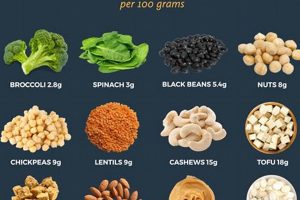
Plant-based diets have seen increased adoption, and the demand for protein-rich alternatives to traditional foods has grown commensurately. Within the realm of pasta, products formulated to meet this demand, utilizing ingredients such as legumes, lentils, or quinoa, represent a significant innovation. These alternatives provide a higher protein content compared to conventional wheat-based pasta, catering to individuals seeking to increase their protein intake while adhering to a vegan lifestyle.
The incorporation of these products into dietary regimes can contribute to improved satiety, support muscle development, and provide essential amino acids. Historically, pasta has been primarily a carbohydrate source; however, the development of higher-protein vegan options expands its nutritional profile and applicability for individuals with specific dietary goals. These products offer a convenient and versatile way to consume plant-based protein.
This article will explore the different types of ingredients used in production, the nutritional value, the production processes, and the culinary applications of these plant-based, protein-enhanced pasta alternatives. It will also address the market trends and consumer considerations associated with them.
Tips for Incorporating High-Protein Vegan Pasta
To maximize the benefits of incorporating plant-based protein-enhanced pasta into a balanced diet, consider the following guidelines:
Tip 1: Select Varieties Based on Nutritional Goals: Different ingredients yield varying protein and fiber contents. Lentil-based pastas often provide a higher fiber content than those made from chickpeas, for example. Choose a variety that aligns with specific dietary requirements.
Tip 2: Mind Portion Sizes: While these pastas offer increased protein, they are still calorie-dense. Adhere to recommended serving sizes to manage overall caloric intake and maintain a balanced macronutrient ratio.
Tip 3: Combine with Nutrient-Rich Sauces and Vegetables: Enhance the nutritional value of the meal by pairing the pasta with sauces rich in vitamins and minerals, such as tomato-based sauces with added vegetables like spinach, mushrooms, or bell peppers. This increases micronutrient intake.
Tip 4: Consider Cooking Time: Some formulations may require different cooking times than traditional pasta. Overcooking can lead to a mushy texture, so carefully follow package instructions to achieve the desired al dente consistency.
Tip 5: Explore Different Culinary Applications: Plant-based high-protein pasta can be used in a variety of dishes, including cold pasta salads, baked pasta casseroles, and stir-fries. Experiment with different recipes to discover its versatility.
Tip 6: Read Labels Carefully: Pay close attention to the ingredient list and nutritional information. Some products may contain added sugars or sodium. Opt for options with minimal additives and a balanced nutritional profile.
By adhering to these tips, individuals can effectively incorporate plant-based, protein-enhanced pasta into their dietary plans and enjoy the associated nutritional benefits.
The next section will delve into the market trends surrounding these products and provide insights into consumer preferences.
1. Legume-based protein

Legume-based protein forms a fundamental component in the formulation of plant-derived, high-protein pasta alternatives. The incorporation of legumes, such as lentils, chickpeas, peas, or beans, into the pasta manufacturing process is the primary mechanism by which the protein content is significantly elevated compared to traditional wheat-based pasta. This substitution is driven by the inherent protein richness of legumes, which surpasses that of common grains. A direct effect of this substitution is the alteration of the pasta’s macronutrient profile, yielding a product more aligned with the needs of individuals seeking increased protein intake. For example, a standard serving of wheat pasta might contain approximately 7-8 grams of protein, while a comparable serving of lentil pasta can provide upwards of 20 grams. The selection of specific legumes influences the final product’s taste, texture, and nutritional composition.
Beyond the elevated protein levels, legume-based pasta often contributes additional nutritional benefits, including increased fiber content and a more complex carbohydrate profile, leading to a lower glycemic index. The use of legume flours or isolates also offers an alternative for individuals with gluten sensitivities, as many legume-based pastas are naturally gluten-free. In practical applications, the increased protein content can promote satiety, potentially aiding in weight management and reducing overall calorie consumption. Furthermore, the amino acid composition of legumes contributes to the overall nutritional value, although combining different legumes or complementing them with other protein sources might be necessary to achieve a complete amino acid profile for optimal protein utilization.
In summary, legume-based protein is not merely an ingredient in plant-derived, high-protein pasta; it is the defining characteristic that distinguishes it from conventional counterparts. The use of legumes directly impacts the nutritional value, textural properties, and dietary applications of the pasta. While challenges related to taste and texture remain areas of ongoing development, the nutritional advantages and versatility of legume-based options contribute significantly to the growing market for plant-based protein alternatives. The understanding of this connection is key to successfully incorporating these products into diverse dietary patterns.
2. Gluten-free potential

The inherent gluten-free potential of plant-based, high-protein pasta stems from the replacement of traditional wheat flour with alternative ingredients. Wheat, barley, and rye contain gluten, a protein composite responsible for the elastic texture of conventional pasta. Individuals with celiac disease, non-celiac gluten sensitivity, or wheat allergies must avoid gluten-containing foods. By utilizing legumes, such as lentils, chickpeas, or beans, or other gluten-free alternatives like quinoa or brown rice flour, manufacturers can produce pasta suitable for those with dietary restrictions. The ability to offer a gluten-free option within the plant-based, high-protein pasta category expands its appeal to a broader consumer base, particularly those seeking both increased protein and gluten avoidance. For example, a consumer diagnosed with celiac disease may find lentil-based pasta to be a valuable source of protein that aligns with their dietary needs.
The absence of gluten in these pasta alternatives necessitates adjustments in the manufacturing process. Gluten provides structure and elasticity; therefore, alternative binding agents, such as tapioca starch or xanthan gum, are often incorporated to achieve a palatable texture. The selection of these binding agents and their proportions directly impact the final product’s consistency and cooking properties. The development of gluten-free, plant-based, high-protein pasta requires a balance between nutritional content, taste, and texture to ensure consumer acceptance. Many brands have successfully created gluten-free high-protein pastas that closely mimic the taste and texture of traditional pasta.
In conclusion, the gluten-free potential represents a significant advantage of plant-based, high-protein pasta. It not only broadens the accessibility of pasta to individuals with specific dietary needs but also contributes to the overall nutritional diversity of plant-based diets. The continued refinement of manufacturing techniques and ingredient selection promises to further enhance the quality and appeal of gluten-free, plant-based, high-protein pasta options.
3. Amino acid profile

The amino acid profile is a critical consideration when evaluating vegan high protein pasta due to its direct impact on the nutritional quality of the product. Proteins are composed of amino acids, and the human body requires a specific balance of essential amino acids, those that cannot be synthesized internally and must be obtained through diet. Because plant-based protein sources, unlike animal proteins, often lack or contain insufficient amounts of one or more essential amino acids, the amino acid profile of vegan high protein pasta determines its effectiveness as a complete protein source. For example, if a pasta is primarily composed of lentil flour, it may be deficient in methionine. This deficiency reduces the body’s ability to utilize the other amino acids effectively for protein synthesis, thereby diminishing the pasta’s overall nutritional value. Therefore, understanding the amino acid profile is paramount in assessing the true protein contribution of vegan high protein pasta.
The practical significance of this understanding lies in the ability to make informed dietary choices. Consumers seeking to rely on plant-based pasta as a primary protein source should consider supplementing their diets with foods that complement the amino acid profile of the pasta. Alternatively, manufacturers may formulate pasta using a combination of plant-based proteins, such as combining lentil and quinoa flour, to create a more complete amino acid profile. An increased awareness of amino acid profiles also encourages more thorough product labeling, enabling consumers to evaluate nutritional completeness. The selection of pasta with a more balanced amino acid content supports better muscle repair, immune function, and overall health. This may also encourage food companies to be more transparent about the amino acid contents.
In conclusion, while the “vegan high protein pasta” label signifies an elevated protein content compared to traditional pasta, the amino acid profile ultimately dictates the protein’s usability within the body. Assessing this profile and strategically complementing it with other dietary components ensures the pasta serves as a genuinely valuable source of protein, rather than merely a high-protein, but nutritionally incomplete, food product. Continued research and clear labeling are essential to maximizing the benefits of vegan high protein pasta for those seeking plant-based protein alternatives.
4. Satiety enhancement

Satiety enhancement, the prolongation of the feeling of fullness and reduction of subsequent hunger, is a significant attribute sought in food products. In the context of vegan high protein pasta, this characteristic stems from specific compositional factors inherent in its formulation.
- Protein Content and Hormonal Regulation
The elevated protein levels in vegan high protein pasta directly influence satiety through hormonal regulation. Protein consumption stimulates the release of satiety hormones, such as cholecystokinin (CCK) and peptide YY (PYY), which signal fullness to the brain. Increased protein intake can lead to a reduction in subsequent caloric consumption. Therefore, the replacement of traditional, lower-protein pasta with a protein-enhanced version can contribute to improved appetite control.
- Fiber Content and Gastric Emptying
Many vegan high protein pasta formulations incorporate legumes or whole grains, resulting in a higher fiber content compared to refined wheat pasta. Fiber slows gastric emptying, extending the duration of food presence in the stomach. This prolonged digestion promotes satiety by maintaining a feeling of fullness for an extended period. Fiber also contributes to a more gradual release of glucose into the bloodstream, preventing rapid spikes and crashes in blood sugar levels that can trigger hunger.
- Impact on Blood Sugar Levels
Vegan high protein pasta, especially when formulated with legumes or whole grains, typically exhibits a lower glycemic index (GI) compared to traditional pasta. Foods with a lower GI are digested and absorbed more slowly, resulting in a more gradual increase in blood sugar levels. This sustained glucose release prevents the rapid insulin response and subsequent drop in blood sugar that can lead to increased appetite and cravings. A stable blood sugar level contributes to a more consistent feeling of satiety.
- Macronutrient Synergy
The combination of increased protein and fiber content in vegan high protein pasta creates a synergistic effect on satiety. Protein promotes hormonal signals that suppress appetite, while fiber prolongs digestion and stabilizes blood sugar. The co-occurrence of these factors results in a more pronounced and sustained feeling of fullness compared to consuming the same amount of either nutrient in isolation. This synergy enhances the overall potential for weight management and appetite control.
The collective effects of elevated protein, increased fiber, and a lower glycemic index contribute to the satiety-enhancing properties of vegan high protein pasta. These factors make it a potentially valuable tool for individuals seeking to manage their appetite, control their caloric intake, or maintain a healthy weight while adhering to a vegan dietary pattern.
5. Versatile applications

The diverse applications of vegan high protein pasta stem directly from its nutritional profile and textural characteristics. Its elevated protein content makes it suitable for individuals seeking to increase their protein intake without relying on animal products. This characteristic extends its usability beyond traditional pasta dishes to applications where protein enrichment is desired, such as in post-workout meals or as a component of balanced vegan diets. The cause-and-effect relationship is clear: high protein content facilitates use in scenarios where protein is a priority. For example, athletes may incorporate lentil-based pasta into recovery meals to aid muscle repair and growth, demonstrating its versatility beyond simple carbohydrate-based dishes. This characteristic increases consumer accessibility and satisfaction.
The texture and cooking properties of different types of vegan high protein pasta also contribute to its versatility. Chickpea pasta, for instance, maintains a firmer texture when cooked, making it suitable for cold pasta salads where structural integrity is essential. In contrast, some lentil pastas may soften more readily, lending themselves well to baked dishes or creamy sauces. Furthermore, the flavor profile of the pasta itself influences its applications. Varieties with a more neutral taste can be paired with a wider range of sauces and ingredients, whereas those with distinct legume flavors may complement specific culinary styles, such as Mediterranean or Middle Eastern cuisine. Therefore, the diverse range of textures, cooking behaviors, and flavor profiles allow users to be more creative with their food which in turn allows the pasta to be used in different cultures and countries.
In conclusion, the versatility of vegan high protein pasta is not merely a marketing claim but a tangible consequence of its unique attributes. Its suitability for diverse dietary needs, combined with its variable texture and flavor profiles, expands its applicability across a wide range of culinary settings. Overcoming challenges related to consumer perception and optimizing cooking techniques will further unlock its potential. This understanding of its versatility reinforces its value as a functional and adaptable ingredient within the plant-based food landscape.
6. Production methods

The methodologies employed in the production of vegan high protein pasta significantly influence its nutritional profile, texture, and overall consumer acceptance. These processes deviate from traditional pasta manufacturing, requiring adaptations to accommodate the unique properties of plant-based protein sources.
- Ingredient Sourcing and Preparation
The initial stage involves selecting and preparing the plant-based ingredients. Legumes, such as lentils, chickpeas, or peas, are typically milled into flours or processed into protein isolates. The quality and purity of these ingredients directly impact the final product’s nutritional content and flavor. For instance, the use of organically grown legumes can minimize exposure to pesticides and herbicides, aligning with consumer preferences for clean-label products.
- Mixing and Dough Formation
The mixing process combines the plant-based flours or protein isolates with water and, potentially, binding agents such as tapioca starch or xanthan gum. Achieving a homogenous dough with the desired consistency is crucial for subsequent processing steps. The absence of gluten, a key structural protein in wheat pasta, necessitates careful control of hydration levels and mixing parameters to prevent dough from becoming too sticky or crumbly. The utilization of specialized mixing equipment can improve dough uniformity and reduce processing time.
- Extrusion and Shaping
Extrusion is the process by which the dough is forced through dies to create various pasta shapes. The design of the dies, the extrusion pressure, and the dough temperature all affect the final product’s texture and cooking properties. Vegan high protein pasta may require lower extrusion pressures compared to wheat pasta to prevent the development of undesirable textures. Some manufacturers employ innovative die designs to enhance surface area and improve sauce adhesion.
- Drying and Packaging
The drying stage reduces the moisture content of the pasta to prevent spoilage and ensure a long shelf life. This process must be carefully controlled to avoid cracking or warping of the pasta shapes. Different drying methods, such as low-temperature, long-duration drying, can preserve the nutritional value and flavor of the pasta. Proper packaging protects the dried pasta from moisture and physical damage during storage and transportation. The use of eco-friendly packaging materials aligns with the sustainability values of many consumers.
These interconnected production methods collectively determine the quality and characteristics of vegan high protein pasta. Continuous refinement of these processes, informed by research and consumer feedback, is essential for improving the product’s nutritional profile, sensory attributes, and overall market competitiveness. By improving the processes mentioned above, more individuals may be inclined to purchase high quality products.
Frequently Asked Questions
The following section addresses common inquiries regarding plant-based, protein-enhanced pasta, providing factual information to inform consumer decisions.
Question 1: What distinguishes “vegan high protein pasta” from traditional pasta?
Vegan high protein pasta utilizes plant-based ingredients, such as legumes or quinoa, rather than wheat, resulting in a higher protein content per serving compared to traditional wheat-based pasta.
Question 2: Is “vegan high protein pasta” suitable for individuals with gluten sensitivities?
Many varieties of vegan high protein pasta are formulated without gluten, making them suitable for individuals with celiac disease or non-celiac gluten sensitivity. However, it is imperative to verify the product label to confirm the absence of gluten.
Question 3: What protein sources are commonly used in “vegan high protein pasta”?
Common protein sources include lentils, chickpeas, peas, beans, and quinoa. Some products may utilize a combination of these ingredients to achieve a more complete amino acid profile.
Question 4: Does “vegan high protein pasta” provide a complete protein source?
While vegan high protein pasta offers an elevated protein content, it may not always provide a complete protein source containing all essential amino acids in sufficient quantities. A varied diet or strategic combination with complementary protein sources may be necessary.
Question 5: How does the cooking time of “vegan high protein pasta” compare to traditional pasta?
Cooking times may vary depending on the specific ingredients and formulation. It is essential to adhere to the package instructions to achieve the desired texture and avoid overcooking.
Question 6: Does “vegan high protein pasta” taste different from traditional pasta?
The flavor profile of vegan high protein pasta can vary depending on the primary ingredients. Some varieties may exhibit a distinct taste associated with legumes or quinoa, while others are formulated to closely mimic the flavor of traditional pasta.
In summary, vegan high protein pasta presents a plant-based alternative with an enhanced protein content. Careful consideration of ingredients, nutritional profiles, and cooking instructions is recommended to ensure optimal dietary integration.
The subsequent section will explore potential drawbacks and considerations associated with these products.
Conclusion
This examination of vegan high protein pasta has detailed its composition, nutritional value, production methods, and diverse applications. These products offer a plant-based alternative to traditional pasta, providing an elevated protein content derived from legumes or other plant sources. While these options cater to specific dietary needs and preferences, considerations regarding amino acid profiles, potential additives, and cooking properties remain relevant for informed consumer choices.
Continued innovation in ingredient sourcing, processing techniques, and flavor development will likely shape the future of vegan high protein pasta. The ongoing assessment of its nutritional impact and integration into balanced diets is essential to maximizing its potential benefits within the evolving landscape of plant-based nutrition. Further development and usage will influence the benefits and drawbacks associated with this plant-based food.