A chilled Filipino dessert, typically assembled with a medley of sweetened fruits, beans, jellies, shaved ice, and topped with evaporated milk and often ice cream, can be adapted to exclude all animal products. This version focuses on substituting traditional dairy components with plant-based alternatives while maintaining the authentic flavors and textures. A common example might involve using coconut milk-based ice cream and plant-derived gelatin for the jellies.
This adaptation caters to a growing demand for inclusive culinary options that align with ethical and dietary restrictions. Its significance lies in expanding the accessibility of a cultural dish to individuals who adhere to plant-based diets, promoting diversity and inclusivity within food culture. Historically, this type of adaptation reflects a broader trend of reinterpreting traditional recipes in light of contemporary nutritional awareness and ethical considerations.
The subsequent sections will explore specific ingredient substitutions, preparation techniques, and variations within this modified dessert, providing a comprehensive guide to creating this refreshing treat. This will include examining the role of each component in achieving the desired flavor profile and texture.
Tips for Vegan Halo Halo Creation
The following recommendations offer guidance on achieving optimal results when preparing a dairy-free version of this popular dessert.
Tip 1: Coconut Milk Consistency: The selection of coconut milk significantly impacts the texture of the overall dessert. Opt for full-fat coconut milk to replicate the richness typically provided by dairy-based ingredients. Consider chilling the can beforehand; this allows for the separation of the cream, which can be whipped for a decadent topping.
Tip 2: Homemade Ube Halaya Considerations: The traditional purple yam jam can be prepared using coconut milk and a minimal amount of sweetener. Ensuring the yam is thoroughly cooked before blending is crucial to achieving a smooth, lump-free consistency. Adjust the sweetness based on personal preference and the sweetness of other components.
Tip 3: Mung Bean Preparation: Proper preparation of mung beans is essential. Soak the beans for several hours or overnight to reduce cooking time and improve digestibility. Cook until tender but not mushy to preserve their texture within the dessert.
Tip 4: Jackfruit Preservation: Preserved jackfruit, often found in syrup, should be rinsed thoroughly to remove excess sweetness before incorporating it into the mixture. This prevents the dessert from becoming excessively sugary.
Tip 5: Agar-Agar Usage: Agar-agar is a plant-based gelatin substitute. When preparing vegan jellies, strictly adhere to the agar-agar to liquid ratio specified on the product packaging. Variations in concentration can drastically affect the texture of the final product.
Tip 6: Sweet Potato Enhancement: Candied sweet potato contributes a unique flavor profile. Roast the sweet potatoes to intensify their natural sweetness before candying. Ensure the candied pieces are small enough to be easily incorporated into the dessert.
Tip 7: Alternative Ice Cream Options: A wide variety of plant-based ice cream alternatives are available, including those made from coconut milk, soy, almond, and cashew. Experiment with different flavors to complement the other ingredients.
Adherence to these tips will aid in replicating the authentic flavors and textures of the traditional dessert, while remaining consistent with a vegan lifestyle.
The subsequent sections will further elaborate on potential variations and creative adaptations of this refreshing dish.
1. Substitutions

The adaptation of traditional Filipino desserts requires careful consideration of substitutions for animal-derived components. The maintenance of authentic flavors and textures depends heavily on the appropriate selection and application of plant-based alternatives.
- Dairy Milk Replacements
Traditional recipes utilize evaporated or condensed milk to contribute richness and sweetness. Plant-based alternatives such as coconut milk, almond milk, or oat milk can be employed. The choice depends on the desired flavor profile; coconut milk offers a richer, creamier texture, while almond or oat milk provides a lighter option. Sweetened versions of these milks can offset the need for added sugar, but unsweetened varieties allow for greater control over the final sweetness level.
- Ice Cream Alternatives
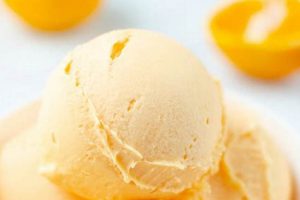
Dairy-based ice cream is a common topping. Plant-based ice cream options, including those made from coconut, soy, cashew, or almond, offer a direct substitute. The selection should align with the overall flavor profile of the dessert. For instance, coconut-based ice cream complements tropical fruit components effectively, while chocolate or vanilla-flavored alternatives offer versatility. Ensuring the chosen ice cream has a creamy texture is critical to replicating the mouthfeel of the original dessert.
- Gelatin Replacement
Traditional jellies often contain gelatin, an animal-derived product. Agar-agar, derived from seaweed, serves as a suitable plant-based alternative. The proper ratio of agar-agar to liquid is crucial for achieving the desired jelly texture. Varying the types of fruit juices or plant-based milk used in combination with agar-agar can create diverse flavors and colors within the jelly component.
- Ube Halaya Modification
Traditional purple yam jam typically incorporates dairy ingredients. A plant-based version can be created using coconut milk or other plant-based milk alternatives. The substitution necessitates careful monitoring of the cooking process to achieve the desired consistency, as plant-based milks may behave differently than dairy milk when heated. Adjustments to the sweetener levels may also be necessary to compensate for any differences in sweetness between dairy and plant-based ingredients.
Effective substitutions form the cornerstone of a successful vegan adaptation. The careful selection and application of plant-based alternatives not only caters to dietary restrictions but also ensures the preservation of the cultural significance and gustatory appeal of this renowned Filipino dessert.
2. Texture

The textural complexity of a Filipino dessert is integral to its appeal. In a dairy-free adaptation, the replication of diverse textures necessitates careful consideration of ingredient selection and preparation techniques.
- Shaved Ice Fineness
The consistency of the shaved ice significantly affects the overall mouthfeel. Finely shaved ice creates a smoother, more cohesive base, while coarser ice can provide a contrasting crunch. The type of ice shaving equipment used directly impacts the resultant texture; adjustments may be required to achieve the desired consistency with different machines.
- Jelly Firmness and Variety
Plant-based jellies, typically made with agar-agar, contribute a varied textural element. The firmness of the jellies should complement the other ingredients, avoiding excessive hardness or mushiness. Incorporating different shapes and sizes of jellies enhances the visual and tactile diversity of the dessert.
- Component Layering and Distribution
The manner in which the ingredients are layered affects the distribution of textures within the dessert. Alternating layers of soft and crunchy elements ensures a balanced textural experience with each spoonful. Careful consideration of ingredient placement prevents any single texture from dominating the overall sensation.
- Ice Cream Consistency
Plant-based ice cream can vary significantly in texture depending on the base ingredient and manufacturing process. Selecting an ice cream with a smooth, creamy consistency is crucial for replicating the mouthfeel of traditional dairy-based ice cream. Avoiding ice cream with an overly icy or grainy texture is paramount to maintaining the dessert’s overall quality.
These textural considerations directly influence the overall enjoyment of a dairy-free dessert. The skillful manipulation of ingredient textures ensures a satisfying and authentic culinary experience that closely mirrors the traditional version.
3. Sweetness

The sweetness profile is a critical element in the construction of any dessert, influencing palatability and overall sensory experience. In the context of a dairy-free adaptation of this Filipino dessert, achieving a balanced and nuanced sweetness becomes particularly important due to the absence of dairy components, which traditionally contribute to the perceived richness and moderation of sugary flavors.
- Source Selection and Impact
The selection of sweetening agents significantly alters the overall flavor profile. Refined sugars, such as white or brown sugar, provide a straightforward sweetness. Natural sweeteners, including agave nectar, maple syrup, or coconut sugar, contribute distinct flavor nuances that can complement the other ingredients. The choice influences not only the intensity but also the complexity of the sweet flavor notes.
- Sweetness Level Adjustment
The absence of dairy milk can lead to a perception of increased sweetness. Therefore, careful adjustment of the overall sweetness level is necessary to prevent the dessert from becoming overly cloying. This involves considering the inherent sweetness of fruits, jellies, and plant-based ice cream alternatives, and adjusting the addition of supplementary sweeteners accordingly. A balanced sweetness profile enhances the appreciation of other flavor elements.
- Balancing Acidity and Sweetness
The incorporation of acidic components, such as citrus fruits or certain pickled elements, can help to balance the sweetness. The interplay between sweet and acidic flavors creates a more complex and refreshing taste sensation. This approach is particularly useful in dairy-free versions, where the acidity can compensate for the lack of dairy-derived richness.
- Sweetness Distribution and Layering
The layering of ingredients with varying degrees of sweetness allows for a more nuanced sensory experience. Distributing the sweetest components strategically ensures that no single layer overpowers the overall flavor profile. This approach allows for a gradual build-up of sweetness, enhancing the appreciation of the other flavors present.
These considerations of sweetness sources, levels, balance, and distribution are paramount in crafting a palatable dairy-free rendition of this Filipino classic. The skillful manipulation of these factors ensures a satisfying and nuanced dessert experience, reflecting the authentic spirit of the traditional preparation while adhering to dietary restrictions.
4. Authenticity
The concept of authenticity, when applied to the adaptation of culinary traditions, presents a complex challenge. In the context of a plant-based version, maintaining the essence of the original dish requires a delicate balance between respecting cultural heritage and accommodating dietary restrictions. This exploration delves into specific facets that contribute to the perception of authenticity in this adaptation.
- Ingredient Sourcing and Substitution Accuracy
The selection of plant-based substitutes should prioritize flavors and textures that closely mimic the original ingredients. For instance, using ube extract in conjunction with purple sweet potato can replicate the flavor and color profile of traditional ube halaya. Sourcing ingredients from regions traditionally associated with Filipino cuisine can further enhance the perceived authenticity. Deviations from this principle risk diluting the culinary heritage embodied by the dish.
- Preservation of Flavor Profiles
Authenticity hinges on replicating the characteristic taste combinations of the original dessert. This involves careful attention to the balance of sweet, savory, and acidic elements. Utilizing traditional Filipino sweets, even in modified forms, and ensuring that plant-based alternatives do not introduce foreign or discordant flavors are crucial. Unintentional alterations to these core flavor profiles can significantly detract from the dish’s inherent identity.
- Cultural Context and Culinary Heritage
Beyond mere ingredient replication, the cultural narrative surrounding the dish contributes significantly to its perceived authenticity. Understanding the origins, preparation methods, and social significance of the traditional dessert is essential. Presenting the adapted version within its historical and cultural framework, while acknowledging the necessary modifications, helps to maintain a connection to its heritage. Disregarding this cultural context can render the dish a mere imitation, devoid of its deeper meaning.
- Visual Presentation and Traditional Aesthetics
The visual appeal of a Filipino dessert contributes to its overall perception. Maintaining traditional layering techniques, color palettes, and garnishes enhances the sense of authenticity. While some adaptation may be necessary due to ingredient substitutions, preserving the overall aesthetic presentation helps to connect the adapted version to its cultural roots. Drastic departures from established visual norms can diminish the perceived connection to the original dish.
These facets illustrate the multifaceted nature of authenticity in a culinary adaptation. Successfully navigating these considerations is vital for creating a plant-based version that not only adheres to dietary requirements but also honors the rich cultural heritage of the original Filipino dessert.
5. Presentation

Visual appeal holds significant importance in the enjoyment of desserts. In the context of a dairy-free version, the manner in which the elements are arranged and displayed contributes directly to its desirability and perceived authenticity, influencing consumer perception and satisfaction.
- Color Palette and Ingredient Visibility
The strategic arrangement of ingredients to showcase the diverse array of colors is crucial. Layering elements such as vibrant jellies, contrasting fruits, and the distinctive purple hue of ube halaya creates a visually stimulating effect. Transparency of the serving vessel can enhance this effect, allowing the consumer to appreciate the composition before tasting. The careful consideration of color combinations transforms the dish from a simple combination of ingredients into a visually engaging experience.
- Layering Techniques and Structural Integrity
The order in which ingredients are layered impacts both the aesthetic appeal and the structural stability of the dessert. Dense elements should be placed at the bottom to provide a foundation, while lighter components can be layered towards the top. The shaved ice, often a central element, should be distributed evenly to maintain its cooling effect throughout the dessert. A well-constructed structure prevents the ingredients from collapsing or becoming a homogenous mass, ensuring a visually appealing and texturally diverse experience.
- Garnish and Toppings as Visual Accents
The strategic use of garnishes and toppings adds a final layer of visual refinement. Toasted coconut flakes, chopped nuts, or a sprig of mint can provide contrasting textures and colors, enhancing the overall aesthetic. The placement of these accents should be deliberate, drawing the eye and complementing the other ingredients. These finishing touches elevate the dish from a simple dessert to a visually captivating culinary creation.
- Serving Vessel Selection and Impact
The choice of serving vessel significantly impacts the presentation. Clear glasses or bowls allow for a full appreciation of the layered ingredients, while opaque containers conceal the internal composition. The size and shape of the vessel should complement the dessert’s volume and structure. A well-chosen serving vessel enhances the visual appeal and contributes to the overall dining experience.
These elements collectively contribute to the overall sensory experience. By carefully considering the visual composition, the dairy-free rendition not only caters to dietary requirements but also elevates the dining experience through thoughtful presentation, reinforcing its appeal and perceived value.
6. Temperature
The temperature of components within a “vegan halo halo recipe” is a critical determinant of its overall success. Each element, from the shaved ice to the plant-based milk and various toppings, contributes to the desired chilling effect. Inadequate temperature control can lead to a rapid melting of the shaved ice, resulting in a diluted and less texturally appealing final product. Conversely, overly cold ingredients can diminish the subtle flavor nuances of the individual components. The intended serving temperature seeks to balance these opposing effects.
Specifically, the shaved ice acts as the primary cooling agent, requiring optimal fineness and temperature to maintain its structure while gradually chilling the other ingredients. Pre-chilling the plant-based milk and prepared ingredients, such as sweetened beans and jellies, minimizes the thermal shock when assembled with the ice. This prevents premature melting and allows for a more consistent overall temperature. Consider the practical example of using room-temperature coconut milk; its addition to shaved ice would accelerate the melting process, creating a watery consistency. Similarly, using plant-based ice cream directly from the freezer might result in a less integrated flavor profile, as its extreme cold could temporarily suppress taste receptors.
In conclusion, the precise regulation of temperature is essential for achieving the desired sensory experience with this dessert. Controlling the temperature of each component, followed by prompt consumption, ensures the integrity of its textural contrast and the harmonious blending of its varied flavors. Neglecting this aspect compromises both the aesthetic appeal and the gustatory satisfaction, undermining the intended refreshing nature of the dish.
Frequently Asked Questions
The following section addresses common inquiries regarding the preparation, ingredients, and variations involved in creating a plant-based version of a traditional Filipino dessert.
Question 1: What is the primary substitute for dairy milk in this adapted recipe?
Coconut milk, due to its high fat content and creamy texture, is frequently employed as a direct substitute for evaporated or condensed milk in these recipes. Other plant-based milks, such as almond or oat milk, may be used, but the resultant consistency and flavor profile will differ.
Question 2: Can agar-agar be reliably used in place of gelatin for the jellies?
Agar-agar is a suitable plant-derived alternative to gelatin. Strict adherence to the product-specific ratios of agar-agar to liquid is crucial for achieving the desired firmness and texture in the jellies.
Question 3: How can the sweetness level be effectively controlled in a dairy-free version?
The sweetness must be carefully monitored due to the absence of dairy, which can mask excessive sugar. The natural sweetness of fruits, plant-based milks, and other components should be considered before adding refined sugars or other sweeteners.
Question 4: What considerations should be made regarding the shaved ice consistency?
Finely shaved ice is preferred to ensure a smooth and cohesive texture. Coarsely shaved ice may result in an uneven distribution of temperature and a less palatable mouthfeel.
Question 5: Are there regional variations that influence the ingredient selection in a vegan version?
Yes, regional variations in available ingredients and traditional preferences can influence the selection of fruits, beans, and other components. Adapting the recipe to utilize locally sourced plant-based alternatives is acceptable, provided the core flavor profile is maintained.
Question 6: How can the visual appeal be optimized in the absence of traditional dairy-based toppings?
Strategic layering of colorful ingredients, the use of plant-based ice cream alternatives with contrasting hues, and the addition of garnishes such as toasted coconut flakes can enhance the visual appeal. A clear serving vessel allows for maximum appreciation of the layered composition.
These answers offer insight into the essential aspects of preparing a palatable and visually appealing dessert while adhering to plant-based dietary guidelines.
The following section will explore future trends and potential innovations within this niche of culinary adaptation.
Conclusion
This examination of “vegan halo halo recipe” has addressed essential considerations for its successful execution. Aspects such as ingredient substitutions, texture replication, sweetness calibration, and preservation of cultural authenticity have been explored. The importance of meticulous preparation techniques and ingredient selection for creating a satisfying and visually appealing plant-based version has been emphasized.
The ongoing evolution of culinary practices suggests that further innovation and refinement of this adaptation are probable. Continued exploration of novel plant-based ingredients and techniques holds the potential to enhance the accessibility and broaden the appeal of this traditionally non-vegan dessert, while remaining respectful of its cultural origins. The future trajectory should prioritize both adherence to dietary requirements and the preservation of the dish’s intrinsic characteristics.