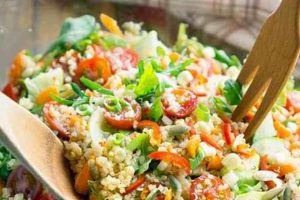
Cuisine originating from Greece, modified to exclude all animal products and derivatives, constitutes a specialized culinary category. This adaptation ensures adherence to vegan dietary principles while retaining the characteristic flavors and techniques associated with traditional Hellenic gastronomy. Dishes often incorporate plant-based ingredients such as vegetables, legumes, grains, and fruits in innovative ways, offering alternatives to meat, dairy, and eggs.
The reimagining of classic recipes for a vegan audience promotes both dietary diversity and ethical considerations within the culinary landscape. This approach provides individuals following a plant-based lifestyle the opportunity to experience the rich and varied flavors of Greek food, while simultaneously supporting sustainability and animal welfare initiatives. Historically, Greek cuisine has featured numerous naturally vegan dishes, making the transition to fully plant-based adaptations relatively seamless.
The subsequent sections will delve into specific examples of these modified recipes, exploring their nutritional profiles, preparation methods, and potential variations. These dishes represent both authentic adaptations of beloved Greek meals and entirely new creations inspired by the vibrant flavors of the region.
Culinary Guidance for Plant-Based Hellenic Fare
The following recommendations aim to facilitate the creation and enjoyment of authentic-tasting, plant-based Greek meals. Careful consideration of ingredient selection and preparation techniques is crucial for successful outcomes.
Tip 1: Embrace Legumes: Lentils, chickpeas, and fava beans form the cornerstone of many dishes. Utilize these protein-rich ingredients generously as substitutes for meat.
Tip 2: Leverage Olive Oil: Authentic Greek cuisine relies heavily on high-quality olive oil. Use it liberally in cooking, dressings, and as a finishing drizzle to enhance flavor and texture.
Tip 3: Master the Art of Lemon: Lemon juice brightens flavors and adds acidity to counter richness. Incorporate it in marinades, sauces, and as a final touch to salads and soups.
Tip 4: Explore Wild Greens: Horta, a variety of wild greens, are commonly used in Greek cooking. Experiment with spinach, dandelion greens, or mustard greens as viable alternatives.
Tip 5: Recreate Feta with Tofu: Firm or extra-firm tofu, marinated in lemon juice, olive oil, and herbs, can mimic the salty, crumbly texture of feta cheese.
Tip 6: Utilize Phyllo Dough Carefully: Many commercially available phyllo doughs are naturally vegan. However, verify ingredients to avoid products containing butter or honey.
Tip 7: Season Generously with Herbs: Oregano, dill, mint, and parsley are essential herbs. Use fresh herbs whenever possible for optimal aroma and flavor.
Adhering to these suggestions will enable the creation of flavorful and satisfying meals that capture the essence of Greek cuisine while remaining true to vegan principles.
The ensuing segments will provide detailed recipes, enabling readers to put these tips into practice and further explore the world of plant-based Greek gastronomy.
1. Legume Utilization

Legumes hold a central role in the realm of “vegan greek dishes,” serving as a substantial source of protein, fiber, and essential nutrients. Their versatility allows for their integration into various culinary preparations, effectively replacing meat and dairy components in traditional recipes. Their presence profoundly impacts the flavor profiles, textures, and nutritional value of adapted Hellenic meals.
- Fava as a Dip and Base
Fava, a pure made from yellow split peas, constitutes a traditional Greek appetizer. In its naturally vegan state, it showcases the inherent suitability of legumes in plant-based cuisine. Its creamy texture and earthy flavor profile lend themselves well to being served with pita bread, vegetables, or as a component in mezze platters. This dish exemplifies how minimal alteration is required to adapt existing Greek food for a vegan diet.
- Lentils as a Substantial Main Course
Lentil soup, or Fakes, is a staple in Greek households. This dish benefits from the naturally robust flavor and nutritional profile of lentils. When prepared without meat broth or dairy, it provides a hearty and satisfying main course rich in protein, iron, and fiber. Variations can include the addition of vegetables, such as carrots, celery, and tomatoes, further enhancing its nutritional value and flavor complexity.
- Chickpeas in Stews and Salads
Chickpeas are employed in stews like Revithosoupa (chickpea soup) and salads, providing a meaty texture and nutty flavor. These dishes showcase the ability of chickpeas to act as a satiating ingredient, mitigating the need for animal-based protein. Additionally, roasted chickpeas can be used as a crunchy topping or snack, adding textural contrast and nutritional value.
- Beans in Gigantes Plaki
Gigantes Plaki, a baked bean dish, features large white beans cooked in a tomato-based sauce. This dish traditionally relies on the natural creaminess of the beans and the sweetness of the tomatoes for its flavor. Replacing any animal-derived fats with olive oil maintains the richness while adhering to vegan principles. Gigantes Plaki demonstrates the adaptability of bean-based dishes to a plant-based diet without sacrificing flavor or texture.
The successful utilization of legumes in “vegan greek dishes” depends on understanding their individual properties and applying appropriate cooking methods. Their versatile nature allows for the recreation of classic flavors and textures, ensuring a satisfying and nutritious plant-based culinary experience. The continued exploration and innovative application of these ingredients will further solidify their position as a cornerstone of modified Hellenic gastronomy.
2. Olive Oil Quality

Olive oil is not merely an ingredient but a foundational element in Greek cuisine, profoundly influencing the taste, texture, and nutritional profile of its dishes. In the context of “vegan greek dishes,” the quality of olive oil assumes even greater importance, acting as a primary source of richness, flavor complexity, and healthy fats, which would otherwise be derived from animal products.
- Flavor Profile Enhancement
High-quality extra virgin olive oil contributes a distinct flavor profile, ranging from fruity and peppery to grassy and herbaceous. This nuanced taste elevates plant-based Greek dishes, providing a depth of flavor that compensates for the absence of meat or dairy. For instance, a drizzle of robust olive oil over a simple tomato and cucumber salad transforms it into a vibrant and complex dish, highlighting the oil’s ability to enhance the inherent flavors of fresh vegetables.
- Textural Contribution
Olive oil imparts a desirable mouthfeel to cooked and raw preparations. In salads, it emulsifies with lemon juice to create a light yet creamy dressing. When used for sauting vegetables, it prevents sticking and imparts a slight crispness. Its lubricating properties are particularly crucial in plant-based cooking, where it replaces the fats traditionally derived from animal sources, ensuring a satisfying texture in every bite. The texture becomes even more important to make a delightful vegan diet.
- Health Benefits Amplification
Beyond its culinary attributes, olive oil is renowned for its health benefits, including its high concentration of monounsaturated fats and antioxidants. These qualities are particularly valuable in “vegan greek dishes,” where olive oil serves as a primary source of essential fatty acids, promoting heart health and reducing inflammation. By choosing high-quality, minimally processed olive oil, individuals can maximize these health benefits while enjoying flavorful and satisfying meals.
- Culinary Versatility
The versatility of olive oil extends to various cooking methods, including sauting, roasting, grilling, and dressing. It can be used to marinate vegetables, imparting flavor and tenderness before cooking. It also serves as an excellent finishing oil, drizzled over cooked dishes to add a final layer of flavor and richness. This adaptability makes it an indispensable ingredient in any kitchen aiming to authentically recreate the flavors of plant-based Hellenic cuisine. Each application brings out unique properties, such as caramelization during roasting and enhanced aroma when used fresh.
In summary, the quality of olive oil significantly impacts the success and authenticity of “vegan greek dishes.” Its influence extends beyond mere flavoring, affecting the texture, nutritional value, and overall culinary experience. Therefore, selecting a high-quality olive oil is an investment in both the flavor and healthfulness of plant-based Greek meals, solidifying its pivotal role in this culinary tradition.
3. Fresh Herb Infusion

The strategic integration of fresh herbs is paramount in the creation of authentic and flavorful “vegan greek dishes.” In the absence of animal-derived ingredients, herbs serve as critical flavor components, providing depth, complexity, and aromatic appeal. The impact of fresh herb infusion extends beyond mere seasoning; it fundamentally shapes the sensory experience of plant-based Hellenic cuisine. Without the inclusion of specific, carefully selected herbs, the dishes can lack the characteristic brightness and savory notes that define Greek gastronomy. The effect is most pronounced when adapting traditional recipes that rely heavily on meat or dairy, where the herbs act as vital substitutes for the umami and richness typically associated with these ingredients.
Real-life examples underscore the practical significance of fresh herb infusion. Consider Horiatiki Salata (Greek salad), where the combination of ripe tomatoes, cucumbers, onions, and olives is elevated by the generous addition of fresh oregano. The oregano’s pungent aroma and earthy flavor contribute significantly to the salad’s overall taste, creating a balance of freshness and savoriness. Similarly, in vegan versions of Spanakopita (spinach pie), dill and mint are essential in compensating for the missing creaminess of feta cheese, adding a layer of herbaceousness that complements the earthy spinach filling. Moreover, herbs can play a role in simulating textures. For example, finely chopped herbs in a marinara with olives and mushrooms sauce make it taste almost the same as a ground beef bolognese sauce. These examples demonstrate that effective herb infusion is an active process, one that impacts both the taste and how the dish presents itself. The success of the transformation of animal to plants origins largely depends on the clever use of fresh herbs.
In conclusion, fresh herb infusion is not merely an optional step but an integral element in the construction of “vegan greek dishes.” Its careful application compensates for the absence of animal products, enhances the overall flavor profile, and ensures the authenticity of the culinary experience. The practical understanding of specific herb pairings and their transformative potential is crucial for chefs and home cooks alike, highlighting the essential role of herbaceous ingredients in reimagining Hellenic gastronomy for a plant-based audience. A challenge lies in maintaining the freshness and availability of these herbs, particularly in regions where certain varieties are not readily accessible, requiring innovative sourcing or cultivation strategies.
4. Tofu-Based Alternatives
The incorporation of tofu-based alternatives represents a significant adaptation in the creation of “vegan greek dishes.” In traditional Hellenic cuisine, dairy products, especially feta cheese, play a prominent role in many recipes. Tofu, a versatile soy-based protein, serves as a suitable substitute, mimicking the texture and fulfilling the protein contribution of these dairy elements. The effective implementation of tofu-based alternatives is not merely about replacing an ingredient; it involves carefully adjusting preparation techniques to achieve a palatable and authentic-tasting result. Without this adaptation, many classic dishes would lack a crucial element, altering the overall sensory experience. The success of this substitution lies in understanding the properties of tofu and manipulating them to emulate the desired characteristics of traditional Greek ingredients.
Practical applications demonstrate the effectiveness of tofu-based alternatives. For instance, in a vegan rendition of Spanakopita (spinach pie), crumbled and marinated tofu can successfully replicate the salty, crumbly texture of feta cheese. The tofu is typically pressed to remove excess water, then marinated in lemon juice, olive oil, and herbs such as oregano and dill to impart a flavor profile reminiscent of feta. Similarly, tofu can be used in vegan versions of Tiropita (cheese pie), where its firm texture provides a structural element similar to the traditional cheese filling. Additionally, silken tofu can be blended into sauces and dips, adding creaminess without the use of dairy products. These examples highlight the versatility of tofu and its ability to adapt to various culinary applications within the context of plant-based Greek cooking.
In conclusion, the utilization of tofu-based alternatives is a key element in the successful creation of “vegan greek dishes.” By understanding the properties of tofu and employing appropriate preparation techniques, it is possible to replicate the texture, flavor, and protein contribution of dairy products, ensuring that classic Greek dishes remain both flavorful and satisfying for vegan consumers. A challenge remains in educating consumers about the proper preparation of tofu to achieve optimal results, as well as addressing any potential concerns about soy consumption. Nonetheless, tofu stands as a valuable and versatile ingredient in the expanding landscape of plant-based Hellenic gastronomy.
5. Seasonal Vegetable Emphasis
The emphasis on seasonal vegetables is intrinsically linked to the authenticity and nutritional integrity of “vegan greek dishes.” Greek cuisine, traditionally, has always celebrated the availability of fresh, locally sourced produce. This focus intensifies in plant-based adaptations, where vegetables assume a more prominent role in flavor profiles and nutrient composition. The reliance on seasonal vegetables directly impacts the taste, texture, and overall quality of the meal. Produce harvested at its peak exhibits superior flavor intensity and nutrient density, enriching the culinary experience while maximizing health benefits.
Consider, for example, the utilization of ripe, summer tomatoes in a Horiatiki Salata. In contrast to bland, off-season tomatoes, those grown during the summer months possess a natural sweetness and acidity that elevate the salad to its full potential. Similarly, spring artichokes, when in season, contribute a unique, slightly bitter flavor to vegan stews and braised dishes, lending a distinct character that cannot be replicated with preserved or out-of-season alternatives. Practical applications extend to virtually every dish; from the incorporation of vibrant summer peppers in vegan moussaka to the inclusion of winter greens in hearty soups, seasonal availability dictates menu options and ensures the highest quality ingredients. Moreover, adherence to seasonal vegetables supports local agriculture and promotes sustainable food practices, aligning with ethical considerations often associated with veganism.
In conclusion, emphasizing seasonal vegetables is not merely a culinary preference but a foundational principle in the creation of authentic and nutritious “vegan greek dishes.” The practice enhances flavor profiles, maximizes nutrient density, supports sustainable agriculture, and enriches the overall dining experience. While challenges may arise in sourcing specific ingredients outside their respective seasons, the benefits of adhering to seasonal availability far outweigh the difficulties, solidifying its significance in this culinary context.
6. Phyllo Dough Verification
The process of verifying the composition of commercially available phyllo dough is critical in the context of creating plant-based Hellenic cuisine. While many assume phyllo is inherently vegan, certain formulations incorporate animal-derived ingredients, necessitating a rigorous verification process to ensure adherence to dietary principles. The integrity of the dish hinges upon this step, as the presence of non-vegan components would render the preparation unsuitable for its intended audience.
- Ingredient List Scrutiny
The primary method of verification involves a meticulous examination of the product’s ingredient list. Specifically, the presence of butter, eggs, honey, or dairy-derived emulsifiers must be identified and avoided. Examples of common ingredients to watch for include whey, casein, and clarified butter (ghee). The absence of these ingredients signifies a vegan-compatible phyllo dough. Product labels can vary, requiring careful and repeated inspection to confirm suitability. This scrutiny is especially important due to the potential for subtle variations in manufacturing processes across different brands and even within the same brand over time.
- Manufacturing Process Transparency
Ideally, obtaining information regarding the manufacturing process can further ensure the dough’s vegan status. Contacting the manufacturer directly to inquire about potential cross-contamination with non-vegan ingredients on shared production lines can mitigate risks. While ingredient lists provide a baseline, processing details offer a more comprehensive understanding of the product’s vegan integrity. Direct communication with manufacturers, where feasible, provides the most robust verification.
- Certification Label Recognition
Seeking out certified vegan labels from reputable organizations offers an additional layer of assurance. These certifications involve independent verification processes, confirming that the product meets specific criteria for vegan compliance. Examples of recognized certification labels include the Vegan Action logo and the Vegan Society logo. The presence of such a label significantly reduces the burden of individual ingredient scrutiny, providing a readily identifiable indicator of suitability.
- Homemade Alternatives
In situations where commercially available phyllo dough cannot be reliably verified as vegan, or as a measure to ensure complete control over ingredients, preparing phyllo dough from scratch presents a viable alternative. This approach allows for the exclusive use of plant-based ingredients, eliminating any ambiguity regarding the final product’s composition. While requiring more time and effort, homemade phyllo guarantees adherence to vegan principles and enables customization of the recipe to suit specific dietary needs.
The facets outlined underscore the importance of diligent verification in ensuring the vegan status of phyllo dough used in “vegan greek dishes.” Whether through careful ingredient list examination, direct manufacturer inquiry, certification label recognition, or homemade alternatives, a proactive approach is essential to maintain the integrity of plant-based culinary creations. Neglecting this aspect risks undermining the dietary principles and ethical considerations that underpin the practice of veganism within the context of Hellenic cuisine.
7. Lemon Juice Acidity

Lemon juice acidity constitutes a fundamental flavor component and culinary agent within plant-based Hellenic gastronomy. Its significance extends beyond mere flavoring, influencing the overall taste balance, texture, and preservation qualities of “vegan greek dishes.” The absence or inadequate application of lemon juice disrupts the intended flavor profile, potentially rendering the dish lacking in vibrancy and complexity. The acidity serves as a counterpoint to the richness of olive oil and the earthiness of vegetables and legumes, creating a harmonious flavor profile that defines many classic Greek preparations. Without this acidity, the dishes can taste flat or one-dimensional.
The practical applications of lemon juice acidity are diverse. In salads, such as Horiatiki, it acts as a key ingredient in the dressing, emulsifying with olive oil to create a light, tangy vinaigrette. In soups and stews, a squeeze of lemon juice brightens the flavors and adds a layer of complexity. Furthermore, lemon juice is often used as a marinade for tofu, helping to tenderize the protein and infuse it with a citrusy flavor that mimics the tang of feta cheese. As a preservative, lemon juice inhibits enzymatic browning in fruits and vegetables, maintaining their appearance and nutritional value. The strategic use of lemon juice acidity showcases a chef’s skill in transforming basic ingredients into complex and satisfying dishes. Specific Greek recipes call for lemon juice, such as Avgolemono. While the original requires eggs, the “vegan greek dishes” adaptation uses plant-based alternatives such as silken tofu to reach the same creamy consistencey
In conclusion, lemon juice acidity plays a multifaceted and indispensable role in crafting authentic and flavorful “vegan greek dishes.” Its skillful application contributes to taste balance, texture enhancement, and preservation. While challenges may arise in determining the precise amount of lemon juice required for each dish due to variations in ingredient sweetness and personal preference, its consistent presence remains a hallmark of plant-based Greek cuisine. Its contribution goes beyond simple flavor enhancement, actively shaping the culinary experience.
Frequently Asked Questions
The following questions address common inquiries regarding the preparation, ingredients, and nutritional aspects of Hellenic cuisine adapted for a vegan diet. It is essential to dispel misconceptions and provide clarity regarding this evolving culinary domain.
Question 1: Can traditional Greek flavors be authentically replicated without animal products?
Yes, the core flavor profiles can be achieved through strategic ingredient substitutions and careful attention to preparation techniques. The use of high-quality olive oil, fresh herbs, lemon juice, and appropriate plant-based alternatives can effectively emulate the desired taste and texture profiles of classic dishes.
Question 2: What are the primary plant-based protein sources used in “vegan greek dishes”?
Legumes, such as lentils, chickpeas, and beans, constitute the principal protein sources. Tofu, tempeh, and seitan also serve as valuable protein-rich ingredients, providing versatility in texture and flavor.
Question 3: How is the creaminess traditionally associated with dairy products achieved in vegan adaptations?
Plant-based alternatives, such as cashew cream, silken tofu, and blended white beans, can effectively replicate the creamy texture of dairy products in sauces, dips, and desserts. Careful seasoning and flavor balancing are crucial to achieving a satisfying result.
Question 4: Are gluten-free options readily available within the realm of “vegan greek dishes”?
While many traditional recipes incorporate wheat-based products, gluten-free variations are achievable through the use of alternative flours and grains, such as rice flour, almond flour, and quinoa. Attention to cross-contamination is essential for individuals with celiac disease or gluten intolerance.
Question 5: How does the nutritional value of vegan adaptations compare to traditional Greek cuisine?
When properly balanced, vegan adaptations can offer comparable or even superior nutritional profiles. Plant-based diets are often higher in fiber, vitamins, and minerals, while lower in saturated fat and cholesterol. Careful attention to protein and micronutrient intake is essential to ensure a balanced diet.
Question 6: Where can individuals find reliable resources for recipes and information on “vegan greek dishes”?
Numerous online resources, cookbooks, and culinary blogs specialize in plant-based cuisine, including specific adaptations of Greek recipes. Consulting reputable sources and experimenting with different techniques is encouraged to develop proficiency in this culinary domain.
In summary, the preparation of plant-based Hellenic meals requires informed ingredient selection, strategic adaptation of traditional techniques, and a commitment to maintaining authentic flavor profiles. With careful planning and execution, individuals can enjoy the rich and diverse flavors of Greek cuisine while adhering to vegan dietary principles.
The subsequent section will provide a comprehensive list of recommended resources for further exploration of this culinary subject.
Conclusion
The exploration of “vegan greek dishes” reveals a rich and adaptable culinary tradition. It underscores the potential for plant-based ingredients to successfully replicate the flavors and textures characteristic of Hellenic cuisine. Key elements, including legume utilization, olive oil quality, fresh herb infusion, tofu-based alternatives, seasonal vegetable emphasis, phyllo dough verification, and lemon juice acidity, are crucial to achieving authentic results. This adaptation offers a pathway for individuals adhering to vegan principles to experience the diverse and flavorful world of Greek gastronomy.
The ongoing evolution of “vegan greek dishes” signifies a commitment to both culinary innovation and dietary inclusivity. Continued exploration and refinement of plant-based techniques will further expand the possibilities within this culinary domain. By embracing these adaptations, individuals contribute to a more sustainable and ethically conscious food system, while preserving the rich traditions of Greek culinary heritage for future generations.