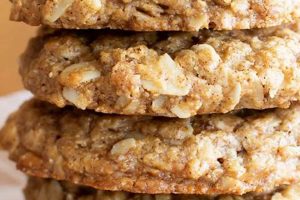
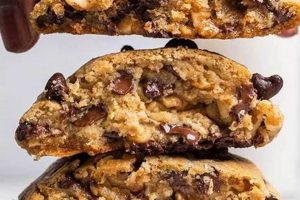
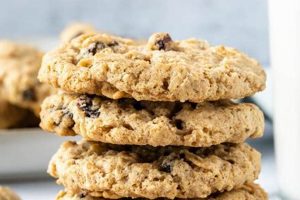
These baked goods represent a confluence of dietary preference and traditional flavor profiles. They are defined by the absence of animal products such as butter, eggs, and dairy milk, while maintaining the characteristic warm, spicy taste derived from ginger and other complementary spices. Common ingredients include plant-based butter alternatives, flaxseed or applesauce as egg replacements, and non-dairy milk options like almond or soy milk.
The appeal of these treats stems from several factors. Individuals following plant-based diets appreciate having access to familiar comfort foods that align with their ethical choices. Furthermore, some may find them a healthier alternative to conventional recipes, depending on the ingredients used, often containing less saturated fat and cholesterol. Historically, ginger-spiced biscuits have been enjoyed for centuries across various cultures, making this adaptation a natural progression of a beloved classic.
The following sections will delve into specific considerations for recipe development, ingredient selection, and techniques for achieving optimal texture and flavor in this specialized form of baked confection.
Tips for Optimal Results
Achieving exceptional quality in this particular type of baked product requires attention to detail and mindful ingredient selection. The following tips address key areas for improvement and optimization.
Tip 1: Spice Blend Precision: Employ freshly ground spices for enhanced aromatic intensity. Pre-ground spices lose potency over time. Measure spices accurately to maintain flavor balance, as excessive ginger or cloves can overpower other notes.
Tip 2: Fat Selection: Coconut oil, when solid, contributes to a chewier texture. Plant-based butter alternatives may provide a more traditional shortbread-like outcome. Consider the fat’s melting point and its impact on the final product.
Tip 3: Egg Replacer Considerations: Flaxseed meal mixed with water creates a binding agent. Applesauce adds moisture and sweetness. The choice depends on the desired texture and overall flavor profile.
Tip 4: Dough Chilling: Chilling the dough before baking prevents excessive spreading and enhances flavor development. A minimum of 30 minutes in the refrigerator is recommended.
Tip 5: Baking Time and Temperature: Precise baking is crucial. Overbaking leads to a dry, brittle product. Monitor the cookies closely and adjust baking time as necessary based on oven performance. A slightly underbaked cookie will retain more moisture and result in a softer texture.
Tip 6: Molasses Quality: Blackstrap molasses provides a robust, intense flavor; however, it can be overpowering. Light or dark molasses offers a milder sweetness. Choose based on preference.
Tip 7: Ingredient Temperature: Using room-temperature ingredients allows for better emulsion and incorporation, which contributes to a more uniform texture. This is especially important when using plant-based butter alternatives.
These strategies, when applied thoughtfully, will elevate the quality, flavor, and texture of the finished product.
The succeeding sections will provide information on storage and shelf-life extension techniques.
1. Spice Intensity

Spice intensity constitutes a primary determinant of the sensory experience derived from plant-based ginger-spiced biscuits. The deliberate selection and precise measurement of spices, notably ginger, cinnamon, cloves, and nutmeg, directly influence the resulting flavor profile. Insufficient spice quantities yield a bland, unremarkable product, while excessive amounts can result in an overpowering, unpleasant taste. For example, a recipe utilizing two teaspoons of ground ginger per cup of flour will exhibit a notably more pronounced ginger flavor compared to one using only a single teaspoon. The interplay between these spices is crucial; ginger provides warmth, cinnamon offers sweetness, and cloves contribute a subtle pungency. The careful balancing of these elements elevates the overall quality.
Understanding the impact of spice intensity allows for customization based on preference. Some individuals may favor a more subtle warmth, achievable by reducing the amount of ginger and increasing the cinnamon. Others might seek a pronounced, fiery profile through the addition of black pepper or cayenne pepper. The use of fresh versus ground spices also warrants consideration. Freshly grated ginger root imparts a brighter, more vibrant flavor than its dried, ground counterpart. The practical application of this knowledge lies in the ability to adapt recipes to individual palates, creating a unique and satisfying baked good. This nuanced approach to spicing contributes to a superior final product.
In summary, spice intensity is an essential component dictating the character of plant-based ginger-spiced biscuits. Precise measurement, a balanced blend, and informed decisions regarding spice form (fresh versus ground) are paramount. Mastery of these techniques leads to consistent, desirable results and provides the flexibility to tailor recipes to specific tastes. The challenge lies in achieving a harmony between the individual spices, ensuring that no single element dominates the overall flavor profile, therefore promoting harmony and balance of its essence.
2. Texture Optimization

Texture optimization in plant-based ginger-spiced biscuits directly influences palatability and overall product acceptance. The absence of traditional binding agents like eggs and dairy necessitates a careful manipulation of alternative ingredients to achieve desired textural characteristics. Factors such as the type and quantity of fat, the choice of flour, and the inclusion of moisture-binding agents all play a crucial role. For instance, using coconut oil in its solid form contributes to a chewier texture, whereas a liquid oil may result in a flatter, crisper outcome. The inclusion of flaxseed meal or applesauce acts as an egg replacement, providing necessary moisture and binding properties. Improper balancing of these elements leads to undesirable textures, such as excessive dryness, crumbliness, or a gummy consistency.
Achieving optimal texture requires a thorough understanding of the functional properties of various plant-based ingredients. The selection of gluten-free flours, such as oat or almond flour, often necessitates the addition of binding agents like xanthan gum to mimic the elasticity provided by gluten. Overmixing the dough, irrespective of the flour type, can lead to a tough product. Conversely, undermixing may result in a crumbly texture that lacks structural integrity. Baking time and temperature also significantly impact texture; overbaking can result in a dry, brittle outcome, while underbaking leads to a doughy, undercooked center. A practical example is adjusting the baking time based on altitude, as higher altitudes require shorter baking times due to increased moisture evaporation.
In summary, texture optimization is paramount in creating appealing plant-based ginger-spiced baked goods. The careful selection and precise measurement of ingredients, coupled with appropriate mixing and baking techniques, are critical for achieving a desirable texture. The challenges in this area lie in replicating the textural attributes of conventional recipes without the use of animal-derived ingredients. Addressing these challenges allows for the creation of plant-based treats that are not only ethically sound but also sensorially satisfying, thereby expanding their appeal to a broader consumer base.
3. Sweetener Selection
The selection of sweeteners in plant-based ginger-spiced biscuits fundamentally impacts the final product’s taste, texture, and moisture content. The absence of refined sugar is a common preference within the vegan community, necessitating the use of alternative sweetening agents. The following facets explore the nuances of this critical ingredient choice.
- Molasses Profile
Molasses, a byproduct of sugar refining, is frequently employed in these recipes. Its dark color and robust flavor contribute to the characteristic spiciness and moist texture. Blackstrap molasses provides an intense, somewhat bitter taste, while light molasses offers a milder sweetness. The choice affects the overall flavor intensity and the color of the final product. The moisture content of molasses also influences the dough’s hydration levels, requiring adjustments to other liquid ingredients.
- Maple Syrup Considerations
Maple syrup imparts a distinct, nuanced sweetness and contributes to a soft, chewy texture. The grade of maple syrup affects its flavor profile; darker grades possess a stronger, more pronounced maple flavor. Its liquid form adds moisture to the dough, requiring careful balancing with dry ingredients to prevent excessive spreading during baking. The use of pure maple syrup aligns with the preference for natural, unrefined sweeteners.
- Date Syrup Attributes
Date syrup, derived from dates, offers a natural sweetness and a slightly caramel-like flavor. It is a less refined option than granulated sugar and contributes a dense, moist texture. Its high viscosity necessitates careful incorporation into the dough to ensure even distribution. Date syrup also provides additional nutritional value, including fiber and minerals, aligning with health-conscious preferences.
- Coconut Sugar Implications
Coconut sugar, derived from coconut palm sap, offers a granulated alternative to liquid sweeteners. It provides a subtle caramel-like flavor and a slightly coarser texture. Its lower glycemic index compared to refined sugar is a purported benefit for blood sugar management, although further research is required. The use of coconut sugar can result in a slightly drier biscuit compared to recipes using liquid sweeteners, requiring adjustments to the hydration levels.
The judicious selection of sweeteners is integral to the successful formulation of plant-based ginger-spiced biscuits. The choice impacts not only the taste but also the texture, color, and overall nutritional profile of the finished product. An informed decision requires a thorough understanding of the properties and implications of each available sweetening agent.
4. Gluten Alternatives

The incorporation of gluten alternatives into vegan ginger spice cookies addresses both dietary restrictions and textural considerations. Traditional ginger spice cookie recipes rely on gluten-containing wheat flour for structure and elasticity. However, individuals with celiac disease, gluten intolerance, or those adhering to a gluten-free diet necessitate the substitution of wheat flour with alternative options. The selection of specific gluten-free flours directly influences the texture, flavor, and structural integrity of the resulting baked product. For example, a blend of rice flour, tapioca starch, and potato starch can mimic the binding properties of wheat flour to some extent, but may lack the characteristic chewiness associated with gluten. The specific proportions of these flours are crucial to avoid an overly dry or gummy texture.
Practical application of gluten alternatives requires careful consideration of the unique properties of each flour. Almond flour, for example, contributes a slightly nutty flavor and a denser texture, which may be desirable in certain variations of ginger spice cookies. Oat flour provides a softer texture but can become gummy if overmixed. Coconut flour is highly absorbent and requires significant adjustments to liquid ratios. A successful gluten-free vegan ginger spice cookie recipe often involves a combination of several flours to balance the strengths and weaknesses of each. Furthermore, the addition of binding agents like xanthan gum or psyllium husk can improve the dough’s elasticity and prevent crumbling. The effect of these alternatives is the ability to create plant-based, gluten-free items without sacrificing the structure of this popular recipe
In summary, gluten alternatives are an essential component in producing vegan ginger spice cookies suitable for individuals with specific dietary needs. The choice of flour or flour blend necessitates a careful understanding of each ingredient’s properties and their impact on the final product’s texture and flavor. While challenges exist in replicating the exact characteristics of wheat flour-based cookies, informed selection and appropriate adjustments can yield a satisfying and inclusive treat. The implications of this adaptation extend beyond mere recipe modification, enabling broader accessibility and enjoyment of a beloved culinary tradition.
5. Shelf Stability

Shelf stability, the extent to which a product retains its desired qualities over time under specified storage conditions, is a critical consideration for plant-based ginger-spiced biscuits. The absence of animal-derived ingredients, while ethically and nutritionally beneficial, can present unique challenges to shelf life. Reduced moisture content in the finished product, proper storage conditions, and the inclusion of specific ingredients all directly influence the longevity of these baked goods. Improper handling or storage leads to deterioration, impacting texture, flavor, and overall palatability. A practical example illustrates this point: cookies stored in an airtight container at room temperature typically maintain acceptable quality for approximately one week, while those left exposed to air may become stale within a few days due to moisture absorption.
The factors affecting shelf stability are multifaceted. High sugar content, acting as a humectant, helps retain moisture, thereby slowing the staling process. The type of fat used also plays a role; coconut oil, for instance, tends to solidify at cooler temperatures, potentially impacting texture and mouthfeel over time. Furthermore, the thoroughness of the baking process is crucial. Underbaked cookies retain excess moisture, fostering microbial growth and reducing shelf life. From a practical standpoint, commercial producers often incorporate preservatives or modified atmosphere packaging to extend the shelf life of these products. Consumers can extend the shelf life at home by ensuring cookies are cooled completely before storage, using airtight containers, and avoiding exposure to direct sunlight or heat.
In conclusion, shelf stability is a central determinant of the quality and commercial viability of plant-based ginger-spiced biscuits. Careful attention to ingredient selection, manufacturing processes, and storage conditions is essential to maximize product longevity and consumer satisfaction. Overcoming the challenges associated with maintaining acceptable shelf life in the absence of animal-derived preservatives requires a comprehensive understanding of food science principles and their application to plant-based baking. These principles directly impact the viability of commercial production and at-home baking scenarios.
Frequently Asked Questions
The following section addresses common inquiries regarding the characteristics, preparation, and storage of plant-based ginger-spiced biscuits. These answers are intended to provide clarity and guidance for both novice and experienced bakers.
Question 1: Are vegan ginger spice cookies inherently healthier than their traditional counterparts?
The health profile of plant-based ginger-spiced biscuits varies significantly depending on the ingredients used. Substituting butter with coconut oil, for instance, may reduce cholesterol but increase saturated fat content. The use of refined sugars remains a primary determinant of overall healthfulness, irrespective of the presence or absence of animal products. It is crucial to evaluate the specific ingredients and nutritional information rather than assume inherent health benefits.
Question 2: What is the best way to prevent vegan ginger spice cookies from becoming too dry?
Dryness in plant-based ginger-spiced biscuits is often attributable to insufficient moisture or overbaking. Increasing the proportion of liquid ingredients, such as applesauce or molasses, can help retain moisture. Additionally, reducing the baking time and closely monitoring the cookies during baking is recommended. Storing the finished product in an airtight container further minimizes moisture loss.
Question 3: Can gluten-free flour be substituted directly for wheat flour in vegan ginger spice cookie recipes?
A direct substitution of gluten-free flour for wheat flour is generally not advisable. Gluten-free flours lack the binding properties of gluten, often resulting in a crumbly or dry texture. The addition of binding agents, such as xanthan gum or psyllium husk, is typically necessary to compensate for the absence of gluten.
Question 4: How does the type of plant-based milk affect the flavor and texture of vegan ginger spice cookies?
The type of plant-based milk influences both flavor and texture. Almond milk, for instance, imparts a subtle nutty flavor and tends to result in a slightly drier texture. Soy milk provides a neutral flavor and contributes to a moister texture. Coconut milk adds a distinct coconut flavor and can increase the fat content of the recipe. The selection of plant-based milk should align with the desired flavor profile and textural characteristics.
Question 5: What is the optimal storage method for maintaining the crispness of vegan ginger spice cookies?
Maintaining crispness requires preventing moisture absorption. The cookies should be cooled completely before storage and placed in an airtight container. Adding a desiccant, such as a silica gel packet, can further minimize moisture accumulation. Storing the container in a cool, dry environment is also recommended.
Question 6: How can the intensity of ginger flavor be adjusted in vegan ginger spice cookie recipes?
The intensity of ginger flavor is directly proportional to the amount of ginger used. Increasing or decreasing the quantity of ground ginger is the most straightforward method of adjustment. Additionally, using freshly grated ginger root provides a more pronounced and vibrant flavor compared to ground ginger.
These FAQs provide a foundation for understanding common challenges and considerations in the preparation of plant-based ginger-spiced baked goods. Applying these principles will contribute to improved results and greater consistency.
The subsequent section will address advanced techniques for maximizing flavor and texture in this specialized form of baked confection.
Conclusion
The preceding exploration of vegan ginger spice cookies has elucidated critical aspects pertaining to their creation, characteristics, and optimization. Topics discussed include spice intensity, texture manipulation, sweetener selection, gluten alternatives, and shelf stability. Each element exerts a substantial influence on the final product, necessitating a comprehensive understanding for consistent and desirable results.
The ongoing refinement of plant-based baking techniques promises continued advancement in the quality and accessibility of vegan ginger spice cookies. Further investigation into novel ingredients and innovative methodologies will undoubtedly yield further improvements, broadening their appeal and ensuring their place as a satisfying and ethically conscious culinary option. Therefore, meticulous experimentation and informed adaptation remain paramount for continued success in this evolving domain.