This culinary creation offers a plant-based alternative to a traditionally dairy-heavy condiment. It replicates the creamy, savory flavor profile associated with classic Italian-American cuisine while adhering to vegan dietary principles. Its composition typically involves ingredients like cashews, nutritional yeast, garlic, and plant-based milk, blended to achieve a smooth, rich texture.
The appeal of this modified sauce lies in its inclusivity and health-conscious nature. It allows individuals following vegan or dairy-free diets to enjoy familiar flavors without compromising their dietary restrictions. Furthermore, by replacing dairy with plant-based alternatives, it often boasts a lower saturated fat content and eliminates cholesterol, potentially offering cardiovascular benefits. Its rise in popularity reflects a growing awareness of dietary choices and their impact on both personal health and environmental sustainability.
The following sections will delve deeper into the specific ingredients used in its preparation, explore various methods for its creation, and outline some popular applications in vegan cooking, expanding upon its versatility and culinary significance.
Preparation and Usage Guidelines
Optimizing the preparation and application of this vegan alternative ensures a desirable culinary outcome. Adherence to the following guidelines can significantly enhance the overall dining experience.
Tip 1: Ingredient Quality: Employing high-quality ingredients, particularly fresh garlic and raw cashews, contributes significantly to the sauce’s flavor depth and creamy texture.
Tip 2: Cashew Preparation: Soaking raw cashews in hot water for at least 30 minutes, or ideally overnight, softens them, facilitating a smoother blend and a creamier consistency.
Tip 3: Nutritional Yeast Measurement: Exercise caution when adding nutritional yeast. Begin with a smaller quantity and incrementally increase to achieve the desired cheesy flavor, avoiding overpowering the sauce.
Tip 4: Garlic Roasting: Roasting garlic before incorporating it into the recipe imparts a mellower, sweeter flavor compared to using raw garlic, preventing a harsh or acrid taste.
Tip 5: Blending Technique: Utilize a high-speed blender for a completely smooth sauce. If a standard blender is used, blending for a longer duration may be required, and straining the sauce can remove any remaining grit.
Tip 6: Seasoning Adjustments: Taste and adjust seasonings as needed. Lemon juice or apple cider vinegar can add brightness, while a pinch of red pepper flakes can introduce a subtle heat.
Tip 7: Storage Considerations: Store the prepared sauce in an airtight container in the refrigerator for up to five days. The sauce may thicken upon refrigeration; adding a small amount of plant-based milk when reheating can restore its original consistency.
By carefully considering these suggestions, the preparation of this particular sauce can be optimized to deliver a flavor profile closely resembling its dairy-based counterpart, while remaining compliant with vegan dietary standards.
The subsequent sections will explore various recipe variations and serving suggestions, further expanding on the practical applications of this versatile condiment.
1. Creamy Texture

The creamy texture is a defining characteristic of a successful plant-based garlic parmesan sauce, significantly impacting its palatability and overall appeal. This textural element is not merely a superficial attribute but a fundamental component that contributes to the sauce’s ability to coat surfaces evenly, cling to pasta, and provide a satisfying mouthfeel. The absence of creaminess can result in a thin, watery sauce lacking the richness and indulgence expected from a parmesan-style topping.
Achieving this desired texture necessitates careful consideration of ingredients and preparation methods. Raw cashews, when properly soaked and blended, serve as the primary base for emulating creaminess. Soaking softens the cashews, enabling them to break down into a smooth, luxurious consistency during blending. Furthermore, the use of a high-powered blender is crucial to ensure a completely homogenous mixture, free from any graininess or residual cashew particles. The addition of plant-based milk, such as almond or soy milk, can further enhance the sauce’s smoothness and contribute to its overall liquidity. For example, if the recipe is made with limited liquid, it will not be the same texture.
In conclusion, the pursuit of a creamy texture is paramount when crafting a vegan garlic parmesan sauce. It is not simply an aesthetic consideration but an essential element that dictates the sauce’s effectiveness in replicating the sensory experience of its dairy-based counterpart. Mastering the techniques required to achieve this texture through proper cashew preparation, efficient blending, and judicious use of plant-based liquids is critical for producing a truly satisfying and versatile vegan condiment.
2. Garlic Intensity

Garlic intensity represents a pivotal element within vegan garlic parmesan sauce, profoundly impacting the sauce’s overall flavor profile and its ability to emulate the savory, umami-rich characteristics of traditional parmesan-based sauces. The degree of garlic presence, whether subtle or pronounced, dictates the sauce’s perceived depth and complexity, influencing its compatibility with various culinary applications. Insufficient garlic can result in a bland, unremarkable sauce, failing to deliver the expected aromatic punch, whereas excessive garlic can overwhelm the other flavors, creating an unbalanced and potentially acrid taste experience. Consider, for instance, a vegan pasta dish where the sauce’s garlic notes should complement, not dominate, the other ingredients.
The method of garlic preparation plays a crucial role in controlling garlic intensity. Raw garlic provides a pungent, sharp flavor, suitable for those seeking a bold, assertive taste. Conversely, roasting garlic transforms its flavor profile, yielding a sweeter, mellower, and more nuanced taste. This roasted garlic can be particularly desirable in instances where a more subtle, background garlic presence is preferred, as it prevents the sauce from becoming overpowering. The choice between raw and roasted garlic, therefore, directly affects the sauce’s overall flavor balance and its suitability for different dishes. One might choose raw garlic for a dipping sauce intended to be paired with crudits, whereas roasted garlic might be preferable for a sauce used to dress delicate vegetables or light pasta.
In conclusion, the careful management of garlic intensity constitutes a critical aspect of crafting a successful vegan garlic parmesan sauce. It is not merely a question of adding garlic but rather a deliberate calibration of flavor that requires considering both the quantity of garlic and its preparation method. A nuanced understanding of garlic’s impact on the sauce’s overall character is paramount for achieving a harmonious blend of flavors that both complements and enhances the other ingredients, ultimately contributing to a more satisfying and versatile culinary experience.
3. Cheesy Flavor

The emulation of cheesy flavor is a central objective in the creation of vegan garlic parmesan sauce. This flavor component is paramount in replicating the taste and sensory experience of traditional dairy-based parmesan sauces, thereby making the vegan alternative appealing to a broader audience.
- Nutritional Yeast as a Primary Component
Nutritional yeast, an inactive form of Saccharomyces cerevisiae, is a key ingredient contributing to the cheesy flavor profile. Its naturally savory and umami-rich characteristics mimic the taste of aged cheese. In the formulation of vegan garlic parmesan sauce, nutritional yeast provides the foundation upon which other flavors are built. Its absence significantly diminishes the sauce’s resemblance to its dairy-based counterpart, resulting in a less satisfying and authentic flavor experience.
- The Role of Fermentation Products
Some recipes incorporate fermented ingredients, such as miso paste or sauerkraut juice, to enhance the cheesy flavor. These ingredients contribute complex flavor compounds that mimic the tang and depth of fermented dairy products. While not always present, the inclusion of fermentation products adds a layer of sophistication and authenticity to the sauce, further approximating the taste of traditional parmesan.
- Flavor Synergies with Garlic and Nuts
The perceived “cheesiness” is not solely attributable to nutritional yeast or fermented ingredients. Flavor synergies between these elements, garlic, and nuts (typically cashews) contribute significantly to the overall impression. The savory notes of garlic and the creamy texture of blended nuts interact with the nutritional yeast to create a more complex and satisfying flavor profile. The absence of either garlic or a creamy base would significantly diminish the perception of cheesiness.
- Limitations and Subjective Perception
It is important to acknowledge that the “cheesy flavor” in vegan garlic parmesan sauce remains an approximation. While the sauce can effectively mimic the taste and mouthfeel of parmesan, it will not be an exact replica. The perception of cheesiness is also subjective and can vary based on individual taste preferences and prior experiences with dairy-based parmesan. However, by carefully selecting and combining ingredients known for their savory and umami characteristics, a compelling and palatable vegan alternative can be achieved.
The interplay between nutritional yeast, fermented elements, and flavor synergies underscores the complexity of replicating the cheesy flavor in vegan applications. While limitations exist, a well-crafted recipe can yield a remarkably satisfying sauce that captures the essence of traditional garlic parmesan, offering a flavorful and inclusive alternative for diverse dietary needs and preferences.
4. Nutritional profile
The nutritional profile of vegan garlic parmesan sauce is a significant point of differentiation from its dairy-based counterpart. The shift from dairy ingredients to plant-based alternatives results in notable changes in macronutrient composition, micronutrient content, and overall health implications. This analysis will examine key facets of this altered nutritional landscape.
- Saturated Fat Content
Traditional parmesan cheese is high in saturated fat, which is associated with increased risk of cardiovascular disease. Vegan versions typically use cashews or other nuts as a base, which have a higher proportion of unsaturated fats. This substitution reduces the overall saturated fat content, contributing to a potentially healthier lipid profile. For instance, a serving of dairy parmesan might contain 5-8 grams of saturated fat, while a similar serving of the plant-based alternative could have 1-3 grams.
- Cholesterol Levels
Dairy parmesan contains cholesterol, a sterol found in animal products. Vegan garlic parmesan sauce, being entirely plant-based, is cholesterol-free. This absence of cholesterol can be particularly beneficial for individuals managing cholesterol levels or adhering to specific dietary guidelines for heart health. Cholesterol consumption recommendations often advise limiting intake to reduce potential cardiovascular risks, making the vegan option a suitable alternative.
- Sodium Content
Both traditional and vegan versions of garlic parmesan sauce can be high in sodium, depending on the ingredients used. Parmesan cheese itself is a naturally salty product, and salt is often added to vegan versions for flavor enhancement. Excessive sodium intake is linked to hypertension, therefore careful monitoring of sodium content is crucial. Some vegan recipes may utilize lower-sodium ingredients or techniques to mitigate this concern, but comparison of nutrition labels is necessary.
- Micronutrient Composition
Vegan garlic parmesan sauce may offer a different spectrum of micronutrients compared to its dairy counterpart. Nutritional yeast, a common ingredient in vegan parmesan, is a source of B vitamins, including vitamin B12, which is often lacking in vegan diets. Cashews provide minerals such as magnesium and zinc. However, dairy parmesan is a significant source of calcium, which may need to be supplemented or obtained from other dietary sources when consuming the vegan alternative. A balanced nutritional strategy is essential to ensure adequate intake of all necessary micronutrients.
The nutritional profile of vegan garlic parmesan sauce presents both advantages and considerations. The reduction in saturated fat and elimination of cholesterol offer potential benefits for cardiovascular health. However, attention to sodium content and the inclusion of adequate sources of calcium are essential for a nutritionally balanced diet. Ultimately, informed choices and careful recipe selection are key to maximizing the health benefits of this plant-based alternative.
5. Versatile applications
The ability of vegan garlic parmesan sauce to seamlessly integrate into a wide array of culinary contexts underscores its significance as a versatile condiment. This adaptability stems from its capacity to mimic the savory, umami-rich profile of traditional parmesan-based sauces while adhering to plant-based dietary restrictions. The connection between versatility and its inherent flavor characteristics creates a cause-and-effect relationship; its desirable taste profile directly expands its potential applications. Without this flavor similarity, its use would be considerably limited. As a component, versatility elevates the sauce from a niche product to a staple ingredient within vegan and vegetarian cooking.
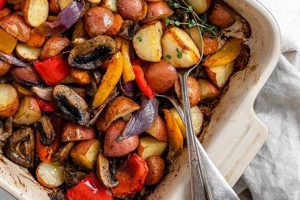
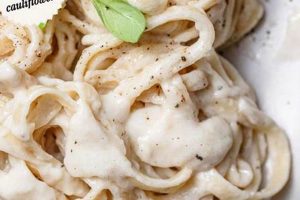
Examples of practical applications abound. It serves as an effective coating for roasted vegetables, imparting a savory crust and enhancing their overall palatability. When tossed with pasta, it creates a creamy, flavorful sauce that rivals traditional Alfredo or parmesan-based dishes. Its use extends to pizza, where it can replace traditional tomato sauce or be drizzled over the finished product for added richness. Furthermore, it functions as a dip for breadsticks, vegetables, or vegan appetizers, offering a plant-based alternative to conventional creamy dips. Beyond established uses, chefs and home cooks are continually exploring its potential in novel applications, such as incorporating it into vegan gratins, using it as a base for creamy soups, or even employing it as a marinade for tofu or tempeh. The continuous discovery of new uses reinforces its standing as a highly adaptable ingredient.
In summary, the versatility of vegan garlic parmesan sauce is not merely a desirable attribute; it is a defining characteristic that directly influences its relevance and widespread adoption. Its ability to substitute for dairy-based sauces across a broad spectrum of dishes and applications establishes its importance within plant-based cooking. While challenges may arise in achieving consistency across different preparations, its adaptability ultimately positions it as a valuable and enduring ingredient in the evolving culinary landscape. The understanding of this versatility is practically significant for both chefs and home cooks seeking to expand their repertoire of vegan-friendly recipes.
Frequently Asked Questions
The following questions address common inquiries and misconceptions regarding vegan garlic parmesan sauce, providing clear and concise answers to enhance understanding of its properties and applications.
Question 1: What constitutes the primary difference between vegan garlic parmesan sauce and its traditional counterpart?
The fundamental distinction lies in the substitution of dairy-based ingredients with plant-derived alternatives. Traditional sauce relies on parmesan cheese, butter, and cream, whereas vegan versions typically utilize cashews, nutritional yeast, and plant-based milk to achieve a similar flavor and texture profile.
Question 2: Is it possible to achieve an authentic “cheesy” flavor without using dairy?
While an exact replication of dairy cheese is not achievable, nutritional yeast provides a savory, umami-rich flavor that closely mimics the taste of aged cheese. The addition of other ingredients, such as garlic and nuts, further enhances the perception of cheesiness.
Question 3: How does the shelf life of vegan garlic parmesan sauce compare to that of traditional sauce?
Vegan garlic parmesan sauce typically has a shorter shelf life than traditional sauce due to the absence of preservatives found in some dairy products. Refrigeration is essential, and the sauce should be consumed within 3-5 days for optimal quality.
Question 4: Can individuals with nut allergies consume vegan garlic parmesan sauce?
Many vegan recipes rely on nuts, particularly cashews, for creaminess. Individuals with nut allergies should carefully review ingredient lists or seek out nut-free recipes that utilize alternative bases, such as sunflower seeds or white beans.
Question 5: What are the primary nutritional benefits of opting for vegan garlic parmesan sauce?
Vegan alternatives are typically lower in saturated fat and cholesterol than traditional sauce. They may also provide a source of B vitamins from nutritional yeast and minerals from nuts and seeds.
Question 6: Does the versatility of vegan garlic parmesan sauce differ from that of traditional sauce?
The versatility remains comparable, with vegan sauce being suitable for pasta dishes, vegetable toppings, dips, and pizza applications. The primary limitation may be the perception of flavor authenticity among individuals accustomed to traditional parmesan.
These FAQs provide a foundation for understanding the characteristics, benefits, and limitations of vegan garlic parmesan sauce. Continued research and experimentation can further expand its culinary applications and enhance its appeal.
The subsequent sections will offer detailed recipes and preparation techniques for crafting vegan garlic parmesan sauce, enabling readers to apply this knowledge in practical settings.
Conclusion
This exploration of vegan garlic parmesan sauce has illuminated its multifaceted nature, encompassing its ingredients, preparation techniques, nutritional attributes, and diverse culinary applications. The analysis has underscored its potential as a plant-based alternative to traditional dairy-heavy sauces, acknowledging both its advantages and limitations in terms of flavor replication and nutritional profile.
The increasing demand for vegan options suggests a continued evolution and refinement of recipes for vegan garlic parmesan sauce. Further innovation in ingredient selection and preparation methods holds the promise of even closer approximations to the authentic flavor and texture of parmesan cheese, broadening its appeal and solidifying its place in the culinary landscape. The pursuit of both flavor accuracy and nutritional optimization should remain central to its future development.