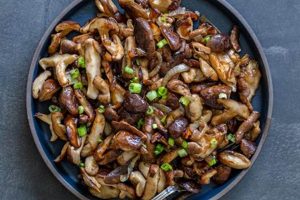
Culinary adaptations of classic Gallic cuisine, excluding all animal products, represent a growing field of innovation. These preparations adhere to a plant-based ethos, substituting ingredients like butter, cream, and eggs with plant-derived alternatives, while maintaining the integrity of traditional French flavors and techniques. Examples include variations of Crme brle using cashew cream or aquafaba-based meringues.
The rise of plant-based diets globally has fueled interest in reinventing familiar comfort foods in accessible and ethical ways. This culinary movement offers health benefits related to reduced saturated fat and cholesterol intake, while simultaneously appealing to environmentally conscious consumers. Historically, French cuisine has relied heavily on animal products, rendering these transformations significant in shifting perceptions of what constitutes authentic French gastronomy.
The subsequent sections will explore specific examples of these adaptations, examining both sweet and savory dishes. A detailed analysis of ingredient substitutions, preparation techniques, and flavor profiles will be provided, offering a comprehensive understanding of this culinary trend.
Tips for Mastering Plant-Based French Cuisine
Successfully adapting classic French recipes to a vegan format requires attention to detail and an understanding of ingredient functionality. The following guidance offers practical insights for achieving authentic flavors and textures without animal products.
Tip 1: Understand Egg Replacement Techniques: Egg yolks contribute richness and emulsification. Employ silken tofu for custards, aquafaba (chickpea brine) for meringues, and flaxseed meal mixed with water as a binding agent in cakes and pastries. Proportional adjustments are crucial for optimal results.
Tip 2: Emulate Butter’s Qualities with Plant-Based Fats: Butter provides flavor and contributes to flakiness in pastries. High-quality vegan butter alternatives, coconut oil (for certain applications), or a blend of olive oil and nut butter can substitute, though flavor profiles may differ. Experiment to find the most suitable option for each recipe.
Tip 3: Create Rich Sauces Using Cashews or White Beans: Cream-based sauces are a staple. Soaked and blended cashews or white beans, strained for smoothness, can create creamy textures. Nutritional yeast adds a savory, umami flavor often associated with cheese.
Tip 4: Master Flavor Layering with Herbs and Spices: Because some umami is lost without animal products, emphasize aromatic herbs such as thyme, rosemary, and bay leaf. Incorporate flavorful additions like sauted mushrooms or sun-dried tomatoes for depth.
Tip 5: Explore Vegan Wine Pairings: Not all wines are vegan due to fining agents used in production. Research and select certified vegan wines to complement the meal and enhance the overall dining experience.
Tip 6: Be Mindful of Texture and Mouthfeel: Pay close attention to the texture of plant-based ingredients. Achieving desired consistencies requires careful preparation and technique. For example, agar-agar or carrageenan can be used as gelling agents for desserts and sauces.
Tip 7: Embrace Plant-Based Charcuterie Alternatives: Replace traditional meats with vegetable-based pates, marinated mushrooms, or even carefully crafted seitan. Consider presentation to ensure aesthetic appeal.
Adhering to these guidelines facilitates the creation of authentic-tasting plant-based French dishes. Successful vegan adaptations rely on an understanding of both traditional culinary methods and the properties of plant-derived ingredients.
The subsequent discussion will shift towards specific recipes, highlighting the practical application of these techniques and further refining the approach to vegan French cuisine.
1. Ingredient Substitution

Ingredient substitution is the foundational principle in adapting traditional French recipes to a vegan framework. It necessitates a thorough understanding of the roles that animal-derived products play in the original recipes, followed by the identification of plant-based alternatives capable of replicating those functional properties. Accuracy in substitution is crucial for preserving the intended texture, flavor, and structural integrity of the final dish.
- Dairy Alternatives in Sauces and Creams
Traditional French sauces frequently rely on dairy cream for richness and emulsification. Substitutions include cashew cream (made from blended soaked cashews), coconut cream, or commercially available plant-based creams. The choice of substitute impacts the final flavor profile; cashew cream offers a neutral base, while coconut cream imparts a subtle coconut flavor. White bean pure can also be used to make rich, creamy sauces. Careful consideration of fat content and water ratios is necessary to achieve the desired consistency.
- Egg Replacements in Baking
Eggs serve multiple functions in French baking, acting as binders, leaveners, and emulsifiers. Aquafaba, the liquid from canned chickpeas, can be whipped into a meringue resembling egg whites. Flaxseed meal mixed with water provides binding in cakes and cookies. Commercial egg replacers, often composed of starch and vegetable gums, offer versatility across various baked goods. Successful egg replacement requires understanding the specific role eggs play in the original recipe and selecting the appropriate plant-based alternative accordingly.
- Butter Substitutions in Pastries
Butter is critical in many French pastries, contributing to flakiness, richness, and flavor. Vegan butter alternatives, often formulated with plant-based oils, are the most direct substitute. Coconut oil, when used cold, can provide a similar flakiness in pie crusts. The moisture content of the substitute must be considered, as it influences gluten development and dough consistency. A blend of plant-based fats may be necessary to mimic the complex properties of butter effectively.
- Meat Analogues in Main Courses
Many classic French main courses feature meat. Substitutes may include tofu, tempeh, seitan, or commercially available plant-based meat alternatives. Tofu and tempeh readily absorb marinades, allowing for the infusion of traditional French flavor profiles. Seitan, made from wheat gluten, offers a chewier texture. The texture and flavor of meat substitutes often require enhancement through careful preparation and seasoning to achieve a palatable result.
The process of ingredient substitution in vegan French cooking necessitates a blend of scientific understanding and culinary artistry. By carefully analyzing the role of each ingredient and selecting appropriate plant-based alternatives, it is possible to recreate the essence of classic French dishes while adhering to ethical and dietary restrictions.
2. Technique Adaptation

Technique adaptation represents a critical component in the successful execution of vegan French recipes. The transition from traditional French cooking, heavily reliant on animal products, to plant-based alternatives often necessitates modified or entirely novel preparation methods. These adjustments are not merely superficial substitutions; they are fundamental shifts in how ingredients are processed to achieve desired textures, flavors, and structural integrity. The absence of animal fats, proteins, and binding agents demands inventive solutions to maintain culinary standards.
One significant example lies in pastry making. Traditional croissant dough relies on the specific properties of butter to create its characteristic layers. Vegan alternatives, such as plant-based margarines or coconut oil, behave differently under similar conditions. Therefore, techniques like modified lamination processes or altered temperature control during baking become essential to replicating the flaky texture. Similarly, sauce preparation requires adapted techniques. Emulsification, typically achieved through the interplay of egg yolks and fat, must be replicated using plant-based lecithin sources, alternative thickening agents, or modified blending methods. Understanding these technical nuances is paramount to achieving acceptable results.
The mastery of technique adaptation is paramount for bridging the gap between classic French cuisine and contemporary vegan principles. These adjustments, born from both necessity and ingenuity, represent the evolution of culinary practices. Ignoring these adaptations renders the creation of authentic-tasting plant-based French dishes an unattainable goal. Thus, focused study and practical application of these techniques are not merely recommended but required for practitioners of this evolving culinary discipline. Furthermore, mastering the adaptation of the techniques in this field leads to creation of new recipes that can evolve to a next step of vegan french recipe.
3. Flavor Profile Balancing

In plant-based adaptations of classic French cuisine, flavor profile balancing assumes paramount importance due to the inherent alterations in foundational ingredients. The absence of animal fats and proteins, which traditionally contribute richness and umami, necessitates strategic manipulation of plant-derived components to achieve a comparable gustatory experience. Cause and effect are evident; a simple substitution without careful consideration of flavor impact often results in a dish that lacks depth and complexity. A primary objective becomes the reconstruction of expected flavors through carefully selected herbs, spices, and umami-rich vegetables. The successful execution of a vegan Coq au Vin, for instance, requires the skillful utilization of mushrooms, vegetable stocks, and aromatic herbs to compensate for the absence of chicken and its inherent savory qualities. Consequently, understanding the individual contributions of each ingredient and the potential for synergistic flavor interactions is crucial.
Practical significance is demonstrated through the example of vegan Bchamel sauce. Traditional Bchamel derives its richness and mouthfeel from butter and milk. In a plant-based rendition, these are typically replaced with vegan butter and plant-based milk (such as oat or soy). However, these substitutions alone may yield a sauce that lacks the characteristic depth of flavor. To compensate, nutritional yeast is frequently incorporated to impart a cheesy, umami note. Additionally, a small amount of white miso paste can further enhance the savory profile. This layered approach to flavor enhancement exemplifies the necessity of actively building complexity to offset the absence of animal-derived ingredients. This adjustment is far from a superficial substitution and goes deep down to chemistry of ingredients.
Key insights emphasize that flavor profile balancing in vegan French cuisine is not merely about replicating existing tastes but about creating entirely new flavor combinations that evoke the spirit of traditional dishes while adhering to plant-based principles. Challenges lie in identifying ingredients capable of replicating specific flavor notes and in mastering the techniques required to harmonize these flavors effectively. Understanding this dynamic is essential for moving beyond simple substitutions and achieving culinary excellence in plant-based French gastronomy.
4. Nutritional Considerations

The adaptation of traditional French cuisine to a vegan format necessitates careful attention to nutritional considerations. The replacement of animal-derived products can inherently alter the macronutrient and micronutrient profiles of dishes, potentially leading to deficiencies if not addressed strategically. A primary concern involves ensuring adequate protein intake. While French cuisine traditionally relies on meat, dairy, and eggs as primary protein sources, vegan alternatives must incorporate sufficient quantities of plant-based proteins such as legumes, tofu, tempeh, and seitan. The effect of improper protein balance extends beyond simple deficiency, impacting satiety and overall dietary balance. For instance, a vegan version of Quiche Lorraine, traditionally rich in protein from eggs and bacon, requires strategic addition of tofu or other protein-rich ingredients to maintain nutritional equivalence.
Micronutrient balance also demands careful planning. French cuisine frequently includes ingredients rich in iron, vitamin B12, and calcium, often sourced from animal products. Vegan alternatives must incorporate plant-based sources of these nutrients. Iron-rich foods like lentils, spinach, and fortified cereals become essential, while vitamin B12 supplementation or consumption of fortified foods may be necessary, as this vitamin is not reliably found in plant-based sources. Calcium can be obtained from fortified plant milks, tofu set with calcium sulfate, and leafy green vegetables. The practical significance of this understanding is demonstrated in the planning of complete meals. A vegan French menu should be designed to ensure that all essential nutrients are adequately represented across the various courses. For example, a lentil-based potage could be paired with a salad containing iron-rich greens and a dessert featuring calcium-fortified plant-based yogurt.
Key insights highlight that nutritional adequacy is not an inherent characteristic of vegan French recipes but rather a consequence of thoughtful recipe design and ingredient selection. Challenges lie in both educating consumers about potential nutritional gaps and in developing recipes that are both palatable and nutritionally complete. The broader theme emphasizes the importance of approaching vegan cuisine not merely as a substitution exercise but as an opportunity to create dishes that are both ethically sound and nutritionally optimized.
5. Cultural Authenticity

The integration of vegan principles into French culinary traditions presents a complex interplay between innovation and preservation. Cultural authenticity, in this context, pertains to the extent to which plant-based adaptations retain the essence, flavors, and historical context of classic French dishes. The challenge lies in maintaining a recognizable culinary identity while adhering to the ethical constraints of veganism.
- Ingredient Substitution and Flavor Fidelity
The replacement of quintessential French ingredients such as butter, cream, and eggs with plant-based alternatives raises questions about flavor fidelity. The extent to which vegan substitutes replicate the nuances of the original ingredients directly impacts the perceived authenticity of the final product. A cashew-based “crme brle,” for instance, deviates inherently from the traditional dairy-based version, requiring careful consideration of flavor additives and techniques to emulate the original’s characteristic richness and caramelized sweetness.
- Regional Variations and Plant-Based Adaptations
French cuisine is characterized by its regional diversity, with each area boasting unique dishes and ingredients. Adapting these regional specialties to veganism necessitates a nuanced understanding of local culinary traditions. A vegan version of Bouillabaisse, a seafood stew from Provence, requires innovative use of plant-based ingredients to capture the briny, aromatic flavors of the original while respecting the cultural significance of the dish within its regional context. The extent to which these adaptations reflect the unique character of each region contributes to the overall perception of authenticity.
- Technique Preservation and Culinary Heritage
Certain French cooking techniques, such as those employed in pastry making, are deeply ingrained in the nation’s culinary heritage. Maintaining these techniques, or adapting them in a way that preserves their fundamental principles, is crucial for upholding cultural authenticity. The lamination process used to create croissants, for example, must be carefully modified when using vegan butter alternatives to achieve a similar flaky texture, thus honoring the traditional methods while adhering to vegan constraints.
- The Evolving Nature of Culinary Traditions
Culinary traditions are not static entities; they evolve over time in response to changing social, economic, and environmental factors. The integration of veganism into French cuisine can be viewed as a natural progression of this evolution, reflecting a growing awareness of ethical and environmental concerns. The acceptance of vegan French recipes as culturally authentic depends, in part, on the willingness of both chefs and consumers to embrace this evolving culinary landscape.
The intersection of cultural authenticity and vegan French recipes is a dynamic and multifaceted issue. Striking a balance between preserving tradition and embracing innovation requires a deep understanding of French culinary history, a commitment to ethical sourcing, and a willingness to experiment with new ingredients and techniques. The success of this endeavor will ultimately depend on the ability to create plant-based dishes that not only taste delicious but also honor the rich culinary heritage of France.
6. Presentation Refinement
Presentation refinement exerts a significant influence on the perceived appeal and acceptance of vegan French recipes. The visual aesthetics of a dish directly affect initial expectations and subsequent enjoyment, particularly when challenging established notions of traditional French cuisine. A plant-based adaptation of a classic such as Crpes Suzette, while achieving comparable flavor profiles, risks rejection if its visual presentation deviates significantly from the familiar standard. The absence of browned butter, for instance, might result in a paler appearance, necessitating deliberate adjustments to achieve a visually appealing caramelization using alternative techniques. The cause-and-effect relationship is undeniable: enhanced presentation elevates the perception of authenticity and quality, even if subtle differences in flavor exist.
This underscores the importance of meticulous attention to detail in plating and garnishing. The use of vibrant, fresh herbs, precisely cut vegetables, and strategically placed sauces contributes significantly to the overall visual impact. For example, a vegan Tarte Tatin, traditionally featuring caramelized apples, can be elevated through careful arrangement of the fruit and a dusting of powdered sugar. The practical application extends to the choice of serving ware; selecting plates and bowls that complement the colors and textures of the dish enhances the dining experience. Moreover, appropriate lighting during photography for recipe demonstrations or marketing materials is essential to showcasing the dish in its most favorable light. Examples of successful presentation refinements include the use of edible flowers to add color and elegance to vegan salads, and the employment of specialized molds to shape plant-based desserts into visually striking forms. The vegan French cuisine requires new plating techniques, because it does not allow of animal origin decorations.
In summary, presentation refinement plays a crucial role in bridging the gap between traditional French cuisine and its vegan adaptations. Visual appeal serves as a powerful tool for overcoming potential biases and conveying the inherent quality of the dish. The challenge lies in mastering both the culinary techniques and the aesthetic principles necessary to create visually stunning plant-based versions of classic French recipes. Addressing this challenge contributes to broader acceptance and appreciation of vegan culinary innovation.
7. Ethical Sourcing

Ethical sourcing forms an integral and often overlooked component of vegan French recipes. This aspect extends beyond the mere exclusion of animal products, encompassing the social and environmental impact associated with the production and distribution of plant-based ingredients. Neglecting ethical sourcing undermines the core tenets of veganism, potentially perpetuating harm in different forms.
- Fair Labor Practices
The cultivation and harvesting of many plant-based ingredients, such as cocoa for vegan chocolate desserts or vanilla for flavoring, are frequently associated with exploitative labor practices. Ensuring fair wages, safe working conditions, and the absence of child labor in the supply chain is paramount. The alternative involves tacit complicity in human rights violations, thereby contradicting the ethical foundations of a plant-based diet. For example, sourcing fair-trade cocoa for a vegan chocolate mousse directly supports ethical labor practices in cocoa-producing regions.
- Environmental Sustainability
The environmental footprint of plant-based ingredients varies significantly. Intensive monoculture farming practices can deplete soil fertility, contribute to deforestation, and lead to water pollution. Prioritizing sustainably grown ingredients, sourced from farms that employ responsible agricultural practices such as crop rotation and reduced pesticide use, mitigates these negative impacts. The choice between conventionally grown almonds and sustainably farmed almonds for use in a vegan frangipane tart exemplifies this ethical consideration.
- Local and Seasonal Sourcing
The transportation of ingredients over long distances contributes to greenhouse gas emissions. Prioritizing locally and seasonally available produce reduces the environmental impact associated with food miles and supports local economies. A vegan ratatouille prepared with locally sourced vegetables, for instance, not only minimizes environmental impact but also celebrates regional culinary traditions.
- Transparency and Traceability
The ability to trace ingredients back to their source is crucial for verifying ethical claims and ensuring accountability throughout the supply chain. Transparency allows consumers to make informed purchasing decisions and supports companies committed to ethical sourcing practices. Utilizing certified organic and fair-trade ingredients in vegan French recipes provides verifiable assurance of ethical production methods.
In conclusion, ethical sourcing constitutes a critical element of vegan French recipes, extending beyond the exclusion of animal products to encompass broader social and environmental considerations. By prioritizing fair labor practices, environmental sustainability, local sourcing, and supply chain transparency, individuals can ensure that their culinary choices align with the core values of veganism, contributing to a more just and sustainable food system.
Frequently Asked Questions
The following addresses common inquiries and misconceptions surrounding the adaptation of French cuisine to a vegan dietary framework. It aims to provide clear and objective information regarding ingredient substitutions, techniques, and expected outcomes.
Question 1: Is it possible to replicate the textures and flavors of traditional French pastries without butter and eggs?
Achieving identical replication is improbable. However, careful selection of plant-based alternatives, such as vegan butter substitutes and aquafaba, coupled with modified techniques, can yield results that closely approximate the desired textures and flavors. Expect subtle but potentially acceptable differences.
Question 2: Are vegan French recipes nutritionally complete, given the reliance on animal products in the original versions?
Nutritional completeness requires deliberate planning. Attention must be paid to ensuring adequate protein, vitamin B12, iron, and calcium intake through strategic selection of plant-based ingredients or supplementation when necessary.
Question 3: How does the absence of dairy impact the flavor of classic French sauces like Bchamel or Crme Anglaise?
Plant-based milk alternatives and cashew cream offer viable substitutes, but the flavor profile will inevitably differ. The skillful use of nutritional yeast, miso paste, and other umami-rich ingredients can compensate for the lost depth of flavor.
Question 4: Can vegan French recipes be considered authentic, given the inherent modifications involved?
The concept of authenticity is subjective. While strict adherence to traditional ingredients and techniques is impossible, vegan adaptations can strive to capture the essence of classic French dishes through careful replication of flavors and presentation.
Question 5: What are the most challenging French dishes to adapt to a vegan diet?
Dishes heavily reliant on dairy and eggs, such as souffls, meringues, and certain custards, present significant challenges. Achieving comparable textures and structures requires advanced culinary techniques and specialized ingredients.
Question 6: Where can one find reliable vegan French recipes and guidance?
Numerous online resources, cookbooks, and cooking classes specialize in plant-based cuisine. Seek out reputable sources that emphasize both culinary accuracy and nutritional completeness.
Successfully navigating the realm of vegan French recipes demands both culinary skill and a commitment to ethical sourcing. Expect both challenges and rewards in this evolving culinary landscape.
The following section will delve into specific recipe examples, providing practical demonstrations of the principles discussed herein.
Conclusion
The preceding exploration of vegan french recipes reveals a complex interplay between culinary tradition and ethical dietary choices. Ingredient substitution, technique adaptation, flavor profile balancing, nutritional considerations, cultural authenticity, presentation refinement, and ethical sourcing are all critical elements in the successful execution of plant-based renditions of classic Gallic dishes. A superficial application of vegan principles to French cuisine will inevitably fall short of recreating the intended culinary experience; it requires a deep understanding of both the scientific and artistic aspects of cooking.
The future of vegan french recipes lies in continued innovation and a commitment to both culinary excellence and ethical responsibility. A wider adoption of plant-based approaches depends on the ability of chefs and home cooks alike to master the techniques and flavor profiles necessary to create dishes that are both delicious and aligned with evolving societal values. The creation and sharing of such recipes fosters a more inclusive and sustainable culinary landscape.