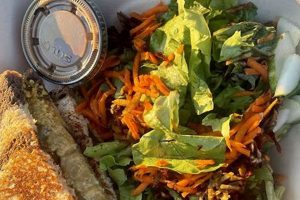
Fermented soybean cake, originally from Indonesia, provides a plant-based protein source for individuals adhering to a vegan diet. This food undergoes a fermentation process, binding the soybeans into a firm, chewy texture. It can be prepared in various ways, such as frying, baking, or steaming, and it readily absorbs flavors through marinades and sauces. An example of its culinary use is in sandwiches, stir-fries, or as a meat alternative in traditional dishes.
This soy product’s significance lies in its nutritional value and versatility. It is a complete protein, containing all nine essential amino acids. Furthermore, the fermentation process enhances its digestibility and nutrient availability. Historically, this food has been a staple in Indonesian cuisine for centuries, offering an affordable and sustainable protein option. Its adoption into vegan and vegetarian diets globally speaks to its adaptability and health benefits.
The subsequent sections will delve into specific aspects of this soybean product, including its nutritional profile, various culinary applications, and its role in promoting sustainable food practices. Understanding these elements contributes to a comprehensive appreciation of this valuable plant-based protein source.
Preparation and Usage Recommendations
The following guidelines offer insights into maximizing the flavor and nutritional benefits of this fermented soy product. Proper preparation and utilization are crucial for optimal culinary outcomes.
Tip 1: Marinate for Enhanced Flavor: Allow the porous nature of this food to absorb marinades effectively. A minimum of 30 minutes of marination enhances the flavor profile significantly. Example: Soy sauce, ginger, and garlic create a savory base.
Tip 2: Ensure Thorough Cooking: While pre-cooked, thorough cooking improves both texture and digestibility. Pan-frying, baking, or steaming until golden brown is recommended. Internal temperature should reach at least 165F (74C).
Tip 3: Consider Different Textures: Slicing the cake thinly creates crispy edges when pan-fried. Cubing allows for uniform cooking in stir-fries. Crumbling provides a ground meat alternative in sauces or fillings.
Tip 4: Utilize in Diverse Recipes: Adaptable to various cuisines, this soy product can be incorporated into tacos, salads, sandwiches, and curries. Experimentation expands culinary possibilities.
Tip 5: Properly Store Unused Portions: Once opened, unused portions should be stored in an airtight container in the refrigerator for up to five days. Freezing extends the shelf life significantly.
Tip 6: Explore Fermentation Variations: Different fermentation processes yield variations in flavor and texture. Experiment with different brands and styles to discover personal preferences.
Tip 7: Pair with Complementary Ingredients: Enhance the nutritional profile by pairing with whole grains, vegetables, and healthy fats. A balanced meal maximizes the benefits of this protein source.
Adhering to these suggestions optimizes the culinary experience and ensures the full enjoyment of this plant-based food. Attention to detail in preparation and usage yields superior results.
The concluding section will address the sustainable aspects and future trends surrounding this versatile food product.
1. Protein Source

The function as a protein source is central to the relevance of fermented soybean cake within the vegan dietary framework. This protein contribution addresses a critical nutritional need often associated with plant-based diets, positioning the food as a valuable component.
- Complete Amino Acid Profile
Soybeans, when fermented, provide all nine essential amino acids, rendering this food a complete protein source. This completeness is crucial for vegans, who may otherwise need to combine multiple plant-based proteins to obtain all essential amino acids. Absence of even one essential amino acid can hinder protein synthesis and overall health. The fermentation process does not degrade these amino acids, ensuring their bioavailability.
- High Protein Density
Relative to other plant-based foods, this soybean product possesses a high protein density per serving. This characteristic is beneficial for individuals seeking to meet their daily protein requirements without excessive caloric intake. For example, a 100-gram serving can provide a significant portion of the recommended daily protein intake, making it a practical choice for athletes or those with increased protein needs.
- Bioavailability and Digestibility
The fermentation process enhances the protein’s bioavailability and digestibility. Enzymes produced during fermentation break down complex proteins into simpler peptides and amino acids, easing digestion and facilitating absorption. This is particularly advantageous for individuals with sensitive digestive systems who may experience discomfort with other protein sources. Fermentation reduces phytic acid, an anti-nutrient that can inhibit mineral absorption, further enhancing nutritional value.
- Versatile Protein Application
This fermented soy product’s adaptability allows it to serve as a protein replacement in various dishes. It can substitute meat in traditional recipes, add protein to salads, or form the basis of a protein-rich sandwich. This versatility enables vegans to maintain a diverse diet while consistently obtaining adequate protein. Examples include using it in stir-fries, tacos, or as a filling for stuffed vegetables.
In summary, the combination of a complete amino acid profile, high protein density, enhanced bioavailability, and versatile application solidifies its role as a key protein source for vegans. This contributes significantly to meeting nutritional requirements and sustaining a balanced plant-based diet.
2. Fermentation Process

The fermentation process is not merely a step in the creation of soybean cake; it is the transformative element defining the final product’s characteristics and suitability for vegan diets. Rhizopus species, typically Rhizopus oligosporus, are introduced to cooked soybeans, initiating a controlled decomposition that binds the beans together through a mycelial network. This microbiological activity causes a chain of biochemical changes, fundamentally altering the soybean’s composition, texture, and nutritional profile. The structural integrity of the cake and its digestibility are directly dependent on the proper execution of this fermentation.
The fermentation process degrades complex carbohydrates and proteins, making nutrients more bioavailable. For example, phytic acid, an anti-nutrient present in soybeans that inhibits mineral absorption, is reduced during fermentation, improving the uptake of minerals such as iron and zinc. Furthermore, the process generates vitamins, particularly B vitamins, augmenting the nutritional value. Failure to achieve the optimal fermentation environment can result in incomplete binding, altered flavor profiles, or the proliferation of undesirable microorganisms, thereby compromising the final products quality and safety. Industrially, this requires precise control of temperature, humidity, and aeration to maintain the desired microbial activity. A successful fermentation translates into a compact, easily handled cake with a nutty, mushroom-like aroma and increased digestibility.
In conclusion, the fermentation process is integral to the creation of vegan soybean cake, conferring essential textural, nutritional, and safety characteristics. It mitigates anti-nutritional factors, enhances digestibility, and defines the final products organoleptic qualities. Understanding and optimizing the fermentation is therefore crucial for producing high-quality and beneficial plant-based protein source suitable for the vegan diet. The absence of this process would not result in the recognizable and nutritious food consumed globally.
3. Nutritional Profile

The nutritional profile is a defining attribute of fermented soybean cake, directly influencing its suitability and desirability within vegan dietary regimens. The inherent composition of soybeans, coupled with the biochemical alterations induced by fermentation, contributes to a unique nutritional matrix. The primary cause-and-effect relationship is that fermentation modifies the soybean’s constituents, enhancing certain beneficial elements while mitigating less desirable ones. This has important downstream consequences for both the nutritional value and digestibility of the resultant food. Without understanding this nutritional profile, the benefits and strategic use of it as a component of vegan diets cannot be accurately assessed.
As an example, the fermentation process decreases phytic acid levels, an anti-nutrient that inhibits mineral absorption. This leads to an increased bioavailability of iron, zinc, and calcium, crucial nutrients often of concern in plant-based diets. Furthermore, it contains a full complement of essential amino acids, rendering it a complete protein source. The absence of any of these amino acids would render the protein incomplete and limit its nutritional value. Its practical significance lies in providing vegans with a nutrient-dense protein source that supports muscle maintenance, immune function, and overall health. It is also rich in prebiotics, which promote gut health.
In summary, the nutritional profile of this soybean product is intricately linked to both the soybean’s inherent properties and the transformative effects of fermentation. The enhanced bioavailability of minerals, the presence of complete protein, and the prebiotic content collectively underscore its value as a cornerstone of balanced vegan diets. Challenges remain in communicating this complex nutritional information effectively to consumers. However, a deeper understanding of this foods nutritional profile is essential for maximizing its benefits and addressing nutritional gaps within plant-based dietary patterns.
4. Culinary versatility

The culinary versatility of fermented soybean cake, is a key factor driving its adoption and application within vegan diets. This inherent adaptability stems from its neutral flavor profile, firm texture, and capacity to absorb diverse flavors. Consequently, it can function as a foundational ingredient across various culinary traditions. The cause-and-effect relationship is that its mild inherent qualities allow it to transform into a multitude of dishes, mimicking meat or standing as a distinct plant-based element. Its importance as a component of plant-based cooking lies in its ability to address the need for texture and substance often lacking in other vegan options.
Examples of this culinary versatility are abundant. In Indonesian cuisine, it is traditionally fried and served with sambal, offering a simple yet flavorful dish. Western adaptations include using it as a substitute for bacon in sandwiches, crumbled as a ground meat alternative in tacos, or grilled as a burger patty. Its ability to be marinated allows for custom flavor profiles, from savory to sweet, depending on the desired application. The practical significance of understanding this culinary versatility lies in empowering individuals to create diverse, satisfying vegan meals that align with their taste preferences and cultural backgrounds. It is not merely a protein source but a blank canvas for culinary innovation.
In conclusion, the culinary versatility of this soy product, significantly enhances its value within vegan cuisine. This adaptability translates into diverse menu options, enabling a more sustainable and enjoyable adoption of plant-based diets. Addressing challenges such as promoting creative recipe ideas can further unlock the potential and ensure its continued relevance in an evolving culinary landscape. This versatility ensures that this fermented food remains a relevant and appealing ingredient within the broader context of plant-based eating.
5. Sustainable Food

The concept of sustainable food systems encompasses practices that minimize environmental impact, support economic viability, and contribute to social equity. The connection between sustainable food and plant-based dietary choices, specifically the consumption of fermented soybean cake, is increasingly relevant in discussions about global food security and ecological stewardship. This food presents a compelling case study for analyzing the intersection of plant-based nutrition and sustainable agricultural practices.
- Reduced Environmental Impact of Production
Soybean cultivation, while not without its own environmental considerations, generally has a lower carbon footprint compared to animal agriculture. The production of fermented soybean cake requires fewer resources, such as land and water, compared to the production of meat-based protein sources. Additionally, the fermentation process itself contributes minimal greenhouse gas emissions, further enhancing its environmental credentials. Sustainable farming practices, such as crop rotation and reduced pesticide use, can further mitigate the environmental impact of soybean cultivation for cake production.
- Support for Biodiversity
A shift towards plant-based diets, including increased consumption of fermented soybean cake, can contribute to the preservation of biodiversity. Animal agriculture is a significant driver of deforestation, which leads to habitat loss and biodiversity decline. By reducing reliance on animal products, the demand for land for grazing and feed production decreases, allowing for the restoration of natural ecosystems. Sustainable soybean farming practices also prioritize biodiversity conservation through methods such as maintaining buffer zones around agricultural fields.
- Economic Viability for Farmers
The production of soybeans for fermented cake can provide economic opportunities for farmers, particularly in regions where soybeans are already cultivated. Sustainable farming practices can enhance soil health and crop yields, improving long-term economic stability for farmers. Additionally, the growing demand for plant-based protein sources creates a market for sustainably produced soybeans, offering farmers a viable alternative to conventional agricultural practices. Supporting local production of fermented soybean cake can also strengthen local economies and reduce reliance on long-distance transportation.
- Contribution to Food Security
Fermented soybean cake is a nutrient-dense food source that can contribute to food security, particularly in regions where access to protein is limited. Soybeans are relatively easy to cultivate and process, making them an accessible and affordable source of protein for many communities. The fermentation process enhances the digestibility and nutritional value of soybeans, further increasing their contribution to food security. Promoting the production and consumption of this fermented food can help address malnutrition and improve overall health outcomes, particularly in vulnerable populations.
The multifaceted relationship between sustainable food and the consumption of fermented soybean cake highlights the potential for plant-based diets to contribute to a more environmentally responsible and equitable food system. While challenges remain in ensuring sustainable soybean production practices, the inherent benefits of this food as a plant-based protein source make it a valuable component of sustainable food strategies. Further research and development in sustainable soybean farming and cake production can further enhance its contribution to global food security and environmental stewardship.
6. Plant-based option

The classification of fermented soybean cake as a “plant-based option” is central to understanding its role within contemporary dietary trends and ethical considerations. This designation positions the food as an alternative to animal-derived products, reflecting a broader movement towards sustainable and health-conscious consumption. Examining the specific facets that qualify it as a plant-based option is essential for evaluating its suitability for various dietary needs and preferences.
- Absence of Animal-Derived Ingredients
The defining characteristic of a plant-based food is the exclusion of all animal products, including meat, dairy, eggs, and honey. Fermented soybean cake adheres to this principle, as it is solely derived from soybeans and the Rhizopus culture used in fermentation. This absence of animal-derived components directly aligns it with the core tenets of veganism and vegetarianism, making it a suitable choice for individuals adhering to these dietary philosophies.
- Sourcing and Production Considerations
While the ingredients are plant-based, the sourcing and production methods are relevant to its classification as a sustainable plant-based option. Ideally, the soybeans are sourced from farms employing sustainable agricultural practices, such as reduced pesticide use and water conservation. Production processes that minimize energy consumption and waste generation further enhance its environmental credentials. Transparency in sourcing and production is crucial for consumers seeking ethically responsible plant-based options.
- Nutritional Adequacy in Plant-Based Diets
As a plant-based option, this fermented food contributes significantly to meeting nutritional needs often associated with plant-based diets. It is a complete protein source, providing all nine essential amino acids. Furthermore, the fermentation process enhances the bioavailability of certain minerals, such as iron and zinc, which can be challenging to obtain in sufficient quantities from plant-based sources. It also offers dietary fiber and prebiotics, supporting digestive health.
- Culinary Applications as a Plant-Based Substitute
The versatility of this soybean product allows it to function as a substitute for meat and other animal products in a wide range of culinary applications. Its firm texture and neutral flavor make it adaptable to various cooking methods and flavor profiles. It can be used in stir-fries, tacos, sandwiches, and numerous other dishes, providing a satisfying and nutritious plant-based alternative. This adaptability expands the options available to individuals following plant-based diets.
In summary, the classification of this fermented food as a “plant-based option” is supported by its ingredient composition, sourcing considerations, nutritional profile, and culinary applications. Its adherence to the principles of veganism and vegetarianism, combined with its potential for sustainable production and contribution to nutritional adequacy, positions it as a valuable component of contemporary plant-based dietary patterns. Further emphasis on transparency and sustainability will enhance its appeal to environmentally and ethically conscious consumers.
7. Digestibility enhancement

The enhancement of digestibility is a crucial aspect of fermented soybean cake, directly influencing its nutritional value and suitability for individuals, particularly those adhering to vegan diets. Soybeans, in their raw form, contain compounds that can hinder digestion and nutrient absorption. The fermentation process, however, mitigates these issues, resulting in a more easily digestible product.
- Breakdown of Complex Carbohydrates
Soybeans contain complex carbohydrates, such as oligosaccharides, which can be difficult for some individuals to digest, leading to gastrointestinal discomfort. The fermentation process involves the enzymatic breakdown of these complex carbohydrates into simpler sugars. This enzymatic action, primarily carried out by microorganisms, reduces the occurrence of bloating and gas commonly associated with soybean consumption. The reduction of these complex carbohydrates improves overall tolerance of this food.
- Reduction of Phytic Acid
Phytic acid, a compound present in soybeans, binds to minerals like iron, zinc, and calcium, inhibiting their absorption in the digestive tract. The fermentation process reduces phytic acid content through the action of phytase enzymes produced by the fermenting microorganisms. This reduction increases the bioavailability of these essential minerals, making them more accessible for absorption by the body. Enhanced mineral absorption is particularly important for vegans, who may rely on plant-based sources for these nutrients.
- Protein Hydrolysis and Amino Acid Availability
The fermentation process partially hydrolyzes soybean proteins, breaking them down into smaller peptides and free amino acids. This pre-digestion makes the protein more easily digestible and increases the rate of amino acid absorption in the small intestine. The resulting increase in amino acid availability is beneficial for muscle protein synthesis and overall nitrogen balance. Furthermore, this process can reduce the allergenicity of soy proteins for some individuals.
- Enzyme Production and Enhanced Gut Health
The microorganisms involved in the fermentation process produce various enzymes that aid in digestion. These enzymes, such as amylases, proteases, and lipases, assist in the breakdown of carbohydrates, proteins, and fats, respectively. The presence of these enzymes in fermented soybean cake can enhance digestive efficiency and reduce the burden on the body’s own digestive system. Additionally, the fermentation process can promote the growth of beneficial bacteria in the gut, contributing to improved gut health.
The multifaceted enhancement of digestibility through fermentation underscores its importance in optimizing the nutritional value of soybean cake. The breakdown of complex carbohydrates, reduction of phytic acid, protein hydrolysis, and enzyme production collectively contribute to improved nutrient absorption and gastrointestinal tolerance. These factors make fermented soybean cake a more readily digestible and nutritionally beneficial protein source, particularly well-suited for individuals following vegan diets where plant-based protein sources are paramount.
Frequently Asked Questions
The following questions address common inquiries regarding this soybean product’s characteristics, uses, and nutritional profile within the context of a vegan diet. These are provided to enhance understanding and dispel misconceptions.
Question 1: Is all commercially available soybean cake suitable for vegan diets?
While typically plant-based, careful scrutiny of the ingredient list is essential. Some commercial preparations may include additives or processing aids derived from animal sources. Certified vegan labels provide assurance of adherence to vegan standards.
Question 2: How does the protein content of this fermented food compare to that of animal-derived proteins?
This food offers a complete protein profile, containing all nine essential amino acids. The protein density is comparable to many animal-derived proteins; however, serving sizes may require adjustment to meet individual protein requirements.
Question 3: Can individuals with soy allergies safely consume this type of food?
Soy allergies are a contraindication to consumption. While the fermentation process may alter some allergenic proteins, it does not eliminate the risk of allergic reaction. Consultation with an allergist is recommended.
Question 4: What are the primary environmental considerations associated with soybean production for this product?
Soybean cultivation can contribute to deforestation, habitat loss, and pesticide use. Choosing products sourced from sustainably managed farms helps mitigate these environmental impacts. Certifications such as the Roundtable on Sustainable Soy (RTRS) indicate adherence to responsible farming practices.
Question 5: Does the fermentation process alter the nutritional composition of soybeans significantly?
Yes, fermentation enhances digestibility and nutrient bioavailability. It reduces phytic acid, increasing mineral absorption, and produces beneficial enzymes. Vitamin content, particularly B vitamins, may also increase.
Question 6: What are the optimal storage conditions to preserve the quality and safety of this food?
Refrigeration is essential to inhibit microbial growth. Unopened packages should be stored according to the manufacturer’s instructions. Once opened, it should be tightly wrapped and refrigerated, consuming within several days. Freezing extends the shelf life but may slightly alter the texture.
This FAQ has addressed key concerns regarding this protein option, emphasizing the importance of informed consumption and awareness of potential environmental and allergenic factors.
The subsequent section will explore practical cooking methods and recipe ideas incorporating this versatile food.
Vegan Food Tempe
This article has explored the multifaceted nature of vegan food tempe, detailing its origins, nutritional advantages, and culinary versatility. The fermentation process, a key element in its creation, enhances digestibility and mineral bioavailability. Its status as a complete protein source and its adaptability to diverse culinary applications solidify its importance in plant-based diets. Moreover, its potential as a sustainable food option aligns with growing environmental consciousness.
As the demand for plant-based alternatives continues to rise, a deeper understanding of products such as vegan food tempe is critical. Continued research and responsible production practices are essential to maximizing its benefits and ensuring its contribution to a sustainable and nutritious food future. Further investigation into novel applications and optimized fermentation techniques will only enhance its value to consumers and the environment alike.