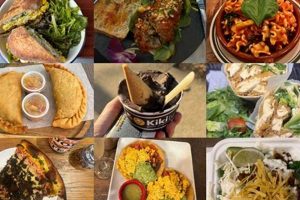
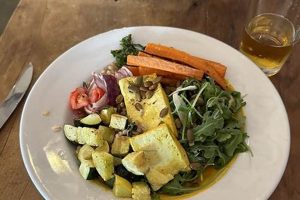
Plant-based culinary options within the floating city present a unique intersection of regional Italian cuisine and ethical eating choices. This encompasses dishes prepared without animal products, substituting ingredients to replicate traditional flavors and textures using vegetables, legumes, grains, and plant-based alternatives. A simple example involves replacing dairy-based cheese with cashew-based alternatives on a pizza, or substituting egg pasta with durum wheat semola.
The rise in demand for animal-free provisions reflects a broader global trend toward conscious consumerism and heightened awareness of environmental and animal welfare concerns. Historically, the Venetian diet relied heavily on seafood; however, restaurants are increasingly adapting their menus to accommodate evolving dietary preferences. This adaptation introduces novel culinary creations while maintaining the essence of Italian gastronomy. The availability of such options allows travelers with specific dietary restrictions to fully experience the local culinary scene without compromise.
The following sections will delve into specific restaurant recommendations, strategies for navigating menus, readily available local ingredients, and potential challenges involved in maintaining a strict plant-based diet while exploring the canals and historical landmarks of Venice.
Successfully adhering to a plant-based diet in Venice requires proactive planning and awareness of culinary norms. While not as readily available as traditional Venetian fare, options do exist for informed diners.
Tip 1: Research Restaurants in Advance: Employ online resources and reviews to identify establishments with dedicated vegan menus or those willing to accommodate dietary requests. Verify the presence of plant-based options before arrival to avoid disappointment.
Tip 2: Learn Basic Italian Phrases: Familiarity with key phrases such as “Sono vegano/a” (I am vegan) and “Senza carne, pesce, uova, o latticini” (Without meat, fish, eggs, or dairy) facilitates communication with restaurant staff.
Tip 3: Focus on Side Dishes: Traditional Venetian cuisine often features vegetable-based side dishes like grilled vegetables (verdure grigliate) or salads (insalate miste). Confirm that these preparations are free of animal-derived ingredients.
Tip 4: Seek Out Cicchetti: “Cicchetti,” Venetian tapas, can sometimes include plant-based options such as marinated artichokes or olives. Inquire about ingredients to ensure compliance with dietary restrictions.
Tip 5: Consider Self-Catering: Utilize local markets to purchase fresh produce, legumes, and grains. Preparing meals independently provides greater control over ingredients and dietary adherence.
Tip 6: Pasta Considerations: Standard pasta often contains eggs. Request “pasta senza uova” (pasta without eggs) or opt for durum wheat semola pasta which is commonly egg-free. Always verify this with the restaurant.
Tip 7: Be Mindful of Hidden Ingredients: Many dishes may contain concealed animal products such as butter, cheese, or fish sauce. Exercise vigilance when reviewing menus and inquire about preparation methods.
By adopting these strategies, individuals can successfully navigate the Venetian culinary landscape and maintain a plant-based diet while experiencing the city’s unique charm.
The concluding sections will address specific dishes adaptable to a plant-based lifestyle and provide recommendations for overcoming potential challenges related to ingredient sourcing and preparation.
1. Accessibility

Accessibility, in the context of plant-based culinary options within Venice, denotes the ease with which individuals adhering to such diets can procure suitable meals and ingredients. Its importance stems from the direct correlation between availability and the practical feasibility of maintaining a plant-based lifestyle while visiting or residing in the city. Inadequate accessibility restricts dietary choices, potentially diminishing the overall travel experience or requiring significant compromise. Increased availability, conversely, broadens options and supports ethical consumption patterns, fostering greater inclusivity within the culinary landscape.
Consider the practical implications. A visitor arriving in Venice with limited knowledge of Italian or the local dining scene may face substantial challenges locating appropriate meals if dedicated restaurants or clearly marked menu items are absent. This can result in reliance on limited options like simple pasta dishes or the necessity of self-catering, adding complexity to travel logistics. Conversely, restaurants that proactively highlight plant-based offerings, employ multilingual staff, or provide detailed ingredient lists significantly enhance accessibility, allowing for informed decision-making and a more seamless dining experience. The presence of specialty shops or markets offering plant-based alternatives to traditional ingredients also contributes to increased accessibility for those preferring to prepare their own meals.
Ultimately, the accessibility of “vegan food in Venice Italy” dictates the degree to which plant-based diets can be comfortably sustained within the city. Overcoming obstacles to accessing information and readily available ingredients is paramount for ensuring a positive experience for both residents and tourists seeking ethically conscious culinary choices. The ongoing expansion of available options and increased awareness among restaurants represent positive strides toward improving overall accessibility.
2. Ingredient Sourcing

Ingredient sourcing forms a critical foundation for the availability and quality of plant-based culinary options in Venice. The ability of restaurants and individuals to obtain suitable ingredients directly impacts the authenticity, variety, and sustainability of “vegan food in Venice Italy”.
- Local Produce Availability
The Venetian lagoon and surrounding Veneto region offer a variety of seasonal produce. Access to locally grown vegetables, fruits, and herbs ensures freshness and reduces the carbon footprint associated with transportation. Restaurants prioritizing local sourcing can create dishes that reflect the region’s agricultural heritage while adhering to plant-based principles. The Rialto Market serves as a key source for fresh ingredients, but its accessibility and affordability for smaller establishments can vary.
- Imported Specialty Items
Certain ingredients essential for replicating traditional flavors or offering diverse plant-based options, such as tofu, tempeh, or specific types of legumes and grains, often require importation. The availability of these items hinges on efficient distribution networks and import regulations. Reliance on imported goods can impact the cost of vegan dishes and introduce concerns regarding environmental sustainability due to transportation emissions.
- Ethical Considerations
Ingredient sourcing encompasses ethical considerations related to labor practices and environmental impact. Restaurants committed to sustainable practices prioritize suppliers that adhere to fair labor standards and employ environmentally responsible farming methods. This aligns with the broader ethos of ethical consumption and contributes to the overall sustainability of plant-based dining in Venice.
- Substitution Strategies
Successful plant-based cuisine often necessitates creative substitution of animal-derived ingredients. This requires sourcing suitable replacements, such as plant-based cheeses, egg alternatives, or vegetable-based broths. The quality and availability of these substitutes directly influence the palatability and authenticity of vegan versions of traditional Venetian dishes. Restaurants that actively research and experiment with ingredient substitutions can offer more compelling and satisfying plant-based options.
The interplay between local sourcing, reliance on imported goods, ethical considerations, and substitution strategies collectively shapes the landscape of “vegan food in Venice Italy”. Optimizing ingredient sourcing is paramount for enhancing the quality, sustainability, and accessibility of plant-based dining experiences within the city.
3. Menu Adaptations

Menu Adaptations are instrumental in expanding the availability and appeal of plant-based options within Venice’s established culinary scene. Restaurants demonstrate adaptability through modifications to existing dishes or introduction of entirely new plant-based creations.
- Ingredient Substitution
The replacement of animal-derived ingredients with plant-based alternatives represents a primary method of menu adaptation. Examples include substituting dairy-based cheeses with cashew or almond-based alternatives in pizzas or pasta dishes, and utilizing vegetable broths in risottos instead of traditional meat or fish stocks. The success of such substitutions hinges on retaining flavor profiles and textural characteristics comparable to the original dish, requiring careful experimentation and ingredient selection.
- Dish Re-Conceptualization
This facet involves a more fundamental alteration of existing recipes to align with plant-based dietary guidelines. Instead of merely substituting ingredients, dishes may be entirely re-conceptualized, utilizing plant-based proteins like legumes or tofu as central components. For instance, a traditional seafood pasta dish could be transformed into a pasta dish featuring seasonal vegetables and a creamy cashew sauce. This approach demands culinary creativity and a thorough understanding of flavor pairings.
- Dedicated Vegan Sections
The inclusion of dedicated vegan sections within menus signals a proactive effort to cater to plant-based diners. This approach offers a clear and convenient means for identifying suitable options without requiring extensive ingredient inquiries. The presence of such sections can increase confidence among vegan patrons and encourage repeat business. These sections often feature a range of appetizers, entrees, and desserts crafted exclusively from plant-based ingredients.
- Clear Labeling and Transparency
Explicitly labeling dishes as “vegan” or providing detailed ingredient lists fosters transparency and facilitates informed decision-making. This practice minimizes ambiguity and reduces the likelihood of accidental consumption of animal products. Clear labeling is particularly important in Venetian cuisine, where hidden ingredients like butter or fish sauce may be present. Restaurants committed to accommodating plant-based diets prioritize transparency in menu descriptions.
The effectiveness of menu adaptations significantly impacts the accessibility and acceptance of “vegan food in Venice Italy.” Skillful ingredient substitutions, creative dish re-conceptualizations, the inclusion of dedicated vegan sections, and a commitment to clear labeling collectively contribute to a more inclusive and satisfying culinary experience for plant-based diners within the city.
4. Cultural Integration
The successful assimilation of plant-based culinary options into the established Venetian gastronomic tradition constitutes cultural integration. This process extends beyond merely offering meat-free dishes; it involves adapting traditional Venetian recipes to plant-based principles while retaining the flavors and culinary identity associated with the region. The effect of successful integration is increased acceptance and accessibility of plant-based cuisine within the broader culinary landscape of Venice. Cultural integration is a pivotal component of making “vegan food in Venice Italy” a sustainable and appealing option, rather than a niche market segment.
A tangible example can be observed in the reimagining of cicchetti, traditional Venetian snacks. Instead of relying solely on seafood or meat-based fillings, restaurants may offer cicchetti featuring marinated artichokes, roasted vegetables with balsamic glaze, or bruschetta topped with plant-based pesto and sundried tomatoes. This adaptation demonstrates a respect for local culinary customs while accommodating dietary restrictions. Another example includes the adaptation of risotto, replacing the traditional meat or fish broth with a flavorful vegetable broth and incorporating seasonal vegetables sourced from the Veneto region. The practical significance of this understanding lies in attracting a wider audience, including both vegans and non-vegans, by presenting plant-based dishes as appealing and authentically Venetian.
Conversely, a lack of cultural integration can lead to the marginalization of plant-based options, perceived as foreign or inauthentic. Challenges include overcoming the deeply ingrained reliance on seafood in Venetian cuisine and addressing the perception that vegan food lacks the richness and complexity of traditional dishes. Overcoming these challenges requires culinary creativity, a deep understanding of Venetian flavors, and a commitment to presenting plant-based dishes as a viable and appealing alternative within the broader culinary context. Only through effective cultural integration can “vegan food in Venice Italy” truly flourish and become an integral part of the city’s gastronomic identity.
5. Restaurant Awareness

Restaurant awareness, in the context of “vegan food in Venice Italy,” denotes the extent to which Venetian restaurateurs understand and acknowledge the demand for plant-based dining options. This awareness significantly influences the availability, quality, and promotion of such offerings, shaping the experience for individuals adhering to vegan diets.
- Menu Inclusion and Promotion
Restaurant awareness directly affects the likelihood of plant-based dishes appearing on menus. When restaurants recognize the demand, they are more inclined to include vegan options. This may involve adapting traditional dishes or introducing new, specifically vegan creations. Furthermore, awareness promotes the active marketing of these options through menu descriptions, online platforms, and staff recommendations. In contrast, a lack of awareness may result in the absence of plant-based choices or their relegation to obscure corners of the menu, hindering accessibility.
- Staff Training and Knowledge
Awareness extends to the training and knowledge of restaurant staff. Personnel equipped with an understanding of veganism are better positioned to assist customers in identifying suitable dishes, answering ingredient-related questions, and accommodating specific dietary requests. This knowledge enhances the dining experience and reduces the potential for accidental consumption of animal products. Insufficient staff training, conversely, can lead to misinformation and frustration for vegan diners.
- Sourcing and Ingredient Transparency
Restaurant awareness encourages transparency regarding ingredient sourcing. Establishments cognizant of vegan dietary needs are more likely to disclose the origins of their ingredients and confirm the absence of animal-derived products. This transparency builds trust with vegan customers and supports informed decision-making. Conversely, a lack of awareness can result in vague ingredient descriptions and a reluctance to provide detailed information, creating uncertainty and potentially deterring vegan diners.
- Adaptability and Innovation
Awareness fosters adaptability and innovation in menu development. Restaurants that recognize the evolving dietary landscape are more inclined to experiment with new plant-based ingredients and techniques, creating exciting and flavorful vegan dishes that appeal to a broad audience. This adaptability contributes to the overall diversity and quality of vegan cuisine in Venice. A lack of awareness, on the other hand, may result in a stagnant menu lacking in plant-based options, limiting choice and potentially compromising the dining experience.
In summary, heightened restaurant awareness regarding veganism directly translates into a more inclusive and satisfying dining experience for plant-based individuals in Venice. This encompasses menu inclusion, staff training, ingredient transparency, and culinary innovation. Encouraging restaurant awareness is therefore paramount for promoting the growth and acceptance of “vegan food in Venice Italy” as an integral part of the city’s culinary identity.
6. Dietary Compliance

Dietary compliance, in the context of plant-based dietary restrictions within Venice, refers to the degree to which individuals can successfully adhere to a vegan diet while navigating the city’s culinary landscape. This is a crucial factor in determining the feasibility and satisfaction of maintaining a vegan lifestyle in a location where traditional cuisine relies heavily on animal products.
- Ingredient Awareness and Verification
Strict adherence to a vegan diet mandates meticulous scrutiny of ingredients. Many traditional Venetian dishes may contain hidden animal products such as butter, cheese, or fish sauce. Dietary compliance, therefore, necessitates proactive questioning of restaurant staff and careful examination of menu descriptions to ensure the absence of non-compliant ingredients. Failing to verify ingredients can inadvertently compromise dietary adherence.
- Cross-Contamination Mitigation
Compliance requires diligent attention to potential cross-contamination during food preparation. Utensils, cookware, and cooking surfaces used for animal products can transmit traces of these substances to vegan dishes. Individuals prioritizing strict compliance must communicate their concerns to restaurant staff and request that their meals be prepared separately to minimize the risk of cross-contamination. This precaution is particularly relevant in smaller establishments with limited kitchen space.
- Navigating Social Situations and Cultural Norms
Dietary compliance can be challenged by social situations and cultural norms. Accepting offered food items that may contain animal products out of politeness can compromise adherence. Successfully navigating these situations requires assertiveness in communicating dietary restrictions and a willingness to decline non-compliant offerings. This may involve explaining dietary choices to hosts or suggesting alternative vegan-friendly options.
- Availability of Suitable Options
The ease of maintaining dietary compliance is directly linked to the availability of readily accessible vegan options. A scarcity of such options may necessitate reliance on limited choices, self-catering, or compromises in dietary adherence. Conversely, a diverse range of clearly labeled vegan dishes in restaurants and readily available plant-based ingredients in markets significantly enhances the feasibility of strict dietary compliance. The ongoing increase in vegan options within Venice contributes directly to improved dietary adherence for those following a plant-based lifestyle.
These interconnected facets collectively influence the feasibility of dietary compliance for vegans in Venice. While challenges exist, proactive ingredient verification, cross-contamination mitigation, effective navigation of social situations, and an expanding availability of suitable options contribute to the successful maintenance of a plant-based diet within the city’s distinctive culinary context.
Frequently Asked Questions
This section addresses common inquiries regarding the availability, accessibility, and practicalities of adhering to a vegan diet while in Venice.
Question 1: Is it genuinely feasible to maintain a strict vegan diet while visiting Venice, given the city’s culinary traditions?
While traditional Venetian cuisine heavily features seafood and meat, maintaining a strict vegan diet is achievable. It requires proactive planning, careful menu scrutiny, and potential exploration beyond mainstream tourist restaurants. The rising demand for plant-based options has led to increased availability, although vigilance in verifying ingredients remains essential.
Question 2: What are the primary challenges in finding vegan food in Venice?
Challenges include the prevalence of seafood-based dishes, hidden animal products (e.g., butter in sauces, cheese in fillings), potential language barriers when inquiring about ingredients, and the need to identify restaurants catering to specific dietary needs proactively.
Question 3: Are there specific Venetian dishes that can be easily adapted to a vegan diet?
Certain dishes lend themselves to vegan adaptation. Risotto can be prepared with vegetable broth and seasonal vegetables, omitting cheese or butter. Pasta dishes can be made with egg-free pasta and vegetable-based sauces. Cicchetti (Venetian tapas) may include vegetable-based options like marinated artichokes or olives, but careful inquiry about ingredients is crucial.
Question 4: What Italian phrases are most helpful for vegans dining in Venice?
Useful phrases include “Sono vegano/a” (I am vegan), “Senza carne, pesce, uova, o latticini” (Without meat, fish, eggs, or dairy), “C’ qualcosa di vegano?” (Is there anything vegan?), and “Quali sono gli ingredienti?” (What are the ingredients?).
Question 5: How can individuals ensure they avoid cross-contamination when dining in Venetian restaurants?
Communicate dietary requirements clearly to restaurant staff. Request that food be prepared separately using clean utensils and cookware to minimize the risk of cross-contamination. Specify that no animal products should come into contact with the meal during preparation or serving.
Question 6: Are there dedicated vegan restaurants in Venice, or is adaptation of traditional menus the primary option?
While dedicated vegan restaurants are relatively limited, an increasing number of establishments offer clearly marked vegan options or are willing to adapt their menus to accommodate dietary requests. Researching restaurants in advance and confirming the availability of plant-based options is highly recommended.
In summary, navigating a vegan diet in Venice requires diligence and proactivity. However, with careful planning and communication, a fulfilling culinary experience is attainable.
The following section will provide specific recommendations for vegan-friendly restaurants and food shops in Venice.
Concluding Remarks
This exploration has illuminated the multifaceted landscape of plant-based culinary options within Venice. The availability of such provisions is governed by a complex interplay of factors, encompassing ingredient sourcing, restaurant awareness, menu adaptations, cultural integration, and the ultimate feasibility of dietary compliance. Navigating this environment demands proactive planning and informed decision-making. Successful adherence to a vegan diet hinges upon diligent ingredient verification, clear communication with restaurant staff, and an awareness of potential challenges posed by traditional culinary practices.
While challenges remain, the growing recognition of plant-based diets within the global culinary sphere suggests a promising future for “vegan food in Venice Italy”. Continued efforts to promote restaurant awareness, expand the availability of suitable ingredients, and foster culinary creativity will contribute to a more inclusive and sustainable dining experience. The ongoing adaptation of Venetian cuisine to accommodate plant-based preferences represents a significant step toward enriching the city’s culinary identity and catering to the evolving dietary needs of residents and visitors alike.