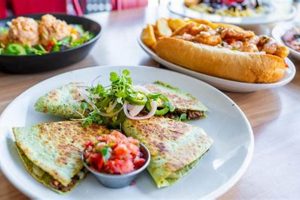
Plant-based cuisine in Italy represents a growing culinary trend, offering a diverse range of dishes that exclude animal products. This culinary approach encompasses both traditional Italian recipes adapted for plant-based diets and innovative creations utilizing local, seasonal produce. Examples include pasta dishes with vegetable-based sauces, pizzas with dairy-free cheese alternatives, and creative vegetable-focused appetizers.
The rise of plant-based dining in Italy is driven by increasing awareness of ethical, environmental, and health considerations. This shift offers benefits such as reduced environmental impact, potential improvements in personal health, and a broadening of culinary experiences. Historically, Italian cuisine has always incorporated a significant amount of vegetable-based dishes, making the transition to fully plant-based options relatively seamless in many instances.
The subsequent sections will explore regional variations in plant-based Italian cuisine, highlight notable restaurants catering to this dietary preference, provide practical tips for finding suitable dining options, and examine the future prospects of this culinary landscape within the country.
Successfully navigating the Italian culinary scene while adhering to a plant-based diet requires strategic planning and informed decision-making. The following tips provide practical guidance for ensuring a satisfactory dining experience.
Tip 1: Learn Key Phrases. Familiarize oneself with Italian phrases indicating dietary requirements, such as “Sono vegano/a” (I am vegan) and “Senza latticini” (without dairy). This aids in clearly communicating dietary needs to restaurant staff.
Tip 2: Utilize Online Resources. Employ online directories and review platforms specifically designed for plant-based dining. These resources often provide up-to-date information on restaurants offering suitable options and user reviews.
Tip 3: Explore Local Markets. Italian markets offer an abundance of fresh, seasonal produce. Purchasing ingredients directly from local vendors allows for the preparation of plant-based meals when restaurant options are limited.
Tip 4: Request Modifications. Do not hesitate to inquire about modifying existing menu items to align with plant-based preferences. Many Italian chefs are willing to accommodate dietary requests, such as omitting cheese from pasta dishes or pizzas.
Tip 5: Focus on Regional Specialties. Research regional dishes that are naturally plant-based, such as pasta e fagioli (pasta and beans) in certain regions or vegetable-based antipasti. These can provide authentic and satisfying culinary experiences.
Tip 6: Pack Essential Snacks. Carrying essential plant-based snacks, such as nuts, seeds, or dried fruit, can be beneficial in situations where immediate access to suitable dining options is unavailable.
Tip 7: Research Restaurant Menus in Advance. Before visiting a restaurant, consult its online menu to assess the availability of plant-based dishes or the potential for modifications. This preemptive step saves time and minimizes potential disappointment.
By employing these strategies, individuals adhering to plant-based diets can confidently navigate the Italian culinary landscape and enjoy a rich and diverse gastronomic experience. The focus should be on proactive communication, diligent research, and a willingness to adapt to local offerings.
These tips equip individuals with the tools necessary to confidently explore “vegan food in italy” while remaining true to their dietary choices. The following section provides a concluding summary of the key points discussed throughout this article.
1. Availability

The availability of plant-based food options significantly impacts the viability and growth of veganism within Italy. Increased availability creates a positive feedback loop: as more plant-based options become accessible, the demand for such offerings increases, prompting further expansion of the market. Conversely, limited availability can hinder the adoption of plant-based diets and restrict culinary exploration. For example, in larger cities like Rome or Milan, dedicated vegan restaurants and menus with clear plant-based choices are becoming increasingly common. This provides a supportive environment for individuals seeking vegan food in Italy.
The causal relationship between consumer demand and availability is undeniable. Restaurants and food manufacturers are more likely to invest in plant-based offerings when a demonstrable market exists. However, regional disparities persist. While major urban centers boast relatively diverse plant-based options, smaller towns and rural areas often lag behind. In these regions, individuals adhering to plant-based diets may face challenges in finding suitable meals when dining out, relying more on self-catering and modifications to existing dishes. This discrepancy highlights the importance of expanding distribution networks and raising awareness among restaurant owners in less populated areas.
Ultimately, increased availability is a fundamental requirement for the widespread acceptance and integration of plant-based diets within Italian society. Addressing the logistical and cultural barriers that contribute to uneven distribution is crucial. The development of more efficient supply chains, coupled with educational initiatives promoting plant-based cuisine to chefs and consumers alike, will contribute to a more inclusive and accessible culinary landscape throughout Italy. This, in turn, fosters greater understanding and acceptance of “vegan food in italy.”
2. Ingredients

The foundation of any culinary tradition rests upon its core ingredients. In the context of plant-based cuisine in Italy, these components determine both the authenticity and the innovative potential of dishes. The quality, origin, and careful selection of these elements are paramount to crafting satisfying and flavorful plant-based meals.
- Seasonal Produce
Italian cuisine is intrinsically linked to seasonality. Utilizing fresh, locally sourced fruits and vegetables at their peak ripeness maximizes flavor and nutritional value. This approach naturally aligns with plant-based principles, as seasonal vegetables form the basis for many traditional Italian dishes. For instance, summer yields an abundance of tomatoes, basil, and zucchini, perfect for sauces and grilled preparations, while autumn brings pumpkins, mushrooms, and chestnuts, lending themselves to hearty soups and stews.
- Legumes and Grains
Legumes, such as beans, lentils, and chickpeas, are essential sources of protein in plant-based diets. Similarly, grains like pasta, rice, and farro provide carbohydrates and fiber. These ingredients are staples in Italian cuisine and readily adapted for plant-based meals. Pasta e fagioli (pasta and beans) is a classic example, while risotto can be made with vegetable broth and seasonal vegetables. The versatility of legumes and grains allows for the creation of numerous satisfying and nutritious plant-based dishes.
- Olive Oil
High-quality olive oil is a cornerstone of Italian cooking, adding flavor, richness, and healthy fats to dishes. In plant-based cuisine, olive oil often replaces animal fats, contributing to both taste and texture. It is used for sauting vegetables, dressing salads, and finishing dishes. The selection of a good quality olive oil is crucial for enhancing the overall flavor profile of a plant-based meal.
- Herbs and Spices
Aromatic herbs and spices are used to elevate the flavor of plant-based dishes. Basil, oregano, rosemary, and garlic are commonly used in Italian cuisine. These ingredients add depth and complexity to sauces, soups, and vegetable preparations. Their use can transform simple ingredients into flavorful and satisfying plant-based meals. For example, a basic tomato sauce can be transformed with the addition of fresh basil and oregano, while a vegetable stew can be enhanced with rosemary and garlic.
The combination of these ingredientsseasonal produce, legumes and grains, olive oil, and herbs and spicesforms the backbone of plant-based options in Italy. Their careful selection and preparation are critical to creating flavorful, authentic, and satisfying meals that cater to this dietary preference. Emphasizing these elements celebrates Italian culinary tradition while embracing the principles of plant-based eating.
3. Tradition

The intersection of Italian culinary tradition and plant-based dietary practices presents a complex and nuanced landscape. While Italy is renowned for its rich culinary heritage, often associated with dairy and meat products, a closer examination reveals inherent plant-forward elements that facilitate the adaptation and integration of plant-based options. This tradition provides both a foundation and a challenge for the evolution of “vegan food in italy”.
- Regional Vegetable Dishes
Many regional Italian cuisines feature naturally plant-based dishes rooted in centuries of culinary practice. Examples include Sicilian caponata (a sweet and sour eggplant dish), ribollita (a hearty Tuscan bread and vegetable soup), and pasta e ceci (pasta with chickpeas), found in various forms across Southern Italy. These dishes, born from economic necessity and utilizing locally available produce, offer a starting point for exploring the depths of plant-based Italian cuisine.
- Adaptations of Classic Recipes
Traditional Italian recipes can be modified to exclude animal products without sacrificing flavor or authenticity. For instance, pasta sauces traditionally made with meat can be adapted using vegetables, legumes, or plant-based meat alternatives. Pizza dough can be made without eggs or dairy, and plant-based cheeses can replace traditional mozzarella. These adaptations allow for the preservation of cultural culinary heritage while adhering to plant-based principles.
- Emphasis on Seasonal Ingredients
Italian cuisine places a strong emphasis on using fresh, seasonal ingredients. This practice naturally lends itself to plant-based cooking, as seasonal vegetables and fruits form the basis of many dishes. The use of local, seasonal produce enhances the flavor and nutritional value of plant-based meals, aligning with both traditional Italian culinary practices and the values of plant-based eating.
- The Concept of “Cucina Povera”
The concept of “cucina povera,” or “poor cooking,” reflects a historical emphasis on simple, resourceful dishes made from inexpensive and readily available ingredients. This approach often relies heavily on vegetables, grains, and legumes, resulting in naturally plant-based or easily adaptable recipes. “Cucina povera” highlights the inherent plant-based potential within Italian culinary tradition, offering a valuable framework for creating affordable and sustainable plant-based meals.
In conclusion, the influence of tradition on “vegan food in italy” is multifaceted. While some aspects of Italian culinary heritage present challenges, the emphasis on seasonal ingredients, the presence of regional vegetable dishes, and the principles of “cucina povera” provide a solid foundation for the development and acceptance of plant-based options. By creatively adapting traditional recipes and celebrating the plant-forward aspects of Italian cuisine, it is possible to create authentic and satisfying plant-based meals that honor both culinary heritage and dietary preferences.
4. Innovation

Innovation plays a pivotal role in the evolving landscape of “vegan food in italy”, driving both the expansion of available options and the acceptance of plant-based diets within a traditionally meat-centric culinary culture. Technological advancements and culinary experimentation are essential for overcoming challenges and creating plant-based dishes that appeal to a broad audience.
- Plant-Based Meat and Cheese Alternatives
The development of plant-based meat and cheese alternatives is a key area of innovation. These products, crafted from ingredients like soy, seitan, nuts, and legumes, aim to replicate the taste and texture of animal products. This allows for the creation of vegan versions of classic Italian dishes, such as lasagna, pizza, and ragu, expanding the possibilities for “vegan food in italy.” For instance, innovative plant-based ricotta cheeses are enabling the creation of vegan cannoli and other traditional desserts.
- Novel Ingredient Utilization
Culinary innovation extends to the exploration of novel ingredients in plant-based Italian cuisine. Chefs are experimenting with lesser-known vegetables, fruits, and grains to create unique and flavorful dishes. For example, the use of black rice, ancient grains, and unusual varieties of mushrooms can add depth and complexity to plant-based risottos and pasta dishes. The integration of these ingredients broadens the scope of available flavors and textures, enriching “vegan food in italy”.
- Technological Advancements in Food Production
Technological advancements in food production are also contributing to innovation in “vegan food in italy”. Techniques such as 3D printing and precision fermentation are being explored to create plant-based ingredients and dishes with enhanced nutritional profiles and improved textures. These technologies have the potential to revolutionize the production of plant-based foods, making them more accessible and appealing to consumers.
- Creative Culinary Techniques
Creative culinary techniques are essential for transforming plant-based ingredients into compelling and satisfying dishes. Chefs are employing techniques such as fermentation, smoking, and sous vide to enhance the flavor and texture of vegetables and other plant-based ingredients. For example, fermenting vegetables can create unique flavor profiles, while smoking can add a depth of umami to plant-based dishes. The adoption of these techniques expands the possibilities for “vegan food in italy”, making it more appealing and diverse.
These facets of innovation, from plant-based alternatives to novel ingredients and creative culinary techniques, are crucial for the continued growth and evolution of “vegan food in italy”. By embracing these advancements, chefs and food producers can create plant-based options that appeal to both vegans and non-vegans alike, contributing to a more sustainable and inclusive culinary landscape within Italy.
5. Regions

The geographical diversity of Italy significantly influences the availability and character of plant-based cuisine. Varying climates, agricultural practices, and culinary traditions across the peninsula result in distinct regional approaches to “vegan food in italy,” offering a diverse range of experiences for those seeking plant-based options.
- Northern Italy: Rice and Polenta Focus
In regions such as Lombardy and Veneto, rice and polenta are staple ingredients. These form the basis for many naturally plant-based dishes or can be easily adapted. Risottos made with vegetable broths and seasonal produce are common. The availability of locally grown produce, such as radicchio and asparagus, contributes to the variety of plant-based options. However, traditionally, Northern Italian cuisine often incorporates butter and cheese, requiring careful menu navigation to identify suitable choices.
- Central Italy: Legumes and Vegetable Soups
Tuscany and Umbria are known for their hearty legume-based dishes and vegetable soups. Ribollita, a Tuscan bread and vegetable soup, is a prime example of a traditional dish that is often naturally plant-based or easily adaptable. The abundance of beans and lentils in this region provides a reliable source of protein and fiber. Additionally, the use of olive oil as the primary cooking fat is prevalent, aligning with plant-based principles.
- Southern Italy: Abundant Vegetables and Olive Oil
Southern Italy, including regions such as Puglia and Sicily, boasts a Mediterranean climate ideal for growing a wide variety of vegetables. Eggplant, tomatoes, peppers, and olives are staples in the local cuisine. Dishes such as caponata (Sicilian eggplant stew) and pasta with tomato sauce and basil are naturally plant-based. The extensive use of olive oil further supports the availability of plant-based options. This region offers a relatively high degree of accessibility for those seeking “vegan food in italy.”
- Island Regions: Seafood Influence and Vegetable Diversity
Sicily and Sardinia, being islands, have a strong tradition of seafood consumption. However, they also possess a rich agricultural heritage with a diverse array of vegetables and fruits. Plant-based options may require more careful selection due to the prominence of seafood, but the availability of local produce and the adaptation of traditional dishes can still provide satisfying plant-based experiences. The key is to focus on seasonal vegetable dishes and inquire about ingredient modifications.
In conclusion, the regional variations in Italian cuisine present both opportunities and challenges for individuals seeking “vegan food in italy.” While some regions naturally offer a greater abundance of plant-based options due to their culinary traditions and agricultural practices, others require more careful navigation and adaptation. Understanding these regional differences is crucial for planning a successful and fulfilling plant-based culinary journey through Italy.
6. Accessibility

Accessibility constitutes a critical determinant in the proliferation and acceptance of plant-based dietary choices within Italy. Its presence or absence shapes consumer behavior and dictates the ease with which individuals can adhere to plant-based eating habits. An examination of various facets reveals the multifaceted nature of accessibility in the context of “vegan food in italy.”
- Geographic Availability
The physical presence of plant-based food options across different regions of Italy significantly impacts accessibility. Major metropolitan areas typically offer a greater concentration of vegan restaurants and menus with clearly labeled plant-based choices compared to rural areas or smaller towns. This disparity creates challenges for individuals in less populated regions, necessitating greater reliance on self-catering and proactive menu inquiries. The uneven geographic distribution of plant-based offerings directly influences the practical accessibility of “vegan food in italy”.
- Economic Affordability
The cost of plant-based ingredients and prepared meals plays a vital role in accessibility. While some plant-based staples like legumes and seasonal vegetables are relatively inexpensive, specialized plant-based products, such as vegan cheeses or meat alternatives, can be significantly more costly than their animal-derived counterparts. This price differential can create a barrier for individuals with limited financial resources, restricting their ability to fully embrace plant-based eating habits. Therefore, the economic dimension of affordability is intrinsically linked to the accessibility of “vegan food in italy”.
- Informational Resources
Readily available and reliable information about plant-based dining options, ingredient sourcing, and recipe adaptations is crucial for enhancing accessibility. Online directories, restaurant reviews, and educational resources empower individuals to make informed decisions and navigate the Italian culinary landscape effectively. The absence of such resources can lead to confusion and difficulty in identifying suitable choices, thereby hindering the practical accessibility of “vegan food in italy”.
- Cultural Awareness and Acceptance
The degree of cultural awareness and acceptance surrounding plant-based diets influences accessibility. In regions where plant-based eating is viewed favorably or where chefs are accommodating of dietary requests, individuals may experience greater ease in finding suitable meals when dining out. Conversely, in areas where plant-based diets are less understood or perceived as unusual, individuals may encounter resistance or limited options. Consequently, cultural attitudes play a significant role in shaping the overall accessibility of “vegan food in italy”.
In summary, the accessibility of “vegan food in italy” is a complex interplay of geographic distribution, economic affordability, informational resources, and cultural acceptance. Addressing the challenges posed by these facets is essential for creating a more inclusive and equitable culinary landscape, allowing individuals from all regions and socioeconomic backgrounds to readily embrace plant-based dietary choices.
Frequently Asked Questions
This section addresses common inquiries and misconceptions surrounding plant-based dietary options within Italian cuisine, providing clarity and practical information for those seeking to explore “vegan food in italy”.
Question 1: Is it possible to maintain a strictly plant-based diet while traveling extensively throughout Italy?
Adhering to a plant-based diet throughout Italy requires planning and adaptability. While major cities offer dedicated vegan establishments, smaller towns may necessitate ingredient modification requests at restaurants or self-catering options utilizing local markets.
Question 2: What are some naturally plant-based regional dishes that can be reliably found in Italy?
Numerous regional specialties are inherently plant-based, including Sicilian caponata, Tuscan ribollita, and pasta e ceci. Researching regional culinary traditions aids in identifying suitable dishes.
Question 3: Are plant-based cheese alternatives readily available in Italian supermarkets and restaurants?
Availability varies. Major supermarkets stock a selection of plant-based cheese alternatives, but smaller local shops may offer limited options. Plant-based cheese availability in restaurants is increasing but not yet ubiquitous.
Question 4: What key phrases in Italian are helpful for communicating dietary requirements in restaurants?
Essential phrases include “Sono vegano/a” (I am vegan), “Senza latticini” (without dairy), and “Senza carne” (without meat). Clearly communicating dietary needs is essential for ensuring suitable meal preparation.
Question 5: Is it significantly more expensive to maintain a plant-based diet compared to a traditional omnivorous diet in Italy?
The cost depends on dietary choices. Whole, unprocessed plant-based staples like legumes and seasonal vegetables are generally affordable. However, specialized plant-based meat and cheese alternatives can be more expensive.
Question 6: How can cultural attitudes towards plant-based diets impact dining experiences in Italy?
Cultural acceptance of plant-based diets varies regionally. In areas where plant-based eating is less common, patience and clear communication are important for effectively conveying dietary needs and preferences.
Navigating the culinary landscape of “vegan food in italy” requires awareness, preparation, and adaptability. By understanding the regional variations, cultural nuances, and available resources, individuals can successfully maintain a plant-based diet while exploring the rich gastronomic heritage of Italy.
The subsequent section offers a comprehensive summary of the key insights presented in this article, solidifying the understanding of this topic.
Conclusion
This article has comprehensively explored the multifaceted nature of “vegan food in italy,” encompassing availability, ingredients, tradition, innovation, regional variations, and accessibility. The analysis reveals a dynamic culinary landscape where historical reliance on plant-based staples intertwines with contemporary adaptations and technological advancements. Regional disparities significantly impact the ease with which individuals can adhere to plant-based diets, emphasizing the need for proactive planning and communication. Ultimately, the evolution of “vegan food in italy” reflects broader societal trends toward ethical consumption, environmental consciousness, and health awareness.
The ongoing development and promotion of “vegan food in italy” is of paramount importance. Continued efforts should focus on expanding access in underserved regions, fostering greater cultural understanding, and supporting culinary innovation that honors Italian gastronomic heritage while embracing plant-based principles. The future of “vegan food in italy” hinges on the collective commitment of chefs, producers, and consumers to cultivate a sustainable and inclusive culinary environment. The sustained focus will solidify plant-based cuisine as a viable and integral component of the Italian culinary identity, benefiting both individuals and the environment.