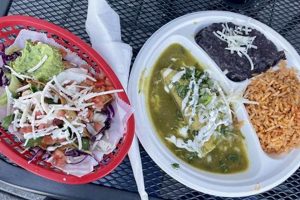
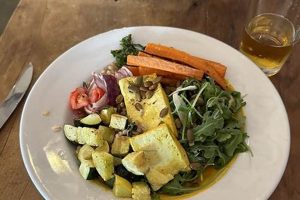
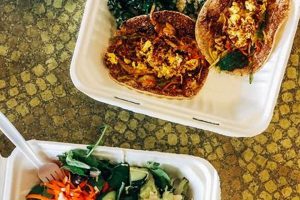
Plant-based dietary options within Cuban cuisine represent an evolving landscape. Characterized by the absence of animal products, this approach to eating in Cuba incorporates locally available fruits, vegetables, legumes, and grains. Examples include dishes featuring black beans and rice (Moros y Cristianos), root vegetables like yucca and sweet potato, and fresh salads utilizing tropical produce.
The increasing interest in plant-based diets globally has influenced culinary practices in Cuba. Resourcefulness and adaptation are key, given the limitations in importing specific ingredients. Historically, traditional Cuban cooking relied heavily on readily available resources. The contemporary focus on sustainable and ethical food choices underscores the benefits of exploring and promoting these naturally occurring plant-based dishes.
The subsequent sections will delve into the specifics of identifying these offerings, navigating dining experiences, and understanding the regional variations in plant-based meals across the island. Practical guidance for travelers seeking solely plant-derived sustenance will be provided, including insights into markets, restaurants, and strategies for communicating dietary needs.
Successfully adhering to a plant-based diet in Cuba requires proactive planning and a degree of flexibility. Limited availability of specialized vegan products necessitates an informed approach.
Tip 1: Pre-Trip Research is Essential: Investigate restaurants and paladares (private restaurants) known to offer suitable options. Online resources and travel forums can provide valuable insights.
Tip 2: Spanish Language Skills are Advantageous: Basic fluency in Spanish allows for clear communication of dietary needs and restrictions. Learn phrases like “Soy vegano/a” (I am vegan) and “Sin carne, pescado, huevos, ni lcteos” (Without meat, fish, eggs, or dairy).
Tip 3: Focus on Naturally Vegan Staples: Traditional Cuban cuisine includes dishes that are inherently plant-based. Prioritize meals centered around rice and beans (Moros y Cristianos), root vegetables, and fresh fruits.
Tip 4: Market Visits are Beneficial: Explore local markets for fresh produce. Purchasing ingredients directly allows for self-catering and greater control over meal preparation.
Tip 5: Exercise Caution with Fried Foods: Inquire about the oil used for frying. Some establishments may utilize animal-based fats or cross-contaminate with non-vegan items.
Tip 6: Confirm Ingredient Details: Even seemingly vegan dishes may contain hidden animal products. Clarify the composition of sauces, soups, and side dishes. Be especially wary of added lard or ham flavorings in black beans.
Tip 7: Pack Essential Supplies: Consider bringing key vegan staples that may be difficult to find in Cuba, such as plant-based protein sources or nutritional yeast.
Adhering to these suggestions will enhance the likelihood of a positive culinary experience while upholding dietary preferences. Careful planning and communication are vital components of a successful journey.
The following sections will explore specific regions and their plant-based culinary offerings, providing a deeper understanding of Cuba’s vegan-friendly possibilities.
1. Accessibility

Accessibility, in the context of plant-based options within Cuba, refers to the ease with which individuals adhering to a vegan diet can obtain suitable food choices. This encompasses the prevalence of vegan-friendly establishments, the availability of necessary ingredients, and the degree to which existing culinary offerings can be adapted to meet vegan requirements.
- Restaurant and Paladar Availability
The concentration of restaurants and paladares (private restaurants) offering explicitly vegan meals varies across Cuba. Major cities such as Havana and Viales typically have a higher number of establishments catering to plant-based diets compared to more rural areas. This geographical disparity directly impacts the accessibility of vegan options.
- Market and Produce Availability
While fresh produce is generally available in Cuban markets, the consistency of supply can fluctuate based on season and local agricultural conditions. The availability of specific ingredients crucial for vegan cooking, such as tofu, tempeh, or plant-based milk alternatives, is limited, affecting the ease of preparing vegan meals independently.
- Menu Transparency and Communication
A significant factor in accessibility is the clarity of menu descriptions and the willingness of restaurant staff to accommodate dietary requests. Inconsistent labeling and language barriers can impede the identification of vegan-friendly dishes, requiring individuals to actively inquire about ingredients and preparation methods.
- Price and Economic Accessibility
The cost of vegan meals can sometimes be higher than that of traditional Cuban dishes, especially when ingredients require importation or specialized preparation. This economic factor can limit access to plant-based options for some individuals, particularly those with limited financial resources.
The various facets of accessibility highlight the challenges and opportunities associated with adhering to a plant-based diet in Cuba. While fresh produce is generally available, systemic issues related to menu transparency, ingredient scarcity, and economic constraints limit the ease with which individuals can consistently access suitable food options.
2. Ingredients

The composition of plant-based sustenance in Cuba is fundamentally shaped by the accessibility and utilization of locally sourced ingredients. The availability, or lack thereof, directly influences the feasibility and variety of vegan dietary options. Reliance on fresh fruits, vegetables, legumes, and grains dictates the structure of meals. For instance, the prevalence of black beans and rice allows for the widespread adaptation of “Moros y Cristianos” as a staple vegan dish. Conversely, limited access to specialized vegan substitutes, such as tofu or plant-based milk, necessitates greater resourcefulness in meal planning and preparation.
Traditional Cuban agriculture and food distribution systems affect ingredient availability. Seasonal variations, geographical factors, and economic conditions impact the consistency of supply. In urban areas, markets may offer a wider selection of produce, while rural regions rely more heavily on locally grown items. Understanding these dynamics is crucial for devising practical strategies for obtaining necessary ingredients. This necessitates engaging with local vendors, adapting recipes, and focusing on inherently vegan components of Cuban cuisine, such as root vegetables like yucca and sweet potato, as well as plantains.
Ingredient-related challenges underscore the need for proactive planning. Individuals must cultivate awareness of market availability and exercise creativity in adapting recipes based on prevailing resources. Moreover, effective communication with restaurant staff regarding ingredient composition becomes paramount. The interplay between ingredient availability and culinary adaptation directly shapes the landscape of plant-based consumption. By emphasizing local sourcing and flexible approaches, it is possible to navigate ingredient limitations and foster a sustainable approach to vegan dietary practices in Cuba.
3. Preparation

Preparation, within the context of vegan sustenance in Cuba, extends beyond mere cooking techniques; it encompasses a multifaceted process that directly influences the viability and appeal of plant-based cuisine. The methods employed in transforming raw ingredients into palatable dishes are critical, especially given the constraints and opportunities inherent in the Cuban culinary landscape.
- Ingredient Sourcing and Handling
The initial step in preparation involves procuring suitable ingredients, often requiring visits to local markets. Proper handling and storage of fresh produce are essential, given limited refrigeration capabilities in some areas. Washing, peeling, and cutting techniques directly impact food safety and palatability.
- Adapting Traditional Recipes
Many classic Cuban dishes contain animal products. Adapting these recipes to align with vegan principles demands careful substitutions and adjustments to cooking times and techniques. For example, replacing lard with vegetable oil in the preparation of black beans requires attention to flavor profiles and textures.
- Ensuring Nutrient Adequacy
Preparation also involves considering the nutritional content of meals. Combining different plant-based ingredients to ensure adequate protein, vitamins, and minerals is critical. Careful selection and combination of foods can mitigate nutritional deficiencies.
- Flavor Enhancement Techniques
Given limited access to specialized vegan seasonings, Cuban cooks often rely on traditional herbs, spices, and techniques to enhance the flavor of plant-based dishes. Employing methods like sofrito (a base of onions, peppers, and garlic sauted in oil) can significantly elevate the taste of vegan meals.
These elements of preparation collectively shape the experience of plant-based eating in Cuba. The ability to skillfully source, adapt, and enhance ingredients, combined with a focus on nutrient adequacy, determines the success of vegan dietary practices within the Cuban culinary context.
4. Adaptability

The necessity for adaptability in the context of plant-based eating in Cuba arises from a convergence of factors: limited ingredient availability, variations in culinary practices across regions, and the inherent challenges of communicating specific dietary needs. This adaptability is not merely a preference but a fundamental requirement for maintaining a strictly plant-derived diet.
- Recipe Modification
Traditional Cuban recipes often incorporate animal products as core components. Adaptability necessitates modifying these recipes, substituting plant-based alternatives for meat, dairy, and eggs. Success hinges on understanding the original recipe’s structure and identifying ingredients that can replicate the desired texture and flavor profile. For example, replacing lard with vegetable oil in traditional bean preparations or utilizing plant-based stocks in place of meat-based broths.
- Navigating Restaurant Menus
Explicitly labeled vegan options may be scarce. Adaptability involves scrutinizing menus for inherently plant-based dishes or items that can be modified to exclude animal products. Direct communication with restaurant staff is often required to clarify ingredient composition and request alterations. A practical example is ordering a vegetable plate and specifically requesting that it be prepared without butter or cheese.
- Ingredient Substitution
The limited availability of specialized vegan products necessitates resourceful ingredient substitution. Utilizing locally available fruits, vegetables, legumes, and grains to meet nutritional needs becomes crucial. For instance, substituting imported tofu with readily accessible black beans as a primary protein source or using plantains in place of imported starches.
- Cultural Sensitivity and Communication
Adapting to local culinary norms and effectively communicating dietary requirements is essential. Learning basic Spanish phrases related to veganism and demonstrating respect for Cuban culinary traditions can facilitate positive interactions with restaurant staff and local vendors. Clearly articulating dietary needs without being demanding fosters a more accommodating environment.
These facets of adaptability underscore the proactive approach required to maintain a plant-based diet within the Cuban context. Success is contingent on a combination of culinary creativity, effective communication, and a willingness to embrace the limitations and opportunities presented by the local environment.
5. Communication

Effective communication constitutes a critical element in navigating the landscape of plant-based eating in Cuba. The availability of vegan options, while expanding in urban centers, often necessitates direct interaction with restaurant staff and vendors. Language barriers and differing cultural understandings of dietary restrictions can impede the ability to secure appropriate meals. Misunderstandings regarding ingredients, preparation methods, and even the concept of veganism itself can lead to unintended consumption of animal products.
The ability to clearly articulate dietary needs in Spanish, employing phrases like “Soy vegano/a” (I am vegan) and specifying prohibited ingredients such as meat, dairy, and eggs, significantly enhances the likelihood of receiving suitable meals. Furthermore, inquiring about the oil used for cooking and verifying the absence of hidden animal products in sauces and soups are essential. Real-life instances reveal that proactive communication, coupled with patience and politeness, generally elicits a more accommodating response from Cuban establishments. Conversely, a reliance on assumptions or a failure to confirm ingredient details can result in dietary compromises.
Therefore, the practical significance of communication cannot be overstated. Travelers adopting a plant-based diet should prioritize acquiring basic Spanish phrases related to dietary requirements and be prepared to engage in detailed discussions with restaurant personnel. The challenges associated with food scarcity and economic limitations in Cuba often require flexibility and understanding on the part of the individual. Ultimately, the success of maintaining a vegan diet hinges on the capacity to effectively communicate one’s needs and preferences within the specific cultural and culinary context.
6. Sustainability

Sustainability, in the context of plant-based diets within Cuba, transcends mere dietary preference. It intersects with the nation’s unique economic constraints, agricultural practices, and evolving food systems. The promotion and adoption of plant-based diets present an opportunity to contribute positively to ecological balance and resource management within the island nation.
- Reduced Environmental Impact of Agriculture
Animal agriculture is a significant contributor to greenhouse gas emissions, deforestation, and water pollution. A shift toward plant-based diets in Cuba can lessen the strain on natural resources by decreasing the demand for resource-intensive livestock farming. Transitioning arable land from livestock feed production to the cultivation of fruits, vegetables, and legumes can enhance food security and promote biodiversity. For example, diverting resources from raising cattle to growing black beans could increase the availability of protein-rich, environmentally sustainable food sources.
- Enhanced Food Security and Resilience
Plant-based agriculture is often more efficient in terms of land use and resource utilization compared to animal agriculture. Promoting the cultivation of diverse plant-based crops can enhance food security and resilience to climate change. The focus on local and seasonal produce can mitigate dependence on imported food, strengthening Cuba’s food sovereignty and reducing the carbon footprint associated with transportation. Increased cultivation of root vegetables, such as yucca and sweet potato, offers a sustainable alternative to imported grains.
- Promotion of Agroecological Practices
Vegan principles align with agroecological practices that prioritize environmental stewardship. These practices include organic farming, crop rotation, and integrated pest management, which minimize the use of synthetic fertilizers and pesticides. Encouraging small-scale, sustainable farming initiatives can empower local communities and foster a more resilient food system. Urban gardens, for example, can provide fresh produce while minimizing transportation costs and promoting community engagement.
- Waste Reduction and Resource Efficiency
Plant-based diets inherently generate less waste compared to those centered on animal products. Reducing the consumption of meat and dairy lowers the demand for packaging and processing, minimizing environmental impact. Furthermore, plant-based food waste can be effectively composted, enriching soil fertility and reducing the reliance on synthetic fertilizers. Utilizing food scraps from fruit and vegetable preparation for composting promotes circular economy principles and diminishes landfill waste.
In conclusion, the adoption and promotion of plant-based diets in Cuba are intrinsically linked to sustainability. By embracing vegan principles, the nation can mitigate the environmental impact of agriculture, enhance food security, promote agroecological practices, and reduce waste. These interconnected benefits underscore the potential of plant-based eating to contribute to a more sustainable and resilient food system within the unique Cuban context.
Frequently Asked Questions
The following questions and answers address common inquiries regarding the availability, accessibility, and practicality of adhering to a vegan diet in Cuba. The information aims to provide clear guidance for those seeking solely plant-derived sustenance on the island.
Question 1: Is it genuinely possible to maintain a strict vegan diet in Cuba, given resource constraints?
Yes, it is possible, although it requires meticulous planning and adaptability. Limited access to specialized vegan products necessitates reliance on locally sourced fruits, vegetables, legumes, and grains. Effective communication with restaurant staff is essential to ensure meals are prepared without animal products.
Question 2: What are some reliably vegan dishes commonly found in Cuba?
Moros y Cristianos (black beans and rice), various root vegetables (yucca, sweet potato, malanga), fresh salads, and vegetable soups are often vegan-friendly. However, confirmation regarding the absence of animal fats or broths is always recommended.
Question 3: Are there specific regions in Cuba where vegan options are more prevalent?
Larger cities such as Havana and Viales tend to offer a greater variety of restaurants and paladares (private restaurants) that cater to vegan diets. Rural areas may present more significant challenges due to limited ingredient availability and less exposure to vegan culinary practices.
Question 4: What are the essential Spanish phrases individuals should learn before traveling to Cuba to ensure they can communicate their dietary needs?
Key phrases include “Soy vegano/a” (I am vegan), “Sin carne, pescado, huevos, ni lcteos” (Without meat, fish, eggs, or dairy), and inquiries about the ingredients used in specific dishes. These phrases facilitate clear communication of dietary restrictions.
Question 5: How can vegan travelers navigate potential language barriers when communicating with restaurant staff?
Learning basic Spanish phrases is crucial. Additionally, carrying a written card with dietary restrictions translated into Spanish can be beneficial. Visual aids, such as pictures of prohibited ingredients, may also assist in communication.
Question 6: What considerations should be taken to ensure adequate nutritional intake while adhering to a vegan diet in Cuba?
Focus should be placed on combining various plant-based ingredients to obtain sufficient protein, vitamins, and minerals. Incorporating legumes, grains, and a variety of vegetables into meals is essential. Consider bringing supplements, if necessary, to address any potential nutrient deficiencies.
In summary, maintaining a vegan diet in Cuba requires careful preparation, adaptability, and effective communication. While challenges exist, the focus on local resources and proactive engagement can facilitate a sustainable and fulfilling culinary experience.
The subsequent section will delve into specific strategies for planning a plant-based trip to Cuba, including guidance on accommodation choices and transportation considerations.
Vegan Food in Cuba
This exploration has illuminated the multifaceted realities of navigating a plant-based diet within Cuba. Accessibility, ingredient limitations, the necessity for adaptability, and the critical importance of communication have been thoroughly examined. While challenges exist, the potential for sustainable and fulfilling plant-based dining is evident, contingent upon informed planning and proactive engagement.
The future of vegan food in Cuba hinges on continued dialogue, increased awareness, and the resourceful utilization of local resources. Further research and collaborative efforts are crucial to promote plant-based options and foster a more inclusive and sustainable culinary landscape within the nation. The responsibility rests with both visitors and residents to champion mindful consumption and support the evolution of plant-based cuisine.