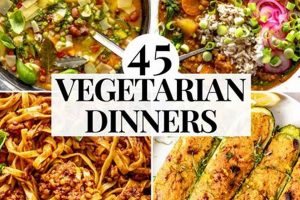
The availability of plant-based culinary options within the Thai capital has experienced significant growth. This segment of the food industry caters to individuals who abstain from all animal products, offering a diverse range of dishes prepared without meat, dairy, eggs, or honey. Examples include adaptations of traditional Thai favorites made with tofu, vegetables, and plant-based sauces, as well as internationally inspired vegan cuisine.
The increasing prevalence of these dietary choices reflects a broader trend towards health-consciousness, environmental awareness, and ethical considerations concerning animal welfare. This has led to a greater demand for establishments providing alternatives to conventional meat-centric meals. Historically, vegetarian and vegan options were less readily available, but now the market is evolving to accommodate diverse dietary needs and preferences.
This exploration will delve into the variety of culinary experiences available, the types of establishments that offer them, and the factors driving their increasing popularity. Further discussion will address where these food options can be found, showcasing key neighborhoods and specific restaurants. The affordability and accessibility of plant-based meals within the urban landscape will also be examined.
Successfully exploring the plant-based culinary landscape requires planning and awareness. The following tips aim to enhance the dining experience for individuals seeking alternatives to animal-derived ingredients.
Tip 1: Research Restaurants in Advance: Prior to venturing out, investigate restaurant menus online. Many establishments clearly indicate plant-based options. Utilize online platforms and resources dedicated to vegan dining to identify suitable choices.
Tip 2: Utilize Translation Tools: Language barriers can pose challenges. Familiarize oneself with key Thai phrases related to dietary restrictions, such as “mang sa wirat” (vegetarian) and “jay” (vegan). Employ translation applications to communicate specific needs clearly.
Tip 3: Inquire About Ingredients: Even when a dish appears plant-based, verify ingredients with the staff. Some sauces or preparations may contain hidden animal products like fish sauce or shrimp paste. Direct questioning ensures informed choices.
Tip 4: Explore Street Food Options Carefully: While street food offers diverse culinary experiences, exercise caution. Many street vendors may not be fully aware of vegan dietary restrictions. Scrutinize ingredients and request modifications, such as omitting egg or meat.
Tip 5: Seek Out Specialized Eateries: Numerous restaurants dedicated exclusively to plant-based cuisine exist. These establishments offer assurance that all dishes adhere to vegan principles, providing peace of mind and expanded menu options.
Tip 6: Consider Cooking Classes: Enhance understanding of Thai cuisine and vegan adaptation techniques by enrolling in a cooking class. Learning to prepare plant-based versions of traditional dishes provides valuable skills and culinary insights.
Tip 7: Explore Plant-Based Markets: Venture into local markets to discover fresh produce, tofu varieties, and plant-based ingredients. These markets offer opportunities to sample local flavors and gather ingredients for preparing meals at home.
These guidelines promote informed decision-making and a satisfying experience when seeking plant-based meals. Diligence in research, communication, and exploration unlocks the rich and diverse culinary landscape available.
This detailed advice should greatly improve your experience in finding appropriate plant-based food options within this vibrant metropolis.
1. Availability

The presence of plant-based cuisine within the urban environment is intrinsically linked to its demand and the evolving food service sector. The rise in demand for alternatives to animal products directly impacts the number of restaurants and food vendors that offer related choices. This reflects a broader global trend towards dietary consciousness and ethical considerations, impacting even traditionally meat-centric cuisines. As an illustration, the increasing number of restaurants indicating vegan options on their menus is a direct consequence of consumer demand and awareness. The presence, or lack thereof, of such establishments directly impacts the practical accessibility of this dietary practice for individuals.
Conversely, limited options can create barriers to participation in vegan lifestyles. Without readily available choices, individuals may struggle to maintain their dietary preferences, particularly when dining out or travelling. This creates a self-perpetuating cycle, whereby a scarcity of choices further limits demand due to inconvenience. Moreover, the availability of suitable ingredients for preparing meals at home is equally crucial. Supermarkets stocking plant-based meat substitutes, tofu, and other vegan essentials are essential components of a supportive ecosystem for individuals following such a dietary course.
In summary, availability forms the foundation upon which a flourishing dietary environment is built. Enhanced access not only empowers dietary choice but also drives innovation and consumer awareness, thus contributing to a more sustainable and ethically conscious approach to food consumption. Challenges remain in ensuring equitable availability across various neighborhoods and socioeconomic groups, warranting continued attention and strategic development. This situation is a vital component of this city.
2. Variety

The breadth of culinary diversity available is a defining characteristic of plant-based options within the city. This variety extends beyond simple substitutions of animal products with plant-based alternatives. It encompasses a wide spectrum of flavors, textures, and culinary traditions, catering to a range of palates and preferences. The availability of numerous Thai dishes adapted for plant-based diets, alongside international cuisines also prepared without animal products, exemplifies this richness. For instance, one can find renditions of Pad Thai, Green Curry, and Tom Yum soup prepared with tofu, tempeh, or plant-based protein, reflecting a deliberate effort to maintain the authenticity of Thai flavors while adhering to vegan principles. Furthermore, international influences contribute to the array of choices, with restaurants offering vegan versions of Italian pasta dishes, Japanese sushi, and Mexican tacos. This extensive selection addresses the diverse tastes of both local residents and international visitors.
The significance of culinary variation directly impacts the appeal and sustainability of veganism as a dietary choice. Limited options can lead to dietary fatigue and hinder long-term adherence to plant-based diets. The presence of diverse choices, conversely, fosters greater engagement and promotes the ongoing adoption of these dietary patterns. This is practically significant in that it encourages both culinary experimentation and satisfies the need for diverse nutritional sources. A narrow range of ingredients or dishes could lead to nutritional deficiencies or a lack of interest in sustaining the eating habit. Therefore, the ongoing culinary creativity and adoption of different influences contribute greatly to the strength and popularity of plant-based options in the city’s food culture.
In conclusion, the correlation between the availability of numerous cuisines and successful plant-based food culture is notable. Continuous support for culinary innovation and the creative exploration of plant-based ingredients is necessary to sustain the long-term growth and appeal of plant-based diets. Ensuring consistent availability will contribute to the city’s reputation as a center for global vegan cuisine, meeting the evolving dietary demands of its inhabitants and visitors alike. Challenges may arise in sourcing diverse ingredients or maintaining authenticity across cultures, necessitating ongoing dialogue and collaboration within the culinary community.
3. Accessibility

Accessibility, in the context of plant-based cuisine in the Thai capital, encompasses the ease with which individuals can obtain suitable meals, factoring in both geographical location and economic considerations. The geographical dimension refers to the distribution of establishments offering vegan options across different neighborhoods. A high concentration of such restaurants in affluent areas, while a scarcity in more economically disadvantaged districts, constitutes unequal accessibility. Similarly, the cost of plant-based meals plays a decisive role. If vegan dishes are priced significantly higher than their conventional counterparts, this creates a barrier for individuals with limited financial resources. For instance, a street food vendor offering a vegan Pad Thai at a comparable price to the non-vegan version enhances accessibility, whereas a high-end restaurant charging exorbitant prices limits it.
The implications of accessibility are multifaceted. When plant-based choices are readily available and affordable, it empowers a wider spectrum of the population to adopt dietary choices aligned with their ethical, health, or environmental beliefs. This, in turn, stimulates further demand and encourages more food vendors to cater to this segment of the market. Conversely, restricted accessibility perpetuates dietary inequalities and limits the potential for broader societal adoption of plant-based lifestyles. Practical applications of this understanding include initiatives such as promoting the establishment of vegan-friendly street food stalls in diverse neighborhoods and advocating for policies that support the affordability of plant-based ingredients. This includes working with local farmers to promote more affordable options.
In summary, accessibility represents a critical factor determining the inclusivity and sustainability of veganism within this large metropolitan area. Addressing existing disparities through targeted interventions, coupled with sustained advocacy for affordability and wider geographical distribution, is essential to ensure that the benefits of plant-based eating are available to all. The ongoing challenge lies in balancing market forces with social responsibility to foster an equitable food ecosystem. Success would transform the capital into a model city where diverse dietary choices are within reach for all residents, irrespective of location or economic background.
4. Adaptation

Adaptation is a cornerstone of the thriving plant-based culinary scene within the Thai capital. The successful integration of vegan principles into a cuisine traditionally reliant on animal products necessitates significant modifications to established recipes and cooking techniques. This transformation extends beyond the simple removal of meat, fish sauce, or eggs; it requires a sophisticated understanding of ingredient substitution and flavor balancing to replicate or enhance the original culinary experience. The causality is clear: without adaptation, the availability of plant-based Thai dishes would be severely limited, hindering the appeal and accessibility of veganism to both locals and tourists.
The importance of adaptation lies in its ability to bridge the gap between cultural culinary traditions and evolving dietary preferences. For example, the substitution of fish sauce with a blend of fermented soybeans and seaweed creates a vegan alternative that preserves the umami flavor characteristic of Thai cuisine. Similarly, the use of jackfruit to mimic the texture of pulled pork in dishes like Pad See Ew demonstrates the ingenuity involved in replicating familiar textures and flavors using plant-based ingredients. The practical significance of this understanding is that it encourages chefs and food vendors to embrace creativity and innovation, broadening the appeal of plant-based options and contributing to the sustainability of vegan food culture. Adaptation can also involve presentation and marketing, to further promote their food.
The ongoing challenge is to maintain the authenticity of Thai flavors while adhering strictly to vegan principles. Some adaptations may inadvertently dilute the traditional taste profiles or rely on processed ingredients that compromise the health benefits of a plant-based diet. Therefore, continuous experimentation with local and sustainable ingredients, coupled with a deep understanding of Thai culinary heritage, is crucial for ensuring that adaptation remains a force for positive change. This ensures that the availability of this unique and interesting cuisine continues to flourish.
5. Innovation

The relationship between innovation and plant-based food within the Thai capital is symbiotic. Innovation serves as the catalyst for expanding the appeal and accessibility of this dietary choice, driving both culinary creativity and technological advancements in food production. The absence of innovation would result in stagnation, limiting the diversity and attractiveness of vegan options and hindering its potential for mainstream adoption. A direct consequence of innovation is the creation of novel plant-based ingredients, dishes, and culinary techniques that overcome challenges related to taste, texture, and nutritional value. A prime example is the development of plant-based protein sources, such as textured vegetable protein or seitan, that mimic the texture and mouthfeel of meat, enabling chefs to recreate traditional Thai dishes with authentic flavors and satisfying textures, while remaining entirely plant-based.
Further innovation is evident in the application of technology to enhance the sustainability and efficiency of plant-based food production. Vertical farming, for instance, allows for the cultivation of fresh produce within urban environments, reducing transportation costs and minimizing environmental impact. Moreover, advancements in food packaging and preservation extend the shelf life of plant-based products, making them more readily available and convenient for consumers. The practical significance of this ongoing innovation is that it not only broadens the range of plant-based options but also improves their nutritional profile, affordability, and environmental sustainability. Culinary schools are beginning to incorporate curricula focused on vegan culinary techniques, which helps spur continuous development.
In conclusion, innovation is not merely an ancillary aspect of the plant-based food sector; it is the driving force behind its evolution and increasing prominence. The challenges lie in fostering a culture of creativity and collaboration among chefs, food scientists, and entrepreneurs, while simultaneously ensuring that innovations align with principles of sustainability, affordability, and cultural sensitivity. By continuing to prioritize and support innovation, the capital can solidify its position as a leading center for plant-based cuisine, providing a model for other cities striving to promote more ethical and environmentally conscious food systems.
Frequently Asked Questions
This section addresses common inquiries regarding plant-based eating within the metropolitan region. Clarifying these points promotes understanding and facilitates informed dietary choices.
Question 1: Is “vegan food in Bangkok” easily accessible throughout the city, or are certain areas better for finding it?
The availability varies by district. While plant-based options are increasingly prevalent, certain areas, such as Sukhumvit and Ari, boast a higher concentration of dedicated vegan restaurants and establishments with extensive plant-based menus. Exploring beyond these areas may require more diligent research.
Question 2: Are most “vegan food in Bangkok” options simply Western-style dishes adapted to be plant-based, or are there many traditional Thai dishes that are naturally vegan or easily modified?
Both Western and adapted Thai dishes are available. Numerous traditional Thai dishes can be readily modified by omitting animal products like fish sauce or shrimp paste. Restaurants specializing in plant-based cuisine often offer creative interpretations of classic Thai dishes.
Question 3: How does the cost of “vegan food in Bangkok” compare to traditional Thai cuisine? Is it generally more expensive, cheaper, or about the same?
The cost varies. Some dedicated vegan restaurants may charge higher prices due to specialized ingredients. However, many street food vendors and local eateries offer affordable plant-based options that are comparable in price to traditional dishes.
Question 4: What are some essential Thai phrases to know when seeking “vegan food in Bangkok” to communicate dietary needs effectively?
Key phrases include “jay” (vegan), “mang sa wirat” (vegetarian), and “mai sai nam pla” (no fish sauce). Learning to express these phrases clearly assists in conveying dietary requirements to restaurant staff.
Question 5: Are there reliable online resources or apps that can help locate and review “vegan food in Bangkok” establishments?
Yes, several online platforms and mobile applications, such as HappyCow and Veg Visits, provide directories, reviews, and user ratings of vegan and vegetarian restaurants. These resources can aid in discovering suitable dining options.
Question 6: Does the prevalence of “vegan food in Bangkok” indicate a growing awareness and acceptance of plant-based diets within Thai society?
The increasing availability of plant-based options reflects a growing awareness and acceptance of these dietary choices. This trend is driven by concerns related to health, animal welfare, and environmental sustainability. However, further education and promotion are needed to foster broader understanding and adoption.
These answers offer a preliminary understanding of the current plant-based dietary environment. Further research and exploration are encouraged for a more comprehensive perspective.
This information will guide in navigating the intricacies of this vibrant city’s rich selection of vegan offerings, setting the stage for the final thoughts.
Conclusion
This exploration has illuminated the diverse and evolving landscape of plant-based culinary options within the Thai capital. From accessibility and variety to adaptation and innovation, multiple factors contribute to the growing presence of vegan cuisine. The investigation revealed that while challenges remain regarding equitable distribution and affordability, significant strides have been made in catering to the dietary needs of a diverse population seeking alternatives to animal products.
The sustained growth and enhancement of vegan food offerings demands continued attention from culinary professionals, policymakers, and consumers alike. Further collaboration and awareness initiatives are essential to fostering a truly inclusive and sustainable food system that benefits both individuals and the environment. The future trajectory of plant-based cuisine hinges on ongoing dedication to ethical and environmentally responsible practices, ensuring that this dietary choice becomes increasingly accessible and appealing to all. Continued vigilance and dedication to the evolution of plant-based options within the city will only elevate its profile and promote a healthier and more sustainable culinary identity.