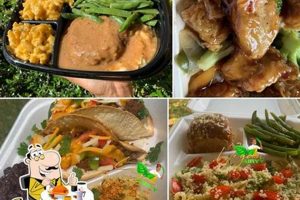
Plant-based cuisine prepared for the holiday season offers an alternative to traditional festive meals that often include meat, dairy, and eggs. This culinary approach emphasizes dishes crafted from fruits, vegetables, legumes, grains, and nuts. For example, a Christmas dinner might feature a lentil loaf in place of a meat roast, accompanied by roasted root vegetables and a cranberry sauce made without gelatin.
Choosing meals aligned with plant-based principles during the holiday period can contribute to reduced environmental impact, align with ethical considerations regarding animal welfare, and offer potential health benefits associated with increased consumption of plant-derived nutrients. Historically, vegetarian and vegan diets have been practiced in various cultures for centuries, and the modern adaptation for celebratory occasions reflects a growing awareness of dietary choices and their broader implications.
The following sections will explore specific recipe ideas suitable for a festive plant-based feast, address considerations for adapting traditional recipes, offer guidance on sourcing ingredients, and provide tips for creating a memorable and inclusive holiday dining experience. The aim is to empower individuals to create delicious and satisfying meals that are both aligned with their values and reflective of the celebratory spirit of the season.
Essential Guidance for a Plant-Based Holiday Feast
Navigating a festive meal centered around plant-based choices requires careful planning and execution. The following guidelines offer practical advice to ensure a satisfying and inclusive dining experience.
Tip 1: Plan the Menu in Advance. Develop a detailed menu well in advance to allow ample time for recipe research, ingredient sourcing, and practice runs. Consider the dietary requirements and preferences of all guests.
Tip 2: Prioritize Seasonal Produce. Utilize fruits and vegetables that are in season for optimal flavor and nutritional value. This approach often reduces costs and supports local agriculture.
Tip 3: Adapt Traditional Recipes. Many classic holiday dishes can be adapted by substituting plant-based alternatives. For example, aquafaba can replace egg whites in meringues, and vegetable broth can be used in place of chicken broth.
Tip 4: Ensure Adequate Protein Sources. Include dishes that offer sufficient protein, such as lentil-based dishes, tofu roasts, or meals featuring nuts and seeds. Protein is essential for satiety and overall nutritional balance.
Tip 5: Embrace Variety in Flavors and Textures. Strive to incorporate a diverse range of flavors and textures to create a more appealing and satisfying meal. Consider sweet, savory, creamy, and crunchy elements.
Tip 6: Prepare Components in Advance. Many components of the meal, such as sauces, dressings, and desserts, can be prepared ahead of time to reduce stress on the day of the event.
Tip 7: Offer Plant-Based Alternatives to Traditional Drinks. Consider providing non-dairy eggnog alternatives or spiced apple cider to ensure a complete experience.
The adherence to these tips fosters a seamless and enjoyable plant-based holiday gathering, demonstrating that culinary creativity and mindful choices can harmonize seamlessly.
The following sections will explore specific recipe ideas suitable for a festive plant-based feast.

Festive menu planning is a critical determinant of the success and enjoyment of plant-based meals for celebratory occasions. It dictates the overall structure and flow of the meal, influencing the range of flavors, textures, and nutritional components presented. A lack of structured planning may result in a disparate collection of dishes lacking cohesion and potentially failing to meet nutritional needs or satisfy culinary expectations. For instance, failing to include a sufficient protein source may lead to a meal that is not only unsatisfying but also nutritionally imbalanced. Conversely, a well-planned menu ensures a harmonious and satisfying experience.
Effective festive menu planning for plant-based meals involves several key considerations. These include identifying seasonally available produce to maximize flavor and minimize environmental impact, selecting recipes that offer diverse flavor profiles, and adapting traditional festive dishes to plant-based versions. A real-world example of menu planning is the transformation of a traditional roast dinner. The process entails replacing the meat roast with a lentil or nut loaf, substituting dairy-based sauces with cashew cream alternatives, and ensuring the vegetable sides are prepared with plant-based oils and seasonings. This transformation exemplifies practical adaptation.
In conclusion, the correlation between festive menu planning and successful plant-based holiday meals is direct. The process provides structure and forethought, resulting in a nutritionally balanced and sensorially gratifying experience. Challenges may arise from unfamiliarity with plant-based ingredient substitutions or limited knowledge of plant-based culinary techniques. Addressing these challenges through research and experimentation allows for creative and delicious holiday celebrations that align with ethical and dietary preferences. A well-considered menu underscores the positive experiences associated with festive plant-based cuisine.
2. Ingredient substitutions

The adaptation of traditional Christmas recipes to plant-based diets necessitates strategic ingredient substitutions. These modifications maintain the desired flavors and textures while adhering to dietary restrictions and ethical considerations. Effective substitutions are essential for recreating familiar holiday dishes without animal products.
- Dairy Replacements
Dairy products, prevalent in many Christmas dishes, require careful replacement. Cow’s milk is often substituted with plant-based milks derived from soy, almonds, oats, or coconuts. Butter is replaced by vegan margarine or coconut oil. Cream can be replicated using blended cashews or coconut cream. These substitutions ensure traditional dishes like mashed potatoes, sauces, and desserts retain their creamy textures and flavors.
- Egg Alternatives
Eggs, integral to baking and binding, demand functional replacements. Aquafaba, the liquid from canned chickpeas, serves as an effective egg white substitute in meringues and mousses. Flaxseed meal or chia seeds mixed with water can bind ingredients in cakes and cookies. Commercial egg replacers are also available. These substitutions enable the creation of vegan versions of festive baked goods and custards.
- Meat Substitutes
Traditional Christmas roasts often feature meat, which necessitates plant-based alternatives for vegan meals. Tofu, tempeh, seitan, and commercially available vegan roasts serve as primary meat replacements. Lentils, mushrooms, and nuts can form the base of vegetarian meatloaves. These alternatives provide protein and replicate the texture and substance of meat-based dishes.
- Gelatin Replacements
Gelatin, derived from animal collagen, is often used in desserts like jellies and mousses. Agar-agar, derived from seaweed, and pectin, derived from fruits, serve as effective vegan substitutes. These replacements provide the gelling properties required for vegan versions of classic holiday desserts.
The success of vegan Christmas cuisine hinges on the skillful application of ingredient substitutions. These replacements allow for the recreation of traditional flavors and textures while adhering to plant-based dietary guidelines. Strategic planning and experimentation with different substitutions can yield delicious and satisfying vegan holiday meals, demonstrating that plant-based diets can fully participate in festive culinary traditions. Furthermore, successful substitutions broaden the accessibility of traditional holiday meals to those with dietary restrictions, fostering inclusivity and culinary creativity.
3. Plant-based protein sources

The incorporation of plant-based protein sources is a fundamental aspect of planning vegan meals for Christmas. Given the absence of animal products, which typically constitute a significant portion of protein intake in traditional holiday feasts, the selection and preparation of alternative protein sources are crucial for ensuring nutritional adequacy and satiety. The lack of sufficient protein can result in a meal that is perceived as unsatisfying and nutritionally incomplete. Conversely, a carefully curated selection of plant-based proteins provides the necessary building blocks for a complete and balanced meal.
Examples of plant-based protein sources commonly utilized in meals for Christmas include legumes (lentils, chickpeas, beans), nuts and seeds (almonds, walnuts, sunflower seeds), soy products (tofu, tempeh, edamame), and grains (quinoa, wild rice). A lentil loaf, for instance, can serve as a central protein-rich dish, replacing traditional meat roasts. A nut roast, incorporating a variety of nuts and seeds, provides a textural and flavorful alternative. Tofu-based dishes, such as tofu wellington, offer a more familiar and versatile protein source. Furthermore, the strategic inclusion of protein-rich side dishes, such as quinoa salads or roasted edamame, contributes to the overall protein content of the meal.
In conclusion, understanding the importance of plant-based protein sources is paramount for creating successful vegan meals for Christmas. The selection and preparation of these sources directly impact the nutritional value, flavor, and overall satisfaction of the meal. Challenges may arise from unfamiliarity with plant-based protein sources or difficulties in adapting traditional recipes. However, through research, experimentation, and a focus on flavor and texture, individuals can create holiday meals that are both nutritionally complete and aligned with their ethical and dietary values. This emphasis enhances the inclusivity of festive meals for all individuals.
4. Seasonal produce utilization

The strategic use of seasonal produce is intrinsically linked to successful plant-based cuisine for Christmas. The practice directly influences flavor profiles, nutritional value, and environmental impact. Utilizing ingredients at their peak season guarantees enhanced taste and aroma, attributes crucial for creating memorable holiday meals. Conversely, relying on out-of-season items often results in diminished quality and increased transportation costs, affecting both the palatability and sustainability of the dishes.
Consider the example of winter squash, a seasonal staple during the Christmas period. Incorporating butternut squash into a vegan Christmas menu, through a roasted squash soup or a squash and sage risotto, leverages the vegetable’s natural sweetness and creamy texture. Similarly, Brussels sprouts, at their peak in winter, can be transformed into flavorful side dishes with roasting and balsamic glaze. Utilizing citrus fruits like oranges and clementines, also seasonal, contributes bright flavors and essential vitamins to desserts and salads. These examples illustrate how seasonal produce contributes directly to the overall quality and festive character of the meal. The selection of seasonally appropriate fruits and vegetables underscores a commitment to environmentally conscious dining, minimizing the carbon footprint associated with long-distance transportation of produce.
In conclusion, seasonal produce utilization is a cornerstone of effective plant-based Christmas meals. By prioritizing in-season ingredients, chefs can enhance flavors, nutritional value, and environmental sustainability. Challenges may include limited availability of certain items or the need to adapt traditional recipes to incorporate seasonal alternatives. Overcoming these challenges through thoughtful menu planning and creative adaptation ensures that plant-based holiday meals are both delicious and environmentally responsible. The benefits of emphasizing seasonal ingredients extend beyond flavor, promoting a more ethical and sustainable approach to festive culinary practices.
5. Flavor diversification

Flavor diversification is a critical component in the successful execution of plant-based meals for Christmas. The exclusion of animal products, which traditionally contribute significantly to the flavor profile of festive dishes, necessitates a strategic approach to flavor enhancement. Without deliberate diversification, meals may lack depth and complexity, potentially resulting in a less satisfying culinary experience. Flavor diversification, therefore, acts as a compensatory mechanism, ensuring that vegan holiday meals are both appetizing and memorable. An example illustrating the effect of flavor diversification is the transformation of a simple roasted vegetable dish. Instead of plain roasting, incorporating a variety of herbs, spices, and glazes such as maple syrup or balsamic vinegar can elevate the dish from a side item to a centerpiece. This transformation highlights the impact of a multifaceted approach to flavoring.
The practical application of flavor diversification involves several techniques. Strategic spice selection, incorporating both warming spices like cinnamon and nutmeg, and savory spices like cumin and coriander, can add layers of complexity. Acidic elements, such as citrus juice or vinegar, balance richness and prevent palate fatigue. Textural contrasts, achieved through incorporating nuts, seeds, or crispy vegetables, enhance the sensory experience. A real-world example includes a vegan stuffing recipe, where the use of dried cranberries, toasted pecans, and fresh herbs creates a balanced and nuanced flavor profile that surpasses a simple bread-based stuffing.
In summary, flavor diversification is essential to the appeal of vegan Christmas meals. Addressing flavor deficiencies caused by the absence of animal products ensures a rich and fulfilling dining experience. Potential challenges include ingredient sourcing or unfamiliarity with particular spice combinations. However, thoughtful experimentation with diverse flavors and textures allows for the creation of plant-based holiday feasts that are not only nutritionally balanced but also exceptionally flavorful and inclusive of diverse palates. The understanding of flavor diversification is of practical significance and contributes directly to the success of vegan food for Christmas.
6. Advance preparation

Advance preparation is a critical determinant of success when executing a plant-based Christmas meal. The complexity often associated with festive culinary traditions, coupled with the specific considerations of plant-based cuisine, necessitates careful planning and preemptive action. Failure to adequately prepare in advance can lead to significant logistical challenges, increased stress levels, and a potentially compromised dining experience. A prime example includes neglecting to prepare components like sauces, stocks, or doughs ahead of time, which can overwhelm the cook on the day of the event and result in dishes being rushed or incomplete. Thus, advance preparation serves as a foundational element for a smooth and enjoyable culinary experience.
Practical application of advance preparation involves several key steps. Menu planning should occur well in advance, allowing ample time for recipe research and sourcing of specialized ingredients. Components such as pie crusts, cranberry sauce, and vegetable broths can be prepared days or even weeks ahead and stored appropriately. Vegetable chopping can be performed in advance and the prepped items stored in airtight containers to save time on the day. Furthermore, considering make-ahead dishes like casseroles or slow-cooker meals minimizes active cooking time on Christmas day, providing greater flexibility. A tangible demonstration of the value of advance preparation can be observed in the preparation of a vegan Wellington; its construction and initial baking can be completed the day before, leaving only a final heating on Christmas day. This approach mitigates time pressure, allows for greater attention to detail, and reduces the likelihood of errors.
In conclusion, the correlation between advance preparation and the successful execution of vegan Christmas meals is direct and significant. Time savings, stress reduction, and enhanced dish quality are the primary benefits. Potential obstacles include underestimation of preparation time or inadequate storage space. However, proactive menu planning and systematic task delegation effectively mitigate these challenges. By embracing advance preparation, individuals can ensure a relaxed, enjoyable, and culinarily satisfying Christmas that aligns with their ethical and dietary commitments. Understanding this process transforms the overall experience from potentially daunting to a joyous occasion, and that knowledge is practically advantageous for all involved.
7. Inclusive beverage options
The availability of inclusive beverage options directly impacts the success and perceived hospitality of a vegan Christmas meal. While the food itself adheres to plant-based principles, the absence of corresponding beverage selections can create a sense of incompleteness or exclusion for guests adhering to vegan or other specific dietary guidelines. The provision of suitable drink alternatives is, therefore, a crucial component in creating a fully welcoming and cohesive dining experience. A lack of attention to inclusive beverages can unintentionally detract from the overall positive impression of the plant-based meal. For example, offering a thoughtfully prepared vegan main course alongside only dairy-based or gelatin-containing beverages undermines the effort to cater to specific dietary needs.
Practical implementation of inclusive beverage options involves several considerations. Traditional holiday drinks such as eggnog, hot chocolate, and certain alcoholic beverages often contain animal-derived ingredients. Substituting dairy milk with plant-based alternatives like almond, soy, or oat milk in hot chocolate and eggnog provides a suitable vegan option. Clear labeling of ingredients is essential to avoid unintentional consumption of non-vegan components. Offering a variety of choices, including non-alcoholic options like sparkling cider, herbal teas, and fruit-infused water, caters to diverse preferences and dietary requirements. A real-world example involves serving a dairy-free eggnog made with cashew milk and omitting any alcohol with gelatin clarifying agents, alongside a selection of herbal teas and fruit-infused water. This approach demonstrates an active intention to cater to the dietary needs of all guests.
In summary, inclusive beverage options are integral to the overall success of vegan food for Christmas, fostering a sense of welcome and culinary completeness. The selection of beverages should mirror the ethical and dietary considerations applied to the food itself. Challenges may arise from a lack of awareness of vegan beverage alternatives or difficulties in sourcing specific ingredients. Through proactive planning, thoughtful substitution, and clear communication, hosts can ensure that all guests enjoy a fully inclusive and festive dining experience. By prioritizing inclusive beverage options, a greater level of thoughtfulness is demonstrated, contributing to the overall satisfaction of everyone.
Frequently Asked Questions
The following addresses common inquiries regarding the preparation, execution, and nutritional considerations of plant-based festive meals.
Question 1: How can traditional Christmas recipes be effectively adapted to a plant-based diet?
Traditional recipes can be modified through strategic ingredient substitutions. Animal products such as dairy, eggs, and meat can be replaced with plant-based alternatives, ensuring the retention of desired flavors and textures. Examples include using plant-based milk in place of cow’s milk, aquafaba as an egg substitute, and lentils or tofu in lieu of meat.
Question 2: What are reliable plant-based protein sources for Christmas dinners?
Suitable plant-based protein sources include legumes (lentils, chickpeas, beans), nuts and seeds (almonds, walnuts, sunflower seeds), soy products (tofu, tempeh, edamame), and grains (quinoa, wild rice). Incorporating a combination of these ingredients can provide a balanced amino acid profile and ensure adequate protein intake.
Question 3: How can flavor be effectively diversified in vegan Christmas dishes?
Flavor diversification can be achieved through the strategic use of herbs, spices, acids, and textural contrasts. Incorporating a variety of spices, such as cinnamon, nutmeg, cumin, and coriander, adds depth and complexity. Acidic elements, like citrus juice or vinegar, balance richness. Textural contrasts, achieved through nuts, seeds, or crispy vegetables, enhance the sensory experience.
Question 4: Is advance preparation essential for a successful vegan Christmas meal?
Advance preparation is highly recommended for minimizing stress and optimizing the culinary experience. Menu planning, ingredient sourcing, and the preparation of components like sauces, stocks, and doughs can be completed in advance to streamline the cooking process.
Question 5: What are some inclusive beverage options for a vegan Christmas gathering?
Inclusive beverage options include plant-based milk alternatives for hot chocolate and eggnog, sparkling cider, herbal teas, and fruit-infused water. Alcoholic beverages should be verified as vegan, as some may contain animal-derived clarifying agents.
Question 6: How can seasonal produce be effectively utilized in a plant-based Christmas menu?
Seasonal produce should be prioritized for optimal flavor, nutritional value, and environmental sustainability. Winter squash, Brussels sprouts, and citrus fruits are examples of seasonal ingredients that can be incorporated into various dishes, from soups to salads to desserts.
Strategic planning, ingredient substitutions, and a focus on flavor and nutritional balance are crucial for creating successful and satisfying plant-based festive meals. This knowledge ensures a culinary experience that is both ethical and enjoyable.
The following sections will explore advanced techniques for crafting innovative vegan Christmas dishes.
Vegan Food for Christmas
This exploration of meals devoid of animal products for the Christmas season has highlighted crucial aspects from ingredient substitution to menu planning. The necessity of considering seasonal produce, ensuring sufficient plant-based protein, and diversifying flavor profiles has been underscored. Successful execution requires diligent advance preparation and the provision of inclusive beverage options to foster a sense of completeness and hospitality.
The implementation of these principles facilitates a holiday celebration that aligns culinary enjoyment with ethical considerations and dietary needs. A continued focus on innovation and awareness within this culinary sphere promises to expand the possibilities and further normalize compassionate and sustainable festive dining practices. The future of Christmas feasts can incorporate meals devoid of animal products for a healthier planet.
![Easy Vegan Angel Food Cake Recipe [Fluffy!] | Discover Delicious Vegan Food, Beauty Swaps, and Zero-Waste Tips for a Greener Life](https://thisvegangirl.com/wp-content/uploads/2026/04/th-161-300x200.jpg "Easy Vegan Angel Food Cake Recipe [Fluffy!] Discover Delicious Vegan Food, Beauty Swaps, and Zero-Waste Tips for a Greener Life")
![Find a Great Vegan Food Shop Near Me: [City Name] Guide | Discover Delicious Vegan Food, Beauty Swaps, and Zero-Waste Tips for a Greener Life](https://thisvegangirl.com/wp-content/uploads/2026/04/th-151-300x200.jpg "Find a Great Vegan Food Shop Near Me: [City Name] Guide Discover Delicious Vegan Food, Beauty Swaps, and Zero-Waste Tips for a Greener Life")