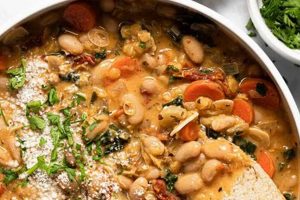
Formulations designed to exclude ingredients high in fermentable oligosaccharides, disaccharides, monosaccharides, and polyols (FODMAPs) while adhering to a plant-based dietary framework constitute a specific approach to food preparation. These formulations cater to individuals managing digestive sensitivities or Irritable Bowel Syndrome (IBS) who also maintain a vegan lifestyle. An example would be a lentil-free vegetable curry using coconut milk and tolerated spices, served with quinoa.
This dietary strategy offers the potential to alleviate gastrointestinal distress experienced by some individuals with FODMAP sensitivities by removing common trigger foods. Its application in a vegan context allows those following a plant-based diet to manage symptoms without compromising their ethical or health-related dietary choices. The increased awareness of IBS and food sensitivities has spurred demand for tailored dietary options, highlighting the significance of accessible and well-researched guidance.
Understanding the core principles of low-FODMAP meal construction, identifying suitable plant-based ingredient substitutions, and accessing reliable sources for meal planning are critical for successful implementation. This necessitates a careful approach to recipe modification and label reading to ensure compliance with both dietary restrictions.
Strategies for Plant-Based, Low-FODMAP Meal Preparation
Implementing a plant-based, low-FODMAP diet requires careful planning and attention to ingredient selection. The following strategies aim to facilitate successful navigation of this dietary approach.
Tip 1: Prioritize Certified Low-FODMAP Products: When available, select products certified as low in FODMAPs. This certification provides assurance regarding the FODMAP content of the food and simplifies meal planning.
Tip 2: Master Ingredient Substitutions: Familiarize oneself with suitable low-FODMAP alternatives to common high-FODMAP vegan ingredients. For instance, substitute garlic with garlic-infused oil (using the oil only, not the solids), onions with the green parts of scallions, and wheat-based products with rice or quinoa.
Tip 3: Read Labels Meticulously: Scrutinize ingredient labels for hidden sources of high-FODMAP substances. Be vigilant regarding the presence of ingredients such as inulin, high-fructose corn syrup, honey, and certain sugar alcohols (e.g., sorbitol, mannitol, xylitol).
Tip 4: Focus on Well-Tolerated Vegetables: Emphasize vegetables known to be low in FODMAPs. Examples include carrots, spinach, bell peppers, cucumbers, zucchini, and eggplant. Prepare these vegetables using appropriate cooking methods to enhance digestibility.
Tip 5: Control Portion Sizes of Moderate-FODMAP Foods: Some plant-based foods are permissible in small quantities. Monitor portion sizes of moderate-FODMAP items, such as avocado, sweet potato, and certain fruits, to remain within tolerable limits.
Tip 6: Incorporate Fermented Foods Strategically: Certain fermented plant-based foods, like properly fermented sauerkraut (without added high-FODMAP ingredients), may be well-tolerated. However, introduce these cautiously, monitoring individual responses.
Tip 7: Consult with a Registered Dietitian: Seek guidance from a registered dietitian specializing in both vegan diets and IBS management. Personalized advice ensures nutritional adequacy and optimizes symptom control.
Adherence to these strategies facilitates the development of a satisfying and symptom-controlled plant-based, low-FODMAP dietary pattern. Careful planning and consistent application are essential for successful outcomes.
With careful planning and the appropriate resources, adherence to a diet avoiding high-FODMAP foods while maintaining a plant-based framework is achievable. The subsequent section explores resources for further guidance and meal planning.
1. Ingredient Compatibility

In the context of plant-based, low-FODMAP formulations, ingredient compatibility represents a foundational element governing success in both symptom management and nutritional adequacy. The selection of ingredients must adhere to two distinct criteria: exclusion of high-FODMAP substances and alignment with vegan principles. Failure to address either criterion renders the resulting formulation unsuitable. The presence of high-FODMAP components can trigger adverse gastrointestinal symptoms in susceptible individuals, negating the intended benefits. Conversely, the inclusion of animal-derived products compromises the ethical and dietary tenets of a vegan lifestyle. For example, a recipe using agave nectar (high FODMAP) as a sweetener, even if otherwise plant-based, would be incompatible for those following a strict low-FODMAP dietary pattern. Similarly, a recipe employing honey, while often considered “natural,” is unsuitable for vegans.
The practical significance of understanding ingredient compatibility manifests in several key areas. First, it dictates the need for comprehensive ingredient knowledge. Individuals must possess the ability to identify potential FODMAP sources and distinguish between permissible and prohibited plant-based alternatives. Second, it necessitates careful recipe modification. Existing vegan formulations may require adaptation to eliminate high-FODMAP elements, such as substituting garlic with garlic-infused oil or wheat flour with rice flour. Third, it underscores the importance of precise label reading. Processed food products can contain hidden FODMAPs or animal-derived ingredients that are not immediately apparent. For instance, some brands of vegetable broth may contain onion or garlic, both high in FODMAPs, or even trace amounts of animal products used in processing.
In summary, ingredient compatibility is an indispensable component of successful plant-based, low-FODMAP food creation. The challenge lies in identifying suitable replacements for high-FODMAP ingredients and animal-derived products, requiring careful planning and diligent execution. A lack of attention to ingredient compatibility can result in symptom exacerbation and non-adherence to vegan principles, highlighting the need for comprehensive knowledge and meticulous preparation. This understanding directly links to the broader theme of customized nutrition, where dietary choices are tailored to address both specific health needs and personal ethical values.
2. Nutrient Density

The concept of nutrient density assumes critical importance when constructing plant-based, low-FODMAP dietary patterns. The restrictive nature of both dietary frameworks, when combined, can inadvertently limit the intake of essential micronutrients and macronutrients. Specifically, the elimination of common high-FODMAP foods, such as certain fruits, vegetables, legumes, and grains, can reduce dietary diversity and, consequently, nutrient availability. Furthermore, strict adherence to a vegan diet, without careful planning, can increase the risk of deficiencies in nutrients like vitamin B12, iron, calcium, vitamin D, and omega-3 fatty acids. The intersection of these two dietary approaches necessitates strategic food selection to maximize nutrient intake within the permitted food list. For example, replacing high-FODMAP fruits like apples with low-FODMAP fruits such as blueberries provides vitamins and antioxidants while minimizing potential gastrointestinal distress. Prioritizing iron-rich plant-based sources, such as spinach and pumpkin seeds, is crucial for maintaining adequate iron levels, particularly for individuals at higher risk of iron deficiency.
Addressing nutrient density requires a multi-faceted approach. First, individuals should focus on incorporating a variety of low-FODMAP, nutrient-rich plant foods into each meal. This includes utilizing vegetables like spinach, carrots, and zucchini, which provide essential vitamins and minerals. Second, supplementation may be necessary to address potential deficiencies. Vitamin B12 supplementation is generally recommended for all vegans, irrespective of FODMAP status. Calcium and vitamin D supplementation may also be warranted based on individual dietary intake and sun exposure. Third, strategic meal planning plays a vital role. Combining foods to enhance nutrient absorption is crucial; for instance, consuming vitamin C-rich foods alongside iron-rich foods can improve iron bioavailability. In terms of real world meal preparation, consider a breakfast of low-FODMAP oatmeal cooked with water or fortified almond milk, topped with blueberries and pumpkin seeds. This offers a combination of fiber, antioxidants, and essential minerals. Or for dinner, a stir-fry of tofu, bell peppers, broccoli, and carrots with tamari and ginger served over quinoa.
In conclusion, maintaining adequate nutrient density within a plant-based, low-FODMAP dietary framework presents a considerable challenge that requires careful planning, strategic food selection, and, in some cases, supplementation. The exclusion of numerous food groups necessitates a proactive approach to ensure adequate intake of essential nutrients. A lack of attention to nutrient density can result in deficiencies and associated health complications. This understanding underscores the need for personalized dietary guidance from a registered dietitian experienced in both vegan nutrition and IBS management to optimize health outcomes and overall well-being. The long-term success of a plant-based, low-FODMAP diet hinges on the ability to maintain nutritional adequacy while effectively managing gastrointestinal symptoms.
3. Flavor Enhancement

In the realm of formulations designed to align with both vegan principles and low-FODMAP dietary restrictions, flavor enhancement presents a considerable challenge. The omission of common flavor-building ingredients, such as garlic, onions, and certain fruits, necessitates the exploration of alternative methods to achieve palatable and satisfying dishes. The absence of these foundational elements can render plant-based, low-FODMAP meals bland and unappetizing, potentially leading to reduced dietary adherence. Flavor enhancement is therefore not merely an aesthetic consideration but a critical component in ensuring the long-term sustainability of this dietary approach. Consider the simple act of sauting vegetables. In conventional cooking, garlic and onion often form the aromatic base, imparting depth and complexity to the dish. The exclusion of these alliums requires the employment of alternative techniques, such as the use of garlic-infused oil (using the oil only), asafoetida in minute quantities, or the incorporation of herbs and spices with distinct flavor profiles.
The application of flavor enhancement strategies extends beyond basic ingredient substitutions. It involves a nuanced understanding of flavor interactions and the impact of cooking methods. For example, roasting vegetables can intensify their natural sweetness and create a more complex flavor profile compared to boiling. Incorporating umami-rich ingredients, such as nutritional yeast or sun-dried tomatoes (in moderation), can add depth and savory notes to dishes. The use of acids, such as lemon juice or vinegar, can brighten flavors and balance sweetness. Furthermore, attention to texture plays a role in flavor perception. Varying the textures of different components within a dish can enhance the overall sensory experience. Consider a vegetable curry incorporating both creamy coconut milk and crunchy toasted pumpkin seeds. The challenge lies in achieving a harmonious balance of flavors and textures without relying on prohibited ingredients. Careful experimentation and recipe development are essential to identify successful combinations.
In summary, flavor enhancement is an integral aspect of plant-based, low-FODMAP formulations. The exclusion of common flavor enhancers necessitates a creative and strategic approach to recipe development. A lack of attention to flavor can result in unpalatable meals, leading to reduced dietary adherence and potential nutritional deficiencies. By embracing alternative flavor-building techniques and understanding flavor interactions, it is possible to create satisfying and enjoyable plant-based, low-FODMAP meals that promote long-term dietary sustainability. This understanding directly relates to the broader concept of personalized nutrition, where dietary interventions are tailored to meet both specific health needs and individual taste preferences.
4. Digestive Tolerance

Digestive tolerance represents a central consideration in the practical application of plant-based, low-FODMAP formulations. The inherent variability in individual responses to different food components necessitates a personalized approach to dietary management. While the low-FODMAP framework aims to reduce the overall burden of fermentable carbohydrates, individual thresholds and sensitivities can differ significantly. Consequently, a standardized recipe adhering strictly to low-FODMAP guidelines may still elicit adverse reactions in some individuals, highlighting the critical importance of careful self-monitoring and adjustment.
- Individual Variability in FODMAP Sensitivity
The severity of symptoms and the specific FODMAPs that trigger them vary widely among individuals with Irritable Bowel Syndrome (IBS) or other digestive sensitivities. Some individuals may be highly sensitive to fructans, while others may be more reactive to lactose or polyols. A plant-based, low-FODMAP recipe containing even small amounts of a poorly tolerated FODMAP can trigger symptoms such as bloating, gas, abdominal pain, or diarrhea. The implications of this variability necessitate a gradual introduction of new recipes and careful monitoring of individual responses to identify specific trigger foods.
- The Concept of “FODMAP Stacking”
FODMAP stacking refers to the cumulative effect of consuming multiple foods containing low or moderate amounts of FODMAPs within a short period. While a single serving of a given food may be well-tolerated, consuming several such foods in quick succession can exceed an individual’s tolerance threshold and provoke symptoms. A plant-based, low-FODMAP meal consisting of several ingredients that each contain small amounts of FODMAPs could inadvertently lead to symptom exacerbation. Therefore, attention to portion sizes and meal spacing is crucial for preventing FODMAP stacking.
- Impact of Gut Microbiome Composition
The composition of the gut microbiome plays a significant role in the fermentation of FODMAPs and the subsequent production of gases and other metabolites that contribute to IBS symptoms. Individuals with different gut microbiome profiles may exhibit varying degrees of digestive tolerance to specific FODMAPs. A plant-based diet, while generally beneficial for gut health, can alter the microbiome composition over time, potentially influencing FODMAP tolerance. Furthermore, prebiotics and probiotics, often promoted for gut health, may contain high-FODMAP ingredients and should be carefully evaluated before incorporation into a plant-based, low-FODMAP dietary plan.
- Influence of Stress and Psychological Factors
Stress, anxiety, and other psychological factors can significantly influence digestive function and symptom perception. Psychological distress can exacerbate IBS symptoms and lower the threshold for digestive tolerance to FODMAPs. A plant-based, low-FODMAP diet, while addressing dietary triggers, may not fully alleviate symptoms if underlying psychological factors are not addressed. Therefore, a holistic approach that incorporates stress management techniques, such as mindfulness or cognitive behavioral therapy, may be necessary to optimize digestive tolerance and overall well-being.
Ultimately, digestive tolerance serves as a personalized gauge for the suitability of any plant-based, low-FODMAP formulation. The emphasis on individual variability, FODMAP stacking, the gut microbiome, and psychological influences underscores the complexity of dietary management in individuals with digestive sensitivities. Successful implementation requires ongoing self-monitoring, careful dietary adjustments, and, ideally, guidance from a qualified healthcare professional. The goal is to identify a sustainable and enjoyable dietary pattern that effectively manages symptoms while ensuring adequate nutritional intake and overall well-being.
5. Meal Planning

Effective meal planning is indispensable for successful adherence to a dietary approach combining vegan principles and low-FODMAP restrictions. This systematic process ensures nutritional adequacy, minimizes the risk of symptom exacerbation, and promotes dietary sustainability.
- Nutritional Adequacy and Balance
Detailed meal plans facilitate the inclusion of a diverse range of plant-based, low-FODMAP foods, ensuring sufficient intake of essential nutrients. This prevents deficiencies that may arise from restrictive diets. An example would be planning meals to include sources of iron, vitamin B12, and calcium, nutrients often requiring deliberate consideration in vegan diets. Pre-planned meals can incorporate appropriate portion sizes of nutrient-dense foods such as spinach, quinoa, and fortified plant-based milks, addressing potential shortfalls and promoting overall health.
- Symptom Management and FODMAP Stacking Avoidance
Careful meal planning allows for the strategic distribution of FODMAPs throughout the day, minimizing the risk of “FODMAP stacking,” a phenomenon where the cumulative effect of consuming multiple low-to-moderate FODMAP foods in close proximity triggers symptoms. Meal plans can be structured to separate meals containing higher FODMAP ingredients, such as certain fruits or vegetables permissible in limited quantities, thereby preventing symptom exacerbation. An example involves separating a meal with avocado from another containing sweet potatoes.
- Time Efficiency and Dietary Adherence
Pre-planned meals reduce the cognitive load associated with daily food choices, increasing adherence to the dietary restrictions. Decision fatigue can often lead to impulsive food choices that deviate from the prescribed dietary guidelines. A structured meal plan streamlines grocery shopping, food preparation, and meal assembly, saving time and reducing the likelihood of dietary lapses. For example, having pre-cut vegetables and pre-portioned ingredients readily available can facilitate the quick assembly of low-FODMAP vegan meals, even on busy days.
- Cost-Effectiveness and Waste Reduction
Strategic meal planning enables the efficient utilization of food resources, minimizing food waste and reducing overall grocery expenses. By planning meals in advance, individuals can purchase only the necessary ingredients and avoid impulsive purchases of non-compliant foods. Meal plans can also be designed to incorporate leftovers and repurpose ingredients across multiple meals, further reducing waste and maximizing cost savings. An example of this involves using leftover roasted vegetables from one meal as a component in a subsequent salad or soup.
In summary, meal planning is not merely a logistical exercise but an essential component of successful implementation of a plant-based, low-FODMAP diet. The proactive approach enhances nutritional adequacy, minimizes symptom risk, promotes dietary adherence, and improves resource utilization. Without structured meal planning, the inherent challenges of adhering to these combined dietary restrictions can lead to suboptimal outcomes. The effective and strategic application of meal planning principles ultimately contributes to improved health outcomes and sustained dietary adherence.
Frequently Asked Questions
This section addresses common inquiries regarding the intersection of veganism and a low-FODMAP diet, providing clarity and evidence-based guidance.
Question 1: Are all vegan recipes inherently low in FODMAPs?
No. Many common vegan ingredients, such as garlic, onions, legumes (e.g., beans, lentils), and certain fruits (e.g., apples, pears), are high in FODMAPs. Careful ingredient selection is paramount.
Question 2: How can adequate protein intake be ensured on a plant-based, low-FODMAP diet?
Focus on low-FODMAP protein sources such as tofu, tempeh (in moderation), quinoa, pumpkin seeds, and chia seeds. Ensure sufficient calorie intake to support protein utilization.
Question 3: Is it safe to follow a plant-based, low-FODMAP diet long-term?
Long-term adherence requires careful planning and potentially supplementation to prevent nutrient deficiencies. Consultation with a registered dietitian specializing in both vegan diets and IBS management is recommended.
Question 4: How can “FODMAP stacking” be avoided when preparing plant-based meals?
Space out the consumption of foods containing moderate amounts of FODMAPs. Pay attention to portion sizes and the cumulative FODMAP content of each meal.
Question 5: What are some suitable low-FODMAP sweeteners for plant-based baking?
Maple syrup (in moderation), stevia, and certain sugar alcohols (e.g., erythritol, xylitol) are often tolerated. However, individual tolerance to sugar alcohols varies.
Question 6: Can fermented plant-based foods be included in a low-FODMAP diet?
Some fermented foods, such as sauerkraut (without added high-FODMAP ingredients), may be tolerated. However, introduce these cautiously and monitor individual responses.
Key takeaways include the necessity for meticulous planning, ingredient awareness, and personalized dietary adjustments when combining veganism with a low-FODMAP dietary approach. The importance of professional guidance cannot be overstated.
The subsequent section delves into specific strategies for adapting existing vegan recipes to meet low-FODMAP criteria.
Conclusion
The formulation of plant-based meals adhering to low-FODMAP guidelines presents a unique set of challenges requiring meticulous attention to ingredient selection, nutrient density, flavor enhancement, and individual digestive tolerance. The successful implementation of vegan fodmap recipes necessitates a comprehensive understanding of both dietary frameworks and a proactive approach to meal planning.
The intersection of veganism and the low-FODMAP diet underscores the growing demand for specialized dietary solutions that address both ethical considerations and specific health needs. Continued research and the dissemination of accurate information are essential to empower individuals to navigate these complex dietary landscapes effectively and sustainably. The long-term impact of thoughtfully crafted vegan fodmap recipes extends beyond symptom management, contributing to improved quality of life and overall well-being.
![Easy Vegan Israeli Couscous Recipes [Quick & Delicious!] | Discover Delicious Vegan Food, Beauty Swaps, and Zero-Waste Tips for a Greener Life](https://thisvegangirl.com/wp-content/uploads/2026/04/th-323-300x200.jpg "Easy Vegan Israeli Couscous Recipes [Quick & Delicious!] Discover Delicious Vegan Food, Beauty Swaps, and Zero-Waste Tips for a Greener Life")