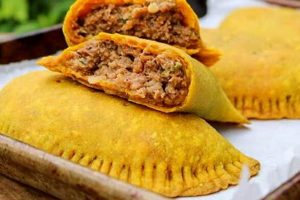
A culinary creation, this food item replicates a traditional savory roll but excludes all animal products. Common fillings consist of shredded vegetables like cabbage and carrots, often combined with plant-based protein sources. The wrapper, typically made from wheat flour, is then deep-fried to achieve a crispy texture. As an example, a preparation might include tofu, mushrooms, and bean sprouts encased in a thin, fried shell.
The importance of this dish lies in its offering as a plant-based alternative to a popular appetizer or snack. Benefits include providing a convenient and flavorful option for individuals following a vegan diet or seeking to reduce their consumption of animal-derived ingredients. The historical context shows that the rise of plant-based diets has fueled the demand for meatless versions of classic dishes, driving innovation in food preparation techniques and ingredient substitutions.
Further exploration into specific variations, nutritional considerations, preparation methods, and commercially available options will provide a more detailed understanding of this particular food category. Examining the diverse range of ingredients and regional adaptations will contribute to a comprehensive overview.
Preparation Guidance
This section outlines essential guidance for optimal creation and enjoyment of this particular food item.
Tip 1: Wrapper Selection: Opt for thin, pliable wrappers specifically labeled as vegan. Check the ingredient list to ensure the absence of eggs or dairy products. Rice paper wrappers can also be used for a different texture.
Tip 2: Vegetable Preparation: Ensure that vegetables are finely shredded or julienned for even cooking and optimal texture within the roll. Consider lightly sauting them before wrapping to reduce excess moisture.
Tip 3: Protein Incorporation: Incorporate a plant-based protein source such as crumbled tofu, tempeh, or seitan. Season the protein appropriately to complement the vegetables and enhance the overall flavor profile.
Tip 4: Binding Agent: Utilize a thickening agent, such as cornstarch slurry or mashed potatoes, to bind the filling ingredients together. This prevents the filling from becoming excessively loose during frying.
Tip 5: Frying Technique: Maintain a consistent oil temperature during frying, typically between 350-375F (175-190C). Avoid overcrowding the frying pan, as this can lower the oil temperature and result in soggy rolls.
Tip 6: Drainage and Cooling: After frying, immediately transfer the rolls to a wire rack lined with paper towels to drain excess oil. Allow the rolls to cool slightly before serving to prevent burns.
Tip 7: Sauce Pairing: Serve with a complementary dipping sauce, such as sweet chili sauce, soy sauce, or a peanut-based sauce. Ensure that the sauce is also vegan-friendly.
Adhering to these suggestions facilitates the successful preparation of a flavorful and texturally satisfying vegan version of a classic dish, suitable for diverse dietary preferences.
The following sections will delve into variations, regional adaptations, and serving suggestions for a more complete appreciation of this culinary option.
1. Ingredients

The composition of ingredients is fundamental to the character and appeal of this plant-based food item. Careful selection and understanding of the role each component plays is critical in achieving the desired flavor, texture, and nutritional profile.
- Vegetable Base
The foundation invariably comprises a mix of shredded vegetables. Cabbage, carrots, and bean sprouts are commonly employed for their texture and mild flavor. The specific combination and proportions influence the overall taste and mouthfeel. For example, a greater proportion of cabbage provides a noticeable sweetness, whereas increased carrot content imparts a subtle earthiness.
- Protein Source
A plant-derived protein source is included to contribute substance and satiety. Tofu, tempeh, and textured vegetable protein (TVP) are frequently utilized. The protein source not only provides nutritional value but also affects the overall texture and flavor. Tofu, for instance, requires careful seasoning to prevent blandness, while TVP can effectively mimic the texture of ground meat.
- Binding Agents
To ensure cohesion of the filling, binding agents are incorporated. Cornstarch slurry or mashed potatoes are common choices. These ingredients help to hold the mixture together during the wrapping and frying processes, preventing the filling from becoming excessively loose or dry. The type and amount of binding agent used can impact the final texture of the filling.
- Seasoning and Aromatics
The addition of seasonings and aromatics is crucial for enhancing the flavor profile. Soy sauce, ginger, garlic, and sesame oil are frequently employed to create a savory and umami-rich taste. The specific blend of seasonings can significantly alter the overall flavor, ranging from mild and delicate to bold and spicy. Strategic use of aromatics, like scallions, can add fresh and vibrant notes.
The interplay of these core ingredient categories defines the identity of this particular dish. The selection and preparation of these elements are pivotal to both the overall gustatory experience and nutritional adequacy of the final product.
2. Preparation

The process of preparation is inextricably linked to the successful execution of a quality meatless roll. The careful orchestration of each step, from ingredient selection to frying technique, directly impacts the final product’s taste, texture, and structural integrity. For instance, vegetables that are coarsely chopped may not cook evenly, resulting in a filling with inconsistent textures. Similarly, insufficient binding can lead to a roll that falls apart during frying. A practical example is the use of finely shredded cabbage: this allows for more even cooking and prevents a fibrous texture that can detract from the overall eating experience.
Proper preparation also influences the healthfulness of the dish. The choice of cooking method, particularly, plays a significant role. Deep-frying, while contributing to a characteristic crispness, introduces substantial fat. Alternatively, baking or air-frying can reduce fat content without compromising the roll’s structural integrity. Furthermore, meticulous filling preparation, including adequate vegetable steaming or stir-frying, aids in reducing the oil absorption during the final cooking phase, thereby promoting a healthier outcome. A real-world example involves utilizing an air fryer, which significantly lowers the oil absorbed, aligning with dietary considerations for reducing fat intake.
In conclusion, preparation is not merely a series of steps but a critical determinant of the final dish’s success. The meticulous attention to detail at each stage, from ingredient preparation to cooking method, ensures a satisfying and potentially healthier outcome. The challenges lie in balancing the desire for traditional flavors and textures with modern dietary preferences, highlighting the importance of informed preparation techniques in crafting a successful plant-based variant of a classic dish.
3. Texture

The textural profile is a defining characteristic of the plant-based roll. It is a multifaceted element, comprising the crispiness of the outer wrapper, the tenderness of the cooked vegetables, and the firm or yielding nature of the plant-based protein filling. Each component contributes to the overall sensory experience. The contrast between the external crispness and the internal softness is particularly crucial for a satisfying eating experience. For example, a wrapper that lacks adequate crispness can result in a soggy and unappetizing product. Similarly, vegetables that are overcooked can become mushy, detracting from the overall textural harmony. Therefore, meticulous control over each element during preparation is paramount in achieving the desired textural balance.
Achieving a desirable texture requires careful attention to detail during each stage of preparation. The wrapper, often composed of a thin wheat-flour dough, must be fried at a sufficient temperature to achieve a crispy exterior without becoming burnt. The internal filling, typically a mixture of shredded vegetables and a plant-based protein, must be cooked to a point where the vegetables are tender but retain some bite. The protein component, such as tofu or tempeh, needs to be prepared in a manner that complements the other ingredients, adding substance without creating a dense or rubbery texture. An example of this would be pressing the tofu before cooking to remove excess water for a firmer final product. The effect of each ingredient choice and cooking technique is additive, culminating in a complex and appealing multi-textural product.
In summary, texture is not merely an incidental characteristic but rather an integral element of the plant-based roll. The success of this dish hinges on achieving a delicate balance between the crispness of the wrapper, the tenderness of the filling, and the mouthfeel of the protein component. Challenges exist in consistently replicating this balance due to variations in ingredient quality and cooking conditions. Nevertheless, a thorough understanding of the role of texture in this culinary creation is vital for delivering a satisfying and authentic eating experience.
4. Flavor

The sensory experience derived from the plant-based roll is paramount to its acceptance and consumption. Flavor, in this context, is a complex interplay of taste, aroma, and texture, significantly influencing the overall satisfaction derived from the dish.
- Vegetable Composition and Taste Profiles
The specific selection of vegetables forms the foundational flavor base. Cabbage offers a mild sweetness, while carrots contribute an earthy undertone. Bean sprouts add a refreshing, crisp element. The ratio and preparation of these vegetables significantly influence the resulting taste. For instance, lightly sauting the vegetables before wrapping can enhance their inherent sweetness and reduce any raw or bitter notes. The interplay of these flavors is crucial for a balanced and appealing profile.
- Plant-Based Protein Integration and Flavor Absorption
The incorporation of a plant-based protein source introduces another layer of flavor complexity. Tofu, tempeh, and textured vegetable protein (TVP) possess distinct flavor profiles and varying abilities to absorb surrounding tastes. Tofu, often bland on its own, readily absorbs marinades and seasonings, becoming a versatile flavor carrier. Tempeh has a nuttier, slightly fermented flavor that complements savory fillings. TVP, with its neutral taste, provides a textural component while readily adopting the flavors of the accompanying ingredients. The selection of the protein source and its preparation significantly impact the final flavor outcome.
- Seasoning and Aromatic Enhancement
Seasoning and aromatics play a critical role in elevating the flavor. Soy sauce contributes umami and saltiness, ginger adds warmth and spice, garlic introduces pungent depth, and sesame oil provides a nutty richness. The skillful application of these elements can transform a bland filling into a flavorful and nuanced creation. The balance of sweet, salty, sour, bitter, and umami tastes is key to creating a harmonious flavor profile. The omission or overemphasis of any of these elements can result in an unbalanced or unappetizing dish.
- Dipping Sauce Complementarity
The accompanying dipping sauce is an integral part of the overall flavor experience. Sweet chili sauce offers a balance of sweetness, spice, and tanginess, complementing the savory filling. Soy sauce provides a simple yet effective salty and umami boost. Peanut sauce introduces a creamy, nutty richness that contrasts with the crispy roll. The choice of dipping sauce can significantly alter the overall flavor profile, providing an additional layer of complexity and enhancing the enjoyment of the dish. A poorly chosen sauce can clash with the filling, resulting in an unpleasant sensory experience.
In conclusion, flavor in the context of the plant-based roll is a multifaceted construct shaped by the interaction of various ingredients, preparation techniques, and complementary sauces. The careful selection, preparation, and seasoning of each component are crucial for creating a satisfying and memorable eating experience.
5. Nutrition

The nutritional profile of a vegan roll hinges significantly on its constituent ingredients and preparation methods. Cause-and-effect relationships are evident: for instance, an abundance of non-starchy vegetables increases fiber and micronutrient content, whereas reliance on deep-frying as a cooking method markedly elevates fat content. Understanding nutrition is crucial because it determines the health value of the food item. A roll packed with diverse vegetables like cabbage, carrots, and mushrooms, combined with a protein source such as tofu or tempeh, offers a substantial source of vitamins, minerals, and dietary fiber. In contrast, a roll primarily filled with rice noodles and minimal vegetables, deep-fried and served with a sugary sauce, presents a less nutritionally dense option. A real-life example: a baked roll filled with seasoned black beans, corn, and spinach provides a good source of plant-based protein and iron, important for vegan diets, while minimizing added fats often associated with fried foods.
Further analysis reveals practical implications for dietary choices. The preparation technique greatly affects the roll’s overall nutritional value. Baked or air-fried variations significantly reduce fat intake compared to traditional deep-fried versions. Selecting whole-grain wrappers can contribute additional fiber and nutrients. Furthermore, the inclusion of a variety of colorful vegetables maximizes the intake of different vitamins and antioxidants. Careful attention to the dipping sauce is also essential; opting for low-sodium or sugar-free sauces can mitigate the potential drawbacks of added sugars and sodium. A practical application involves creating homemade versions that allow for full control over ingredient selection and portion sizes. This can be further enhanced by focusing on locally sourced, seasonal vegetables to optimize nutrient content.
In summary, the nutritional value of a plant-based roll is directly related to its ingredients and preparation methods. While the dish can serve as a convenient and flavorful way to incorporate plant-based foods into the diet, awareness of its potential for high fat, sodium, and added sugars is essential. Challenges lie in balancing the desire for a satisfying texture and taste with the need for a balanced nutritional profile. By prioritizing nutrient-rich ingredients, employing healthier cooking techniques, and choosing lower-sodium, lower-sugar condiments, individuals can enjoy this food item while supporting their overall health and well-being.
6. Variations

The concept of variations within the context of a meatless roll encompasses a diverse spectrum of adaptations, driven by regional preferences, ingredient availability, and culinary innovation. These variations are not merely superficial alterations but reflect substantive differences in flavor profiles, textures, and nutritional compositions, ultimately impacting the overall culinary experience.
- Regional Ingredient Substitutions
Geographic location significantly influences the ingredients utilized. In regions with abundant access to specific vegetables or spices, these elements are often incorporated into the filling. For instance, in Southeast Asia, additions such as lemongrass, galangal, or kaffir lime leaves may be included to impart unique aromatic qualities. Conversely, in regions where these ingredients are less accessible, alternatives like ginger or dried spices may be used. These regional ingredient substitutions result in markedly different flavor profiles, reflecting the local culinary traditions.
- Protein Source Alternatives
The selection of plant-based protein varies widely based on dietary preferences and accessibility. While tofu and tempeh are common choices, other options include textured vegetable protein (TVP), lentils, or even seasoned mushrooms. Each protein source imparts a distinct texture and flavor to the filling. TVP, for example, can mimic the texture of ground meat, while lentils offer a softer, more earthy consistency. The choice of protein source directly impacts the overall sensory experience, influencing both texture and taste.
- Wrapper Modifications
The traditional wheat-flour wrapper is subject to various modifications. Rice paper wrappers offer a lighter, gluten-free alternative, resulting in a more delicate texture and a less pronounced flavor. Spring roll wrappers, typically thinner and crispier than traditional roll wrappers, can also be employed. Additionally, some preparations utilize alternative flours, such as tapioca or rice flour, to create gluten-free wrappers with varying textures. These wrapper modifications significantly affect the final product’s textural characteristics and overall appeal.
- Cooking Method Adaptations
While deep-frying is a common method, alternative cooking techniques offer variations in texture and nutritional content. Baking yields a softer texture and reduces fat content, while air-frying provides a compromise between crispiness and reduced fat. Pan-frying can offer a localized crispness to specific areas of the roll. Each method impacts the final product’s texture and health profile. Baking, for instance, results in a less crispy but significantly lower-fat alternative.
These multifaceted variations underscore the adaptability of the plant-based roll, allowing for a wide range of culinary expressions tailored to diverse tastes and dietary requirements. From regional ingredient substitutions to modifications in protein sources, wrappers, and cooking methods, the variations demonstrate the versatility and global appeal of this culinary creation.
Frequently Asked Questions About the “Vegan Egg Roll”
This section addresses common queries and misconceptions regarding the plant-based version of a popular culinary item, providing factual information and clarifying key aspects.
Question 1: What are the primary ingredients in a typical preparation?
The primary ingredients generally include a mix of shredded vegetables, such as cabbage, carrots, and bean sprouts. A plant-based protein source, like tofu, tempeh, or textured vegetable protein (TVP), is also commonly incorporated. A binding agent, such as cornstarch slurry, helps to hold the filling together. The wrapper is typically made from wheat flour, though rice paper variations exist.
Question 2: How does the nutritional content compare to traditional preparations?
The nutritional content varies depending on the specific ingredients and preparation methods. In general, the absence of animal products reduces cholesterol and saturated fat content. However, deep-frying can significantly increase fat levels, regardless of whether it’s plant-based or not. The fiber content can be higher in plant-based versions due to the inclusion of vegetables. Specific nutritional details depend heavily on individual recipes.
Question 3: Is it possible to prepare a gluten-free version?
Yes, a gluten-free version can be created by using rice paper wrappers or wrappers made from gluten-free flours, such as tapioca or rice flour. Ensure all other ingredients, including soy sauce or any pre-made sauces, are also certified gluten-free to avoid cross-contamination.
Question 4: What are some common dipping sauce pairings?
Common dipping sauce pairings include sweet chili sauce, soy sauce, peanut sauce, and plum sauce. It is essential to verify that the dipping sauce is also vegan-friendly, as some may contain animal-derived ingredients like fish sauce or honey.
Question 5: How can the filling be prevented from becoming soggy?
To prevent a soggy filling, ensure the vegetables are properly drained or lightly sauted before wrapping to reduce excess moisture. Use a binding agent, such as cornstarch slurry, to help hold the filling together. Avoid overcrowding the frying pan, as this can lower the oil temperature and result in soggy rolls.
Question 6: Are commercially available versions generally healthy choices?
Commercially available versions vary widely in their nutritional content. It is advisable to carefully review the nutrition facts label for information on fat, sodium, and sugar content. Opt for options with lower sodium and fat levels, and prioritize those that include a significant amount of vegetables.
Understanding these aspects provides a clearer perspective on this particular dish and its role in diverse dietary preferences.
The following sections will delve into additional information about the item, including culinary tips and best practices.
Concluding Remarks on the Vegan Egg Roll
This exploration of the vegan egg roll has highlighted its multifaceted nature, encompassing ingredient diversity, preparation techniques, textural considerations, and nutritional aspects. From regional variations in fillings to modifications in cooking methods, the adaptability of this dish is evident. The importance of understanding the interplay between ingredients and preparation in achieving a desirable outcome, both in terms of taste and nutritional value, has been emphasized. Specific attention has been given to common questions and potential challenges, such as preventing sogginess or ensuring a balanced flavor profile.
The future of this particular culinary creation lies in continued innovation and adaptation to meet evolving dietary needs and preferences. The emphasis on sustainability and ethical sourcing of ingredients will further shape its development. Ultimately, the vegan egg roll serves as a microcosm of broader trends in plant-based cuisine, underscoring the potential for traditional dishes to be reimagined and enjoyed within a contemporary context. A conscientious approach to ingredient selection and preparation will ensure its continued relevance and appeal.

![Gua Vegana: El Veganismo en Espaol [2024] | Discover Delicious Vegan Food, Beauty Swaps, and Zero-Waste Tips for a Greener Life](https://thisvegangirl.com/wp-content/uploads/2026/03/th-836-300x200.jpg "Gua Vegana: El Veganismo en Espaol [2024] Discover Delicious Vegan Food, Beauty Swaps, and Zero-Waste Tips for a Greener Life")