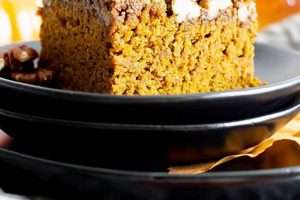
The culmination of autumn’s harvest often features sweet finales. Plant-based alternatives to traditional after-dinner sweets provide options that exclude animal products such as dairy, eggs, and honey. Examples include fruit-based crumbles, dairy-free cheesecakes utilizing nuts and seeds, and eggless pumpkin pies.
Adopting such dessert selections can address ethical concerns related to animal welfare, cater to dietary restrictions or allergies, and promote potentially healthier choices through reduced saturated fat and cholesterol content. Historically, incorporating produce central to the occasion, such as apples, cranberries, and squash, into dessert formulations has been a common practice.
The following sections will explore various plant-based dessert recipes suitable for this autumnal celebration, offering guidance on ingredient substitutions, preparation techniques, and considerations for crafting flavorful and visually appealing treats. The aim is to provide options for both experienced and novice bakers seeking to create inclusive and delightful experiences.
Crafting Plant-Based Thanksgiving Sweets
Successfully navigating the creation of desserts free from animal products for the Thanksgiving holiday requires careful consideration of ingredients and techniques. The following tips offer guidance for achieving desirable textures and flavors.
Tip 1: Ingredient Substitution Mastery: Familiarize oneself with effective substitutes for common animal-derived ingredients. Aquafaba, the liquid from cooked chickpeas, serves as an excellent egg replacement in meringues and mousses. Coconut cream can replicate the richness of dairy cream in frostings and fillings.
Tip 2: Nut-Based Cream Alternatives: Cashews, when soaked and blended, provide a creamy base for cheesecakes and sauces. Adjust the soaking time to achieve the desired smoothness. Consider adding lemon juice or vinegar to enhance the tanginess.
Tip 3: Leveraging Natural Sweeteners: Explore alternatives to refined sugar such as maple syrup, dates, or agave nectar. Be mindful of the liquid content of these sweeteners, adjusting the dry ingredients in the recipe accordingly to maintain the proper consistency.
Tip 4: Gluten-Free Flour Blends: If catering to gluten sensitivities, utilize a well-balanced gluten-free flour blend. A combination of rice flour, tapioca starch, and potato starch often yields optimal results. Xanthan gum is crucial for binding and creating structure.
Tip 5: Fat Incorporation Techniques: Plant-based fats, such as coconut oil or vegan butter, require specific handling. Ensure that fats are at the correct temperature as dictated by the recipe to achieve proper emulsification and texture.
Tip 6: Balancing Flavors: Vegan desserts can sometimes lack the depth of flavor found in traditional recipes. Enhance the taste profile by incorporating spices like cinnamon, nutmeg, and cloves liberally. Citrus zest and vanilla extract can also contribute to a more complex flavor profile.
Tip 7: Texture Considerations: Plant-based ingredients may behave differently than their animal-derived counterparts. Experiment with different ratios of ingredients to achieve the desired texture. Avoid over-baking, as this can lead to dryness.
These guidelines should assist in developing compelling and satisfying plant-based sweets for the Thanksgiving feast. The mastery of ingredient substitution and careful attention to texture are critical elements in creating a successful final course.
The subsequent sections will delve into specific recipe ideas and provide detailed instructions for constructing impressive and delectable plant-based Thanksgiving desserts.
1. Ingredient Substitution

Ingredient substitution constitutes a foundational pillar of plant-based dessert creation, particularly salient within the context of Thanksgiving festivities. The absence of conventional baking components derived from animal sources, namely dairy, eggs, and honey, necessitates the strategic replacement with plant-based alternatives. The success of a plant-based Thanksgiving dessert hinges directly on the efficacy of these substitutions. Failure to identify and implement appropriate replacements often results in undesirable textures, diminished flavors, or structural instability in the final product. For instance, replacing eggs in a pumpkin pie recipe with a starch-based binder like cornstarch or tapioca starch directly impacts the pie’s set and overall consistency.
The selection of appropriate substitutions also extends beyond functional roles to encompass flavor profiles. Substituting dairy milk with coconut milk in a rice pudding, while maintaining a creamy texture, imparts a discernible coconut flavor. Therefore, flavor pairings must be carefully considered. Furthermore, the source and quality of substituted ingredients play a crucial role. Replacing refined sugar with maple syrup influences both sweetness and moisture content, requiring adjustments in other dry ingredients. Vegan butter alternatives, formulated with varying blends of plant-based oils, may impact the final texture and rise of baked goods differently compared to conventional dairy butter.
In summary, the strategic application of ingredient substitution represents a critical determinant in the successful execution of plant-based Thanksgiving desserts. Recognizing the functional properties and flavor contributions of each substituted component allows for informed recipe modifications, ensuring the creation of visually appealing and flavorful holiday treats. Challenges remain in replicating the complex interactions of animal-derived ingredients, demanding ongoing experimentation and refinement of plant-based baking techniques. This emphasis on informed substitution reinforces the broader objective of creating inclusive and delectable holiday experiences.
2. Texture Optimization

Texture optimization assumes paramount importance when crafting plant-based desserts for Thanksgiving. The absence of animal-derived components, traditionally responsible for characteristic textures, necessitates deliberate manipulation of plant-based ingredients to achieve desirable mouthfeel and structural integrity. The success of such confections relies heavily on the judicious application of specific techniques and the inherent properties of chosen substitutes.
- Starch-Based Binding Agents
Starches, such as cornstarch, tapioca starch, and arrowroot powder, serve as crucial binding agents in vegan Thanksgiving desserts. Their gelatinization properties, activated by heat and moisture, create structure and prevent excessive crumbiness. For instance, in a plant-based pumpkin pie, a precise ratio of starch to pumpkin puree is vital to achieve a firm, yet tender, filling. Insufficient starch results in a watery consistency, while excessive starch yields a dense, unpalatable texture.
- Fat Incorporation and Emulsification
The incorporation of fats, such as coconut oil or vegan butter, significantly influences the texture of baked goods. Proper emulsification, achieved through techniques like creaming or blending, is essential for creating a smooth and homogeneous batter. Incorrect emulsification can lead to separation of fats and liquids, resulting in a greasy or curdled texture. The temperature of fats during incorporation is also critical; cold fats contribute to flakiness, while softened fats enhance tenderness.
- Moisture Management
Maintaining optimal moisture levels is critical to prevent dryness in plant-based desserts. Ingredients like applesauce, mashed bananas, or pureed sweet potatoes can introduce moisture while also contributing to binding. Careful attention must be paid to the liquid content of sweeteners, such as maple syrup or agave nectar, as these contribute to overall moisture levels and can impact baking times. Over-baking invariably leads to a dry and crumbly texture, detracting from the overall sensory experience.
- Nut and Seed Butter Applications
Nut and seed butters, such as cashew butter or almond butter, offer a rich and creamy texture to plant-based Thanksgiving desserts. These butters can be used as bases for cheesecakes, fillings for tarts, or as additions to cookies and bars. The fat content in these butters contributes to tenderness and inhibits gluten development, resulting in a softer texture. However, excessive amounts of nut butter can result in a dense and oily texture, necessitating careful balancing with other ingredients.
The interplay of these textural elements underscores the complexity of crafting appealing plant-based sweets. Careful calibration of starch content, fat incorporation, moisture levels, and the incorporation of nut and seed butters allows for the creation of desserts that rival, or even surpass, their conventional counterparts in terms of both taste and texture. Understanding the precise role of each ingredient and its impact on the final product is paramount to achieving textural excellence in plant-based Thanksgiving desserts. The continued exploration of plant-based ingredients and techniques promises further refinements in texture optimization.
3. Flavor Enhancement

The augmentation of gustatory appeal assumes a crucial role in the successful execution of plant-based Thanksgiving desserts. Flavor enhancement techniques are not merely cosmetic additions, but rather integral strategies employed to compensate for the absence of traditional animal-derived ingredients and to create memorable and satisfying culinary experiences. The following elements represent key facets of effective flavor optimization in this context.
- Spice Incorporation
Strategic deployment of spices, such as cinnamon, nutmeg, cloves, and allspice, serves to imbue plant-based desserts with warmth and complexity. These spices contribute aromatic depth, mimicking the richness often associated with dairy-based confections. For example, a vegan apple pie benefits significantly from the addition of a blend of cinnamon and nutmeg, creating a comforting and familiar flavor profile reminiscent of traditional recipes. The judicious use of spices can also mask any perceived “off” flavors from plant-based ingredients.
- Citrus Zest and Juice
Citrus elements, specifically zest and juice from lemons, oranges, and grapefruits, introduce brightness and acidity that balance the sweetness of vegan desserts. The zest provides concentrated aromatic oils, while the juice contributes tartness that cuts through the richness of nut-based creams and oils. In a vegan cranberry sauce, the addition of orange zest elevates the flavor profile, adding a layer of complexity and preventing it from being overly sweet. Careful balance is key, as excessive citrus can overpower other delicate flavors.
- Extracts and Infusions
The use of extracts, such as vanilla, almond, or maple, and flavor infusions, such as steeped tea or coffee, offer concentrated bursts of flavor to plant-based desserts. Vanilla extract, in particular, is a versatile enhancer, adding depth and warmth to nearly any dessert. Coffee infusions, on the other hand, can impart a subtle bitterness and complexity that complements chocolate or nut-based desserts. The selection of high-quality extracts and the controlled application of infusions are crucial for achieving optimal flavor results.
- Sweetener Selection
The type of sweetener employed significantly impacts the overall flavor profile of vegan Thanksgiving desserts. Refined sugar provides a neutral sweetness, while alternatives like maple syrup, agave nectar, and coconut sugar contribute distinctive flavors. Maple syrup, for instance, adds a caramel-like note, while coconut sugar offers a subtle molasses-like flavor. The choice of sweetener should complement the other ingredients in the recipe and contribute to the desired flavor complexity. Furthermore, the liquid content of alternative sweeteners requires adjustments to dry ingredients to maintain proper texture.
These flavor-enhancing strategies, when carefully implemented, transform simple plant-based ingredients into compelling and delectable Thanksgiving desserts. Through strategic use of spices, citrus, extracts, and sweeteners, vegan confections can achieve a level of flavor sophistication that rivals or surpasses traditional desserts. The emphasis on flavor complexity ensures that these desserts are not only plant-based but also genuinely satisfying and memorable additions to the Thanksgiving feast.
4. Dietary Accommodations
The integration of dietary accommodations within the context of plant-based Thanksgiving desserts represents a critical aspect of inclusive holiday celebrations. The growing prevalence of food allergies, intolerances, and specific dietary preferences necessitates careful consideration during meal planning. Plant-based dessert options inherently address certain dietary restrictions by excluding animal products. However, further modifications are often required to accommodate additional needs, such as gluten intolerance, nut allergies, or refined sugar avoidance. The absence of deliberate dietary planning can unintentionally exclude individuals from participating fully in the Thanksgiving dessert experience, potentially leading to feelings of isolation or limitation. For example, a pecan pie, while potentially plant-based, poses a direct threat to individuals with nut allergies. Similarly, many commercially available vegan products contain gluten, rendering them unsuitable for those with celiac disease or gluten sensitivity.
Adapting plant-based dessert recipes to meet diverse dietary needs necessitates a thorough understanding of ingredient properties and potential allergens. Gluten-free baking, for instance, requires the use of specialized flour blends and binding agents to replicate the structure and texture of wheat-based products. Nut-free alternatives may involve the use of seed butters or coconut-based ingredients, requiring careful flavor balancing to avoid overpowering the dessert’s overall profile. Refined sugar can be replaced with natural sweeteners, such as maple syrup or dates, though these substitutions necessitate adjustments to liquid content and baking times. Real-world examples include substituting almond flour with oat flour in a vegan cookie recipe to accommodate nut allergies, or replacing wheat flour with a gluten-free blend containing rice flour and tapioca starch in a plant-based pie crust. Furthermore, providing clearly labeled dessert options with detailed ingredient lists allows individuals to make informed choices based on their specific dietary needs.
In summary, the incorporation of dietary accommodations is not merely a matter of courtesy but an essential component of creating an inclusive and welcoming plant-based Thanksgiving dessert experience. By proactively addressing common allergies, intolerances, and dietary preferences through informed ingredient selection and recipe modifications, hosts can ensure that all guests are able to partake in the holiday festivities without compromising their health or well-being. The challenge lies in balancing the desire for culinary creativity with the practical need to provide safe and delicious options for individuals with diverse dietary requirements. Overcoming this challenge requires careful planning, transparent communication, and a commitment to inclusivity.
5. Aesthetic Presentation
The visual appeal of plant-based sweets served during the autumnal holiday celebration plays a crucial role in the overall dining experience. While flavor and texture are paramount, the aesthetic presentation of the dessert contributes significantly to the perception of quality and desirability. Poor visual execution can detract from an otherwise well-crafted plant-based creation, potentially diminishing enjoyment. Conversely, a visually striking plant-based dessert can elevate the dining experience, showcasing the culinary artistry and reinforcing the perception of thoughtfulness and care. A vibrant fruit tart, meticulously arranged with seasonal berries and fruits, exemplifies this principle. The colorful display not only signals freshness but also communicates a sense of celebratory abundance.
The impact of aesthetic presentation extends beyond mere visual appeal; it directly influences taste perception. Studies have demonstrated that visually appealing food is often perceived as tasting better, even when flavor profiles are identical. In the context of plant-based Thanksgiving desserts, where certain ingredients might be unfamiliar or perceived as less appealing than their animal-derived counterparts, visual presentation becomes even more critical. For example, a plant-based cheesecake, if poorly plated or lacking in visual detail, might be met with skepticism. However, if adorned with edible flowers, a glistening fruit compote, or a dusting of cocoa powder, it can become an irresistible centerpiece. Another example includes a plant-based pumpkin pie. A neatly crimped crust, a smooth and unblemished filling, and a light dusting of spices contribute significantly to its perceived desirability, enhancing the overall experience.
In conclusion, aesthetic presentation represents an indispensable element of a successful plant-based Thanksgiving dessert offering. The visual appeal influences not only the initial impression but also the perceived flavor and overall enjoyment of the dessert. While mastering plant-based baking techniques is essential, attention to detail in plating, garnishing, and overall visual design transforms a simple dessert into a memorable culinary experience. The challenge lies in balancing aesthetic considerations with the practicality of execution, ensuring that the visual presentation complements, rather than overshadows, the fundamental qualities of taste and texture.
6. Seasonal Sourcing

The strategic procurement of ingredients aligns with the autumnal harvest, enhancing the quality and thematic relevance of plant-based desserts prepared for the Thanksgiving holiday. Sourcing produce during its peak season maximizes flavor profiles and minimizes environmental impact.
- Enhanced Flavor Profiles
Produce harvested at its peak exhibits superior flavor intensity compared to out-of-season alternatives. Ripe fruits, such as apples and cranberries, possess heightened sweetness and aromatic complexity, resulting in more compelling dessert formulations. Employing seasonal pumpkins and squashes ensures a richer, more nuanced flavor in pies and tarts, reducing the need for artificial flavorings.
- Reduced Environmental Footprint
Sourcing ingredients locally during their respective seasons minimizes transportation distances and associated carbon emissions. This practice supports local agriculture and reduces reliance on energy-intensive storage and preservation methods. Selecting regionally grown apples, rather than imported varieties, contributes to a more sustainable dessert preparation process.
- Economic Considerations
Seasonal produce is typically more abundant and affordable due to favorable growing conditions. Lower ingredient costs can translate to more economical dessert preparations, allowing for increased resource allocation toward other components or aspects of the Thanksgiving meal. Purchasing pumpkins during the fall harvest season often presents cost savings compared to acquiring them during off-peak periods.
- Support for Local Agriculture
Prioritizing locally sourced ingredients directly supports regional farmers and agricultural communities. This practice strengthens local economies and promotes sustainable farming practices. Sourcing cranberries from regional growers, for example, contributes to the viability of local cranberry farms and preserves agricultural heritage.
These facets collectively demonstrate that emphasizing seasonal sourcing is consistent with the goals of preparing appealing, ethical, and sustainable plant-based desserts for the Thanksgiving holiday. The practice enhances flavor profiles, reduces environmental impact, offers potential cost savings, and supports local agriculture.
Frequently Asked Questions
The following section addresses common inquiries pertaining to the creation and consumption of plant-based desserts during the Thanksgiving holiday. The information provided seeks to clarify potential misconceptions and offer practical guidance.
Question 1: Are plant-based desserts inherently healthier than traditional Thanksgiving desserts?
The nutritional profile of a dessert is contingent upon its specific ingredients and preparation methods, irrespective of its plant-based or traditional classification. While plant-based desserts often contain less saturated fat and cholesterol, they can be equally high in sugar and processed ingredients. A careful assessment of the nutritional content of each recipe is advised.
Question 2: Can plant-based desserts effectively replicate the taste and texture of traditional Thanksgiving desserts?
Ingredient substitution and modified preparation techniques can yield plant-based desserts that closely approximate the sensory qualities of traditional counterparts. However, subtle differences in flavor and texture may be discernible due to the inherent properties of plant-based ingredients. The overall palatability is also subject to individual preferences.
Question 3: Are all vegan-labeled desserts suitable for individuals with food allergies?
The “vegan” label indicates the absence of animal-derived ingredients, but it does not guarantee the absence of other common allergens such as nuts, gluten, or soy. Careful scrutiny of the ingredient list is imperative to ensure the product is free from allergens relevant to the consumer’s individual needs.
Question 4: How does the cost of plant-based dessert ingredients compare to that of traditional dessert ingredients?
The cost can vary significantly depending on the specific ingredients chosen and their sourcing. Certain specialty plant-based ingredients, such as vegan butter alternatives or gluten-free flours, may be more expensive than traditional counterparts. Seasonal produce, when sourced locally, often presents a cost-effective alternative.
Question 5: What are some common challenges encountered when baking plant-based desserts?
Challenges include replicating the binding properties of eggs, achieving the desired texture without dairy, and balancing flavors to compensate for the absence of traditional ingredients. These challenges can be addressed through careful ingredient selection, precise measurement, and adherence to specialized baking techniques.
Question 6: Do plant-based desserts require specialized equipment or baking knowledge?
Generally, no specialized equipment or advanced baking knowledge is required. Standard kitchen tools and basic baking skills are typically sufficient. However, familiarity with ingredient substitution and plant-based baking techniques can enhance the likelihood of success.
In summary, informed ingredient selection, precise execution, and a clear understanding of dietary requirements are essential to successfully incorporate plant-based desserts into Thanksgiving festivities.
The following sections will explore specific recipe ideas and provide detailed instructions for constructing impressive and delectable plant-based Thanksgiving desserts.
Vegan Dessert Thanksgiving
This exploration of plant-based dessert options for the Thanksgiving holiday has underscored critical elements pertinent to successful execution. Ingredient substitution, texture optimization, flavor enhancement, dietary accommodation, aesthetic presentation, and seasonal sourcing collectively represent the foundational pillars for crafting compelling and inclusive dessert experiences. Attention to detail within each of these areas is paramount for achieving desirable outcomes.
The adoption of plant-based desserts for Thanksgiving offers an opportunity to align culinary traditions with evolving ethical considerations, dietary needs, and sustainability goals. Continued exploration and refinement of plant-based baking techniques promise further advancements in flavor, texture, and overall appeal, thereby enriching future Thanksgiving celebrations.


![Delicious Vegan Chocolate Dessert Recipes [Easy!] | Discover Delicious Vegan Food, Beauty Swaps, and Zero-Waste Tips for a Greener Life](https://thisvegangirl.com/wp-content/uploads/2026/01/th-615-300x200.jpg "Delicious Vegan Chocolate Dessert Recipes [Easy!] Discover Delicious Vegan Food, Beauty Swaps, and Zero-Waste Tips for a Greener Life")