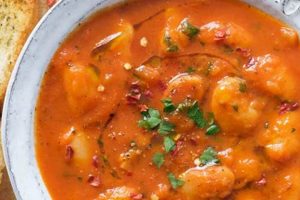
A plant-based adaptation of a traditionally dairy-rich dish, this culinary creation features wild rice, vegetables, and a creamy broth achieved without animal products. Common components include wild rice, carrots, celery, onions, vegetable broth, and a plant-based cream alternative such as cashew cream or coconut milk. The absence of dairy results in a lighter, cholesterol-free option.
This dish offers a hearty and nourishing alternative for individuals adhering to vegan diets or those seeking to reduce their intake of animal products. Its nutritional profile is enhanced by wild rice, a whole grain rich in fiber and antioxidants. Furthermore, the inclusion of vegetables contributes vitamins and minerals, promoting overall well-being. Historically, similar grain-based soups have been a staple in various cultures, providing sustenance and comfort during colder months. The vegan adaptation addresses modern dietary preferences and ethical considerations without sacrificing flavor or texture.
The following discussion will delve into specific aspects of crafting such a soup, including ingredient selection, preparation techniques, and potential variations. It will also explore the nutritional advantages and considerations for adapting the recipe to different dietary needs and preferences.
Crafting a Superior Vegan Creamy Wild Rice Soup
The creation of an exceptional plant-based cream of wild rice soup necessitates attention to detail and strategic ingredient selection. The following tips aim to enhance the flavor, texture, and nutritional value of this comforting dish.
Tip 1: Optimize Wild Rice Preparation: Thoroughly rinse wild rice before cooking to remove any debris or excess starch. Consider toasting the rice in a dry pan for a few minutes prior to boiling to enhance its nutty flavor profile.
Tip 2: Construct a Flavorful Broth Base: Utilize a high-quality vegetable broth as the foundation. Homemade vegetable broth, or a broth enhanced with dried mushrooms and herbs, will yield a more complex and satisfying flavor.
Tip 3: Employ Strategic Sauting: Saut aromatic vegetables, such as onions, celery, and carrots, in a neutral-flavored oil before adding the broth. Allow sufficient time for the vegetables to soften and release their natural sweetness.
Tip 4: Achieve Creaminess Through Plant-Based Alternatives: Cashew cream, blended silken tofu, or full-fat coconut milk serve as effective dairy replacements. Cashew cream requires pre-soaking the cashews in hot water for at least 30 minutes prior to blending for a smooth consistency.
Tip 5: Introduce Umami Enhancement: Incorporate ingredients that contribute umami, such as nutritional yeast, soy sauce (tamari for gluten-free), or a small amount of miso paste. These additions deepen the savory qualities of the soup.
Tip 6: Season with Precision: Taste frequently during the cooking process and adjust seasoning accordingly. Consider using fresh herbs like thyme, rosemary, or sage to complement the earthy flavors of the wild rice.
Tip 7: Control Texture Through Blending: Partial blending of the soup, using an immersion blender, can create a desirable creamy texture while retaining some whole wild rice and vegetable pieces for visual appeal and textural contrast.
By implementing these strategies, a more flavorful, texturally appealing, and nutritionally robust plant-based cream of wild rice soup can be achieved. Careful ingredient selection and attention to technique are paramount to success.
The following section will focus on recipe variations and adaptations for specific dietary needs.
1. Plant-based cream

Plant-based cream serves as the defining component differentiating a standard wild rice soup from its plant-based iteration. The absence of dairy mandates the substitution of traditional cream with alternatives derived from plant sources. This substitution directly impacts the soup’s texture, flavor, and nutritional profile. For example, cashew cream, produced by blending soaked cashews, imparts a rich, slightly sweet flavor and a smooth, velvety texture. Conversely, coconut cream contributes a distinct coconut flavor and a richer, more decadent consistency. The successful integration of plant-based cream is crucial for replicating the characteristic creaminess of traditional recipes without compromising vegan dietary principles. Furthermore, understanding the impact of various plant-based creams enables cooks to tailor the final product to specific taste preferences and dietary restrictions.
The practical significance of understanding the properties of different plant-based creams lies in the ability to adapt the recipe to accommodate allergies, sensitivities, or personal preferences. Individuals with nut allergies, for instance, might opt for coconut cream or blended silken tofu as alternatives to cashew cream. The selection of plant-based cream also influences the soup’s overall fat content and caloric density. Coconut cream, for example, possesses a higher fat content than cashew cream or oat cream. Moreover, the addition of stabilizers or emulsifiers in commercially produced plant-based creams can affect the soup’s final texture and stability. Experimentation with different plant-based cream options, alongside careful attention to ingredient labels, empowers cooks to achieve optimal results.
In summary, the selection and application of plant-based cream are integral to crafting a successful vegan version. It serves as a direct replacement for dairy-based cream, influencing the flavor profile, textural qualities, and nutritional makeup. By recognizing the distinct characteristics and potential applications of different plant-based options, cooks can confidently produce a pleasing rendition of the traditional dish. The continued exploration of innovative plant-based ingredients further enhances the accessibility and appeal of this dish.
2. Wild rice type

The selection of wild rice is a defining characteristic of this dish. Different varieties offer distinct textures, flavors, and cooking properties, ultimately impacting the overall sensory experience.
- Grain Length and Texture
Wild rice varieties differ significantly in grain length and texture. Some possess long, slender grains that remain relatively firm after cooking, while others are shorter and tend to become softer and more tender. The choice influences the mouthfeel of the soup, with firmer grains providing a more substantial bite and softer grains contributing to a creamier consistency. Traditional wild rice, harvested from natural lakebeds, often exhibits a chewier texture compared to cultivated varieties.
- Flavor Profile
Each wild rice variety presents a nuanced flavor profile. Some exhibit a pronounced earthy and nutty flavor, while others are milder and slightly sweet. These variations impact the overall flavor complexity. A robust, earthy wild rice can complement the richness of plant-based cream, while a milder variety may allow other ingredients, such as vegetables and herbs, to take center stage.
- Cooking Time and Method
Variations in cooking time are observed across different wild rice types. Genuine, hand-harvested wild rice often requires a longer cooking duration compared to cultivated varieties, which have been selectively bred for faster cooking times. Inadequate cooking can result in a tough, unpalatable grain, while overcooking can lead to mushiness. Accurate assessment of the cooking time is therefore critical to achieving optimal texture.
- Nutritional Composition
The nutritional content of wild rice varies modestly depending on the specific variety and growing conditions. However, all types of wild rice are generally rich in fiber, protein, and antioxidants. Fiber contributes to satiety and aids in digestion, while protein supports muscle maintenance. Antioxidants help protect the body against cellular damage. Choosing a higher-quality wild rice can therefore enhance the nutritional value of the soup.
The specific type of wild rice employed directly shapes the sensory attributes of a creamy plant-based version. Whether prioritizing texture, flavor, or nutritional profile, the appropriate selection is crucial for realizing a fulfilling culinary experience. The dish benefits from understanding these distinct qualities.
3. Vegetable selection

The choice of vegetables significantly impacts the flavor profile, nutritional value, and overall texture of the plant-based creamy wild rice soup. As animal products are absent, vegetables assume a more prominent role in providing depth of flavor and essential nutrients. The omission or inclusion of specific vegetables can transform the soup from a bland, one-dimensional dish into a complex and satisfying culinary experience. For example, the inclusion of root vegetables such as carrots and parsnips contributes sweetness and earthy notes, while celery and onions provide aromatic base flavors. Mushrooms, often incorporated, impart umami, enhancing the savory qualities of the soup. Therefore, vegetable selection is not merely an aesthetic consideration, but a functional element integral to the success of the dish.
Practical applications of understanding vegetable selection involve tailoring the soup to specific dietary requirements or seasonal availability. Individuals seeking to increase their vitamin intake might prioritize vegetables rich in vitamins A and C, such as sweet potatoes or bell peppers. Conversely, those with sensitivities to certain vegetables would need to adjust the recipe accordingly. Utilizing seasonal vegetables not only promotes sustainability but also ensures optimal flavor and freshness. For instance, incorporating butternut squash in the autumn months adds a creamy texture and subtly sweet flavor, complementing the earthiness of the wild rice. Understanding the impact of various vegetables also allows for creative experimentation and personalized adaptations of the recipe.
In summary, careful vegetable selection is paramount to crafting a well-balanced and flavorful version. The chosen vegetables directly influence the taste, texture, and nutritional content of the final product. Awareness of seasonal availability, dietary restrictions, and individual flavor preferences enables informed decisions, resulting in a dish that is both nutritious and palatable. The interplay between wild rice, plant-based cream, and vegetables culminates in a flavorful harmony within the plant-based creation.
4. Broth flavor

Broth flavor constitutes a critical determinant of the overall palatability and depth of taste in a plant-based cream of wild rice soup. As the foundational liquid element, the broth imparts its characteristics to all other ingredients, effectively establishing the culinary baseline for the finished product.
- Vegetable Broth Composition
The specific vegetables used in the broth directly influence the final flavor profile. A broth predominantly composed of onions, carrots, and celery creates a classic mirepoix base, offering a balanced sweetness and aromatic depth. Conversely, a broth featuring mushrooms and roasted garlic contributes umami and savory undertones. The selection and proportions of vegetables are therefore instrumental in shaping the broths inherent taste.
- Herb and Spice Infusion
Herbs and spices provide nuanced layers of flavor that complement the vegetable base. Thyme, bay leaf, and rosemary impart earthy and aromatic notes, while peppercorns contribute a subtle spiciness. Careful consideration of herb and spice pairings is essential to avoid overpowering the delicate flavors of the wild rice and plant-based cream. The timing of their addition also matters, with longer simmering periods allowing for greater flavor extraction.
- Salt and Acidity Balance
Proper seasoning with salt is crucial for enhancing the inherent flavors of the ingredients. However, excessive salt can mask subtle nuances and create an unpalatable broth. A small amount of acidity, typically introduced through lemon juice or a splash of vinegar, can brighten the flavors and create a more balanced taste profile. The interplay between salt and acidity requires careful monitoring and adjustment throughout the cooking process.
- Commercial vs. Homemade Broth
Commercial vegetable broths offer convenience but often contain high levels of sodium and artificial flavorings. Homemade broth allows for greater control over ingredient quality and flavor intensity. Preparing broth from scratch enables cooks to customize the flavor profile to their specific preferences. However, the time and effort involved in homemade broth preparation must be considered.
In summary, the broth flavor serves as a foundational element in crafting a plant-based version. Whether utilizing a commercially available product or preparing a broth from scratch, the selection of vegetables, herbs, spices, and seasonings directly impacts the overall taste experience. Understanding these nuances enables cooks to create a customized broth that complements the other ingredients.
5. Seasoning balance
Seasoning balance represents a critical factor in achieving a palatable and flavorful result. In the absence of animal-derived fats and proteins, seasoning takes on an even greater significance, providing complexity and depth to the dish.
- Salt and Umami Enhancement
Salt functions as a primary flavor enhancer, bringing out the inherent tastes of the vegetables, wild rice, and plant-based cream. However, the careful incorporation of umami-rich ingredients, such as nutritional yeast or soy sauce (tamari for gluten-free variations), can provide a savory depth often associated with meat-based broths. Finding the correct ratio of salt to umami is essential to avoid an overly salty or artificially flavored outcome. The goal is a subtle savory note that complements the other flavors without dominating them.
- Herbal Harmony
Fresh or dried herbs contribute aromatic complexity. Thyme, rosemary, and sage are common choices that pair well with earthy flavors. The timing of herb addition is crucial; delicate herbs like parsley are best added towards the end of cooking to preserve their volatile oils, while heartier herbs can withstand longer simmering periods. An overabundance of any single herb can unbalance the overall flavor profile, so a measured approach is recommended.
- Spice Integration
Spices, used judiciously, can add warmth and complexity. Black pepper is a standard addition, but other options, such as smoked paprika or a pinch of cayenne pepper, can introduce subtle heat and smoky notes. The quantity of spice should be carefully controlled, as excessive spice can overwhelm the other flavors. Ground spices generally release their flavors more quickly than whole spices, requiring a shorter cooking time.
- Acidic Brightness
A touch of acidity can brighten the flavors and create a more balanced overall impression. Lemon juice, apple cider vinegar, or a dry white wine can be used to add a subtle tang. The acidity cuts through the richness of the plant-based cream and enhances the other seasonings. The amount of acid should be adjusted to taste, as excessive acidity can result in a sour or tart flavor.
Achieving seasoning balance requires continuous tasting and adjustment throughout the cooking process. The specific needs will vary depending on the ingredients used and individual taste preferences. A well-seasoned creation will exhibit a harmonious blend of saltiness, savoriness, herbal complexity, spiciness, and acidity, resulting in a deeply satisfying and flavorful dish. A properly balanced seasoning is essential.
6. Texture optimization

In crafting a palatable vegan version, texture optimization assumes a prominent role, compensating for the textural contributions of dairy products in traditional recipes. The absence of dairy fat necessitates strategic manipulation of plant-based ingredients to achieve a satisfyingly creamy and texturally complex final product. This optimization addresses both the soup’s overall consistency and the individual textures of its components, affecting the sensory experience.
Several techniques contribute to optimized texture. Partial blending, employing an immersion blender, yields a creamy base while retaining some whole grains and vegetable pieces for textural contrast. The careful cooking of wild rice prevents both undercooked toughness and overcooked mushiness, ensuring an appropriate level of chewiness. Plant-based cream alternatives, such as cashew cream or blended silken tofu, introduce varying degrees of smoothness and richness. For example, improperly soaked cashews will result in a grainy cashew cream, negatively impacting the final texture. The addition of small amounts of cornstarch or tapioca starch can further enhance creaminess and prevent separation. Precise execution of these techniques is crucial to achieve the desired textural profile.
Ultimately, texture optimization in the vegan iteration is not merely an aesthetic concern but a functional requirement. The successful manipulation of plant-based ingredients to mimic or surpass the textures of traditional recipes enhances the overall appeal and satisfaction of the dish. Strategic blending, meticulous ingredient preparation, and a clear understanding of the properties of plant-based thickeners contribute to an optimized textural experience. In conclusion, the dish greatly benefits from this strategic optimization.
Frequently Asked Questions
The following addresses common inquiries regarding the preparation, ingredients, and nutritional aspects of this plant-based soup.
Question 1: How can creaminess be achieved without dairy?
Plant-based cream alternatives, such as cashew cream (blended soaked cashews), full-fat coconut milk, or blended silken tofu, effectively replicate the creamy texture of traditional dairy-based soups. The choice of alternative influences the flavor profile.
Question 2: What type of wild rice is best suited for this soup?
While cultivated wild rice is readily available and cooks more quickly, traditional hand-harvested wild rice offers a chewier texture and more pronounced earthy flavor. Both options are suitable, depending on preference.
Question 3: Can the soup be made gluten-free?
Yes, ensure that the vegetable broth and any soy sauce used are certified gluten-free. Tamari is a common gluten-free alternative to soy sauce. All other primary ingredients are naturally gluten-free.
Question 4: What vegetables complement the flavors of wild rice and plant-based cream?
Root vegetables like carrots and parsnips contribute sweetness, while celery and onions provide aromatic depth. Mushrooms enhance the savory qualities of the soup. The choice of vegetables can be tailored to seasonal availability and individual preferences.
Question 5: How can the soup be thickened if it is too thin?
A slurry of cornstarch or tapioca starch mixed with cold water can be added to the simmering soup to achieve a thicker consistency. Simmer for a few minutes after adding the slurry to allow the starch to fully gelatinize.
Question 6: How long does the soup last in the refrigerator?
Properly stored in an airtight container, the soup can be refrigerated for up to three to four days. The texture may change slightly upon refrigeration, but the flavor should remain intact.
These answers provide insights into common concerns regarding this dish. Understanding these facets facilitates successful preparation.
The subsequent section will offer various recipe ideas.
Conclusion
The preceding discussion has explored the key elements of crafting “vegan creamy wild rice soup.” From selecting appropriate plant-based cream alternatives and wild rice varieties to optimizing vegetable selection, broth flavor, seasoning balance, and texture, each component contributes significantly to the dishs success. A nuanced understanding of these factors enables informed culinary decisions.
Given the increasing interest in plant-based diets, the ability to prepare a satisfying and nutritious “vegan creamy wild rice soup” holds substantial value. Further exploration of plant-based culinary techniques and ingredient combinations promises to enhance the accessibility and appeal of this comforting and versatile dish. Future culinary innovation depends on it.