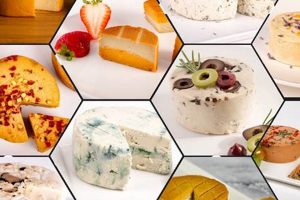
A dairy-free alternative to traditional cream cheese, this product is crafted by Kite Hill, a company specializing in plant-based cheeses. It utilizes cultured almonds as its primary ingredient, offering a spreadable cheese analog suitable for various culinary applications typically reserved for its dairy-based counterpart.
This alternative presents several benefits, particularly for individuals adhering to vegan diets, those with lactose intolerance, or those seeking to reduce their consumption of animal products. The almond-based nature provides a source of plant-based protein and healthy fats, while eliminating the cholesterol and saturated fat often associated with conventional cream cheese. Kite Hill’s approach underscores a growing demand for palatable and ethically sourced substitutes in the food industry.
The subsequent sections will delve into the specific nutritional profile, culinary uses, and consumer reception of this innovative food item, providing a comprehensive overview of its role within the expanding market of plant-based alternatives.
Tips for Utilizing Almond-Based Cream Cheese Alternative
This section provides guidance on effectively integrating almond-based cream cheese alternatives into various culinary applications. Consider these factors to optimize taste and texture.
Tip 1: Soften Before Use: To achieve optimal spreadability, allow the product to reach room temperature for approximately 15-20 minutes before application. This facilitates smoother incorporation into recipes.
Tip 2: Adjust Sweeteners in Baking: When substituting for traditional cream cheese in baking, be mindful of potential differences in sweetness. A slight reduction in added sugar may be necessary to balance the overall flavor profile.
Tip 3: Stabilize with Starch: In applications where a firmer texture is desired, such as cheesecakes or frostings, incorporate a small amount of cornstarch or tapioca starch to enhance stability and prevent excessive softening.
Tip 4: Consider Flavor Pairings: The subtle almond flavor pairs well with both sweet and savory ingredients. Experiment with combinations such as berries, citrus fruits, herbs like dill or chives, and smoked salmon alternatives.
Tip 5: Avoid Over-Mixing: When blending this alternative into other ingredients, avoid over-mixing, as it can lead to a gummy texture. Gently fold ingredients together until just combined.
Tip 6: Enhance Savory Dishes: For savory applications, consider adding nutritional yeast, garlic powder, or onion powder to amplify the umami flavor and create a more cheese-like taste.
By adhering to these guidelines, optimal results can be achieved when using almond-based cream cheese alternatives in a wide array of culinary creations.
The following sections will explore specific recipes and applications, further demonstrating the versatility of this plant-based ingredient.
1. Almond-based Ingredients

The central and defining characteristic of this product is its reliance on almonds as the primary ingredient. The use of almond milk, or a derivative thereof, as the base distinguishes it from traditional dairy-based cream cheese, or alternatives using soy, cashews, or other plant sources. This choice directly impacts the product’s nutritional profile, flavor, and texture. For instance, the natural sweetness of almonds contributes to the final flavor profile, often necessitating less added sugar than other vegan cream cheese formulations. Furthermore, almond-based products inherently lack cholesterol, a compound present in dairy-based cream cheese.
The sourcing and processing of these almonds are crucial factors influencing the final product’s quality and environmental impact. Kite Hill’s specific processes, including the culturing methods applied to the almond base, contribute significantly to the cream cheese-like texture and tang. This culturing process is essential for replicating the fermentation and acid production that contribute to the characteristic taste and mouthfeel of conventional cream cheese. Without this crucial step, the almond base would lack the distinctive tangy flavor expected of the product.
In conclusion, the selection of almonds as the foundation is not merely an arbitrary choice, but a deliberate strategy that shapes its identity and value proposition. Understanding this connection is crucial to assessing its suitability for different dietary needs and culinary applications, while also considering the ethical and environmental factors related to almond production.
2. Dairy-Free Composition

The absence of dairy is a defining characteristic, fundamentally altering the ingredient profile and target consumer base of the product compared to conventional cream cheese. This composition dictates its suitability for individuals with lactose intolerance, dairy allergies, or those adhering to vegan dietary principles.
- Absence of Lactose
Lactose, the primary sugar in dairy milk, is a common cause of digestive discomfort in individuals with lactose intolerance. Dairy-free products, by definition, exclude lactose, eliminating this potential issue. This allows a wider consumer base to enjoy cream cheese alternatives without adverse reactions.
- Exclusion of Casein and Whey
Casein and whey are milk proteins responsible for allergic reactions in some individuals. The dairy-free composition guarantees the absence of these proteins, making the product safe for those with milk allergies. This is a critical factor for individuals with severe allergies, where even trace amounts of dairy can trigger a reaction.
- Plant-Based Fat Sources
Conventional cream cheese derives its fat content from dairy milk. Dairy-free alternatives utilize plant-based fats, such as those found in almonds, as is the case here. This shift in fat source alters the fatty acid profile, often resulting in a higher proportion of unsaturated fats compared to saturated fats in dairy cream cheese. This can contribute to a more favorable nutritional profile from a cardiovascular health perspective.
- Reformulation of Texture and Flavor
Replicating the texture and flavor of dairy cream cheese without using dairy ingredients necessitates innovative formulation techniques. Ingredients like tapioca starch, gums, and cultures are often employed to mimic the smooth, creamy texture and tangy flavor profile characteristic of traditional cream cheese. The success of this reformulation is crucial to consumer acceptance and the product’s ability to serve as a viable substitute in culinary applications.
The dairy-free nature is not merely a compositional detail, but a fundamental aspect that determines the product’s accessibility, nutritional profile, and formulation strategy. This feature is pivotal for individuals with specific dietary needs and preferences, influencing its market position and consumer appeal.
3. Cream Cheese Analogue

The term “cream cheese analogue” specifically describes products intended to mimic the functionality and sensory experience of traditional cream cheese, without utilizing dairy ingredients. Within this category, Kite Hill’s vegan cream cheese represents a specific iteration, employing cultured almonds as its foundational element. Understanding the broader context of cream cheese analogues illuminates the challenges and innovations involved in replicating a familiar product with alternative ingredients.
- Replication of Texture
The primary challenge in creating a cream cheese analogue lies in replicating the smooth, creamy texture of the dairy-based original. This is typically achieved through a combination of techniques, including the emulsification of plant-based fats, the addition of thickening agents like starches or gums, and careful control of moisture content. Kite Hill utilizes cultured almonds, where the fermentation process contributes to a smoother texture compared to simply blending almonds with oil and water. The success in replicating texture is crucial for consumer acceptance, as it directly impacts the product’s usability in various culinary applications.
- Mimicry of Flavor Profile
The characteristic tangy flavor of cream cheese is a result of lactic acid fermentation, a process naturally occurring in dairy production. Cream cheese analogues must emulate this flavor through alternative means. Kite Hill achieves this by culturing its almond base with specific strains of bacteria that produce lactic acid, thereby replicating the tangy notes associated with conventional cream cheese. The selection of appropriate cultures is critical, as different strains yield varying flavor profiles. Furthermore, careful control of the fermentation process is necessary to achieve the desired level of tartness and prevent off-flavors.
- Nutritional Considerations
Cream cheese analogues offer the potential to modify the nutritional profile compared to their dairy counterparts. Plant-based versions, such as Kite Hill’s, typically contain less saturated fat and cholesterol, while providing a source of plant-based protein and fiber (depending on the ingredients). However, they may also differ in terms of micronutrient content and the presence of additives used to enhance texture and flavor. Consumers often choose cream cheese analogues as a means of reducing their intake of animal products and saturated fat, making nutritional considerations a significant factor in product development and marketing.
- Functional Equivalence
A successful cream cheese analogue must not only mimic the sensory attributes of the original but also its functionality in various culinary applications. This includes spreadability, baking performance, and the ability to blend seamlessly with other ingredients. Kite Hill aims to provide functional equivalence, allowing consumers to substitute their product in recipes that traditionally call for dairy cream cheese. However, subtle differences in composition may require adjustments to baking times or ingredient ratios to achieve optimal results. Achieving functional equivalence is essential for widespread adoption of cream cheese analogues as versatile culinary ingredients.
In essence, the concept of a “cream cheese analogue” highlights the efforts and innovations required to recreate a familiar food product using alternative ingredients and processes. Kite Hill’s vegan cream cheese represents a specific solution within this broader category, leveraging cultured almonds to achieve a dairy-free analogue that aims to replicate the texture, flavor, and functionality of traditional cream cheese. Examining it through the lens of the analogue concept underscores the complexities and trade-offs inherent in developing plant-based alternatives that meet consumer expectations.
4. Plant-Based Alternative
The term “plant-based alternative” serves as a foundational descriptor for understanding the nature and purpose of Kite Hill’s vegan cream cheese. It signifies a conscious departure from traditional animal-derived ingredients, specifically dairy, and an embrace of ingredients sourced from plant life. The core of this connection lies in a direct substitution: dairy milk, a traditional component of cream cheese, is replaced with a base derived from almonds. This replacement is not merely a change in ingredient; it is a fundamental shift reflecting dietary preferences, ethical considerations, and environmental awareness driving the demand for such alternatives.
The significance of “plant-based alternative” as a component of Kite Hill’s product extends beyond a simple descriptor. It directly informs the product’s nutritional profile, excluding lactose and cholesterol while introducing plant-based fats and, depending on processing, varying amounts of protein and fiber. Furthermore, it addresses a growing market of consumers seeking to reduce their reliance on animal products for various reasons, including concerns about animal welfare, environmental impact, and personal health. The existence of the product is a direct result of the increasing demand for viable plant-based options in mainstream food categories. For example, the rise in vegan and vegetarian diets has created a substantial market for alternatives that mimic the taste and functionality of dairy products, driving innovation and product development in this sector.
In conclusion, the link between “plant-based alternative” and Kite Hill’s vegan cream cheese is one of cause and effect. The desire for plant-based options necessitates the creation of products like this, and the term itself serves as a critical identifier for consumers seeking dairy-free alternatives. Understanding this connection is essential for both consumers and producers, as it highlights the driving forces behind the product’s existence and its role in a rapidly evolving food landscape.
5. Kite Hill Brand
The Kite Hill brand is inextricably linked to its vegan cream cheese. It represents more than merely a product label; it signifies a commitment to plant-based innovation within the dairy alternative space, shaping consumer perception and expectations. The brands reputation directly influences the perceived quality, trustworthiness, and overall appeal of its vegan cream cheese offering.
- Pioneering Plant-Based Dairy Alternatives
Kite Hill established itself early in the market for plant-based dairy alternatives, specifically focusing on cheese-like products. This first-mover advantage allowed the brand to build recognition and credibility as a purveyor of high-quality, plant-based substitutes. The vegan cream cheese, therefore, benefits from the halo effect of the brand’s broader reputation. An example of this is the consumer perception that Kite Hill products are more likely to deliver a palatable and texturally satisfying experience compared to lesser-known brands.
- Emphasis on Almond-Based Formulation
Kite Hill distinguishes itself by primarily utilizing almonds as the base for its products, including the vegan cream cheese. This almond-centric approach creates a distinct brand identity and influences the product’s flavor profile and nutritional content. Consumers associating Kite Hill with almonds often anticipate a specific taste and texture. This emphasis also caters to consumers seeking alternatives to soy-based or cashew-based vegan cheeses. This positions the product uniquely within the vegan cream cheese category and impacts consumer choice depending on their ingredient preferences.
- Culturing and Fermentation Techniques
The brand emphasizes the use of traditional cheese-making techniques, such as culturing and fermentation, to enhance the flavor and texture of its plant-based products. These methods differentiate Kite Hill from other brands that may rely more heavily on additives to achieve the desired sensory attributes. By leveraging these techniques, the brand aims to replicate the complexity and nuance of traditional dairy cheeses, appealing to consumers seeking a more authentic cheese-like experience. This commitment influences both the production process and the marketing narrative surrounding the vegan cream cheese.
- Premium Positioning and Pricing
Kite Hill typically positions its products within the premium segment of the plant-based market, reflecting a focus on high-quality ingredients and specialized production processes. This premium positioning translates to a higher price point compared to some competing vegan cream cheese brands. This pricing strategy influences consumer accessibility and targets a specific demographic willing to pay a premium for perceived quality, taste, and ethical sourcing. The brand’s association with higher prices, therefore, directly impacts the perceived value and target market for its vegan cream cheese.
In summary, the Kite Hill brand is not merely a label on a package of vegan cream cheese; it represents a cluster of values, production methods, and market strategies that collectively shape the product’s identity and consumer perception. The brand’s commitment to almond-based formulations, traditional cheese-making techniques, and premium positioning significantly influence the appeal and competitive standing of its vegan cream cheese within the broader plant-based market. The association with this brand therefore informs choices made by consumers conscious of product quality.
Frequently Asked Questions About Vegan Cream Cheese Kite Hill
The following section addresses common inquiries concerning Kite Hill’s dairy-free cream cheese alternative, providing clarity on its composition, usage, and nutritional aspects.
Question 1: Is Kite Hill’s cream cheese truly vegan?
Yes, the product is formulated without any animal-derived ingredients, including dairy, eggs, or honey. Independent certifications may further validate its vegan status.
Question 2: What are the primary ingredients in this cream cheese alternative?
Cultured almonds typically form the base, followed by water, vegetable oils, and thickening agents such as tapioca flour or gums. Exact ingredient lists may vary; therefore, consulting the product packaging is advised.
Question 3: Can this product be used in baking applications?
The product can generally substitute for traditional cream cheese in baking. However, adjustments to recipe formulations, such as reducing liquid content or adding a stabilizing agent like cornstarch, may be necessary to achieve optimal results.
Question 4: Does it taste like traditional cream cheese?
While the product aims to emulate the flavor profile of traditional cream cheese, subtle differences are noticeable due to the almond base. The taste is generally described as tangy and slightly nutty, though individual perceptions vary.
Question 5: What is the shelf life of this product?
The shelf life varies, typically ranging from several weeks to months when refrigerated and unopened. Once opened, the product should be consumed within a week to maintain freshness and prevent spoilage. Refer to the packaging for specific expiration dates.
Question 6: Where can this product be purchased?
It is generally available at major grocery chains, health food stores, and online retailers. Product availability may vary depending on geographic location and retailer stocking practices.
This compilation addresses fundamental questions surrounding Kite Hill’s dairy-free cream cheese, providing a comprehensive overview of its properties and applications.
The subsequent section will delve into consumer reviews and feedback, offering insights into real-world experiences with this plant-based cream cheese alternative.
Concluding Remarks on Vegan Cream Cheese Kite Hill
This exploration has illuminated the multifaceted nature of vegan cream cheese Kite Hill, progressing from its core components to its positioning within the broader plant-based market. The analysis encompassed its dairy-free composition, the significance of its almond-based ingredients, the brand’s influence on consumer perception, and its role as a cream cheese analogue. The aim was to comprehensively define this product and assess its contribution to the evolving landscape of food alternatives.
The continued innovation and refinement of plant-based products like vegan cream cheese Kite Hill remain crucial in addressing evolving dietary needs and ethical considerations. The onus remains on both producers and consumers to critically evaluate the nutritional profiles, sourcing practices, and environmental impacts associated with these alternatives, ensuring informed decisions that promote both personal well-being and sustainable food systems.