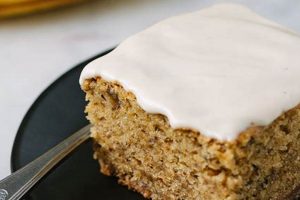
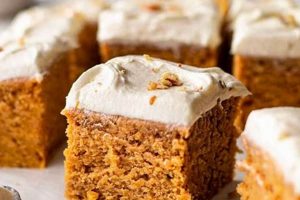
These baked goods are a plant-based variation of a classic treat, typically featuring a moist crumb, a swirl of cinnamon streusel, and often a glaze. Common ingredients include plant-based milk, oil instead of butter, and flaxseed meal as an egg substitute. A characteristic example would be a batch prepared using oat milk, applesauce to add moisture, and a topping made from brown sugar, flour, and vegan butter.
The increasing demand for dietary alternatives has fueled the popularity of plant-based versions of traditional baked items. The availability of such items addresses concerns regarding animal welfare and environmental impact associated with conventional dairy and egg production. This adaptation allows individuals with specific dietary restrictions to enjoy familiar flavors and textures without compromising their personal values.
The subsequent sections will explore specific techniques for achieving optimal texture and flavor, common ingredients and their substitutes, and variations on the traditional recipe. This information will empower bakers of all skill levels to create satisfying and delicious versions of this popular baked good.
Guidance for Superior Outcomes
Achieving ideal results when preparing this plant-based confection requires attention to specific details. The following recommendations aim to enhance the final product’s texture, flavor, and overall appeal.
Tip 1: Ingredient Temperature: Ensure plant-based milk and oil are at room temperature. This facilitates emulsification, resulting in a smoother batter and a more even crumb structure. Utilizing cold ingredients can lead to uneven mixing and a dense final product.
Tip 2: Streusel Consistency: Combine the streusel ingredients until the mixture resembles coarse crumbs. Over-mixing will result in a paste, while under-mixing will produce large, uneven pieces that may burn during baking. A proper crumble ensures even distribution of sweetness and texture.
Tip 3: Leavening Agent Activation: Employ both baking powder and baking soda. The baking soda reacts with acidic components, while baking powder provides a more sustained rise. Verify the freshness of both agents to guarantee adequate leavening.
Tip 4: Mixing Technique: Avoid over-mixing the batter once the dry and wet ingredients are combined. Over-mixing develops gluten, resulting in a tough texture. Gently fold the ingredients until just combined, leaving a few streaks of flour.
Tip 5: Baking Time and Temperature: Bake at a consistent temperature. An oven thermometer ensures accurate readings. Monitor the muffins closely during the final stages of baking. A toothpick inserted into the center should emerge with a few moist crumbs attached.
Tip 6: Cooling Process: Allow the muffins to cool in the pan for a few minutes before transferring them to a wire rack to cool completely. This prevents sticking and allows the crumb to set properly. Avoid prolonged cooling in the pan, as trapped moisture can lead to a soggy bottom.
Tip 7: Optional Glaze Application: A simple glaze made from powdered sugar and plant-based milk enhances both the flavor and appearance. Apply the glaze after the muffins have cooled completely to prevent it from melting and becoming runny.
Implementing these techniques will significantly improve the outcome of such preparations, delivering a moist, flavorful, and texturally pleasing result. By focusing on ingredient preparation, mixing techniques, and baking precision, a high-quality, plant-based baked good can be reliably produced.
The subsequent section will provide insight into common variations, exploring different flavor combinations and ingredient substitutions to further customize this dessert.
1. Moisture content

Moisture content is a critical determinant of the texture and overall palatability of this baked item. Due to the absence of eggs and dairy, typical sources of moisture in conventional recipes, plant-based formulations require alternative strategies to achieve a desirable level of hydration. Insufficient moisture leads to a dry, crumbly product lacking the soft, tender crumb expected. The selection and proportion of moisture-retentive ingredients are therefore of paramount importance. For example, incorporating applesauce, mashed banana, or plant-based yogurt introduces significant moisture and contributes to a tender texture. Over-baking accelerates moisture loss, further exacerbating the problem of dryness.
The specific ingredients employed and their ratios directly influence the moisture content. The use of oil, as opposed to melted vegan butter, can contribute to a moister crumb due to its liquid state at room temperature. Conversely, excessive use of flour can absorb available moisture, resulting in a denser, drier product. Plant-based milks, such as oat milk or soy milk, provide necessary hydration but should be balanced with other dry ingredients to prevent a soggy consistency. Precise measurement and careful balancing of wet and dry components are essential for maintaining the desired moisture level. Furthermore, adjusting baking time based on oven performance helps prevent over-baking and minimizes moisture loss.
In summary, maintaining optimal moisture content is fundamental to the success of such recipes. Careful consideration of ingredient selection, precise measurement, and controlled baking conditions contribute to achieving a moist, tender crumb. The avoidance of dryness is crucial for delivering a palatable and satisfying baked good. Failure to address this aspect compromises the overall quality and enjoyment of the final product.
2. Cinnamon streusel

Cinnamon streusel serves as a defining component, lending critical textural and flavor dimensions. This topping, characteristically comprised of flour, sweetener, fat, and cinnamon, introduces a crumbly contrast to the softer crumb of the base. Its presence elevates the sensory experience, contributing a textural interplay and a familiar warm spice note expected in the conventional form. The omission of this streusel significantly alters the overall perception of the dessert, reducing its resemblance to the archetypal baked good. In this plant-based iteration, the challenge lies in replicating the streusel’s desirable characteristics using vegan-compliant ingredients. Vegan butter, for example, can be substituted for conventional butter, though careful attention must be paid to ensure proper browning and crisping during baking.
The specific composition of the streusel directly impacts the final product. A coarse streusel provides more pronounced textural elements, while a finer streusel incorporates more seamlessly into the base. The ratio of cinnamon to sweetener influences the intensity of the spice flavor and overall sweetness. The type of sweetener used, such as brown sugar versus granulated sugar, affects the streusel’s moisture content and caramelization. Practical application involves experimenting with different ratios and ingredients to achieve the desired texture and flavor profile. For instance, adding rolled oats to the streusel introduces a nutty flavor and enhanced texture. Furthermore, chilling the streusel mixture prior to baking can prevent it from spreading excessively, maintaining its distinct crumbly form.
In summation, cinnamon streusel is integral to the identity and appeal of vegan versions. Its contribution extends beyond simple decoration, offering textural contrast, familiar flavor cues, and visual appeal. Addressing the challenges of vegan ingredient substitutions and carefully controlling the streusel’s composition are vital for delivering a satisfying and authentic representation of the traditional baked good. Its successful execution ensures a high-quality plant-based alternative that meets consumer expectations regarding flavor, texture, and overall enjoyment.
3. Vegan substitutions

Vegan substitutions are fundamental to the creation of plant-based versions of traditional baked goods. In the context of adapting standard recipes to a vegan format, specific ingredient replacements are necessary to eliminate animal-derived products while maintaining the desired texture, flavor, and structural integrity. The selection and application of these substitutions are paramount to achieving a successful outcome.
- Egg Replacement
Eggs contribute binding, leavening, and moisture to baked goods. Common substitutes include flaxseed meal mixed with water (“flax eggs”), applesauce, mashed banana, or commercial egg replacers. The specific choice depends on the desired outcome; flax eggs offer binding, while applesauce primarily provides moisture. Incorrect substitution can lead to a dense or crumbly texture.
- Dairy Milk Replacement
Dairy milk contributes moisture, flavor, and fat content. Plant-based milk alternatives such as soy, almond, oat, or coconut milk serve as direct replacements. The fat content and flavor profile of each plant-based milk vary, influencing the final product. Oat milk, for example, often provides a creamier texture than almond milk. Consideration should be given to selecting a milk alternative that complements the other ingredients.
- Butter Replacement
Butter contributes flavor, richness, and tenderness. Vegan butter alternatives, often made from plant-based oils, aim to mimic these qualities. The performance of vegan butter can vary depending on the brand and formulation. Some vegan butters contain higher water content, which can affect the texture and baking time. It is crucial to select a vegan butter that performs well in baking applications, providing the necessary fat content and stability.
- Honey Replacement
Honey is sometimes used for its sweetness and subtle flavor. Replacements such as maple syrup, agave nectar, or brown rice syrup provide comparable sweetness and can add their unique flavor nuances. The liquid consistency of these alternatives may necessitate adjustments to the overall liquid content of the recipe.
The successful creation of plant-based versions relies heavily on the careful consideration and selection of appropriate replacements. Experimentation and adjustments to standard recipes are often necessary to achieve the desired qualities in the final product. The nuances of each substitution and their impact on the texture, flavor, and structure of the vegan iteration must be understood to replicate the experience of its conventional counterpart.
4. Crumb texture

Crumb texture constitutes a crucial element in assessing the quality and appeal of baked items, specifically plant-based versions of the traditional coffee cake format. The desired crumb is typically characterized by a balance of tenderness and structural integrity, yielding a soft, moist interior with a slight resistance to the bite. An unsuitable crumb, conversely, may manifest as either overly dense and compact or excessively dry and crumbly. The successful replication of the conventional crumb texture in the absence of animal products presents significant challenges, necessitating careful consideration of ingredient selection and baking techniques. For example, a dense, gummy crumb can result from overmixing or inadequate leavening, while a dry, coarse crumb may be attributed to excessive gluten development or insufficient moisture. Practical applications of understanding crumb texture include adjusting ingredient ratios and mixing methods to achieve optimal results.
Achieving the ideal crumb structure necessitates strategic utilization of plant-based substitutes and precise control over baking parameters. Ingredients such as applesauce, mashed banana, or plant-based yogurt introduce moisture and contribute to a tender crumb. The inclusion of oil, rather than solid fats, can also enhance moisture retention. Conversely, the overreliance on high-protein flours or the excessive kneading of the dough promotes gluten development, resulting in a tougher crumb. Leavening agents, such as baking powder and baking soda, play a pivotal role in creating air pockets and promoting a light, airy texture. The proper balance and activation of these agents are essential for achieving the desired crumb structure. Furthermore, precise oven temperature and baking time are critical factors influencing the final texture. Over-baking leads to moisture loss and a dry crumb, while under-baking results in a dense, gummy interior.
In summary, crumb texture represents a key indicator of quality. Attaining the appropriate texture requires a thorough understanding of ingredient interactions and baking principles. The practical significance of this understanding lies in its ability to guide bakers in optimizing recipes, troubleshooting potential problems, and ultimately delivering plant-based baked goods that meet or exceed the expectations of consumers. Overcoming the challenges associated with replicating the conventional crumb in the absence of animal products demands a methodical approach and a willingness to experiment with different ingredients and techniques.
5. Sweetness level

The sweetness level is a critical attribute influencing the overall palatability and consumer acceptance of vegan coffee cake muffins. It directly affects the perceived flavor profile, impacting how well the other ingredients such as cinnamon, plant-based butter, and any added fruits are balanced. Insufficient sweetness results in a bland and unsatisfying product, while excessive sweetness can be cloying and mask other flavors. The specific target sweetness is influenced by cultural preferences, individual taste sensitivities, and the intended application of the muffin (e.g., breakfast versus dessert). For instance, a coffee cake muffin intended for breakfast might require a lower sweetness level than one designed as an afternoon treat. The choice of sweetener, whether granulated sugar, brown sugar, maple syrup, or other alternatives, also affects the perceived sweetness and overall flavor profile.
The attainment of optimal sweetness requires careful consideration of several factors, including ingredient ratios, baking techniques, and the inherent sweetness of other ingredients. For example, if the recipe incorporates naturally sweet components, such as applesauce or ripe bananas, the amount of added sweetener may need to be reduced accordingly. Precise measurement of sweeteners is essential for consistent results. Over-baking can also affect the sweetness level by causing the sweetener to caramelize and deepen in flavor, potentially leading to a product that is perceived as too sweet. Furthermore, the type of vegan glaze used, if any, must be factored into the overall sweetness calculation. A glaze that is too sweet can overwhelm the muffin, while one that is insufficiently sweet will fail to provide the desired finishing touch. The practical significance of understanding the connection between sweetness level and overall product quality lies in the baker’s ability to fine-tune recipes to meet specific preferences and optimize the sensory experience for the end consumer.
In summary, the sweetness level stands as a decisive characteristic. Achieving a balanced and palatable product necessitates careful consideration of ingredient interactions, precise measurement, and controlled baking conditions. The choice of sweetener, the sweetness contributions of other ingredients, and the intended purpose of the vegan coffee cake muffin all factor into determining the optimal sweetness level. Successful management of this element will enhance the sensory appeal and improve the consumer’s overall enjoyment. Furthermore, understanding these dynamics aids in addressing potential challenges, such as sweetness imbalances or unwanted flavor masking, leading to a more refined and consumer-friendly final product.
6. Glaze consistency
Glaze consistency is a defining characteristic that influences both the visual appeal and the textural and flavor experience of vegan coffee cake muffins. An appropriate consistency enhances the presentation, prevents excessive absorption into the crumb, and contributes a desirable level of sweetness and moisture. The properties of the glaze are integral to the overall perception of the baked item.
- Viscosity Control
Viscosity determines the glaze’s flow properties and its ability to coat the muffin evenly. A glaze with low viscosity may run off excessively, resulting in an uneven coating and potential messiness. Conversely, a high-viscosity glaze may be too thick to spread smoothly, leading to an undesirable, uneven appearance. Achieving optimal viscosity involves adjusting the ratio of liquid to powdered sugar and controlling temperature during preparation. For example, a glaze made with excessive liquid will result in a thin, transparent coating, while one with insufficient liquid will be too opaque and difficult to apply.
- Adhesion Properties
Adhesion refers to the glaze’s ability to adhere securely to the muffin surface. A glaze with poor adhesion will be prone to flaking or peeling off, detracting from the visual appeal and potentially creating a textural inconsistency. Factors influencing adhesion include the presence of fats or binding agents, the surface characteristics of the muffin, and the application technique. For example, adding a small amount of corn syrup or agave nectar to the glaze can improve its adhesion properties, while ensuring the muffin surface is slightly cooled before glazing promotes better bonding.
- Sweetness Integration
The consistency of the glaze impacts the perceived sweetness. A thicker glaze, due to its higher concentration of sugar, delivers a more intense sweetness than a thin glaze spread over the same surface area. The integration of sweetness depends on the distribution and concentration of the glaze. A glaze that is too thick and applied unevenly can create localized pockets of intense sweetness, while a glaze that is too thin may not provide sufficient sweetness to balance the flavors of the muffin. Careful control of consistency allows for the precise calibration of sweetness.
- Textural Harmony
The glaze contributes a distinct textural element that should complement the crumb texture of the muffin. A glaze that is too thick or brittle can create an undesirable contrast, while a glaze that is too thin may fail to provide any noticeable textural enhancement. The ideal glaze provides a smooth, slightly yielding texture that enhances the eating experience. For instance, a glaze made with a small amount of vegan butter can add a subtle richness and creaminess, contributing to a more harmonious textural profile.
In summary, glaze consistency is a critical factor. Successful execution contributes significantly to the visual presentation, textural harmony, and overall flavor profile of vegan coffee cake muffins. Addressing these nuanced aspects contributes to a more refined and satisfying plant-based confection.
Frequently Asked Questions
This section addresses common inquiries regarding the preparation, ingredients, and characteristics of vegan coffee cake muffins. These answers aim to provide clarity and enhance understanding.
Question 1: What constitutes a suitable substitute for eggs in this type of recipe?
Flaxseed meal combined with water, often referred to as a “flax egg,” serves as an effective binder. Applesauce also contributes moisture and can be used in conjunction with or in place of flaxseed meal, depending on the desired texture. Commercial egg replacers formulated for baking offer another viable option. The specific choice depends on desired texture and flavor profile.
Question 2: How does the use of plant-based milk affect the final product?
Plant-based milk alternatives, such as soy, almond, or oat milk, provide moisture and contribute to the overall flavor. The fat content and protein composition of each type of milk vary, which can influence the crumb texture. Oat milk often provides a creamier consistency compared to almond milk, influencing the final texture.
Question 3: What are the potential challenges in achieving the correct crumb texture?
Overmixing the batter can lead to excessive gluten development, resulting in a dense, tough crumb. Insufficient moisture or an imbalance of wet and dry ingredients can produce a dry, crumbly texture. Accurate measurement and gentle mixing techniques are essential for optimal crumb development.
Question 4: Is it possible to reduce the sugar content without compromising flavor?
The sweetness level can be adjusted by incorporating naturally sweet ingredients, such as ripe bananas or unsweetened applesauce. The use of alternative sweeteners, such as maple syrup or agave nectar, can also affect the perceived sweetness. Gradual reduction and careful adjustment are recommended to maintain a balanced flavor profile.
Question 5: What are the key considerations when making the cinnamon streusel topping?
The ratio of flour, sugar, and fat significantly influences the streusel’s texture. Vegan butter alternatives should be cold to prevent excessive spreading during baking. Chilling the streusel mixture prior to application can help maintain its crumbly texture. Even distribution across the surface is important for consistent results.
Question 6: How should the glaze consistency be adjusted for optimal results?
Glaze consistency depends on the ratio of powdered sugar to liquid. Insufficient liquid leads to a thick, pasty glaze, while excessive liquid results in a thin, runny glaze. Gradual addition of liquid, with thorough mixing, is recommended to achieve the desired viscosity. Applying the glaze to cooled muffins prevents excessive melting.
These answers offer guidance on common questions related to the formulation and preparation. Addressing these considerations aids in achieving consistent and desirable results.
The subsequent discussion will focus on modifications and flavor variations to broaden the versatility.
Conclusion
The preceding exploration has illuminated essential elements pertaining to vegan coffee cake muffins. From ingredient substitutions to textural considerations and flavor enhancements, a comprehensive understanding of the formulation has been presented. The significance of moisture content, streusel composition, and glaze consistency has been underscored, along with the impact of vegan substitutions on the final product.
Ultimately, successful production of vegan coffee cake muffins depends upon a synthesis of technical knowledge and careful execution. Continued refinement of recipes and techniques will undoubtedly advance the quality and acceptance of this plant-based adaptation. Further investigation into novel ingredients and baking methods holds the potential to elevate this classic treat to new levels of culinary excellence.