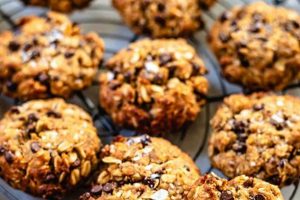
A confection typically crafted from coconut, sugar, and sometimes flavorings, this treat finds a variation that omits animal-derived ingredients. The result is a sweet, chewy, and often gluten-free baked good suitable for individuals adhering to a plant-based diet. Traditional recipes often utilize egg whites as a binder, which are replaced with alternative ingredients such as aquafaba (chickpea brine), flaxseed meal, or plant-based egg replacers to achieve the desired texture and structure.
The significance of offering plant-based alternatives lies in catering to a growing segment of the population prioritizing ethical and dietary considerations. This adaption provides a readily accessible dessert option for those with vegan lifestyles, egg allergies, or lactose intolerance. Historically, coconut-based sweets have existed in various cultures; the modern iteration reflects the increasing demand for inclusive and sustainable food choices.
Further discussion will delve into the specific ingredient substitutions used in creating these delectable items, explore variations in recipes, and examine the impact of these alternatives on the final product’s texture and flavor profile.
Crafting Superior Vegan Coconut Macaroons
Achieving optimal results in plant-based baking requires precision and an understanding of ingredient interactions. The following guidelines aim to elevate the quality of these specific confectionery items.
Tip 1: Hydrate Desiccated Coconut Adequately: Dry coconut can lead to a crumbly texture. Rehydrate it by soaking it in a small amount of warm plant-based milk or water for approximately 10-15 minutes before incorporating it into the recipe. This will ensure a moister final product.
Tip 2: Master Aquafaba Whipping Technique: If utilizing aquafaba, ensure it is chilled thoroughly before whipping. Use a stand mixer or electric hand mixer and whip until stiff peaks form. The stability of these peaks directly impacts the macaroon’s structure. Add a small amount of cream of tartar to stabilize the aquafaba even further.
Tip 3: Optimize Sweetener Selection: The type of sweetener used influences both the flavor and the texture. Granulated sugar provides a crisp exterior, while liquid sweeteners, such as agave or maple syrup, contribute to a chewier consistency. Adjust the quantity based on the desired outcome.
Tip 4: Incorporate Binding Agents Judiciously: Flaxseed meal or chia seed gel can serve as effective binders. Combine one tablespoon of either seed meal with three tablespoons of water and allow it to sit for 5-10 minutes until it forms a gel. Add this gel to the mixture to enhance binding and prevent the macaroons from spreading excessively during baking.
Tip 5: Control Baking Temperature and Time: Overbaking leads to dryness. Bake at a moderate temperature (typically 325F or 160C) and monitor closely. The macaroons are done when the edges are lightly golden brown and the centers are set but still slightly soft to the touch.
Tip 6: Allow for Complete Cooling: Transfer the baked goods to a wire rack and allow them to cool completely before handling. This prevents crumbling and allows the texture to fully develop.
Tip 7: Experiment with Flavor Enhancements: Consider adding extracts such as vanilla, almond, or lemon to complement the coconut flavor. A pinch of salt can also enhance the sweetness and complexity of the overall taste.
Adhering to these guidelines will result in a superior quality item characterized by optimal texture, flavor, and structural integrity. These considerations address common challenges in plant-based baking, particularly concerning binding and moisture retention.
The following sections will address specific recipe variations and delve into the sensory evaluation of these plant-based adaptations.
1. Plant-based Binding Agents

Plant-based binding agents are critical components in the structural integrity of vegan coconut macaroons. Traditional macaroon recipes rely on egg whites to bind the shredded coconut and sugar together, providing structure and preventing the cookies from spreading excessively during baking. In the absence of egg whites, alternative binding agents become necessary to replicate these functionalities. The selection and application of these agents directly affect the final texture, shape, and overall success of the veganized product. Without an effective plant-based binder, the macaroons are prone to crumbling, spreading thinly, or lacking the characteristic chewiness.
Examples of commonly used plant-based binding agents include aquafaba (chickpea brine), flaxseed meal (mixed with water to form a gel), chia seed gel, and commercially available egg replacers specifically formulated for baking. Aquafaba, when whipped, mimics the properties of egg whites, providing volume and lightness. Flaxseed and chia seed gels contribute viscosity and moisture, helping to hold the coconut mixture together. The choice of binding agent often depends on the desired textural outcome and any flavor considerations. For instance, aquafaba might be preferred for a lighter, airier macaroon, while flaxseed gel might be chosen for a denser, chewier texture. The quantity of binding agent used must also be carefully calibrated to avoid either a dry, crumbly macaroon (insufficient binder) or a gummy, overly moist one (excessive binder).
The understanding of plant-based binding agents is practically significant for both home bakers and commercial manufacturers seeking to create high-quality vegan coconut macaroons. Mastering the techniques for effectively utilizing these ingredients opens up possibilities for producing inclusive and appealing confectionery items. Challenges remain in consistently replicating the binding properties of egg whites, and further research into novel plant-based alternatives is ongoing. However, the proper application of existing techniques enables the creation of plant-based macaroons that closely resemble their traditional counterparts, satisfying the demands of a growing market segment.
2. Coconut Texture Optimization

The texture of the coconut significantly influences the overall palatability and quality of vegan coconut macaroons. Optimizing this aspect requires careful consideration of coconut type, preparation methods, and interaction with other ingredients, particularly plant-based binding agents.
- Coconut Shred Size and Moisture Content
The size of the shredded coconut directly impacts the macaroon’s structure. Finely shredded coconut yields a more cohesive and uniform texture, while coarser shreds provide a chewier consistency. The moisture content of the coconut is equally important; overly dry coconut results in a crumbly macaroon, whereas excessively moist coconut can lead to a soggy or dense final product. Pre-soaking desiccated coconut in plant-based milk or water can help to rehydrate it, ensuring optimal moisture levels.
- Coconut Type and Fat Content
Different types of coconut, such as desiccated, flaked, or fresh, possess varying fat contents and textural properties. Desiccated coconut, commonly used in macaroons, has a lower moisture content and longer shelf life compared to fresh coconut. However, its lower fat content may require adjustments in the recipe to achieve the desired richness. Adjusting the proportion of coconut milk or oil can compensate for the lower fat content of desiccated coconut, resulting in a more tender and flavorful macaroon.
- Toasting and Browning
Toasting the coconut before incorporating it into the macaroon mixture enhances its flavor and adds a subtle crunch. Lightly toasting the coconut intensifies its natural sweetness and nutty notes. However, excessive toasting can lead to dryness and bitterness, negatively impacting the overall texture and taste. Careful monitoring during the toasting process is essential to achieve the desired level of browning without compromising the coconut’s moisture content.
- Interaction with Binding Agents
The texture of the coconut interacts directly with the plant-based binding agents used in vegan macaroon recipes. The binding agent must effectively coat and adhere to the coconut shreds, creating a cohesive structure. Insufficient binding results in a crumbly macaroon, while excessive binding can lead to a dense or gummy texture. The ratio of coconut to binding agent must be carefully balanced to achieve the ideal chewy yet tender consistency.
By carefully controlling the size, moisture content, and type of coconut, as well as considering its interaction with other ingredients, a baker can achieve optimal texture in vegan coconut macaroons, enhancing both their taste and structural integrity. These considerations are particularly critical in plant-based baking, where the absence of eggs necessitates a precise understanding of ingredient interactions.
3. Sweetener Impact

The selection of sweeteners profoundly influences the texture, flavor, and overall characteristics of vegan coconut macaroons. Replacing refined sugar, a common ingredient, with alternatives alters the final products properties. Therefore, a comprehensive understanding of sweetener functionalities is essential.
- Type of Sweetener and Hygroscopicity
Different sweeteners possess varying hygroscopic properties, impacting the moisture content and texture of the macaroons. Liquid sweeteners, such as agave syrup or maple syrup, tend to be more hygroscopic than granulated sweeteners. This increased moisture retention can result in a chewier, softer texture. Conversely, granulated sweeteners like coconut sugar or cane sugar contribute to a crispier exterior. The specific type of sweetener selected must align with the desired textural outcome.
- Sweetness Intensity and Flavor Profile
Sweeteners differ in their sweetness intensity, requiring adjustments in quantity to achieve the desired level of sweetness. For example, stevia extract, a high-intensity sweetener, necessitates significantly smaller quantities compared to traditional sugar. Furthermore, each sweetener imparts a unique flavor profile. Maple syrup contributes a distinct caramel-like note, while coconut sugar offers a subtle hint of molasses. The chosen sweetener should complement, rather than overwhelm, the coconut flavor. Recipes frequently adjust the sweetener combination to achieve specific results.
- Impact on Browning and Caramelization
The browning or caramelization of sweeteners during baking contributes to the visual appeal and flavor complexity of the macaroons. Sugars with higher reducing sugar content, such as maple syrup or brown rice syrup, tend to caramelize more readily than sucrose. This caramelization enhances the depth of flavor and creates a more visually appealing golden-brown crust. Consideration of these browning characteristics is important when selecting a sweetener, especially in terms of the final aesthetic of the vegan coconut macaroons.
- Effect on Structural Integrity
Beyond flavor and texture, sweeteners play a role in the structural integrity of vegan coconut macaroons. The type and quantity of sweetener can affect how well the other ingredients bind together. Granulated sweeteners can add bulk and stability, while liquid sweeteners contribute to moisture and cohesion. The interaction between the sweetener, coconut, and plant-based binding agents is critical for achieving the desired shape and preventing excessive spreading during baking.
These interconnected factors demonstrate the multifaceted impact of sweeteners on vegan coconut macaroons. Careful consideration of these elements is crucial for achieving a balanced and flavorful product. The choice of sweetener is not merely about adding sweetness; it is about sculpting the very essence of the baked item, influencing its texture, appearance, and overall appeal.
4. Flavor Profile Variations
The flavor profile of vegan coconut macaroons extends beyond the inherent taste of coconut, offering a spectrum of possibilities through ingredient additions and adjustments. The exploration of these variations is fundamental to appealing to a diverse range of palates and dietary preferences.
- Citrus Infusion
The incorporation of citrus zest, such as lemon, lime, or orange, introduces bright and refreshing notes that counterbalance the richness of the coconut. The acidic nature of citrus also enhances the perceived sweetness, creating a more balanced flavor profile. A small amount of citrus extract can provide a similar effect, though fresh zest typically yields a more nuanced and complex flavor. The choice of citrus fruit and the quantity used directly influence the intensity and character of the final product, offering a means to tailor the macaroons to specific taste preferences.
- Spice Incorporation
Spices such as cinnamon, cardamom, ginger, or nutmeg can be incorporated into the macaroon mixture to add warmth and depth. These spices complement the coconut flavor, creating a more complex and aromatic profile. The quantity and combination of spices determine the overall intensity and character of the flavor. For instance, cinnamon imparts a familiar and comforting sweetness, while cardamom introduces a more exotic and fragrant note. Ground spices are typically used to ensure even distribution throughout the mixture, while whole spices can be infused into plant-based milk or other liquid components to extract their flavor. This method allows for a more subtle and nuanced spice flavor.
- Chocolate Enhancement
The addition of chocolate, either in the form of dark chocolate chips, cocoa powder, or melted chocolate, introduces a contrasting flavor element that complements the coconut. The bitterness of dark chocolate balances the sweetness of the macaroon, creating a more sophisticated and complex taste. The type of chocolate used directly influences the flavor profile; dark chocolate provides a richer and more intense flavor than milk chocolate. Dairy-free chocolate options are essential for maintaining the vegan integrity of the macaroons. Chocolate can be incorporated into the macaroon mixture or drizzled over the finished product for a visual and gustatory appeal.
- Nut and Seed Additions
The inclusion of nuts or seeds, such as almonds, pecans, walnuts, or sesame seeds, adds textural contrast and enhances the flavor profile of the macaroons. Toasted nuts provide a crunchy texture and nutty flavor that complements the coconut. Seeds, such as sesame seeds, offer a subtle nutty flavor and add visual interest. Nuts and seeds can be incorporated into the macaroon mixture or sprinkled on top before baking. The type and quantity of nuts or seeds used directly influence the flavor and texture of the final product, allowing for a wide range of variations.
These flavor profile variations demonstrate the adaptability of vegan coconut macaroons to diverse culinary preferences. The strategic use of citrus, spices, chocolate, and nuts or seeds allows for the creation of unique and appealing flavor combinations, expanding the appeal of these plant-based confections beyond their traditional coconut base. The successful implementation of these variations requires a careful balance of flavors and textures to ensure a harmonious and satisfying sensory experience.
5. Baking Technique Precision
Baking technique precision is paramount to achieving optimal results in the production of vegan coconut macaroons. The absence of traditional binding agents, such as eggs, necessitates meticulous attention to detail in every stage of the baking process. Small deviations from established procedures can significantly impact the final product’s texture, consistency, and overall quality.
- Temperature Control and Baking Time
Maintaining consistent oven temperature is essential for even cooking and preventing the macaroons from becoming overly dry or underbaked. Overbaking can result in a brittle texture, while underbaking leads to a soft and potentially gummy consistency. Precise monitoring of baking time, typically within a narrow range, is necessary to achieve the desired golden-brown color and slightly chewy center. The optimal temperature and baking time may vary depending on the oven and specific recipe, necessitating careful experimentation and adjustment.
- Mixing Technique and Ingredient Incorporation
The method of mixing and incorporating ingredients directly affects the texture and structure of the macaroons. Overmixing can develop gluten in any flour present (even gluten-free varieties can contain trace amounts or starches that react with overmixing), leading to a tough or dense texture. Under-mixing, conversely, can result in uneven distribution of ingredients and a poorly bound macaroon that crumbles easily. Gentle folding techniques are often employed to ensure even incorporation without overworking the mixture. The order in which ingredients are added can also impact the final product; for example, incorporating liquid sweeteners before dry ingredients can aid in even distribution and prevent clumping.
- Macaroon Shaping and Consistency
The size and shape of the macaroons influence their baking time and overall presentation. Uniformly sized macaroons ensure even cooking and a consistent texture across the batch. The consistency of the batter or mixture is crucial for maintaining shape during baking. If the mixture is too wet, the macaroons may spread excessively. Conversely, if the mixture is too dry, they may crack or crumble. Adjustments to the liquid content or binding agent can be made to achieve the desired consistency. Using a cookie scoop or piping bag can help to create uniformly sized and shaped macaroons.
- Cooling Procedures and Moisture Retention
The cooling process is critical for allowing the macaroons to set and retain their desired texture. Allowing the macaroons to cool completely on a wire rack prevents condensation and maintains a crisp exterior. Premature handling can cause the macaroons to crumble or lose their shape. Storing the macaroons in an airtight container after cooling helps to prevent them from drying out. The addition of humectants, such as vegetable glycerin, can aid in moisture retention and extend the shelf life of the macaroons.
These specific facets of baking technique precision are critical to the successful creation of plant-based coconut macaroons. By understanding and carefully controlling each of these elements, a baker can overcome the challenges posed by the absence of traditional binding agents and consistently produce high-quality, flavorful, and texturally pleasing plant-based confectionery items.
Frequently Asked Questions
This section addresses common inquiries regarding the preparation, ingredients, and characteristics of plant-based coconut macaroons. The aim is to provide clarity and dispel misconceptions surrounding this increasingly popular confection.
Question 1: What ingredients replace eggs in these particular confectionery items?
Conventional recipes rely on egg whites as a binder. Vegan adaptations commonly utilize aquafaba (chickpea brine), flaxseed meal mixed with water, or commercially available plant-based egg replacers. The specific choice depends on the desired texture and flavor profile.
Question 2: Is a gluten-free status inherent to these adapted recipes?
While many recipes inherently exclude gluten-containing ingredients, this is not universally true. The gluten-free status depends on the specific components used, particularly regarding any added flour or binding agents. Careful ingredient selection is crucial for those with gluten sensitivities.
Question 3: Do plant-based alternatives compromise the taste compared to traditional versions?
Ingredient substitutions can alter the flavor profile, but not necessarily negatively. High-quality recipes that carefully balance ingredients and flavorings can produce results comparable to, or even exceeding, the taste of traditional macaroons.
Question 4: How does the texture of these confections differ from those made with eggs?
Depending on the binding agent used, the texture can range from slightly chewier to equally light and airy. Aquafaba, for instance, mimics the airy texture of egg whites when whipped correctly. Experimentation with various binding agents is encouraged to achieve desired outcomes.
Question 5: What are the primary challenges in plant-based variations?
The main challenge lies in replicating the binding properties of eggs, maintaining moisture, and achieving the desired texture. Careful attention to ingredient ratios, mixing techniques, and baking times is essential for success.
Question 6: What is the optimal storage method to maintain freshness?
To preserve freshness, store baked items in an airtight container at room temperature. The inclusion of a piece of bread in the container can help absorb excess moisture and prolong the shelf life.
The key takeaways from this FAQ section emphasize the importance of informed ingredient selection and precise baking techniques for optimal results. Understanding these factors empowers bakers to create satisfying and delicious plant-based coconut macaroons.
The following section will delve into recipe recommendations and variations, offering practical guidance for creating these plant-based treats.
Conclusion
This exposition has thoroughly examined the intricacies of vegan coconut macaroon cookies, from ingredient substitutions to baking technique precision. The foregoing sections have underscored the significance of plant-based binding agents, coconut texture optimization, sweetener impact, flavor profile variations, and exacting baking methodologies in achieving a superior final product. The challenges inherent in replicating the structure and taste of traditional macaroons without animal-derived components have been addressed, providing a comprehensive understanding of the critical factors influencing the outcome.
The demonstrated adaptability of this confection to diverse dietary needs and preferences positions vegan coconut macaroon cookies as a viable and increasingly relevant option in the broader culinary landscape. Continued refinement of plant-based baking techniques and exploration of novel ingredient combinations hold the potential for further innovation and enhanced appeal in this specialized area. The principles outlined herein serve as a foundation for both novice and experienced bakers seeking to master the art of crafting these inclusive and delectable treats.