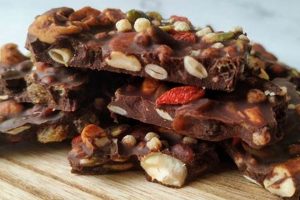
Confections crafted without the use of any animal-derived ingredients, relying instead on plant-based alternatives such as cocoa, plant-based milks (almond, soy, oat), and sweeteners like maple syrup or agave. These items offer an ethical and often healthier alternative to traditional chocolate-based desserts, catering to individuals adhering to vegan dietary guidelines. A common example is a rich, dark chocolate truffle made with coconut cream instead of dairy.
The importance of such offerings stems from the increasing awareness of animal welfare and the environmental impact of animal agriculture. Plant-based desserts allow individuals to enjoy familiar flavors while aligning with their ethical and environmental values. Historically, the development of these alternatives has been driven by the growing vegan movement and innovations in food technology, leading to a wider availability and improved quality of plant-based ingredients.
The following sections will delve into the specific ingredients used in creating delectable plant-based chocolate desserts, explore popular recipe variations, and discuss the nutritional aspects compared to conventional chocolate-based counterparts.
Guidance for Plant-Based Chocolate Confections
The following tips provide insights for successfully creating appealing and flavorful plant-based chocolate desserts. Adherence to these guidelines can enhance the overall quality and enjoyment of the final product.
Tip 1: Select High-Quality Cocoa: The foundation of any exceptional chocolate confection is the cocoa itself. Opt for unsweetened cocoa powder or cacao nibs with a rich aroma and deep color, indicative of minimal processing and superior flavor.
Tip 2: Utilize Plant-Based Milk Alternatives Strategically: Different plant-based milks impart distinct flavors and textures. Coconut milk lends richness, almond milk contributes a subtle nutty flavor, and oat milk provides a creamy consistency. Choose the milk that complements the desired outcome.
Tip 3: Sweeten Mindfully: Refined sugars are often avoided. Maple syrup, agave nectar, and dates are viable alternatives. Be mindful of their varying sweetness levels and moisture content, adjusting other ingredients accordingly to maintain the desired texture.
Tip 4: Emulsify for Smoothness: Lecithin, derived from soy or sunflower, can aid in emulsifying fats and liquids, preventing separation and creating a smoother mouthfeel, particularly in ganaches and sauces.
Tip 5: Enhance Flavor Profiles: Extracts such as vanilla, peppermint, or almond, as well as spices like cinnamon or chili powder, can elevate the taste experience and add complexity to the desserts.
Tip 6: Consider Texture Contrasts: Incorporate nuts, seeds, or dried fruit for added texture and visual appeal. These elements contribute to a more satisfying sensory experience.
Tip 7: Maintain Appropriate Temperatures: Precise temperature control is crucial, especially when melting chocolate or creating ganaches. Overheating can lead to seizing or a grainy texture. Use a double boiler or microwave in short intervals, stirring frequently.
Plant-based chocolate confections offer a delectable and ethically sound alternative to traditional desserts. By implementing these strategies, bakers can produce high-quality, flavorful treats that cater to diverse dietary preferences.
The subsequent sections will explore specific recipes and innovative applications of these guiding principles.
1. Ingredients

The foundation of any successful plant-based chocolate confection rests upon the careful selection of its components. The absence of animal-derived products necessitates precise substitution and adjustment in formulations. Cocoa, as the primary flavoring agent, must be of high quality, often sourced from sustainable and ethical suppliers. Plant-based milk alternatives, such as those derived from almonds, oats, or coconuts, directly impact the texture and overall flavor profile of the finished product. For example, coconut milk lends a richness and creaminess often sought in traditional chocolate, whereas almond milk offers a lighter, nuttier note. Sweeteners, typically refined sugar replacements, including maple syrup, agave nectar, or date paste, not only contribute sweetness but also influence moisture content and texture. Each ingredient plays a critical role, acting as both a cause and an effect in the resulting characteristics of the dessert.
Beyond the core components, supplementary ingredients enhance the complexity and appeal of plant-based chocolate items. Natural extracts, such as vanilla or peppermint, amplify the flavor profile, while spices like cinnamon or chili powder introduce warmth and depth. The inclusion of nuts, seeds, or dried fruits contributes textural contrast, further elevating the sensory experience. The careful combination and proportioning of these diverse elements is vital. For instance, the addition of a small amount of sea salt can enhance the perceived sweetness and balance the overall flavor of a dark chocolate confection. Understanding the interplay between these ingredients allows for the creation of sophisticated and satisfying plant-based chocolate recipes.
In summary, the success of plant-based chocolate items is inextricably linked to the thoughtful selection and skillful manipulation of ingredients. The absence of animal products demands careful consideration of substitutions and adjustments to achieve the desired flavor, texture, and overall sensory experience. Challenges lie in replicating the properties of traditional dairy-based chocolate, but with careful sourcing and experimentation, creating delectable and ethically sound treats is achievable. The emphasis on ingredients underscores the broader theme of conscious consumption and the potential for innovative culinary practices.
2. Texture

Texture is a crucial component of any successful food product, including plant-based chocolate confections. The absence of traditional dairy ingredients in vegan recipes necessitates a careful consideration of alternative methods to achieve desirable textural properties. The absence of butterfat, casein, and whey proteins, which contribute significantly to the smooth, creamy mouthfeel of conventional chocolate, requires innovative ingredient selection and processing techniques. For example, using coconut cream in a plant-based chocolate ganache can replicate the richness and smoothness found in dairy-based versions, while the addition of stabilizers such as tapioca starch can prevent graininess and maintain a consistent texture.
Achieving optimal texture in plant-based chocolate items involves understanding the interplay between ingredients. The ratio of fats to liquids, the degree of emulsification, and the particle size of cocoa solids all influence the final texture. Overmixing can lead to a gummy or dense product, while undermixing can result in a coarse or separated texture. Real-world examples demonstrate the importance of precision: a plant-based chocolate mousse relies on the delicate incorporation of air to achieve its light and airy texture, whereas a plant-based chocolate fudge requires careful control of crystallization to create a smooth, melt-in-the-mouth consistency. The practical significance of this understanding is evident in the ability to create plant-based chocolate items that rival, or even surpass, the sensory experience of their traditional counterparts.
Ultimately, the pursuit of desirable texture in plant-based chocolate is both a technical challenge and a creative opportunity. The successful replication of traditional textures and the exploration of novel textural experiences contribute to the overall appeal and acceptance of plant-based alternatives. While replicating the precise characteristics of dairy-based chocolate may be difficult, a focus on understanding and manipulating the properties of plant-based ingredients allows for the creation of unique and satisfying textural profiles. This detailed understanding is vital for developing commercially viable and palatable plant-based chocolate items.
3. Flavor Profiles

The term “flavor profiles,” as applied to plant-based chocolate items, refers to the complex interplay of taste and aroma sensations that define the overall sensory experience. The absence of dairy, a significant contributor to the characteristic flavor of conventional chocolate, necessitates a deliberate approach to crafting compelling and nuanced flavor profiles in vegan alternatives. The careful selection and blending of plant-based ingredients is paramount to achieving a balanced and satisfying taste experience. Consider, for instance, the use of different types of cocoa: a robust, dark cocoa powder will impart a bitter and intense chocolate flavor, while a lighter, Dutch-processed cocoa will contribute a milder and more mellow taste. Similarly, the choice of sweetener, whether it be maple syrup, agave nectar, or coconut sugar, will influence the overall sweetness level and add subtle nuances to the final flavor profile. For example, a vegan chocolate truffle sweetened with maple syrup will exhibit a distinct caramel-like undertone, while one sweetened with agave nectar will possess a cleaner, brighter sweetness.
The strategic integration of complementary flavors is critical to enhancing the complexity and appeal of plant-based chocolate items. Extracts such as vanilla, almond, or peppermint can amplify the inherent chocolate flavor and introduce new aromatic dimensions. Spices like cinnamon, chili powder, or cardamom can add warmth, depth, and a subtle kick, while ingredients such as coffee or sea salt can enhance the perceived sweetness and balance the overall flavor profile. For example, a vegan chocolate brownie infused with espresso powder will exhibit a more pronounced chocolate flavor and a subtle bitterness that complements the sweetness. Similarly, a plant-based dark chocolate bar sprinkled with sea salt will offer a contrasting salty-sweet sensation that enhances the overall sensory experience. These real-world examples underscore the practical significance of understanding how different flavors interact and complement each other in plant-based chocolate creations.
The development of compelling flavor profiles in vegan chocolate is both an art and a science. A thorough understanding of ingredient properties, flavor interactions, and consumer preferences is essential to creating successful and appealing products. While replicating the precise flavor of dairy-based chocolate may be difficult, plant-based ingredients offer a unique opportunity to explore new and innovative flavor combinations. The thoughtful and deliberate crafting of flavor profiles is crucial to the overall acceptance and appreciation of plant-based chocolate confections. The emphasis on flavor profiles highlights the broader theme of culinary innovation and the potential for plant-based ingredients to deliver exceptional taste experiences.
4. Sweeteners

The selection of sweeteners in plant-based chocolate items represents a departure from conventional refined sugars, necessitating careful consideration of alternative agents to achieve desired sweetness, texture, and flavor profiles. The characteristics of various sweeteners significantly influence the final product, impacting not only the perceived sweetness but also the overall sensory experience and nutritional value.
- Maple Syrup
Derived from the sap of maple trees, maple syrup offers a distinctive flavor profile characterized by caramel and vanilla notes. In plant-based chocolate items, it contributes moisture and a subtle sweetness that complements cocoa’s inherent bitterness. For example, maple syrup is often utilized in vegan chocolate ganaches to provide a rich, smooth texture and a complex sweetness. However, its higher moisture content requires adjustments to other liquid ingredients to maintain proper consistency.
- Agave Nectar
Agave nectar, sourced from the agave plant, presents a neutral sweetness and a high fructose content. Its liquid form readily integrates into vegan chocolate recipes, imparting a clean, consistent sweetness without significantly altering the texture. It is common in raw vegan chocolate bars, where its minimal processing aligns with the principles of raw food diets. Agave nectar’s high fructose content necessitates moderate consumption due to potential metabolic considerations.
- Date Paste
Created by blending dates into a smooth puree, date paste offers a natural sweetness and a binding property. In plant-based chocolate formulations, it contributes moisture, fiber, and a slightly chewy texture. It is used in vegan chocolate brownies to enhance moisture retention and provide a caramel-like sweetness and chewy texture. Its high fiber content can contribute to a feeling of fullness.
- Coconut Sugar
Derived from the sap of coconut palm flowers, coconut sugar consists of sucrose, glucose, and fructose. It offers a crystalline structure, a mild caramel flavor, and a lower glycemic index compared to refined sugar. When using coconut sugar the taste is somewhat similar to brown sugar and can be used in plant-based cookies or crumble where brown sugar is used. However, its higher cost and less consistent availability may limit its widespread use. This is often used with alternative flours like almond flour to provide the sweetness and grainy texture.
The choice of sweetener fundamentally shapes the flavor, texture, and nutritional profile of plant-based chocolate items. Each sweetener presents distinct advantages and disadvantages, requiring careful consideration to achieve the desired product characteristics. Understanding the properties of these alternatives empowers bakers to create innovative and palatable plant-based chocolate desserts that cater to diverse dietary preferences.
5. Health Benefits

Plant-based chocolate confections offer potential advantages compared to traditional counterparts, stemming primarily from the absence of dairy and the inclusion of nutrient-rich plant-based ingredients. The substitution of dairy fats with plant-based fats, such as those from coconut or nuts, can positively influence lipid profiles, reducing the intake of saturated fats often associated with cardiovascular concerns. The higher fiber content in many plant-based alternatives, due to ingredients like date paste or whole grains, promotes digestive health and contributes to feelings of satiety. A real-world example illustrates this: individuals consuming a plant-based chocolate avocado mousse, rich in healthy fats and fiber, may experience more sustained energy levels and reduced cravings compared to those consuming a traditional dairy-based chocolate mousse. The practical significance of these modifications lies in their potential to contribute to overall well-being.
Beyond fat and fiber modifications, the inclusion of specific ingredients with known health benefits further enhances the value of plant-based chocolate items. Dark chocolate, rich in flavanols, exhibits antioxidant properties, which can protect cells from damage caused by free radicals. The addition of nuts and seeds provides essential vitamins, minerals, and healthy fats. For instance, a plant-based chocolate bar incorporating almonds and chia seeds delivers vitamin E, magnesium, and omega-3 fatty acids. From a practical application standpoint, these ingredient choices transform what might be perceived as a simple indulgence into a source of beneficial nutrients. Furthermore, the absence of lactose in these confections makes them suitable for individuals with lactose intolerance, expanding accessibility and promoting digestive comfort.
In summary, the health benefits associated with plant-based chocolate originate from both the omission of potentially detrimental components and the inclusion of nutrient-dense plant-based alternatives. While not all plant-based chocolate items are inherently healthy, conscious ingredient selection and preparation techniques can significantly enhance their nutritional value. Challenges exist in ensuring transparency and avoiding excessive added sugars or unhealthy fats. However, the increasing awareness of these potential benefits underscores the importance of plant-based options and their capacity to contribute positively to a balanced diet and overall health.
6. Ethical Sourcing

The production of vegan chocolate confections is inextricably linked to ethical sourcing practices. The demand for cocoa, the primary ingredient, necessitates a scrutiny of the supply chain to ensure fair labor practices and environmental responsibility. The cause-and-effect relationship is evident: unethical sourcing often results in exploitation of workers, deforestation, and ecosystem degradation, directly contradicting the values associated with veganism. Ethical sourcing, therefore, functions as a critical component, ensuring that the creation of vegan chocolate aligns with principles of compassion and sustainability. For example, companies that source cocoa through Fair Trade certified cooperatives guarantee farmers receive a fair price, promoting economic stability and preventing child labor. This practice demonstrates the practical application of ethical principles in the realm of vegan confectionery. This focus on ethical sourcing often extends to other ingredients such as plant-based milk and sweeteners.
Further analysis reveals that transparency and traceability are crucial for effective ethical sourcing. Consumers increasingly demand information about the origin of their ingredients and the conditions under which they were produced. Certifications like Rainforest Alliance and UTZ, while not guaranteeing complete ethical compliance, offer a degree of assurance that certain environmental and social standards have been met. Real-world examples illustrate this. A chocolate company committed to ethical sourcing might partner directly with cocoa farmers, investing in sustainable farming practices and providing education on fair labor standards. This direct involvement ensures greater control over the supply chain and promotes long-term positive impacts. The practical significance of this approach lies in its ability to build consumer trust and foster a more sustainable chocolate industry overall.
In summary, ethical sourcing is not merely an optional consideration but an integral aspect of producing authentic vegan chocolate items. Challenges remain in verifying the ethical claims of suppliers and navigating the complexities of global supply chains. However, the increasing consumer demand for ethically sourced products underscores the importance of prioritizing transparency, fair labor practices, and environmental sustainability. This commitment to ethical sourcing aligns directly with the core values of veganism and contributes to a more just and sustainable food system.
7. Creative Recipes

The development and execution of creative recipes are paramount to expanding the appeal and accessibility of plant-based chocolate confections. Innovation in recipe formulation is essential for overcoming challenges associated with replacing traditional dairy-based ingredients and for showcasing the versatility of plant-based alternatives. This section elucidates key facets of creative recipe development in the context of vegan chocolate treats.
- Ingredient Innovation
This involves the strategic utilization of unconventional plant-based ingredients to mimic the textures and flavors of traditional chocolate desserts. Examples include using aquafaba (chickpea brine) as an egg white substitute in vegan chocolate mousse or incorporating black beans into vegan chocolate brownies for added moisture and fudgy texture. The implications are significant: ingredient innovation broadens the range of potential vegan chocolate creations and caters to diverse dietary needs.
- Flavor Pairing Experimentation
This facet focuses on exploring novel flavor combinations to enhance the sensory experience of plant-based chocolate. This includes integrating spices such as cardamom, cinnamon, or chili powder to add warmth and complexity, or incorporating fruit purees (e.g., raspberry, passion fruit) to provide contrasting tartness and brightness. Real-world applications showcase vegan chocolate truffles infused with Earl Grey tea or vegan chocolate bars studded with candied ginger. Flavor pairing experimentation elevates vegan chocolate treats beyond mere substitutes.
- Texture Manipulation
Achieving desirable textures without dairy requires innovative techniques. Agar-agar, a seaweed-derived gelling agent, can be employed to create vegan chocolate panna cotta. Furthermore, incorporating toasted nuts, seeds, or cacao nibs contributes textural contrast and enhances the overall mouthfeel. A specific example is a vegan chocolate avocado pudding, where the avocado provides a creamy texture without the need for dairy. Texture manipulation is critical for satisfying consumer expectations and expanding the range of vegan chocolate offerings.
- Deconstruction and Reconstruction
This approach involves disassembling traditional chocolate dessert recipes and reassembling them using plant-based alternatives. A classic example is a vegan chocolate cheesecake, where the dairy-based cream cheese is replaced with a cashew-based cream. The crust is made with nuts, coconut oil, and dates. This technique allows for reimagining familiar favorites and making them accessible to individuals following vegan dietary guidelines, expanding the market for vegan chocolate confectionery.
The interplay of these facets underscores the importance of creative recipe development in shaping the future of plant-based chocolate confections. By embracing ingredient innovation, flavor pairing experimentation, texture manipulation, and deconstruction/reconstruction techniques, bakers and confectioners can create vegan chocolate treats that are not only ethically sound but also exceptionally delicious and satisfying.
Frequently Asked Questions Regarding Plant-Based Chocolate Confections
This section addresses common inquiries and clarifies misconceptions surrounding the formulation, composition, and ethical considerations pertaining to chocolate items produced without animal-derived ingredients.
Question 1: What distinguishes plant-based chocolate items from traditional chocolate confections?
The defining characteristic lies in the complete absence of animal-derived ingredients, such as dairy milk, butter, or cream. Plant-based alternatives, including almond milk, coconut cream, or cocoa butter, are utilized to replicate the texture and flavor profiles of conventional chocolate.
Question 2: Are plant-based chocolate items inherently healthier than traditional chocolate confections?
Not necessarily. The nutritional profile depends on the specific ingredients used. While the absence of dairy may reduce saturated fat content, the presence of added sugars or processed plant-based fats can negate potential health advantages. Careful scrutiny of ingredient labels is advised.
Question 3: Can plant-based chocolate items replicate the taste and texture of traditional chocolate?
Achieving precise replication is challenging but attainable through skillful ingredient selection and formulation techniques. Plant-based milk alternatives and emulsifiers can approximate the creamy mouthfeel of dairy-based chocolate, while natural flavorings can enhance the overall taste experience.
Question 4: What are the common ingredients used in plant-based chocolate recipes?
Typical ingredients include cocoa powder, cocoa butter, plant-based milk (almond, oat, soy, coconut), natural sweeteners (maple syrup, agave nectar, date paste), vanilla extract, and occasionally nuts, seeds, or dried fruits for added texture and flavor.
Question 5: Is the cocoa used in plant-based chocolate confections ethically sourced?
Ethical sourcing is not guaranteed, and practices vary widely among manufacturers. Consumers should seek out certifications such as Fair Trade, Rainforest Alliance, or direct trade designations to ensure that the cocoa production adheres to fair labor standards and environmentally responsible practices.
Question 6: Are plant-based chocolate items suitable for individuals with allergies?
Allergy considerations are crucial. Plant-based chocolate items may contain common allergens such as nuts (almonds, cashews), soy, or coconut. Careful review of ingredient lists and allergen warnings is essential to avoid adverse reactions.
Plant-based chocolate confections represent a diverse category of desserts with varying nutritional profiles and ethical considerations. Informed consumer choices based on ingredient awareness and ethical certifications are paramount.
The subsequent sections will delve into specific recipe ideas and innovative applications of plant-based chocolate in the culinary arts.
Conclusion
This exploration has elucidated the multifaceted nature of vegan chocolate treats. It has underscored the significance of ingredient selection, textural considerations, flavor profiles, and ethical sourcing. A comprehensive understanding of these elements is crucial for producing plant-based confectionery that is both delectable and aligned with ethical values.
The continued evolution of culinary techniques and the growing consumer awareness of ethical and environmental concerns suggest a promising future for plant-based chocolate items. A commitment to innovation and transparency will be paramount in fostering the widespread adoption of these desserts as viable and desirable alternatives to traditional chocolate confections.