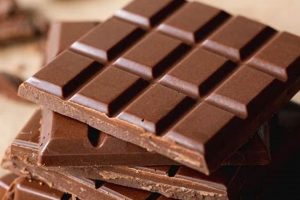
These treats consist of fresh, ripe strawberries coated in a chocolate specifically formulated to exclude all animal products. This typically involves substituting dairy milk with plant-based alternatives such as oat, almond, or coconut milk in the chocolate-making process. A common example would be dipping organic strawberries into a melted couverture made from cacao, sugar, and coconut milk.
The increasing demand for plant-based diets highlights the significance of these desserts. Benefits extend beyond dietary restrictions, offering a potentially healthier option with lower saturated fat and cholesterol compared to traditional versions. Historically, chocolate and fruit pairings have been a luxury, and this adaption democratizes the experience for individuals with specific dietary needs or ethical considerations.
The following sections will delve deeper into sourcing suitable ingredients, mastering the dipping process for a professional finish, exploring creative flavor combinations, and ensuring proper storage to maintain optimal freshness and quality.
Tips for Exceptional Results
Achieving optimal results when preparing plant-based chocolate-covered strawberries requires careful attention to detail. The following guidelines will assist in producing a visually appealing and palatable final product.
Tip 1: Strawberry Selection is Paramount. Utilize ripe, firm strawberries of uniform size. Avoid berries with blemishes or signs of overripeness, as these will compromise the texture and presentation.
Tip 2: Temper the Chocolate Correctly. Proper tempering ensures a smooth, glossy finish and prevents the chocolate from blooming (developing white streaks). Employ a double boiler or microwave at controlled intervals, monitoring the temperature with a thermometer to prevent burning.
Tip 3: Ensure Strawberries are Thoroughly Dry. Moisture interferes with chocolate adhesion. After washing, pat the strawberries completely dry with absorbent paper towels prior to dipping.
Tip 4: Achieve an Even Coating. Submerge each strawberry fully in the melted chocolate, then gently lift and rotate to allow excess chocolate to drip off. A smooth, consistent layer is essential for visual appeal and optimal flavor balance.
Tip 5: Garnish Strategically. Apply toppings, such as chopped nuts or shredded coconut, immediately after dipping while the chocolate is still molten. This ensures proper adhesion and prevents the garnish from falling off.
Tip 6: Use High-Quality Vegan Chocolate. The flavour of the chocolate greatly affects the final product. Ensure that it is made from high-quality cacao, and that it does not have any non-vegan additives.
Tip 7: Cooling Process is Key. Place the dipped strawberries on a parchment-lined baking sheet and refrigerate until the chocolate is fully set. This step is crucial for maintaining the structural integrity and glossiness of the coating.
Adhering to these tips will elevate the quality and presentation of your plant-based chocolate-covered strawberries, resulting in a superior culinary experience.
The subsequent sections will provide detailed guidance on specific techniques and ingredient sourcing to further refine your skills in creating this delectable treat.
1. Ingredient Quality
Ingredient quality directly influences the overall appeal and enjoyment of plant-based chocolate-covered strawberries. The selection of superior ingredients serves as the foundation for a successful outcome, impacting both flavor and aesthetic presentation. For instance, using substandard cacao yields a chocolate coating lacking the depth and complexity expected in a premium dessert. Similarly, strawberries past their peak ripeness will introduce a mushy texture that detracts from the eating experience.
Plant-based chocolate, unlike conventional varieties, often relies on specialized ingredients to achieve the desired texture and flavor profile. Coconut milk or cashew butter are commonly employed as dairy substitutes, and the quality of these alternatives directly affects the final result. For example, using a low-fat coconut milk can lead to a thinner, less creamy chocolate coating. Furthermore, the origin and processing of the cacao beans themselves have a demonstrable impact. Single-origin cacao, known for its distinctive flavor notes, offers a more sophisticated experience compared to generic blends. The same principle applies to the selection of toppings; using fresh, high-quality nuts or dried fruit enhances the overall sensory experience.
In conclusion, the deliberate selection of premium ingredients is paramount when preparing plant-based chocolate-covered strawberries. Poor quality ingredients can significantly compromise taste and texture, detracting from the overall enjoyment. Prioritizing high-grade components, from the cacao to the strawberries themselves, represents a crucial investment in achieving a superior final product. This commitment not only elevates the culinary experience but also reflects a dedication to quality and a deeper appreciation for the ingredients used.
2. Tempering Technique

The tempering technique is critical in the creation of plant-based chocolate-covered strawberries, directly impacting the chocolate’s final appearance, texture, and stability. Untempered chocolate, when cooled, forms unstable crystals, resulting in a dull, streaky surface, known as bloom, and a crumbly, less desirable mouthfeel. Conversely, properly tempered plant-based chocolate achieves a smooth, glossy finish and a crisp snap, significantly enhancing the treat’s visual appeal and sensory experience. The absence of dairy fat in many plant-based chocolate formulations often necessitates meticulous temperature control during the tempering process to compensate for compositional differences compared to traditional chocolate. A real-life example is the difference between coating strawberries with a haphazardly melted chocolate versus one that is carefully heated and cooled to specific temperatures to ensure the correct crystal structure is formed. This understanding is practically significant, as it determines the difference between amateur and professional-quality results.
The application of tempering techniques to plant-based chocolate requires adaptation of traditional methods. Precise temperature monitoring is essential, typically using a digital thermometer. The melt-seeding method, involving the addition of tempered chocolate to melted chocolate to initiate crystal formation, is frequently employed. Careful agitation is crucial to ensure uniform crystal distribution. Furthermore, environmental conditions, such as humidity, must be considered, as moisture can negatively affect the tempering process. For instance, on humid days, a lower working temperature may be necessary to achieve optimal results. Many plant-based chocolates contain alternative fats such as coconut or cashew butter, so the ideal temperatures for tempering differ from milk chocolate or dark chocolate made with dairy. Each formulation has a unique tempering curve that should be followed for best results.
In summary, the tempering technique is an indispensable component in producing high-quality plant-based chocolate-covered strawberries. It determines the chocolate’s visual appeal, textural properties, and resistance to bloom. Although the process requires precision and adaptation to plant-based formulations, the resulting improvements in product quality justify the effort. Challenges in tempering plant-based chocolate can be overcome through meticulous temperature control, careful agitation, and consideration of environmental factors, linking directly to the broader goal of creating aesthetically pleasing and delicious plant-based desserts.
3. Strawberry Freshness
Strawberry freshness constitutes a foundational element in the successful creation of high-quality plant-based chocolate-covered strawberries. The degree of freshness directly influences the flavor profile, texture, and overall appeal of the final product. Utilizing subpar or overripe strawberries compromises the integrity of the dessert, detracting from the intended culinary experience.
- Flavor Profile Modulation
Fresh strawberries possess a balanced sweetness and subtle acidity, complementing the richness of the plant-based chocolate coating. As strawberries age, their sugar content diminishes, leading to a blander flavor. Overripe strawberries, conversely, exhibit an overly sweet, almost fermented taste that clashes with the chocolate. For example, utilizing freshly picked berries, consumed within 24 hours, maximizes flavor complexity. In contrast, strawberries stored for several days before dipping yield a less nuanced flavor profile, impacting the overall enjoyment.
- Textural Integrity
Firmness characterizes fresh strawberries, providing a pleasant textural contrast to the smooth chocolate coating. Overripe strawberries become soft and mushy, creating an undesirable mouthfeel. This textural degradation also compromises the structural integrity of the dessert, making it prone to collapsing or becoming misshapen. Visual evidence of this impact would be demonstrated in that a fresh strawberry maintains its shape when dipped, whereas an older berry may become deformed under the weight of the chocolate.
- Visual Appeal
Vibrant color and unblemished surfaces define the visual appeal of fresh strawberries. Overripe strawberries develop dark spots or bruises, detracting from the aesthetic presentation of the dessert. Plant-based chocolate-covered strawberries are often presented as visually appealing treats; using less-than-perfect berries undermines this intention. Consider, for example, the stark contrast between a batch of strawberries dipped fresh, which remain bright red and firm, versus berries dipped when bruised, which appear discolored and unappetizing.
- Storage Longevity
Fresh strawberries, when properly stored, extend the shelf life of the finished plant-based chocolate-covered strawberries. Overripe strawberries, already nearing spoilage, accelerate the degradation of the chocolate coating and reduce the overall storage potential. Consequently, utilizing fresh berries increases the likelihood of enjoying the dessert at its peak quality. Preparing plant-based chocolate-covered strawberries with same-day purchased berries extends freshness as compared to those made with berries stored at home for a week.
The interconnectedness of these facets underscores the significance of prioritizing strawberry freshness when preparing plant-based chocolate-covered strawberries. Compromising on freshness invariably diminishes the overall quality of the dessert. By diligently selecting and handling strawberries to maintain their peak condition, individuals can ensure a superior culinary experience, characterized by optimal flavor, texture, and visual appeal. The difference becomes readily apparent when comparing two sets of the dessert side by side – the impact of freshness is clear.
4. Coating Consistency

Coating consistency serves as a critical determinant of quality in the preparation of plant-based chocolate-covered strawberries. The uniformity and thickness of the chocolate layer directly impact the aesthetic appeal, textural experience, and flavor balance of the final product. Deviations in coating consistency can result in an uneven appearance, compromised structural integrity, and an imbalance in the ratio of chocolate to strawberry.
- Uniform Thickness
Consistent thickness ensures a balanced flavor profile and prevents localized concentrations of chocolate. Variations in thickness can result in certain areas being overwhelmingly chocolate-flavored, while others lack sufficient chocolate presence. An example would be a strawberry where one end is thinly coated, providing minimal chocolate flavor, while the other end has a thick, excessive layer that overwhelms the strawberry’s natural sweetness. Properly controlling chocolate viscosity and dipping technique mitigates this issue.
- Smooth Surface
A smooth, even surface enhances the visual appeal and contributes to a pleasant mouthfeel. Lumps, bumps, or air bubbles detract from the aesthetic presentation and can create an undesirable textural sensation. The meticulous tempering of the chocolate and controlled dipping speeds are imperative for achieving a flawless surface. For instance, allowing excess chocolate to drip off after dipping helps prevent the formation of drips and uneven patches. The surface tension of the chocolate greatly affects the smoothness, a key quality to monitor.
- Adhesion to Strawberry
Adequate adhesion ensures the chocolate coating remains intact and prevents separation from the strawberry. Poor adhesion can result in the chocolate cracking or peeling off, compromising the structural integrity and aesthetic appeal of the dessert. The proper preparation of the strawberries, including thorough drying, promotes strong adhesion. Specifically, moisture on the surface of the strawberry prevents the chocolate from bonding effectively, leading to premature separation.
- Resistance to Cracking
A consistent coating, achieved through proper tempering, is more resistant to cracking during handling and storage. Cracking not only detracts from the visual appeal but also exposes the strawberry to air, accelerating spoilage. A well-tempered, consistently thick chocolate coating provides a protective barrier, maintaining the strawberry’s freshness and preventing structural failure. Improper cooling or excessive temperature fluctuations can induce cracking, highlighting the importance of controlled post-dipping conditions.
These interconnected facets underscore the importance of meticulous attention to coating consistency when preparing plant-based chocolate-covered strawberries. Achieving a uniform thickness, smooth surface, adequate adhesion, and resistance to cracking requires precise control over chocolate properties, dipping techniques, and environmental factors. The end result will be a superior sensory experience.
5. Garnish Adhesion
Garnish adhesion is an integral component of plant-based chocolate-covered strawberries, directly impacting both the aesthetic presentation and the overall textural experience. Inadequate adhesion diminishes the visual appeal and leads to a loss of garnish, creating a less desirable product. The success of garnish integration hinges on the interplay of chocolate viscosity, surface moisture, and application timing.
Achieving optimal garnish adhesion in plant-based chocolate-covered strawberries requires a multi-faceted approach. First, the chocolate coating must possess adequate tackiness, generally achieved through proper tempering and temperature control. Secondly, the surface of the chocolate-covered strawberry should be slightly moist to facilitate bonding. This can be accomplished by applying the garnish immediately after dipping. Finally, the application technique is critical; gentle pressing ensures that the garnish makes firm contact with the chocolate surface. For instance, chopped nuts applied too late, after the chocolate has begun to set, will not adhere properly and are likely to fall off during handling. Similarly, a dry, fully set chocolate surface will prevent effective bonding, regardless of the garnish used. Vegan sprinkles, shredded coconut, and chopped nuts are common garnishes; each requires careful application. The absence of dairy fats in many vegan chocolate formulations can make garnish adhesion challenging, requiring attention to detail during the coating and decorating process.
Effective garnish adhesion is crucial for ensuring product quality and longevity. Poorly adhered garnishes detract from the visual appeal and can create a messy presentation. Furthermore, loose garnishes increase the risk of contamination and reduce the shelf life of the product. Therefore, a thorough understanding of the factors influencing garnish adhesion, coupled with meticulous application techniques, is essential for producing plant-based chocolate-covered strawberries that are both visually appealing and structurally sound. The challenge of dairy-free adhesion can be overcome with precise tempering and timely application, enhancing the overall quality and appeal of this plant-based treat.
6. Storage Conditions

Proper storage conditions are paramount for preserving the quality and extending the shelf life of plant-based chocolate-covered strawberries. The absence of dairy and the use of plant-based fats in vegan chocolate formulations necessitate specific storage considerations to prevent degradation in flavor, texture, and appearance. Maintaining optimal conditions is crucial for delivering a product that aligns with the intended sensory experience.
- Temperature Control
Consistent temperature regulation is essential to prevent melting, blooming (formation of white streaks), and textural changes in the chocolate coating. Fluctuations in temperature can cause the plant-based fats to separate, resulting in an unappealing appearance and compromised mouthfeel. For instance, storing the strawberries at room temperature can lead to softening and a loss of structural integrity. Refrigeration, typically between 2-8C (36-46F), is recommended to maintain firmness and prevent rapid spoilage. However, direct exposure to cold, dry air should be avoided as it can lead to surface cracking and dehydration.
- Humidity Management
Controlling humidity is critical for preventing moisture condensation on the chocolate surface, which can lead to sugar bloom (dissolution and recrystallization of sugar, creating a grainy texture). High humidity levels encourage microbial growth, accelerating spoilage of both the strawberry and the chocolate. Storage in an airtight container minimizes exposure to moisture and prevents the absorption of odors from the surrounding environment. For example, storing uncovered strawberries in a humid refrigerator can result in a sticky, unattractive surface and a shortened shelf life.
- Light Exposure Reduction
Exposure to direct light, particularly sunlight, can degrade the plant-based fats in the chocolate and cause discoloration. Light-induced oxidation can also affect the flavor profile, leading to off-flavors and a loss of desirable aromas. Storing the strawberries in a dark, opaque container or covering them with a light-blocking material minimizes light exposure and preserves their quality. A clear container left on a sunny windowsill would be detrimental.
- Airtight Containment
Storing plant-based chocolate-covered strawberries in an airtight container minimizes exposure to oxygen, preventing oxidation and preserving freshness. Airtight containers also prevent the absorption of odors from the surrounding environment, ensuring that the strawberries retain their intended flavor profile. Proper sealing extends the shelf life, allowing the strawberries to be enjoyed at their peak quality. Leaving strawberries exposed in the refrigerator leads to them drying out and absorbing unwanted flavors.
These facets collectively underscore the significance of meticulous storage practices for plant-based chocolate-covered strawberries. Adhering to proper temperature, humidity, light exposure, and containment guidelines ensures that the product retains its intended flavor, texture, and visual appeal, providing a satisfying and high-quality culinary experience. Failure to manage these factors can lead to rapid deterioration, diminishing the overall quality and enjoyment of the dessert.
Frequently Asked Questions About Plant-Based Chocolate-Covered Strawberries
The following questions address common inquiries and concerns regarding the preparation, storage, and characteristics of plant-based chocolate-covered strawberries. These answers are intended to provide clear and concise information for consumers and producers.
Question 1: Are all dark chocolate varieties suitable for creating plant-based chocolate-covered strawberries?
Not all dark chocolate is inherently plant-based. Some formulations contain dairy derivatives, such as whey or milk solids. It is essential to scrutinize the ingredient list to ensure the absence of animal products. Look for labels explicitly denoting “vegan” or “dairy-free.”
Question 2: What is the optimal storage duration for plant-based chocolate-covered strawberries?
Due to the perishable nature of fresh strawberries and the potential for chocolate bloom, plant-based chocolate-covered strawberries are best consumed within 24-48 hours of preparation. Proper refrigeration in an airtight container can extend this window slightly, but flavor and texture degradation will occur over time.
Question 3: Does the absence of dairy affect the tempering process of the chocolate?
The absence of dairy fats in plant-based chocolate necessitates adjustments to the tempering process. Plant-based chocolates often require lower tempering temperatures and more precise temperature control to achieve a stable crystal structure and prevent bloom. Each chocolate brand may have different optimal temps, therefore it is vital to read and follow manufacturer instructions.
Question 4: What plant-based alternatives are commonly used to replace dairy in the chocolate coating?
Common dairy substitutes include coconut milk, cashew butter, almond milk, and oat milk. The selection of a specific alternative affects the flavor profile and texture of the final product. The fat content of the substitute needs to be high enough to create a smooth final product.
Question 5: Is it possible to freeze plant-based chocolate-covered strawberries?
Freezing is generally not recommended due to the high water content of strawberries and the potential for chocolate to bloom upon thawing. The texture of the strawberries will become mushy, and the chocolate may develop an undesirable grainy consistency.
Question 6: How does humidity affect the shelf life of plant-based chocolate-covered strawberries?
High humidity accelerates the degradation of both the strawberries and the chocolate coating. Moisture promotes microbial growth and can lead to sugar bloom on the chocolate surface. Proper storage in an airtight container helps mitigate these effects.
In summary, achieving optimal results with plant-based chocolate-covered strawberries requires attention to ingredient selection, tempering techniques, storage conditions, and an understanding of how the absence of dairy impacts these factors.
The following section will provide resources and recommendations for sourcing high-quality plant-based chocolate and strawberries.
Vegan Chocolate Strawberries
This exploration has illuminated the multifaceted nature of vegan chocolate strawberries, emphasizing the critical roles of ingredient quality, precise techniques, and optimal storage in crafting a superior product. From the careful selection of plant-based chocolate to the meticulous tempering process and the insistence on fresh, ripe strawberries, each element contributes significantly to the overall quality and appeal.
The creation of exceptional vegan chocolate strawberries represents a commitment to both culinary excellence and ethical consumption. The future success of this treat hinges on continued innovation in plant-based chocolate formulations and a dedication to sustainable sourcing practices, ensuring its accessibility and enjoyment for generations to come.