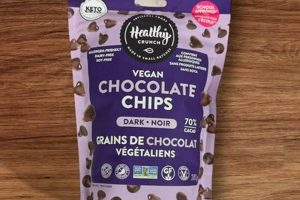
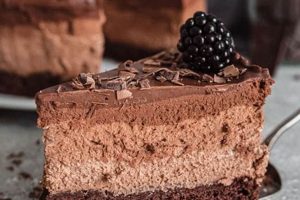
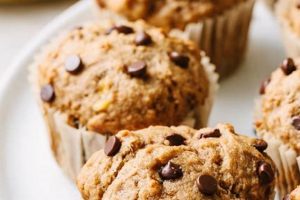
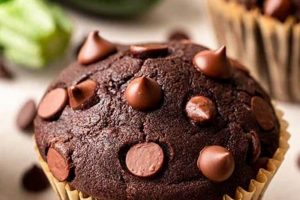
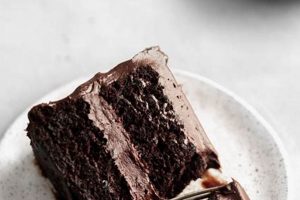
A sweet, glossy coating crafted without animal products, this confection is designed to provide a rich, decadent finish to baked goods and desserts. Ingredients typically include cocoa powder or melted vegan chocolate, plant-based milk (such as almond, soy, or oat), a sweetener like maple syrup or agave, and sometimes a touch of vanilla extract. An example of its use would be to adorn a vegan chocolate cake, lending both aesthetic appeal and enhanced flavor.
Its appeal lies in its ability to offer a guilt-free indulgence, adhering to ethical and dietary preferences. The increasing demand for plant-based options has fueled its popularity, making it a versatile ingredient for both home bakers and commercial confectioners. Historically, dairy-based glazes were the norm, but this adaptation provides a cruelty-free alternative without compromising on taste or texture.
Understanding the nuanced techniques involved in creating a flawless finish, exploring ingredient variations, and mastering troubleshooting strategies can elevate the art of vegan dessert preparation. This article will delve into these aspects, providing practical guidance for achieving professional-quality results.
Vegan Chocolate Glaze Tips
Achieving a desirable consistency and sheen requires careful attention to detail. The following guidance offers techniques for optimal results.
Tip 1: Ingredient Quality Matters. Use high-quality cocoa powder or vegan chocolate. The flavor profile of the glaze is directly influenced by the ingredients. For example, using Dutch-processed cocoa powder will yield a smoother, less acidic flavor.
Tip 2: Maintain a Low Simmer. When heating the mixture, use low heat and avoid boiling. Overheating can cause the glaze to become thick and grainy. A gentle simmer ensures the ingredients combine smoothly.
Tip 3: Adjust Liquid Ratios. The ideal amount of plant-based milk will vary depending on the cocoa powder or chocolate used. Add the liquid gradually, stirring until a smooth, pourable consistency is achieved. A thicker chocolate requires a slightly greater liquid ratio.
Tip 4: Incorporate a Fat Component. Adding a small amount of vegan butter or coconut oil provides richness and a glossy finish. This addition enhances the overall mouthfeel and visual appeal.
Tip 5: Sieve the Cocoa Powder. Sifting cocoa powder eliminates lumps and ensures a uniformly smooth glaze. This simple step prevents textural imperfections.
Tip 6: Cool Slightly Before Application. Allowing the glaze to cool slightly before pouring over the baked goods helps it adhere properly and prevents it from running off excessively. This controlled application leads to a more even coating.
Tip 7: Experiment with Flavors. Enhance the flavor profile by incorporating extracts, such as vanilla, almond, or coffee. A small amount of espresso powder can intensify the chocolate flavor.
By carefully considering these aspects, a superior final product can be achieved. Precise execution ensures a visually appealing and palatable result.
The following sections will explore specific recipes and advanced techniques for creating unique variations.
1. Texture Development

Texture development is a crucial component in achieving a desirable outcome. The texture directly impacts the mouthfeel and overall sensory experience, determining whether a creation is perceived as luxurious or disappointing. In this context, ideal texture ranges from a smooth, velvety pourable state for coating, to a slightly thicker, more viscous state when used as a filling or frosting base. Improper texture can manifest as graininess, separation, or an overly thin, watery consistency.
Several factors contribute to successful texture development. The type and quality of the cocoa powder or chocolate used are paramount. High-fat content in the chocolate tends to result in a glossier and smoother texture. The interaction between the dry cocoa solids and the liquid component (plant-based milk) is equally important. Insufficient blending or incorrect temperature management can lead to grainy textures, as the cocoa particles fail to fully dissolve and integrate into the liquid. For example, using high heat while combining ingredients may cause the plant-based milk to curdle, thereby compromising the texture. Furthermore, the addition of fats, such as vegan butter or coconut oil, plays a key role in the final product. These fats contribute to a smoother mouthfeel and prevent crystallization, which can lead to a gritty texture.
Ultimately, the understanding and control of texture development is essential for successfully creating a high-quality vegan chocolate glaze. Mastering techniques such as sifting the cocoa powder, maintaining low heat during the cooking process, and gradually incorporating the liquid ingredients allows for greater control over the final texture. This approach minimizes the risk of common textural issues and elevates the final product.
2. Ingredient Compatibility

Ingredient compatibility represents a critical factor in achieving a successful formulation. The interactions between components significantly influence the texture, flavor, and stability of the final product. In the context of this, plant-based milk selection directly affects the outcome; for instance, almond milk, with its lower fat content compared to coconut milk, can yield a thinner glaze. Cocoa powder quality interacts with the chosen sweetener; a highly acidic cocoa may require adjustments in the sweetener type or quantity to balance the flavor. Conversely, using an alkaline cocoa might necessitate a different approach to achieve the desired depth of flavor.
Real-world examples illustrate the importance of considering these interactions. Combining a high-fat vegan butter alternative with an already rich chocolate can create an overly heavy product, while using a low-fat alternative alongside a low-cacao percentage chocolate might result in a watery and unsatisfying finish. Stabilizers, such as cornstarch or tapioca starch, might be necessary to prevent separation in formulas containing a high proportion of liquid. The order of ingredient incorporation also matters; gradually whisking the cocoa powder into a cold plant-based milk base, prior to heating, minimizes clumping and ensures a smoother emulsion. Moreover, the shelf-life stability of certain components must be considered. Some plant-based milks may exhibit a tendency to separate or degrade when exposed to prolonged heating or acidic ingredients.
Understanding ingredient compatibility permits informed formulation choices and optimizes product quality. Overlooking these relationships can lead to textural defects, flavor imbalances, and reduced shelf-life. Recognizing potential challenges facilitates proactive mitigation, ensuring the final glaze achieves the desired aesthetic appeal, flavor profile, and structural integrity. Successful application of these principles enhances the overall sensory experience and fosters consistent, repeatable results.
3. Sweetness Balance
Sweetness balance is paramount in achieving a palatable and harmonious flavor profile. The interaction between the inherent bitterness of cocoa and the added sweetness is crucial; insufficient sweetness renders the glaze astringent, while excessive sweetness masks the nuanced chocolate notes. The choice of sweetenerbe it maple syrup, agave nectar, or granulated sugaralso impacts the final taste. Maple syrup introduces a distinctive caramel undertone, whereas agave offers a more neutral sweetness. The effect of each sweetener on texture and moisture content must also be considered. An imbalanced sweetness undermines the intended decadent experience and diminishes the glaze’s overall quality.
Real-world scenarios exemplify the importance of achieving optimal sweetness balance. In commercial production, a glaze with inconsistent sweetness levels leads to variable product quality and compromised customer satisfaction. Conversely, a precisely calibrated sweetness enhances the perceived richness and sophistication, elevating the associated dessert. From a technical perspective, the browning potential of various sweeteners affects the glaze’s visual appeal during baking. Certain sugars caramelize more readily, contributing to a deeper color and more complex flavor development. Accurate measurement and a clear understanding of sweetener properties are thus indispensable for producing a reliably delicious glaze.
In summary, attaining optimal sweetness balance is not merely an aesthetic consideration but a fundamental aspect of flavor development and textural integrity. Overcoming challenges associated with ingredient variability and individual taste preferences requires meticulous attention to detail, precise measurement, and a thorough understanding of the interactions between sweeteners and other components. These insights are directly applicable to both home baking and large-scale production, ensuring consistent and appealing outcomes.
4. Sheen Enhancement

Achieving a glossy surface is a desirable characteristic. Its presence enhances aesthetic appeal and suggests a high-quality product. The visual impression influences consumer perception and adds to the overall sensory experience.
- Fat Content Adjustment
The addition of fats, such as refined coconut oil or cocoa butter (vegan), significantly improves the glaze’s reflective properties. These fats create a smooth, even surface at a microscopic level, reducing light scattering and thus increasing apparent gloss. Insufficient fat content results in a matte or dull finish, whereas excessive fat can lead to an oily or greasy texture. The selection of fat type must consider melting point and flavor profile to prevent compromising other qualities.
- Temperature Control During Preparation
Maintaining precise temperature control during the melting and mixing processes is crucial for sheen development. Overheating can cause the cocoa solids to separate, creating a grainy texture that diffuses light. Conversely, insufficient heating prevents complete melting and emulsification, also resulting in a lacklustre surface. Optimally, ingredients should be heated gently to achieve a homogenous and fluid consistency.
- Surface Preparation of the Underlying Dessert
The surface characteristics of the item being glazed directly affect the final appearance. A smooth, even surface allows the glaze to spread uniformly and reflect light consistently. Rough or porous surfaces absorb the glaze, diminishing its gloss. Therefore, ensuring the underlying dessert is adequately prepared, free from crumbs or imperfections, is critical for maximizing sheen.
- Cooling Process Management
The manner in which the glaze cools solidifies influences its crystalline structure, which in turn impacts its reflectivity. Rapid cooling can lead to the formation of large crystals, creating a less-reflective surface. Slow, controlled cooling promotes the development of smaller, more uniform crystals, resulting in a smoother, glossier finish. Environmental factors, such as humidity and air temperature, must be considered during this phase.
Consideration of these factors is essential to achieving a commercially desirable glaze. The manipulation of fat content, precise temperature control, proper surface preparation, and managed cooling directly contribute to the visual appeal. By integrating these techniques, manufacturers and bakers can consistently produce high-quality, visually appealing products.
5. Application Technique

Proper execution of application techniques is paramount in realizing the full potential of this coating. The method employed directly influences the final aesthetic appeal, uniformity of coverage, and overall structural integrity of the glazed item. Suboptimal application can result in uneven coatings, unsightly drips, or a compromised texture, detracting from the intended presentation.
- Temperature Management
The temperature of the glaze during application is critical. A glaze that is too hot may run excessively, creating a thin, uneven layer. Conversely, a glaze that is too cool may be difficult to spread and result in a thick, lumpy coating. Maintaining the glaze at a consistently warm, pourable temperature (typically between 90-100F) ensures optimal flow and adhesion. For instance, using a double boiler or a heat lamp can help maintain the desired temperature during the glazing process. This precise temperature control minimizes common issues such as streaking or pooling.
- Surface Preparation
The condition of the surface to which the coating is applied significantly affects the final result. A smooth, even surface promotes uniform adhesion and coverage. Crumbly or porous surfaces may absorb excessive amounts of the glaze, leading to an inconsistent appearance. Prior chilling of the item intended for glazing can create a firmer surface, reducing absorption and facilitating a more even application. As an example, a cake that has been chilled for at least 30 minutes prior to glazing will exhibit a smoother, more professional finish.
- Pouring and Spreading Methods
The method used to apply the glaze impacts both the visual appeal and structural stability of the final product. Pouring the glaze slowly and evenly over the center of the item, allowing it to flow naturally down the sides, often produces the most aesthetically pleasing result. Spreading the glaze with a spatula or offset knife is appropriate for certain applications, such as covering a sheet cake. When spreading, it is essential to use gentle, even strokes to avoid disturbing the surface and creating unwanted texture. Improper technique, such as applying excessive pressure or using a cold spatula, can result in a marred or uneven surface.
- Setting and Cooling
The environment in which the glazed item is allowed to set and cool plays a crucial role in the final appearance. Rapid cooling can cause the glaze to crack or develop condensation, compromising the sheen and texture. Allowing the glazed item to set at room temperature or in a slightly cooler environment (such as a refrigerator) promotes a gradual and even setting process. Covering the item loosely during this period can help prevent surface drying and maintain the desired glossy finish. Failure to control the setting environment can lead to defects that detract from the overall presentation.
These application techniques, when executed with precision and attention to detail, ensure that this coating enhances the visual appeal and taste of the intended dessert. Mastery of temperature control, surface preparation, pouring and spreading methods, and setting and cooling protocols will consistently yield professional-quality results, maximizing the desired outcome.
Frequently Asked Questions
The following addresses common queries regarding the preparation, storage, and usage of a specific confectionery topping. Answers are designed to provide clarity and promote successful outcomes.
Question 1: Is this suitable for individuals with nut allergies?
The suitability depends on the ingredients used. Recipes often utilize plant-based milks derived from nuts (e.g., almond milk). If nut allergies are a concern, ensure the formula uses nut-free alternatives, such as soy milk or oat milk, and verify that all other ingredients are processed in a nut-free facility.
Question 2: How should this confection be stored?
Proper storage is essential to maintain quality. Ideally, it should be stored in an airtight container in the refrigerator. This minimizes oxidation and prevents the absorption of unwanted flavors from the surrounding environment. Properly stored, it can typically last for up to five days.
Question 3: Can it be reheated?
Reheating is possible, although it must be done carefully to prevent textural changes. Gentle reheating in a double boiler or microwave is recommended. Avoid overheating, as this may cause separation or graininess. Stir frequently during reheating to ensure a smooth consistency.
Question 4: What can be done to prevent a grainy texture?
Graininess is often the result of improper emulsification or the use of low-quality cocoa powder. Ensure thorough mixing and consider sifting the cocoa powder to remove clumps. Using a higher-quality cocoa powder can also mitigate the risk of a grainy texture. Maintaining a low, consistent temperature during preparation further minimizes the likelihood of textural issues.
Question 5: Can this confection be frozen?
Freezing is generally not recommended, as it can alter the texture upon thawing. Thawing can lead to separation and a less-desirable consistency. If freezing is necessary, ensure it is stored in an airtight container and thaw it slowly in the refrigerator before using. Re-whisking after thawing may help restore some of the original texture.
Question 6: What is the best way to achieve a glossy finish?
A glossy finish can be achieved by incorporating a small amount of refined coconut oil or vegan butter into the formula. These fats contribute to a smoother surface, enhancing light reflection. Additionally, ensuring the coated surface is smooth and even promotes a more uniform and reflective appearance.
In summary, attention to ingredient selection, storage practices, and preparation techniques are crucial to ensure the success and quality of this confectionery topping.
The following section explores advanced techniques for customizing flavors and textures.
In Conclusion
This exploration has addressed key aspects of vegan chocolate glaze, from fundamental ingredients and preparation techniques to advanced methods for texture and flavor customization. Specific attention has been given to ingredient compatibility, sweetness balance, and sheen enhancement, outlining the importance of precise execution in achieving a high-quality final product. Practical tips for application, storage, and troubleshooting common issues have also been provided.
The information presented serves to underscore the versatility and viability of vegan chocolate glaze as a plant-based alternative in the culinary arts. Continued experimentation and refinement of these techniques will undoubtedly lead to further innovation and enhanced accessibility, solidifying its role in both professional and home baking environments. Mastering these principles allows for consistent and compelling results, demonstrating the potential of plant-based ingredients in crafting decadent desserts.