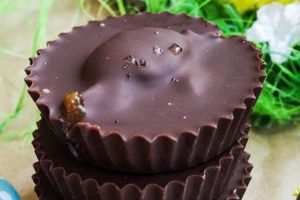
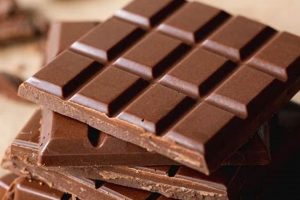
A rich, decadent topping or filling crafted without animal products that replicates the classic confection using plant-based alternatives. This mixture typically combines melted non-dairy chocolate with a plant-based cream, such as coconut cream or cashew cream, to achieve a smooth, glossy consistency suitable for cakes, cupcakes, and other desserts.
This adaptation offers a compassionate and inclusive option for individuals following plant-based diets or those with dairy allergies. It allows for the enjoyment of traditionally dairy-laden treats without compromising ethical or dietary principles. Furthermore, it expands the possibilities within the culinary world by showcasing the versatility and potential of plant-derived ingredients to replicate familiar flavors and textures.
The following sections will explore various aspects of this plant-based confectionery creation, including ingredient selection, preparation techniques, potential variations, and its role in modern baking and pastry arts.
Essential Considerations
Achieving optimal results requires careful attention to detail and an understanding of ingredient interactions. The following points offer guidance for successfully creating this plant-based confection.
Tip 1: Chocolate Selection: Opt for high-quality dark chocolate with a cacao percentage of 70% or higher. This ensures a robust flavor and a smoother texture. Avoid chocolate containing dairy derivatives or added emulsifiers that may affect the final consistency.
Tip 2: Cream Choice: Full-fat coconut cream, refrigerated overnight and then carefully scooping out the solid cream, provides the richest and most stable base. Cashew cream, made from soaked and blended cashews, offers a neutral flavor but requires a higher fat content to achieve a similar richness.
Tip 3: Ratio Optimization: The ideal ratio of chocolate to cream depends on the desired consistency. A 1:1 ratio yields a softer, more pourable mixture suitable for glazing, while a 2:1 ratio results in a firmer texture ideal for piping or filling.
Tip 4: Temperature Control: Gently melt the chocolate using a double boiler or microwave at low power in short intervals to prevent scorching. Overheating can cause the chocolate to seize and become grainy.
Tip 5: Emulsification Technique: Thoroughly combine the melted chocolate and cream, using a whisk or immersion blender, to create a homogenous emulsion. If the mixture appears separated, add a small amount of warm plant-based milk or neutral oil to help bind the ingredients.
Tip 6: Refrigeration and Resting: Allow the finished mixture to chill in the refrigerator for at least 30 minutes to allow it to firm up and develop its full flavor profile. This step is particularly crucial for achieving a stable, pipeable consistency.
Tip 7: Flavor Enhancements: Incorporate extracts such as vanilla or peppermint, spices like cinnamon or cardamom, or a pinch of sea salt to enhance the flavor complexity. Add these elements after the chocolate and cream have been fully combined.
Adhering to these guidelines will significantly increase the likelihood of producing a professional-quality, plant-based confection, suitable for a wide range of dessert applications.
The subsequent sections will delve deeper into specific recipes and variations, building upon these fundamental principles.
1. Plant-based chocolate

Plant-based chocolate serves as the foundational building block of this plant-based confectionery creation. The quality and characteristics of the chocolate directly influence the final product’s taste, texture, and overall success. Specifically, the type of cocoa bean, processing methods, and any added ingredients within the plant-based chocolate matrix will be reflected in the finished topping or filling. For instance, a dark chocolate with a high cacao percentage (70% or greater) will impart a richer, more intense flavor compared to a milder variety. Conversely, a chocolate containing a high level of sugar or added emulsifiers could negatively affect the consistency, potentially resulting in a grainy or overly sweet result. The choice of plant-based chocolate is, therefore, a critical determinant of the final outcome.
To illustrate, consider a scenario where a lower-quality, less expensive plant-based chocolate is used. The resulting creation may lack depth of flavor, possess an undesirable texture due to inferior cocoa butter content, or even separate during the emulsification process. Conversely, using a premium plant-based chocolate, ethically sourced and carefully processed, enhances the overall experience, leading to a smooth, glossy topping with a complex, satisfying flavor profile. This selection affects not only the taste but also the stability of the finished product, its shelf life, and its suitability for various applications, such as piping, glazing, or filling intricate pastry designs.
In summary, the selection of plant-based chocolate is paramount to creating a superior plant-based chocolate delight. The selection dictates the final flavor, texture, and stability. Understanding this cause-and-effect relationship allows bakers and pastry chefs to make informed decisions, ultimately leading to consistently delicious and visually appealing desserts that cater to dietary restrictions without compromising quality or taste. Overcoming the challenges associated with plant-based chocolate formulation, such as achieving optimal smoothness and avoiding separation, hinges on a thorough understanding of the interaction between the chocolate’s components and the other ingredients used in the plant-based confection.
2. Nondairy Cream
Nondairy cream is a critical ingredient in plant-based confectionery, directly influencing the texture, richness, and stability of the final product. Its role extends beyond simply replacing dairy; it dictates the success of replicating the traditional experience without animal products.
- Fat Content and Texture:
The fat content of nondairy cream is directly proportional to the richness and smoothness achieved. Coconut cream, particularly the solid portion from refrigerated cans, boasts a high fat content that mimics the mouthfeel of heavy cream. Lower-fat alternatives, such as soy or oat cream, may require additional stabilizers or adjustments to the recipe to achieve a comparable consistency. The textural integrity of the final plant-based chocolate confection is thus reliant on the fat composition of the selected nondairy cream.
- Flavor Profile Considerations:
Each type of nondairy cream imparts a unique flavor profile. Coconut cream, while rich, can introduce a subtle coconut flavor that may complement or detract from the overall taste, depending on the desired outcome. Cashew cream, made from blended cashews, offers a more neutral flavor, allowing the chocolate to take center stage. Soy or oat creams contribute their own distinct notes, requiring careful consideration to ensure flavor harmony within the dessert.
- Emulsification and Stability:
Nondairy creams interact differently with melted chocolate during the emulsification process. Some, like coconut cream, emulsify readily, creating a stable and glossy creation. Others, such as certain soy or oat creams, may require the addition of emulsifiers like lecithin to prevent separation and maintain a smooth texture over time. The stability of the emulsion is crucial for preventing a grainy or oily result and ensuring the product’s visual appeal and shelf life.
- Water Content and Consistency:
The water content of nondairy cream affects the final consistency. Higher water content may result in a thinner or less stable product, necessitating adjustments to the chocolate-to-cream ratio or the addition of thickening agents. Managing water content is vital for achieving the desired viscosity and ensuring the confection sets properly upon refrigeration. Careful control of the nondairy cream’s composition is imperative for a reliable and consistent outcome.
The strategic selection and application of nondairy cream are essential for crafting a high-quality plant-based confection. The interplay between fat content, flavor profile, emulsification properties, and water content determines the overall success in replicating a traditional experience without dairy. Careful consideration of these factors empowers bakers and pastry chefs to create delectable, ethically conscious desserts that appeal to a broad range of palates and dietary requirements.
3. Proper Ratio

The precise balance of ingredients is paramount to the successful creation of plant-based confectionery. Deviations from the optimal proportions can lead to textural inconsistencies, flavor imbalances, and overall product failure. Understanding the relationship between chocolate and plant-based cream is essential for achieving the desired outcome.
- Impact on Texture and Consistency
The ratio of chocolate to plant-based cream dictates the final texture. A higher proportion of chocolate results in a firmer product suitable for piping or creating stable decorations. Conversely, a greater quantity of plant-based cream produces a softer, more fluid consistency ideal for glazing or sauces. Accurate measurement is critical to achieving the intended use.
- Influence on Flavor Profile
The relative amounts of chocolate and plant-based cream impact the overall flavor. An excessive quantity of plant-based cream can dilute the chocolate’s intensity, leading to a bland or muted taste. Conversely, insufficient plant-based cream may result in an overly bitter or intense flavor. Balancing the two ensures a harmonious flavor profile.
- Effect on Emulsification and Stability
The proper ratio is crucial for stable emulsification. Too little plant-based cream can hinder the emulsification process, leading to separation of the chocolate and fat. Conversely, an excess of plant-based cream may overwhelm the chocolate’s ability to form a stable emulsion, resulting in a grainy or unstable texture. A precise ratio supports proper emulsification.
- Considerations for Plant-Based Cream Type
The ideal ratio varies depending on the type of plant-based cream used. Coconut cream, with its high fat content, typically requires a different ratio than cashew cream, which has a lower fat percentage. Adjusting the ratio based on the specific plant-based cream used is essential for achieving the desired texture and stability.
Therefore, adherence to the appropriate proportions of chocolate and plant-based cream is indispensable. Careful consideration of the desired texture, flavor profile, and the specific type of plant-based cream employed is necessary to consistently produce a high-quality, stable, and delectable plant-based confection.
4. Smooth Texture

Achieving a smooth texture is a critical attribute of successful plant-based chocolate confectionery. The absence of dairy requires meticulous control over ingredient interactions and preparation techniques to replicate the characteristic mouthfeel of traditional versions. A smooth texture contributes significantly to the overall sensory experience, influencing perceived richness, palatability, and visual appeal. If the texture is grainy, separated, or otherwise compromised, even a perfectly flavored creation can be rendered unappetizing. The smooth texture is not merely aesthetic; it is integral to the overall success and acceptance of the final product. This can be exemplified by comparing two preparations: one using carefully tempered chocolate and properly emulsified coconut cream, resulting in a glossy, velvety texture, and another using improperly melted chocolate and insufficient blending, yielding a grainy and unappealing result. The former will be perceived as premium and professionally made, while the latter is likely to be deemed amateurish or of low quality.
Several factors contribute to texture. The quality of the chocolate itself, particularly its cocoa butter content and particle size, plays a crucial role. High-quality chocolate with a fine particle size is more likely to melt smoothly and integrate seamlessly with the plant-based cream. The type of nondairy cream selected also influences the texture. Full-fat coconut cream, for example, contributes a rich, smooth mouthfeel due to its high fat content, while lower-fat alternatives may require additional stabilizing agents to prevent a grainy texture. Furthermore, proper emulsification techniques are essential to prevent the separation of fats and liquids, which can result in a coarse or oily texture. The temperature control during melting and blending is equally critical; overheating the chocolate can cause it to seize and become grainy, while insufficient heat may prevent proper emulsification. Thus, achieving this texture necessitates a holistic approach that considers every aspect of ingredient selection and preparation.
In summary, a smooth texture is a non-negotiable element of a high-quality plant-based confection, directly impacting its perceived value and sensory appeal. Challenges such as selecting the right ingredients and mastering emulsification techniques can be overcome through careful attention to detail and a thorough understanding of the principles of plant-based baking. The pursuit of a smooth texture is not merely about aesthetics; it is about replicating the luxurious mouthfeel and sensory satisfaction of traditional chocolate confections while adhering to plant-based dietary guidelines, and it represents a critical aspect of advancing the art and science of plant-based desserts.
5. Decadent Flavor
The achievement of decadent flavor is the ultimate objective in crafting plant-based confectionery. This characteristic transcends mere sweetness; it encompasses a complex interplay of richness, depth, and nuanced notes that elevate the sensory experience. The success of plant-based chocolate ganache depends on its ability to deliver this flavor profile, mirroring the indulgence of traditional, dairy-based versions.
- Quality of Plant-Based Chocolate
The selection of high-quality plant-based chocolate is the foundation of achieving decadent flavor. Chocolate with a high cacao percentage (70% or greater) contributes a robust, intense chocolate taste. The presence of ethically sourced cocoa beans and careful processing methods further enhance the complexity and depth of flavor. Lower-quality chocolate, with high sugar content or artificial flavorings, will detract from the desired decadence, resulting in a one-dimensional and unsatisfying experience. An example would be a direct comparison: a ganache made with fair-trade, single-origin dark chocolate versus one made with mass-produced, sweetened chocolate chips.
- Enhancement with Flavor Extracts and Infusions
Strategic use of flavor extracts and infusions can augment the decadent flavor profile. Vanilla extract adds a subtle warmth and complexity, complementing the chocolate’s inherent richness. Coffee extract intensifies the chocolate notes, creating a deeper and more sophisticated flavor. Incorporating ingredients like sea salt, spices such as cinnamon or cardamom, or citrus zest introduces additional layers of flavor that enhance the overall sensory experience. For instance, a pinch of sea salt can heighten the perception of sweetness and balance bitterness, while a hint of orange zest can add a bright and refreshing counterpoint to the rich chocolate.
- Balancing Bitterness and Sweetness
The skillful balancing of bitterness and sweetness is crucial for achieving decadent flavor. Too much sweetness can overwhelm the palate, while excessive bitterness can be unappealing. The plant-based chocolate ganache should strike a harmonious balance between these two elements, allowing the full spectrum of chocolate flavor to emerge. This delicate balance can be achieved by adjusting the ratio of chocolate to plant-based cream or by incorporating ingredients that modulate sweetness, such as dates or maple syrup.
- Nondairy Cream Contribution
The choice of nondairy cream also contributes to the overall flavor and richness. Coconut cream imparts a distinctive coconut flavor that can either enhance or detract from the decadence, depending on personal preference. Cashew cream offers a more neutral flavor, allowing the chocolate to take center stage. The fat content of the nondairy cream also influences the perceived richness, with higher-fat options contributing a more decadent mouthfeel. Testing different combinations will result in finding the right plant-based cream that adds to the flavor not distracting from the core flavor.
These facets interplay to create the sought-after decadent flavor in plant-based confection. The combined influence creates that full and satisfying dessert experience everyone wants.
Frequently Asked Questions About Vegan Chocolate Ganache Frosting
The following addresses common inquiries regarding the preparation, properties, and application of this plant-based confectionery option.
Question 1: What is the primary difference between traditional and plant-based chocolate ganache?
The fundamental distinction lies in the substitution of dairy-based cream with plant-derived alternatives, such as coconut cream or cashew cream. All other components and techniques remain largely similar.
Question 2: Is it possible to achieve the same level of richness and smoothness without dairy?
Yes, with appropriate ingredient selection and meticulous preparation. High-fat plant-based creams, such as full-fat coconut cream, can effectively replicate the mouthfeel and texture of dairy cream.
Question 3: Will the plant-based cream impart a noticeable flavor to the finished product?
Certain plant-based creams, such as coconut cream, possess a distinct flavor. The intensity of this flavor can be mitigated through the use of high-quality chocolate and complementary flavorings, such as vanilla extract.
Question 4: What type of chocolate is best suited for use in plant-based ganache?
High-quality dark chocolate with a cacao percentage of 70% or higher is recommended. This ensures a robust flavor and a smooth texture. It is imperative to verify that the chocolate does not contain any dairy derivatives.
Question 5: How should plant-based chocolate ganache be stored?
The completed product should be stored in an airtight container in the refrigerator. It will firm up upon chilling and can be brought to room temperature for easier spreading or piping.
Question 6: Is plant-based chocolate ganache suitable for all types of desserts?
Yes, it can be used as a topping, filling, or frosting for cakes, cupcakes, cookies, and various other desserts. Its versatility makes it a suitable alternative for traditional ganache in most applications.
These answers provide clarification on essential aspects of preparing and utilizing this plant-based confectionery option. Successful implementation requires diligent attention to detail and a thorough understanding of ingredient interactions.
The subsequent section will explore advanced techniques and creative applications of this plant-based culinary innovation.
Conclusion
This exploration has elucidated the characteristics, preparation, and application of this plant-based confectionery option. Successful replication of traditional textures and flavors necessitates careful ingredient selection, precise ratio control, and meticulous execution. The absence of dairy demands a heightened awareness of ingredient interactions and the strategic use of flavor enhancers.
Mastery of this plant-based creation contributes to a more inclusive culinary landscape, accommodating dietary restrictions without compromising sensory appeal. Continued refinement of plant-based ingredients and techniques holds the potential for even greater advancements in the art of vegan pastry, furthering its integration into mainstream culinary practice.