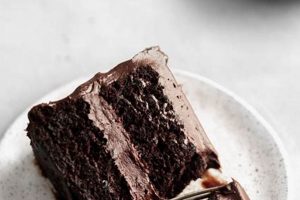
A dairy-free frosting alternative, this confection replicates the rich taste and smooth texture of traditional chocolate buttercream while excluding animal-derived ingredients. Typically, this involves substituting dairy butter with plant-based fats such as coconut oil, vegetable shortening, or vegan butter alternatives. It is often used to top cakes, cupcakes, and other desserts, providing a sweet and decadent finish.
This substitution caters to individuals following vegan diets or those with lactose intolerance. The use of plant-based fats can also offer certain nutritional advantages depending on the specific ingredients chosen. Furthermore, its growing popularity reflects a broader trend towards sustainable and ethical food choices, minimizing the environmental impact associated with dairy production and animal agriculture. Its development parallels the increasing availability and sophistication of plant-based substitutes in the culinary world.
The subsequent article will delve into the specific techniques and ingredients required to create this frosting, offering practical guidance for both amateur and experienced bakers. It will also explore variations in recipes, potential troubleshooting tips, and methods for achieving optimal flavor and consistency.
Vegan Chocolate Buttercream
Achieving optimal results with this dairy-free confection requires careful attention to ingredient selection and technique. The following guidance ensures a smooth, rich, and stable outcome.
Tip 1: Fat Selection is Critical: The type of plant-based fat significantly impacts the final texture. A blend of vegan butter (for flavor) and vegetable shortening (for stability) is often recommended. Coconut oil, while sometimes used, can result in a softer consistency at room temperature.
Tip 2: Room Temperature is Paramount: Plant-based butter and shortening should be at room temperature. Cold fats will not incorporate properly, leading to a lumpy buttercream. Softened, but not melted, fats are essential.
Tip 3: Sifting Dry Ingredients: Sift cocoa powder and powdered sugar before adding them to the wet ingredients. This eliminates lumps and ensures a smooth, consistent texture. Coarse cocoa powders may require multiple siftings.
Tip 4: Gradual Addition of Liquid: Add plant-based milk or other liquids gradually, a tablespoon at a time. Over-addition can result in a buttercream that is too thin. Adjust the quantity based on the specific consistency desired.
Tip 5: Extended Mixing is Key: Whip the buttercream for several minutes, even after it appears smooth. This incorporates air, creating a light and fluffy texture. A stand mixer is highly recommended for this process.
Tip 6: Adjusting Consistency: If the buttercream is too thick, add a small amount of plant-based milk. If it is too thin, refrigerate for a short period to allow the fats to firm up. Avoid adding more powdered sugar, as this can make the buttercream overly sweet.
Tip 7: High-Quality Cocoa Powder Matters: Utilize a good quality, unsweetened cocoa powder for the richest flavor. Dutch-processed cocoa powder offers a smoother, less acidic taste compared to natural cocoa powder.
Consistent application of these tips will lead to a superior final product. Mastering these techniques allows for the creation of visually appealing and delicious vegan desserts.
The subsequent section will address common issues encountered while preparing this vegan frosting, providing solutions for achieving a perfect result every time.
1. Texture

The texture of vegan chocolate buttercream is a critical attribute influencing its overall appeal and suitability for various applications. Unlike traditional buttercream, achieving a smooth and stable texture without dairy fats requires careful consideration of ingredient ratios and mixing techniques. The absence of dairy butter necessitates the use of plant-based fat alternatives, each possessing unique melting points and structural properties. An inadequate selection or improper handling of these fats can result in a grainy, oily, or overly soft final product. For example, using only coconut oil in warm conditions can produce a buttercream that melts rapidly, while insufficient whipping time can lead to a dense and heavy texture.
Achieving a desirable texture often involves blending different plant-based fats. A combination of vegan butter (for flavor) and vegetable shortening (for stability) is a common strategy. The gradual addition of liquid, such as plant-based milk, coupled with prolonged mixing at a medium speed, helps to emulsify the fats and incorporate air, resulting in a light and fluffy consistency. Overmixing, however, can destabilize the emulsion, leading to a curdled or separated appearance. Temperature control is equally important; ensuring ingredients are at room temperature promotes proper fat incorporation, while chilling the final product can enhance its stability.
The mastery of texture in this dairy-free alternative directly impacts its usability and aesthetic qualities. A well-textured frosting spreads smoothly, holds its shape when piped, and provides a pleasant mouthfeel. Challenges in achieving the desired texture often stem from a lack of understanding of the specific properties of plant-based fats. Addressing these challenges through careful ingredient selection, precise measurements, and controlled mixing techniques is crucial for consistently producing a high-quality, visually appealing, and palatable vegan chocolate buttercream. Understanding texture is paramount to the overall success in the creation and presentation of this alternative.
2. Flavor Intensity

Flavor intensity in vegan chocolate buttercream is primarily determined by the type and quantity of cocoa powder used. The inherent lack of dairy fats, which contribute richness and a subtle masking effect in traditional buttercream, necessitates a more assertive approach to chocolate flavor. Unsweetened cocoa powder, Dutch-processed cocoa, or even dark chocolate (melted and cooled) are common sources. The selection dictates the final profile; Dutch-processed cocoa yields a smoother, less acidic flavor, while natural cocoa powder contributes a more robust, slightly bitter note. Furthermore, the fat content of the plant-based butter substitute used can affect the perception of flavor; those with a neutral flavor allow the cocoa to be more prominent.
The intensity of the chocolate flavor must be balanced with the sweetness of the frosting. Excessive sweetness can overwhelm the cocoa, resulting in a cloying and unbalanced taste. Therefore, the ratio of cocoa powder to powdered sugar is crucial. Some recipes incorporate additions such as espresso powder or a pinch of salt to enhance the chocolate flavor and counteract excessive sweetness. Vanilla extract, while commonly used in baking, can either complement or compete with the chocolate, depending on its quality and quantity. Ultimately, the optimal flavor intensity is subjective and depends on the intended application. A more intense chocolate flavor may be desirable for a rich chocolate cake, whereas a milder flavor may be preferred for pairing with delicate flavors like vanilla or raspberry.
Achieving the desired flavor intensity in vegan chocolate buttercream requires a thoughtful approach to ingredient selection and careful adjustment of proportions. Over-reliance on sweetness to compensate for a weak chocolate flavor often results in an inferior product. Experimentation with different types of cocoa powder and flavor enhancers is essential to developing a recipe that aligns with individual preferences. The understanding and control of flavor intensity is paramount to creating a palatable and satisfying vegan chocolate buttercream that can stand on its own or complement other dessert elements.
3. Sweetness Level

Sweetness level is a critical factor influencing the overall palatability and application versatility of vegan chocolate buttercream. Achieving an appropriate balance requires careful consideration of ingredient ratios and flavor pairings, as the perception of sweetness is significantly affected by the presence of other flavors, particularly the inherent bitterness of cocoa.
- Type and Amount of Sweetener
The choice of sweetener, whether powdered sugar, maple syrup, agave nectar, or other alternatives, significantly impacts the final sweetness profile. Powdered sugar (also known as icing sugar or confectioners’ sugar) is commonly used due to its fine texture and ability to dissolve readily, contributing to a smooth buttercream. However, the quantity must be carefully controlled, as excessive powdered sugar can result in an overly sweet and potentially gritty texture. Liquid sweeteners, while offering a distinct flavor, may require adjustments to the liquid content of the recipe to maintain the desired consistency.
- Cocoa Powder Type and Bitterness
The type of cocoa powder used directly affects the perceived sweetness level. Natural cocoa powder, being more acidic, possesses a stronger bitter note, necessitating a potentially higher level of sweetness to achieve balance. Dutch-processed cocoa powder, with its lower acidity, offers a smoother flavor and may require less sweetener. The interplay between cocoa powder’s inherent bitterness and the chosen sweetener is critical in determining the final sweetness profile of the buttercream.
- Flavor Pairings and Sweetness Perception
The perceived sweetness of vegan chocolate buttercream is influenced by accompanying flavors. For instance, pairing the frosting with tart berries or acidic fruits may require a slightly sweeter buttercream to complement the overall taste profile. Conversely, when paired with inherently sweet elements, such as a rich chocolate cake, a less sweet buttercream may be preferable to avoid overwhelming sweetness. Understanding these flavor interactions is essential for creating harmonious and balanced desserts.
- Individual Preferences and Dietary Considerations
Optimal sweetness level is subjective and can vary considerably based on individual preferences and dietary requirements. Some individuals prefer a more pronounced sweetness, while others may prefer a more subtle sweetness to allow the chocolate flavor to shine through. Additionally, dietary restrictions, such as those related to diabetes or sugar intake, may necessitate the use of alternative sweeteners or a reduction in overall sugar content. Tailoring the sweetness level to meet specific needs and preferences is essential for creating a satisfying and inclusive dessert experience.
The facets outlined above highlight the complex interplay between sweetness and other factors in vegan chocolate buttercream. A nuanced understanding of these considerations is crucial for achieving a balanced and flavorful frosting that caters to a wide range of tastes and dietary needs. Experimentation with different sweeteners, cocoa powders, and flavor pairings is encouraged to develop a customized recipe that reflects individual preferences and culinary goals.
4. Stability

Stability represents a critical attribute of vegan chocolate buttercream, determining its ability to maintain structural integrity and desired consistency under varying environmental conditions. Unlike traditional buttercream, which relies on the properties of dairy butter for its firmness and emulsion stability, this vegan alternative necessitates careful selection and management of plant-based fats and other ingredients to achieve a comparable level of robustness.
- Fat Selection and Melting Point
The choice of plant-based fats significantly impacts the stability of the buttercream. Fats with lower melting points, such as coconut oil, can result in a buttercream that softens or melts at room temperature, compromising its structure. Blends of fats, such as vegan butter (often a blend of oils) and vegetable shortening, are often used to create a balance between flavor and stability. Shortening, being a hydrogenated vegetable oil, provides a higher melting point and enhanced structural support. The optimal fat blend depends on the ambient temperature and the intended use of the buttercream.
- Emulsification and Liquid Content
Proper emulsification is crucial for maintaining the stability of any buttercream, including the vegan variant. Emulsification refers to the process of dispersing tiny droplets of liquid (such as plant-based milk) within the fat phase. Insufficient emulsification can lead to separation, resulting in a grainy or oily texture. Over-addition of liquid can also destabilize the emulsion, leading to a soupy consistency. The gradual addition of liquid, coupled with thorough mixing, promotes a stable emulsion. Lecithin, found in soy-based products or added as a commercially available emulsifier, can further enhance stability.
- Temperature Control and Storage
Temperature management plays a vital role in maintaining the stability of vegan chocolate buttercream. Refrigeration can firm the buttercream, enhancing its structure and preventing melting. However, excessive refrigeration can lead to a hard, unspreadable consistency. Bringing the buttercream back to room temperature before use allows it to soften slightly, improving its spreadability. Proper storage in an airtight container prevents moisture loss and maintains its texture. In warmer climates, keeping the frosted dessert refrigerated until serving is essential for preserving its visual appeal and structural integrity.
- Ingredient Ratios and Recipe Balance
The relative proportions of ingredients significantly affect the buttercream’s stability. An excess of powdered sugar can lead to a dry, crumbly texture, while insufficient sugar can result in a greasy or unstable buttercream. An optimal ratio of fat to sugar to liquid is essential. Variations in the cocoa powder used can also impact stability. Dutch-processed cocoa powder, with its lower acidity, may contribute to a more stable emulsion compared to natural cocoa powder. Careful adherence to a well-tested recipe, along with precise measurements, is critical for achieving a consistent and stable outcome.
The successful creation of stable vegan chocolate buttercream hinges on a comprehensive understanding of fat properties, emulsification principles, temperature control, and ingredient balance. Mastering these facets allows for the production of a visually appealing and structurally sound frosting that can withstand a range of environmental conditions, ensuring a delightful and satisfying dessert experience. Understanding these principles is paramount for the longetivity, and look, of the frosting for whatever baked good it is a part of.
5. Spreadability

Spreadability, in the context of vegan chocolate buttercream, represents its ease of application across surfaces such as cakes, cupcakes, and cookies. This characteristic is crucial for achieving a visually appealing and uniformly flavored dessert. A well-spreadable buttercream allows for smooth, even coverage, minimizing the appearance of imperfections and contributing to a professional-looking final product. Conversely, a buttercream that is too stiff or too soft will be difficult to apply evenly, potentially resulting in tearing, clumping, or an uneven distribution of flavor. For instance, a stiff buttercream might drag across the cake surface, lifting crumbs and creating unsightly patches, while an overly soft buttercream may slide off the sides, failing to provide adequate coverage. Spreadability is directly influenced by the fat-to-sugar ratio, the emulsification of liquids, and the temperature of the buttercream. It plays a pivotal role in the final presentation and perceived quality of the dessert.
The practical significance of understanding spreadability extends to various baking applications. In cake decorating, a spreadable buttercream allows for intricate designs and smooth finishes, essential for tiered cakes or detailed piping work. For cupcakes, consistent spreadability ensures uniform frosting heights and even distribution of sprinkles or other toppings. In cookie decorating, spreadability facilitates the creation of smooth backgrounds for elaborate designs. Failure to achieve adequate spreadability can lead to increased preparation time, wasted ingredients, and a compromised aesthetic outcome. Bakers often adjust their recipes based on environmental factors such as humidity and temperature, recognizing that these conditions can significantly affect the spreadability of the buttercream. Skilled bakers can manipulate the fat content and liquid ratios to adapt to these variable conditions, ensuring a consistently spreadable buttercream regardless of the external environment.
In summary, spreadability is an indispensable quality of vegan chocolate buttercream, impacting both its visual appeal and ease of use. It is directly influenced by ingredient selection, mixing techniques, and environmental conditions. Challenges in achieving optimal spreadability often stem from an imbalance in the fat-to-sugar ratio or inadequate emulsification. By carefully controlling these factors, bakers can consistently produce a spreadable buttercream that enhances the aesthetic and gustatory qualities of their desserts. The achievement of good spreadability with this plant-based confection mirrors the success of its traditional counterpart, demonstrating that the properties of vegan alternative are indeed comparable.
6. Color Depth

Color depth in vegan chocolate buttercream refers to the intensity and richness of its chocolate hue. This visual characteristic significantly impacts the perceived quality and appeal of the frosting. Achieving a desirable color depth requires careful consideration of cocoa powder selection and other ingredients that influence pigmentation.
- Cocoa Powder Type and Processing
The type of cocoa powder used is the primary determinant of color depth. Natural cocoa powder, being less processed, generally yields a lighter, redder-brown hue. Dutch-processed cocoa powder, treated with an alkaline solution, possesses a darker, richer brown color. The level of processing directly impacts the intensity of pigmentation in the final buttercream. Furthermore, black cocoa powder, though less common, can be incorporated in small amounts to achieve an exceptionally deep, almost black color.
- Fat Source and Light Reflectance
The type of plant-based fat employed can subtly influence color depth. Lighter-colored fats, such as refined coconut oil or vegetable shortening, allow the natural color of the cocoa powder to shine through more prominently. Conversely, fats with a yellowish tint, such as some vegan butter alternatives, may slightly alter the final hue. The fat’s impact on light reflectance also plays a role, as a smoother, more reflective surface will appear more vibrant.
- Liquid Additions and Hydration
The liquid used to achieve the desired buttercream consistency can affect color depth. Plant-based milk, coffee, or even a small amount of dark liquor can enhance the richness of the chocolate color. Hydration of the cocoa powder is essential for full color development; insufficient liquid can result in a muted or uneven hue. Allowing the cocoa powder to bloom in the liquid for a short period before mixing can intensify the color.
- pH Level and Color Modification
The pH level of the ingredients can subtly alter the color of the buttercream. A slightly acidic environment can enhance the reddish tones of natural cocoa powder, while a more alkaline environment can deepen the brown hues of Dutch-processed cocoa. While not typically adjusted intentionally, understanding this principle allows for fine-tuning of the color through careful selection of ingredients.
The facets discussed highlight the multifaceted factors influencing color depth in vegan chocolate buttercream. Achieving the desired visual appeal requires a nuanced understanding of cocoa powder characteristics, fat selection, liquid additions, and pH influences. Skilled bakers leverage these elements to create visually stunning and delectable vegan desserts.
7. Ingredient Quality
Ingredient quality constitutes a foundational determinant of the final characteristics and overall success of vegan chocolate buttercream. The absence of traditional dairy ingredients necessitates a heightened reliance on the intrinsic properties of plant-based substitutes, rendering ingredient selection paramount.
- Cocoa Powder Purity and Flavor Profile
The purity and quality of cocoa powder directly influence the buttercream’s flavor, color, and texture. High-quality cocoa powder, free from excessive fillers or additives, delivers a more intense chocolate flavor and a smoother consistency. The specific type of cocoa powder (natural, Dutch-processed, or black) further dictates the final flavor profile, necessitating careful consideration of its origin and processing methods. Impure or low-quality cocoa powder can result in a muted flavor, a grainy texture, and an undesirable color.
- Plant-Based Butter Composition and Fat Content
The composition and fat content of the plant-based butter alternative significantly impact the buttercream’s texture, stability, and overall mouthfeel. High-quality vegan butter, formulated with a blend of plant-based oils and emulsifiers, provides a smooth, creamy texture and enhances the buttercream’s structural integrity. In contrast, lower-quality vegan butter, often containing excessive water or artificial additives, can lead to a greasy or unstable buttercream that separates easily. The selection of a plant-based butter with a suitable fat content and a clean ingredient list is crucial.
- Powdered Sugar Fineness and Additives
The fineness of the powdered sugar (also known as confectioners’ sugar or icing sugar) directly affects the buttercream’s texture and smoothness. Finely milled powdered sugar dissolves readily, resulting in a silky, lump-free buttercream. Coarse or improperly processed powdered sugar can leave a grainy residue and compromise the overall texture. Furthermore, the presence of anti-caking agents, such as cornstarch, should be considered, as excessive amounts can slightly alter the buttercream’s consistency.
- Plant-Based Milk Quality and Flavor Neutrality
The quality and flavor neutrality of the plant-based milk (such as soy milk, almond milk, or oat milk) influence the buttercream’s overall taste and consistency. High-quality, unsweetened plant-based milk provides the necessary moisture without imparting undesirable flavors that could compete with the chocolate. In contrast, sweetened or flavored plant-based milk can alter the buttercream’s sweetness level and introduce unwanted flavor notes. Furthermore, some plant-based milks may contain stabilizers or thickeners that can affect the buttercream’s texture.
In summary, meticulous attention to ingredient quality is indispensable for achieving a superior vegan chocolate buttercream. The selection of high-quality cocoa powder, plant-based butter, powdered sugar, and plant-based milk ensures optimal flavor, texture, stability, and visual appeal. Compromising on ingredient quality invariably leads to a suboptimal final product, underscoring the critical role of premium ingredients in crafting a delectable and visually appealing vegan dessert.
Frequently Asked Questions
This section addresses common inquiries regarding the preparation, properties, and application of this dairy-free frosting alternative.
Question 1: Can vegan chocolate buttercream achieve the same texture as traditional buttercream?
Yes, with proper techniques and ingredients. Plant-based fats, such as vegan butter and vegetable shortening, when combined and whipped correctly, can yield a smooth and creamy texture comparable to dairy-based buttercream. The specific ratios and methods are critical for success.
Question 2: What are the most common challenges encountered when making vegan chocolate buttercream?
Typical issues include graininess, excessive softness, or separation. Graininess often stems from undissolved powdered sugar or low-quality vegan butter. Excessive softness can result from high temperatures or the use of fats with low melting points. Separation is usually caused by inadequate emulsification or improper ingredient ratios.
Question 3: How does the choice of cocoa powder affect the final product?
The type of cocoa powder significantly influences the color, flavor, and texture. Dutch-processed cocoa powder provides a smoother, less acidic flavor and a deeper color. Natural cocoa powder offers a more intense, slightly bitter flavor. The cocoa powder’s quality impacts the overall richness and complexity of the frosting.
Question 4: Is it possible to pipe vegan chocolate buttercream for decorative purposes?
Indeed. A stable recipe, utilizing a blend of vegan butter and shortening, can produce a buttercream firm enough for intricate piping. Refrigeration prior to piping can further enhance its firmness. The buttercream must maintain its shape without drooping or melting during the piping process.
Question 5: How should vegan chocolate buttercream be stored?
It is advisable to store it in an airtight container in the refrigerator. It can typically be stored for up to one week. Before using refrigerated buttercream, allow it to come to room temperature and re-whip to restore its smooth consistency.
Question 6: Can alternative sweeteners be used instead of powdered sugar?
While possible, caution is warranted. Liquid sweeteners can alter the buttercream’s consistency, requiring adjustments to other ingredients. Granulated sugar may result in a grainy texture. Alternative sweeteners should be chosen and used judiciously to maintain the desired taste and texture.
In summary, achieving optimal results with this vegan frosting requires careful attention to ingredient selection, technique, and storage. A thorough understanding of these factors enables the creation of a delicious and visually appealing product.
The subsequent section will explore creative variations and flavor enhancements for this versatile frosting.
Conclusion
The preceding exploration has detailed the nuances of vegan chocolate buttercream, emphasizing its composition, preparation, and critical factors influencing its quality. Attention to fat selection, emulsification, ingredient quality, and flavor balancing is paramount for achieving a stable, spreadable, and palatable product. The versatility of this frosting extends to various applications, demanding a comprehensive understanding of its properties to ensure optimal results.
Mastery of vegan chocolate buttercream empowers bakers to create inclusive and ethically conscious desserts without compromising taste or aesthetic appeal. Further research into plant-based fat alternatives and innovative flavor combinations will undoubtedly contribute to the continued evolution of this adaptable confection, solidifying its position in the modern culinary landscape. The principles outlined herein serve as a foundation for both aspiring and experienced bakers seeking to perfect this dairy-free alternative.