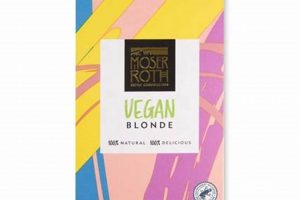
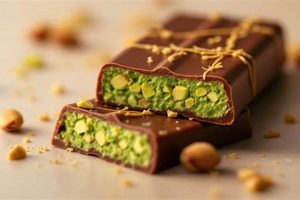
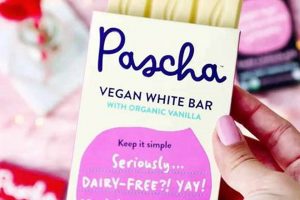
A confectionary item crafted without animal-derived ingredients, it typically consists of a layer of plant-based chocolate spread thin and topped with various additions such as nuts, dried fruits, seeds, or spices. It is a popular treat, especially during festive seasons, offering a dairy-free and often gluten-free alternative to traditional chocolate bark. An example would be dark chocolate, almond, and sea salt combination.
This particular type of confection holds significance due to its inclusivity, catering to individuals adhering to a plant-based diet, those with lactose intolerance, or those seeking healthier dessert options. The availability of this product allows for wider enjoyment of a classic treat without compromising dietary principles or health considerations. Its origins can be traced back to the increasing demand for vegan alternatives in the confectionery market.
The subsequent sections will delve into recipe variations, ingredient sourcing, storage best practices, and the growing market trends surrounding this increasingly popular sweet treat.
Tips for Optimal Results
Achieving a desirable outcome with this type of confectionery requires careful attention to detail during preparation and storage. The following recommendations are designed to enhance both the flavor profile and structural integrity of the finished product.
Tip 1: Chocolate Selection: Opt for high-quality, plant-based chocolate with a cocoa content of at least 70% for a rich and intense flavor. Lower quality chocolate may result in a waxy or overly sweet final product. Ensure the chocolate is specifically labeled as vegan to avoid hidden dairy ingredients.
Tip 2: Tempering Technique: Proper tempering is crucial for achieving a smooth, glossy finish and a satisfying snap. Utilize a double boiler or microwave in short intervals, stirring frequently, to carefully melt and temper the chocolate. Failure to temper adequately can lead to blooming, resulting in a dull appearance and unstable texture.
Tip 3: Topping Considerations: Select toppings that complement the chocolate’s flavor profile and provide textural contrast. Nuts should be toasted for enhanced flavor and crunch. Dried fruits should be finely chopped to ensure even distribution. Avoid overly moist toppings, as they can negatively impact the bark’s texture.
Tip 4: Layering and Distribution: Ensure an even distribution of toppings across the molten chocolate base. Press toppings lightly into the chocolate to prevent them from detaching once the bark has set. Consider creating distinct flavor zones by strategically placing different toppings in specific areas.
Tip 5: Cooling and Setting: Allow the mixture to set completely at room temperature or in the refrigerator. Avoid freezing, as this can alter the chocolate’s texture. The setting time will vary depending on the chocolate’s composition and the ambient temperature.
Tip 6: Cutting and Storage: Once fully set, break the bark into irregular pieces for a rustic aesthetic. Store in an airtight container in a cool, dry place to maintain freshness and prevent blooming. Avoid exposure to direct sunlight or heat sources.
Adhering to these guidelines will contribute to a visually appealing and palatable final product, enhancing the overall enjoyment of the culinary creation.
These tips provide a foundation for further exploration and experimentation with flavor combinations and decorative techniques.
1. Plant-based chocolate

Plant-based chocolate is a foundational and indispensable component of this confectionery. It serves as the base upon which all other ingredients and flavor profiles are built. The direct causal relationship is this: without a chocolate crafted exclusively from plant-derived sources, the resulting product cannot be accurately classified under the ‘vegan’ designation. The importance of plant-based chocolate is therefore paramount; it is not merely an ingredient but the defining characteristic. For example, the use of dairy-free milk alternatives, such as oat or almond milk, in the chocolate-making process allows manufacturers to create a product that replicates the taste and texture of traditional milk chocolate while adhering to vegan principles.
The successful application of plant-based chocolate extends beyond simply avoiding animal products. It also encompasses considerations of taste, texture, and structural integrity. Plant-based chocolates are not homogenous; variations exist in terms of cocoa percentage, sweetener types (e.g., cane sugar, coconut sugar, maple syrup), and fat sources (e.g., cocoa butter, coconut oil). Each of these factors influences the final product. For instance, a higher cocoa percentage will result in a darker, more intense flavor profile, while the use of coconut oil can impart a subtle tropical note and affect the snap of the bark. Manufacturers and consumers must therefore understand these nuances to achieve their desired result.
In summary, plant-based chocolate is not simply a substitute for traditional chocolate; it is a specific category with its own characteristics and considerations. Its integral role extends beyond meeting dietary restrictions; it shapes the flavor, texture, and overall appeal of the final product. Understanding the properties of plant-based chocolate is therefore crucial for both producers and consumers seeking to create or enjoy high-quality, ethical treats. Challenges remain in achieving the same level of creaminess and melt-in-your-mouth texture as traditional milk chocolate, but ongoing innovation in ingredient sourcing and processing techniques is steadily addressing these issues.
2. Diverse Toppings
The incorporation of diverse toppings is a critical element in the production of plant-based chocolate bark, influencing both its sensory appeal and nutritional profile. These additions extend beyond mere decoration, serving to enhance flavor, texture, and visual presentation. The selection of toppings directly affects the overall consumer experience, transforming a simple chocolate base into a multifaceted confection. Without a considered range of toppings, the final product risks lacking complexity and failing to differentiate itself within a competitive market. For instance, the inclusion of toasted nuts, such as almonds or pecans, introduces a crunchy texture and nutty flavor that complements the sweetness of the chocolate. Dried fruits, like cranberries or apricots, provide a chewy consistency and a burst of fruity tang. Spices, such as sea salt or chili flakes, offer a contrasting element, balancing sweetness with savory or spicy notes. The strategic application of these elements is essential.
The specific choice of toppings holds practical implications for dietary considerations and market positioning. Manufacturers can leverage diverse topping options to cater to specific consumer segments, such as those seeking gluten-free, nut-free, or low-sugar alternatives. For example, the inclusion of seeds, like pumpkin or sunflower seeds, can enhance the nutritional value of the product, appealing to health-conscious consumers. The use of freeze-dried fruits can offer a visually appealing and naturally sweet option without the added sugar found in some processed toppings. Furthermore, the selection of ethically sourced and sustainable ingredients, such as fair-trade nuts or organic dried fruits, aligns with the values of environmentally conscious consumers, strengthening brand reputation and driving sales. The arrangement of toppings also plays a role, influencing the visual appeal and conveying a sense of premium quality.
In summary, the diversity of toppings is not merely an aesthetic consideration but an integral factor influencing the taste, texture, nutritional value, and marketability of the confection. This aspect provides opportunities for product differentiation and consumer targeting. However, the selection of toppings also presents challenges, requiring manufacturers to balance flavor profiles, ingredient sourcing, and dietary considerations. The effective utilization of diverse toppings transforms a basic plant-based chocolate base into a complex and desirable product, reflecting the artistry and strategic decision-making involved in its creation.
3. Dietary Suitability
Dietary suitability is an inherent and crucial attribute of vegan chocolate bark, directly influencing its appeal and market positioning. The confection’s formulation, devoid of animal-derived ingredients, inherently addresses the needs of specific dietary groups, notably vegans and individuals with lactose intolerance or dairy allergies. This inherent suitability is not merely a secondary characteristic but a primary driver of consumption for these demographics. For example, individuals adhering to a vegan lifestyle actively seek alternatives to traditional chocolate, and plant-based chocolate bark provides a readily available and satisfying option that aligns with their ethical and dietary principles.
Beyond strict veganism, the dietary adaptability of this treat extends to those with related dietary restrictions or preferences. The absence of lactose renders it suitable for individuals experiencing lactose intolerance, a condition affecting a significant portion of the population. Manufacturers often further enhance its appeal by incorporating gluten-free ingredients, catering to individuals with celiac disease or gluten sensitivity. The specific formulation, therefore, determines the breadth of its dietary applications. For instance, formulations using refined sugar might not be suitable for individuals with specific glycemic control needs, while those incorporating natural sweeteners or sugar alternatives can address this limitation.
In conclusion, the inextricable link between dietary suitability and vegan chocolate bark underpins its market relevance and consumer appeal. The formulation allows for consumption by a broader audience, however; specific ingredient choices dictate its suitability for more niche markets. Manufacturers’ understanding of this relationship and its impact on consumer demand is crucial for successful product development and market penetration. Future developments, such as formulations catering to ketogenic or low-FODMAP diets, will likely further expand its reach and solidify its position in the confectionary market.
4. Artisanal presentation

Artisanal presentation significantly influences the perceived value and desirability of vegan chocolate bark. The visual appeal directly impacts consumer perception, often serving as a primary factor in purchase decisions. A deliberate and aesthetically pleasing arrangement of ingredients elevates the product from a simple confectionery item to a handcrafted delicacy. The cause-and-effect relationship is clear: meticulous presentation enhances perceived quality, leading to increased consumer interest and willingness to purchase. For example, scattering colorful dried fruit pieces and strategically placing nuts across the chocolate surface creates visual interest and suggests a premium product. The absence of such care, conversely, can lead to the perception of a mass-produced, lower-quality item.
The importance of artisanal presentation extends beyond mere aesthetics, reflecting the craftsmanship and attention to detail involved in the product’s creation. This meticulousness signals a commitment to quality ingredients and careful production methods. Practically, manufacturers can leverage this aspect to differentiate their product in a competitive market. Using biodegradable or visually distinctive packaging contributes to this presentation. Hand-applying toppings, rather than using automated systems, can further enhance the artisanal feel. The texture of the chocolate itself, achieved through proper tempering, also factors into the overall impression.
In conclusion, artisanal presentation is not simply a superficial aspect of vegan chocolate bark but an essential element that drives consumer perception and product value. The visual appeal communicates craftsmanship and quality, influencing purchase decisions. Manufacturers should prioritize deliberate and aesthetically pleasing presentation strategies to maximize consumer appeal and differentiate their product within the market. Overcoming the challenge of maintaining this artisanal quality in larger-scale production is key to sustained success.
5. Flavor pairings

The selection of flavor pairings is a critical determinant of the overall sensory experience of vegan chocolate bark. The successful combination of flavors enhances the inherent qualities of the chocolate base, creating a more complex and satisfying product. Conversely, ill-considered pairings can result in a flavor profile that is unbalanced or unappetizing, negatively impacting consumer satisfaction. The importance of strategic flavor pairing lies in its ability to elevate the chocolate bark beyond a simple confection, transforming it into a gourmet treat. For example, the pairing of dark chocolate with sea salt and almonds creates a balance between sweetness, saltiness, and nuttiness, resulting in a well-rounded flavor profile. Similarly, the combination of vegan white chocolate with dried cranberries and pistachios offers a contrasting texture and a sweet-tart flavor combination.
The practical significance of understanding flavor pairing principles extends to product development and marketing. Manufacturers can leverage this knowledge to create novel and appealing flavor combinations that cater to specific consumer preferences or seasonal trends. This can be practically applied by market research to identify popular flavor profiles, followed by experimentation with various ingredient combinations to achieve the desired taste. A further example can include creating flavors based on coffee such as mocha flavor for coffee lovers. Packaging and promotional materials can then highlight the unique flavor pairings, emphasizing the quality and craftsmanship of the product. The flavor pairing can also cater to a diverse set of consumers.
In summary, flavor pairing is an essential aspect of vegan chocolate bark production, influencing the taste, consumer perception, and market success. The strategic combination of flavors elevates the product and allows for product differentiation. The challenge lies in identifying and executing flavor pairings that are both innovative and palatable, requiring a deep understanding of taste profiles and consumer preferences. Ultimately, successful flavor pairing is key to creating a product that stands out in a competitive market and provides a satisfying sensory experience for consumers.
6. Seasonal variations

The incorporation of seasonal variations into vegan chocolate bark formulations is a strategic adaptation to consumer preferences and ingredient availability. The temporal cycle of seasons presents opportunities to align product offerings with specific holidays, climate-related cravings, and the harvest of seasonal produce. This alignment directly influences consumer appeal and market competitiveness. Without seasonal adaptation, the product risks becoming stagnant and failing to capitalize on time-specific market demands. A pertinent example is the introduction of peppermint-flavored chocolate bark during the winter holiday season, capitalizing on the association of peppermint with festive traditions. In the autumn, the inclusion of pumpkin spice or maple flavoring resonates with the season’s characteristic flavors and aromas.
The significance of seasonal variations extends beyond mere flavor additions. It also encompasses the integration of seasonally available ingredients, promoting freshness and supporting local agriculture where feasible. The practical application of this concept involves sourcing berries during the summer months or utilizing nuts harvested in the fall. These ingredients not only contribute to the flavor profile but also enhance the perceived quality and authenticity of the product. Furthermore, seasonal packaging designs, incorporating colors and imagery associated with the respective season, can further enhance the product’s appeal and shelf presence. These visual cues contribute to consumer recognition and trigger emotional responses linked to seasonal traditions and experiences.
In summary, the strategic implementation of seasonal variations in vegan chocolate bark is a critical factor in sustaining consumer interest and maximizing market opportunities. Adapting flavors, ingredients, and packaging to align with seasonal trends enhances product appeal and promotes brand relevance. The challenge lies in maintaining a balance between innovation and tradition, ensuring that seasonal variations resonate with consumer expectations while remaining true to the core values of the brand. Over time, successful seasonal variations can contribute to brand recognition and customer loyalty.
7. Storage stability

Maintaining the integrity and quality of vegan chocolate bark over its shelf life is directly dependent on its storage stability. Several factors influence this stability, requiring careful consideration in production and packaging to prevent degradation and ensure a satisfactory consumer experience.
- Fat Bloom Prevention
Fat bloom, the appearance of white or grayish patches on the surface, is a common issue affecting chocolate products. In vegan chocolate bark, this phenomenon occurs when fats, often cocoa butter or other plant-based oils, migrate to the surface and crystallize. Proper tempering during the manufacturing process is crucial to stabilize the fat crystals and minimize bloom. Controlled storage temperatures, ideally between 15C and 18C (59F and 64F), further inhibit fat migration. Fluctuations in temperature accelerate bloom formation, impacting the product’s visual appeal and texture, although it remains safe to consume.
- Moisture Control
Exposure to moisture can compromise the texture and flavor of vegan chocolate bark. Moisture absorption leads to a softening of the chocolate and can facilitate sugar bloom, a less common but equally undesirable occurrence. Sugar bloom presents as a grainy, white film on the surface, resulting from the recrystallization of sugars due to moisture. Effective packaging, such as airtight containers or moisture-barrier films, is essential to protect the bark from humidity. Desiccants can be incorporated into packaging to further absorb excess moisture and extend shelf life.
- Oxidation Mitigation
Oxidation can degrade the flavor and aroma of chocolate, leading to rancidity, particularly when nuts or other fat-containing toppings are present. Antioxidants, naturally occurring or added, can help mitigate oxidation. Storage in dark conditions, away from direct light exposure, reduces the rate of oxidation. Vacuum sealing or nitrogen flushing during packaging removes oxygen, further preserving the flavor profile and preventing rancidity.
- Ingredient Compatibility
The interaction between the chocolate base and various toppings significantly impacts overall stability. Some toppings, like dried fruits, may contain residual moisture that can migrate into the chocolate. Others, such as nuts, may accelerate fat bloom due to their high oil content. Careful selection of compatible ingredients and application of barrier coatings on certain toppings can minimize these interactions and enhance the product’s shelf life. Understanding the water activity and oil content of each ingredient is crucial for predicting and managing potential stability issues.
These elements collectively determine the storage stability of vegan chocolate bark. Effective control of these factors through appropriate manufacturing processes, ingredient selection, and packaging solutions is essential for maintaining product quality and consumer satisfaction. Addressing these stability challenges ensures the product retains its intended flavor, texture, and appearance throughout its shelf life.
Frequently Asked Questions about Vegan Chocolate Bark
The following questions address common inquiries and misconceptions regarding the nature, composition, and characteristics of this specialized confectionery item.
Question 1: What constitutes “vegan” chocolate bark?
The designation “vegan” signifies the absence of animal-derived ingredients. In the context of chocolate bark, this means the chocolate base and all toppings must be free from dairy, eggs, honey, and any other animal products or byproducts. Manufacturers commonly utilize plant-based milk alternatives, such as oat or almond milk, and ensure that all sugar sources are processed without bone char.
Question 2: How does the taste of plant-based chocolate compare to traditional chocolate?
The taste profile of the plant-based variation depends heavily on the type of chocolate and the quality of ingredients used. High-quality vegan chocolate, crafted with premium cocoa beans and plant-based alternatives, can closely mimic the flavor and texture of traditional milk or dark chocolate. Some differences in creaminess or mouthfeel may be perceptible due to the absence of dairy fats, but skillful formulation can minimize these distinctions.
Question 3: What are common toppings used in vegan chocolate bark?
A wide variety of toppings can be incorporated, providing diverse flavor and textural experiences. Popular options include nuts (almonds, pecans, walnuts), dried fruits (cranberries, apricots, raisins), seeds (pumpkin, sunflower, chia), spices (sea salt, chili flakes, cinnamon), and plant-based candies or sprinkles. The selection of toppings can be tailored to complement the chocolate base and cater to specific dietary preferences or seasonal themes.
Question 4: Is vegan chocolate bark a healthier alternative to traditional chocolate bark?
The relative health benefits depend on the overall ingredient composition. Plant-based chocolate does eliminate dairy and associated saturated fats, which may be advantageous for some individuals. However, the sugar content and caloric density can remain comparable to traditional chocolate bark. Opting for versions with lower sugar content, higher cocoa percentages, and nutrient-rich toppings (nuts, seeds) can enhance the nutritional value.
Question 5: How should vegan chocolate bark be stored to maintain its quality?
Proper storage is crucial to prevent fat bloom, moisture absorption, and oxidation. The bark should be stored in an airtight container, away from direct sunlight and heat sources. An ideal storage temperature ranges between 15C and 18C (59F and 64F). Refrigeration may be necessary in warmer climates, but the bark should be brought to room temperature before consumption to optimize its flavor and texture.
Question 6: Can vegan chocolate bark be made at home?
Yes, crafting it at home is a straightforward process. The base ingredient is vegan chocolate, which can be melted and spread on parchment paper. Once spread, the topping ingredients are sprinkled onto the chocolate and left to set and harden at room temperature, it can be made easier with a guide.
These answers provide a foundational understanding of this particular confectionery. By addressing common questions and clarifying potential misconceptions, consumers can make informed choices and appreciate the nuances of plant-based dessert options.
The subsequent section will explore the current market trends and future prospects.
Conclusion
This exploration of vegan chocolate bark has illuminated its compositional nuances, dietary implications, and market positioning. A comprehensive understanding of ingredient selection, flavor pairings, and storage stability is essential for both manufacturers and consumers seeking to maximize product quality and enjoyment. The strategic incorporation of seasonal variations and artisanal presentation techniques further enhances its appeal within a competitive confectionery landscape.
As the demand for plant-based alternatives continues to expand, the future of vegan chocolate bark hinges on continued innovation in ingredient sourcing, processing methodologies, and sustainable packaging solutions. Commitment to quality and ethical production practices will be paramount in solidifying its position as a viable and desirable option within the broader chocolate market.