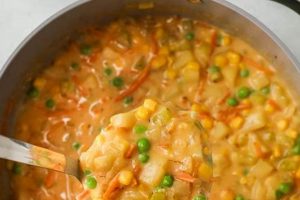
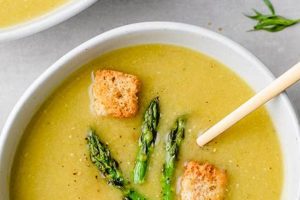
The culinary preparation involves crafting a plant-based alternative to a traditional comfort food. It substitutes animal products typically found in the original dish, such as poultry, with ingredients like tofu, tempeh, or textured vegetable protein, while retaining the familiar savory flavor profile through herbs, spices, and vegetable broth. For instance, one might use jackfruit simmered in a broth seasoned with poultry seasoning to mimic the texture and taste of the non-vegan version.
The significance of this recipe lies in its capacity to cater to ethical, dietary, and health-conscious consumers. Its consumption aligns with vegan principles, promoting animal welfare and reducing environmental impact. Furthermore, it offers a cholesterol-free and often lower-fat option compared to its conventional counterpart, contributing to improved cardiovascular health. The concept has gained traction in recent years, driven by increasing awareness of the benefits of plant-based diets.
The following sections will explore the key components, techniques, and variations involved in successfully creating this wholesome and satisfying meal. Discussions will include ingredient selection, broth preparation, flavor enhancement methods, and potential modifications to suit individual preferences and dietary needs.
Tips for Perfecting the Flavor and Texture
Achieving optimal results requires attention to detail and a nuanced understanding of ingredient interactions. These tips provide guidance on creating a satisfying and flavorful dish.
Tip 1: Utilize High-Quality Vegetable Broth: A flavorful base is essential. Opt for low-sodium vegetable broth to control the overall salt content. Homemade broth, prepared with roasted vegetables, offers the richest flavor profile.
Tip 2: Incorporate Umami-Rich Ingredients: Mushrooms, such as shiitake or cremini, contribute depth and savory notes. Dried seaweed, like kombu, added during broth preparation, also enhances umami.
Tip 3: Employ Poultry Seasoning Judiciously: Poultry seasoning provides the characteristic flavor. Begin with a small amount and adjust to taste. Overuse can result in an artificial flavor.
Tip 4: Mimic Chicken Texture with Tofu or Tempeh: Firm or extra-firm tofu, pressed to remove excess water and then pan-fried or baked, replicates the texture of chicken. Tempeh, with its slightly nutty flavor, is another suitable alternative.
Tip 5: Add a Touch of Acidity: A squeeze of lemon juice or a splash of apple cider vinegar brightens the flavors and balances the richness of the broth.
Tip 6: Simmer for Adequate Time: Allowing the dish to simmer for an extended period melds the flavors and tenderizes the vegetables. A minimum of 30 minutes is recommended, longer for deeper flavor.
Tip 7: Consider Adding Nutritional Yeast: Nutritional yeast provides a cheesy, savory flavor and adds essential B vitamins. Incorporate it towards the end of cooking to preserve its nutritional value.
These tips will aid in creating a flavor-rich and texturally appealing result. By focusing on the quality of ingredients and the layering of flavors, a satisfying and comforting plant-based meal can be achieved.
The following section will provide common variations to cater for different personal dietary preferences.
1. Ingredients

The selection and quality of ingredients are paramount in determining the overall success of a vegan chicken soup recipe. These elements dictate the flavor profile, nutritional content, and textural nuances of the final dish. A thoughtful approach to ingredient sourcing is therefore essential for crafting a palatable and wholesome plant-based alternative.
- Vegetable Broth
Vegetable broth forms the foundation of the soup, contributing significantly to its depth of flavor. Commercially available broths vary in quality and sodium content; therefore, opting for a low-sodium or homemade version is preferable. A well-crafted broth provides a rich, savory base, essential for replicating the comforting qualities of traditional poultry-based soups. The composition of the vegetable stock used in a vegan chicken soup recipe will directly impact the flavor and the need for other seasoning additions.
- Protein Source
To emulate the texture and substance of chicken, a suitable plant-based protein source is necessary. Tofu, tempeh, and seitan are common choices, each offering distinct textural characteristics. Tofu, particularly firm or extra-firm varieties, requires pressing to remove excess moisture and can be seasoned and pan-fried to mimic the appearance and mouthfeel of poultry. Tempeh possesses a firmer texture and a slightly nutty flavor, while seitan provides a more substantial, meat-like chew. The type of protein selected significantly influences the overall eating experience.
- Vegetables
The vegetable component contributes to the soup’s nutritional value, texture, and flavor complexity. Classic additions such as carrots, celery, and onions provide a foundational aromatic base. Other vegetables, including potatoes, parsnips, and zucchini, can be incorporated to enhance the dish’s heartiness and nutritional profile. The selection of fresh, seasonal vegetables will optimize flavor and contribute to a more vibrant and appealing finished product.
- Seasoning and Herbs
Achieving the characteristic flavor of traditional chicken soup in a vegan version relies heavily on the strategic use of seasonings and herbs. Poultry seasoning, a blend typically containing thyme, sage, marjoram, and rosemary, is crucial for replicating the familiar taste. Additional herbs, such as bay leaves, parsley, and dill, can be added to enhance the aromatic complexity. A balance of these seasonings is essential for creating a satisfying and authentic flavor profile.
In conclusion, the careful selection and preparation of each ingredient are critical factors in producing a successful vegan chicken soup recipe. From the foundational vegetable broth to the carefully chosen protein source and the harmonious blend of seasonings and herbs, each component plays a vital role in creating a flavorful, nutritious, and satisfying plant-based alternative to a classic comfort food.
2. Broth Quality

The quality of the broth significantly dictates the overall success of a vegan chicken soup recipe. As the primary liquid component, it serves as the flavor foundation upon which all other ingredients build. A weak or uninspired broth invariably results in a bland or lackluster final product. Conversely, a rich and flavorful broth elevates the entire dish, imbuing it with depth and complexity that mimics the savory characteristics of its traditional, poultry-based counterpart. The broth’s impact is akin to that of a foundation in building construction; any structural weakness at the base compromises the integrity of the entire edifice.
Several factors contribute to broth quality. Homemade vegetable broth, simmered for an extended period with a diverse array of vegetables, herbs, and spices, typically yields superior results compared to commercially prepared options. Roasting the vegetables beforehand intensifies their flavors, adding further richness to the broth. Even when using store-bought broth, selecting a low-sodium variety is advisable, allowing for greater control over the soup’s final salt content and preventing an overly salty or artificial taste. Using a high-quality bouillon cube is also an option, in order to add more depth to the broth base.
In conclusion, broth quality is not merely a minor detail but a crucial determinant of success in a vegan chicken soup recipe. Investing time and effort in creating or selecting a flavorful broth translates directly into a more satisfying and authentic culinary experience. Addressing this fundamental aspect is essential for replicating the comforting and savory qualities associated with traditional chicken soup, while adhering to plant-based dietary principles.
3. Protein Source
The selection of a suitable protein source is a critical decision in crafting a palatable and nutritionally adequate vegan chicken soup recipe. Protein provides substance, contributes to satiety, and, importantly, mimics the textural element of chicken found in the traditional version. Various plant-based options exist, each with distinct characteristics that influence the final dish.
- Tofu (Firm or Extra-Firm)
Firm or extra-firm tofu, properly prepared, serves as a common and versatile protein option. Its mild flavor profile allows it to absorb the flavors of the broth and seasonings effectively. Pressing the tofu to remove excess water is essential to improve its texture and prevent it from becoming soggy in the soup. Subsequently, cubing and pan-frying, baking, or air-frying the tofu enhances its firmness and provides a more appealing mouthfeel akin to cooked chicken. For example, tofu can be marinated in a mixture of soy sauce, ginger, and garlic before cooking to infuse it with additional flavor.
- Tempeh
Tempeh, made from fermented soybeans, offers a denser and chewier texture compared to tofu. Its slightly nutty flavor complements the savory elements of the soup. Steaming or boiling tempeh prior to adding it to the soup can help to soften its texture and reduce any bitterness. Tempeh can be crumbled or cubed, depending on the desired consistency. Incorporating tempeh provides a heartier and more substantial protein source.
- Seitan
Seitan, derived from wheat gluten, possesses a notably meat-like texture. While not suitable for individuals with gluten sensitivities, it serves as an excellent option for replicating the texture of chicken in a vegan context. Seitan readily absorbs flavors and can be seasoned to mimic the taste of poultry. Its firm and slightly chewy consistency makes it a satisfying addition to the soup. Pre-made seitan “chicken” pieces are also commercially available for convenience. For example, seitan can be simmered in vegetable broth with poultry seasoning to enhance its flavor.
- Jackfruit (Young, Green)
Young, green jackfruit, canned in water or brine, provides a unique textural alternative. Its stringy consistency, when cooked, resembles shredded chicken. Jackfruit requires thorough rinsing and draining to remove any residual brine flavor. Simmering it in the broth allows it to absorb the surrounding flavors. While jackfruit is relatively low in protein compared to tofu, tempeh, and seitan, its textural contribution can be significant, especially when combined with other protein sources for a balanced nutritional profile.
The choice of protein source depends on personal preferences, dietary needs, and desired textural outcome. Careful consideration of each option’s characteristics and preparation requirements is essential for creating a vegan chicken soup recipe that is both flavorful and satisfying. Often a combination of protein sources can also be effective, such as combining pressed and baked tofu with shredded jackfruit to achieve a more nuanced and realistic chicken-like texture and taste.
4. Seasoning Blend

The seasoning blend is a critical determinant in replicating the characteristic flavor profile of traditional chicken soup within the context of a vegan chicken soup recipe. The absence of actual poultry necessitates a strategic combination of herbs, spices, and other flavor enhancers to create a convincing analog. The efficacy of this blend directly impacts the perceived authenticity and overall palatability of the dish. A well-conceived seasoning strategy effectively bridges the taste gap between the original and the plant-based variant. For example, the strategic inclusion of poultry seasoning, a commercial blend often containing thyme, sage, marjoram, rosemary, and other aromatic herbs, provides a foundational flavor component. However, relying solely on poultry seasoning may result in a one-dimensional flavor profile; therefore, supplementing it with additional herbs and spices is frequently necessary.
Individual herbs and spices contribute unique notes to the overall seasoning composition. Thyme provides an earthy, slightly minty flavor, while sage offers a savory and peppery character. Marjoram imparts a subtle sweetness, and rosemary contributes a piney aroma. The balance of these elements, in conjunction with other flavor enhancers such as garlic powder, onion powder, and smoked paprika, plays a critical role in achieving a complex and satisfying taste. Furthermore, a small amount of turmeric can contribute to the broth’s color, visually mimicking the yellow hue of traditional chicken soup. The specific proportions of each ingredient within the blend should be adjusted according to individual taste preferences and the overall flavor profile desired. It is also important to consider the freshness of the seasonings, as older, stale herbs and spices will lack potency and fail to deliver the desired impact.
In summary, the seasoning blend is an indispensable element in the successful execution of a vegan chicken soup recipe. Its careful selection and strategic application are essential for replicating the characteristic flavor of traditional chicken soup without the use of animal products. The balance and freshness of the individual herbs and spices, combined with attention to overall flavor complexity, directly contribute to the palatability and perceived authenticity of the final dish. Challenges may include achieving the desired flavor intensity without overpowering the other ingredients; however, through careful experimentation and adjustment, a well-crafted seasoning blend can elevate a simple vegetable soup into a comforting and satisfying plant-based alternative.
5. Vegetable Selection
Vegetable selection is inextricably linked to the success of any vegan chicken soup recipe. The specific vegetables chosen, their proportions, and their preparation methods directly impact the final soup’s flavor profile, nutritional value, and overall texture. The absence of chicken necessitates a greater reliance on vegetable-derived flavors to create a satisfying and complex culinary experience. For example, the inclusion of mirepoix a combination of diced onions, carrots, and celery provides a foundational aromatic base, contributing savory and subtly sweet notes. Without this base, the soup lacks depth and complexity.
The nutritional content of the soup is also heavily influenced by vegetable selection. Incorporating a diverse range of vegetables ensures a broader spectrum of vitamins, minerals, and antioxidants. Root vegetables, such as parsnips and potatoes, add heartiness and contribute carbohydrates for sustained energy. Leafy greens, such as spinach or kale, provide essential vitamins and minerals. Mushrooms, particularly shiitake or cremini, impart umami, a savory taste often associated with meat. The specific choices directly affect the soup’s ability to deliver a nutritionally balanced meal. Similarly, proper preparation such as sauting or roasting some vegetables before adding them to the broth concentrates their flavors, resulting in a richer and more intense taste.
In conclusion, vegetable selection is a critical factor in vegan chicken soup recipes. It determines not only the flavor and texture of the soup but also its nutritional value. A thoughtful approach to vegetable choices and preparation methods is essential for creating a satisfying, healthful, and flavorful plant-based alternative to traditional chicken soup. Challenges lie in achieving a balanced and complex flavor profile without overpowering individual elements, but careful experimentation and attention to detail will greatly enhance the overall dish.
6. Simmer Time

Simmer time exerts a profound influence on the final quality of a vegan chicken soup recipe. This extended cooking period facilitates the infusion of flavors from various ingredients into the broth, resulting in a more cohesive and complex taste profile. Insufficient simmer time may yield a soup where individual ingredients remain distinct and disjointed, lacking the integrated flavor characteristic of well-prepared examples. Conversely, prolonged simmering, within reasonable limits, allows for a greater melding of flavors, creating a more unified and satisfying culinary experience. For instance, vegetables such as carrots and celery release their natural sweetness and aromatic compounds during simmering, contributing to the broth’s depth. Furthermore, plant-based protein sources like tofu or tempeh absorb the surrounding flavors more effectively over time, enhancing their palatability.
The duration of simmering also affects the texture of the soup’s components. Prolonged exposure to heat softens vegetables, creating a more tender mouthfeel. This is particularly important for root vegetables, which can retain a firm texture if not simmered adequately. While overcooking can lead to mushiness, a properly executed simmer renders vegetables pleasantly soft and easily digestible. Moreover, simmer time influences the consistency of the broth itself. As the soup simmers, starches released from vegetables contribute to a subtle thickening effect, resulting in a more velvety and comforting texture. For example, adding a small amount of potato or other starchy vegetables and simmering for an extended period will create a richer mouthfeel without the need for added thickeners.
In conclusion, simmer time is a critical variable in a vegan chicken soup recipe, impacting both the flavor integration and textural characteristics of the final dish. Adequate simmering allows for the melding of flavors, tenderization of vegetables, and thickening of the broth, resulting in a more satisfying and authentic plant-based alternative. While the optimal simmer time may vary depending on specific ingredients and desired outcomes, careful attention to this parameter is essential for achieving a high-quality result. Adjusting the simmer duration to suit individual preferences and ingredient characteristics is a key skill in mastering this recipe.
7. Texture Enhancement

Texture enhancement plays a vital role in the perceived success of a vegan chicken soup recipe. The absence of actual poultry necessitates deliberate strategies to replicate the varied textures present in the traditional version. Without these textural considerations, the soup may lack the satisfying mouthfeel and complexity expected by consumers. The desired outcome is a dish that mimics the tender, slightly chewy components of chicken alongside the soft, yielding textures of vegetables in a flavorful broth. For example, pressing and cubing tofu provides a firm, chicken-like element, while adding cooked noodles introduces a contrasting smooth and slippery texture. The interplay of these textural variations contributes significantly to the overall sensory experience.
Techniques to enhance texture include manipulating the protein source, modifying vegetable preparation, and introducing thickening agents. Firm or extra-firm tofu can be pressed to remove excess water and then baked, pan-fried, or air-fried to create a drier, chewier texture. Shredded jackfruit, simmered in the broth, provides a stringy, chicken-like consistency. Root vegetables, when diced and cooked appropriately, offer a soft, yielding texture. Pureeing a portion of the soup thickens the broth and adds a creamy element. Incorporating small pasta shapes, such as ditalini or orzo, introduces another textural dimension. The effective application of these methods is crucial for achieving a satisfying and authentic-feeling vegan version of chicken soup.
In summary, texture enhancement is a key component in creating a successful vegan chicken soup recipe. The careful manipulation of ingredients and techniques is required to replicate the textures found in the traditional dish, compensating for the absence of poultry. Understanding the impact of different protein sources, vegetable preparations, and thickening agents allows for the creation of a plant-based soup that is both flavorful and texturally appealing. Challenges may arise in balancing various textures to avoid a soup that is either too uniform or overly complex, but attention to these details contributes significantly to the overall sensory experience and consumer satisfaction.
Frequently Asked Questions
This section addresses common inquiries and concerns regarding the preparation and characteristics of a vegan alternative to traditional chicken soup.
Question 1: What constitutes the primary difference between traditional chicken soup and a vegan chicken soup recipe?
The fundamental distinction lies in the absence of animal-derived ingredients, specifically chicken, in the vegan version. Plant-based proteins, such as tofu, tempeh, or seitan, are substituted to mimic the texture and protein content of chicken. Additionally, vegetable broth replaces chicken broth.
Question 2: How can the characteristic flavor of chicken soup be replicated in a vegan recipe?
Achieving a similar flavor profile relies on the strategic use of seasonings, particularly poultry seasoning, which typically contains herbs like thyme, sage, marjoram, and rosemary. Umami-rich ingredients, such as mushrooms and nutritional yeast, can also enhance the savory taste.
Question 3: What are suitable plant-based protein alternatives to chicken in this recipe?
Several options exist, each offering unique textural and flavor characteristics. Tofu, when pressed and seasoned, provides a versatile and readily available choice. Tempeh offers a firmer texture and slightly nutty flavor. Seitan, made from wheat gluten, closely resembles the texture of cooked chicken, but is not suitable for individuals with gluten sensitivities. Jackfruit is another alternative.
Question 4: Is it possible to create a vegan chicken soup recipe that is nutritionally comparable to traditional chicken soup?
Yes, with careful ingredient selection, a vegan version can provide similar nutritional benefits. Emphasizing a diverse range of vegetables ensures adequate vitamin and mineral intake. Plant-based protein sources offer comparable protein content, and can provide similar health benefits to chicken with different fat compositions.
Question 5: What are the common pitfalls to avoid when preparing this dish?
Potential issues include using a bland vegetable broth, under-seasoning the soup, failing to press tofu adequately, and overcooking the vegetables. Avoiding these pitfalls is essential for achieving a flavorful and texturally appealing result.
Question 6: Can a vegan chicken soup recipe be adapted to accommodate other dietary restrictions, such as gluten-free or low-sodium diets?
Yes, modifications can be made to accommodate various dietary needs. Gluten-free options include using gluten-free broths and protein sources, such as tofu or tempeh. Low-sodium versions can be created by using low-sodium broth and carefully controlling the addition of salt.
In summary, creating a satisfying vegan chicken soup recipe hinges on understanding the critical flavor components, selecting appropriate plant-based substitutes, and adhering to proper cooking techniques. A mindful approach to ingredient selection and preparation is key to achieving a result that is both palatable and nutritious.
The following section will address the environmental considerations associated with vegan chicken soup recipes.
Conclusion
This exploration of the “vegan chicken soup recipe” illuminates the critical elements necessary for its successful execution. Understanding the nuances of broth selection, protein substitution, seasoning, and textural enhancement proves essential in crafting a satisfying plant-based alternative to the traditional dish. Adherence to these principles yields a result that caters to ethical, dietary, and health-conscious consumers.
The continued exploration and refinement of plant-based recipes contribute to a more sustainable and compassionate food system. Further innovation in flavor and texture replication will only enhance the appeal and accessibility of such culinary options, promoting a future where plant-based meals are commonplace and celebrated.