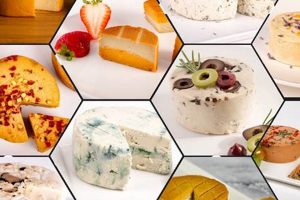
Nutritional composition of plant-based cheese alternatives varies significantly depending on the ingredients and manufacturing processes employed. These products, designed to mimic dairy-based cheese, utilize ingredients such as nuts, seeds, soy, vegetable oils, and starches. Consequently, the caloric content, macronutrient ratios, and micronutrient profiles differ substantially from traditional cheese. For example, a cashew-based cheese alternative will possess a different fat profile compared to one derived from coconut oil. Understanding these differences is paramount for informed dietary choices.
The importance of examining the nutritional characteristics of vegan cheese substitutes stems from the potential health implications associated with different ingredient bases. Plant-based cheeses can offer benefits such as lower saturated fat content, the absence of cholesterol, and the presence of dietary fiber, all of which are often lacking in conventional cheese. However, some vegan cheeses may be high in sodium or contain significant amounts of processed oils. Historically, nutritional information was less accessible; the current emphasis on transparent labeling empowers consumers to make healthier selections.
Therefore, a comprehensive evaluation of the factors influencing the dietary value of these products is warranted. Detailed analysis of specific macronutrient and micronutrient content, ingredient sourcing, and potential allergen concerns constitutes essential elements for consumers seeking to incorporate plant-based cheese alternatives into their diets. The following sections will delve into these aspects to provide a thorough understanding.
Guidance on Plant-Based Cheese Alternatives
The subsequent points offer guidance to facilitate informed choices concerning vegan cheese substitutes, emphasizing the importance of reviewing ingredient lists and nutritional panels.
Tip 1: Scrutinize Ingredient Lists: Prioritize products utilizing whole-food ingredients such as nuts, seeds, and legumes. Avoid formulations predominantly composed of processed oils and starches.
Tip 2: Evaluate Saturated Fat Content: Coconut oil is a common base, but its high saturated fat content warrants moderation. Seek alternatives using unsaturated fat sources like cashews or almonds.
Tip 3: Assess Sodium Levels: Plant-based cheeses can be high in sodium, which may contribute to elevated blood pressure. Compare sodium content across brands and opt for lower-sodium varieties.
Tip 4: Consider Protein Content: Unlike dairy cheese, many vegan alternatives offer limited protein. Supplement protein intake through other dietary sources if relying heavily on plant-based cheese.
Tip 5: Review Calcium Fortification: Dairy cheese is a significant calcium source. Ensure that chosen vegan substitutes are fortified with calcium to meet daily requirements.
Tip 6: Identify Potential Allergens: Nut-based cheeses may not be suitable for individuals with nut allergies. Soy-based options pose similar concerns for soy-sensitive consumers. Always check for potential allergens.
Tip 7: Be Aware of Added Sugars: Some products may contain added sugars to enhance flavor. Choose options with minimal or no added sugars to minimize caloric intake.
Careful examination of ingredient lists and nutritional profiles is essential when selecting plant-based cheese alternatives. These guidelines enable consumers to make choices aligned with specific dietary needs and health objectives.
The following section will provide further insights into specific product categories and their associated nutritional implications.
1. Ingredients

The constituent materials used in the creation of vegan cheese alternatives form the bedrock of their nutritional profiles. The choice of these elements directly influences the macronutrient composition, micronutrient density, and overall suitability of the product as a component of a balanced diet. Understanding the role of specific ingredients is, therefore, essential for evaluating the health attributes of vegan cheese.
- Base Components and Their Impact
The primary component forming the base of a vegan cheese (e.g., cashews, coconut oil, soy, or rice) dictates the overall fat content and type. For instance, cashew-based cheeses tend to be lower in saturated fats compared to those using coconut oil. This distinction directly affects the product’s potential impact on cardiovascular health. Soy-based cheeses may offer a higher protein content, while rice-based options often provide fewer calories but also fewer nutrients.
- Starch Inclusion and Carbohydrate Profile
Modified food starches and tapioca are frequently used to achieve the desired texture and melting properties in vegan cheeses. The inclusion of these starches influences the total carbohydrate content and glycemic index of the final product. Excessive reliance on refined starches may lead to a higher glycemic load, which is a consideration for individuals managing blood sugar levels. Manufacturers sometimes use potato starch, tapioca starch or corn starch.
- Oil Additions and Fat Composition
Vegetable oils, such as canola or sunflower oil, are often added to enhance the creaminess and texture of vegan cheeses. The type of oil used influences the product’s overall fat profile. Preference should be given to cheeses that incorporate oils rich in unsaturated fats, such as olive or avocado oil, over those using predominantly saturated fats. These ingredients affect the vegan cheese nutritional info.
- Additives, Preservatives, and Fortification
Vegan cheeses may contain various additives, including gums (e.g., xanthan gum) for texture, preservatives to extend shelf life, and nutrients for fortification (e.g., calcium, vitamin B12). These additions can enhance the product’s appeal but also raise concerns about potential sensitivities to certain additives. Fortification is crucial to address potential nutritional deficiencies associated with a vegan diet.
In summary, the specific ingredients employed in a vegan cheese alternative are the foundational determinants of its nutritional properties. A discerning consumer should carefully examine the ingredient list to make informed choices that align with their dietary needs and health goals. The interplay of these components, from base materials to additives, collectively defines the nutritional landscape of the final product.
2. Macronutrients
Macronutrientsprotein, fat, and carbohydratesrepresent the primary energy sources in the human diet and profoundly influence the nutritional profile of vegan cheese alternatives. The balance and type of these macronutrients determine the suitability of a given vegan cheese for various dietary needs and health objectives. Understanding their specific contributions is crucial for informed consumer choices.
- Protein Content and Sources
The protein content in vegan cheese is often lower than in traditional dairy cheese. Sources vary, including soy protein isolate, nuts, and seeds. The presence and type of protein significantly impact the cheese alternative’s ability to contribute to daily protein requirements. For example, a soy-based cheese may offer a more complete protein profile compared to a coconut oil-based alternative that offers negligible protein.
- Fat Composition and Health Implications
Fat constitutes a significant portion of most vegan cheeses. The type of fatsaturated, monounsaturated, or polyunsaturatedplays a critical role in determining the product’s health effects. Coconut oil, a common ingredient, is high in saturated fat. Alternatives using nuts and seeds provide unsaturated fats, considered more beneficial for cardiovascular health. The ratio of different fat types should be carefully considered when evaluating vegan cheese.
- Carbohydrate Sources and Impact on Blood Sugar
Carbohydrates in vegan cheese often derive from starches, such as tapioca or potato starch, used to achieve the desired texture. These carbohydrates can impact blood sugar levels. Some products may also contain added sugars to enhance flavor. Evaluating the type and amount of carbohydrates is essential for individuals managing diabetes or following low-carbohydrate diets.
- Macronutrient Ratios and Dietary Goals
The ratio of protein, fat, and carbohydrates in vegan cheese should align with individual dietary goals. A higher-fat cheese may suit ketogenic diets, while a higher-protein cheese may be preferable for those focused on muscle building. The overall macronutrient balance affects satiety and energy levels. A comprehensive understanding of these ratios is essential for integrating vegan cheese into a well-planned diet.
The interplay of protein, fat, and carbohydrates significantly shapes the nutritional value of vegan cheese alternatives. By scrutinizing the sources, types, and ratios of these macronutrients, consumers can make informed decisions that support their health and dietary aspirations. This analysis should form an integral part of evaluating vegan cheese’s place within a balanced eating plan.
3. Micronutrients

The micronutrient composition of vegan cheese alternatives is a critical aspect of their nutritional profile, influencing their value as part of a balanced diet. Unlike traditional dairy cheese, which naturally contains vitamins and minerals, vegan cheese often necessitates fortification to achieve comparable nutritional benefits. Deficiencies in micronutrients such as calcium, vitamin B12, and iron can arise in vegan diets if careful attention is not paid to dietary sources or supplementation. Thus, the presence or absence of these fortified micronutrients significantly affects the overall nutritional adequacy of vegan cheese options. For example, a vegan cheese lacking calcium fortification offers limited benefit as a calcium source, contrasting with traditional dairy cheese, which is naturally rich in this mineral.
Manufacturers fortify vegan cheeses to address these nutritional gaps. Calcium is frequently added to support bone health, while vitamin B12 is crucial for nerve function and red blood cell production, nutrients not naturally occurring in most plant-based ingredients. Iron fortification can aid in preventing anemia, especially important for individuals with increased iron needs. The level and bioavailability of these added micronutrients are significant factors to consider. Some forms of iron, for instance, are less readily absorbed than others. Therefore, the specific compounds used for fortification influence the effectiveness of the cheese as a dietary source. The understanding of vegan cheese nutritional info of micronutrients is important for customers.
In summary, while the base ingredients of vegan cheeses provide varying degrees of inherent nutritional value, the fortification process is central to enhancing their micronutrient profile. The careful selection and inclusion of vitamins and minerals like calcium, vitamin B12, and iron can transform a product from a mere dairy alternative into a nutritionally relevant component of a well-rounded vegan diet. Consumers seeking to integrate vegan cheese into their meals should prioritize products with comprehensive micronutrient fortification, thereby ensuring they meet their daily nutritional requirements effectively.
4. Sodium content

Sodium content represents a critical component of the nutritional information for vegan cheese alternatives, influencing their suitability for individuals managing sodium intake for health reasons. Elevated sodium levels in processed foods, including vegan cheese, contribute to increased blood pressure, elevating the risk of cardiovascular diseases. Therefore, understanding the sodium content within the context of overall nutritional data is paramount for informed dietary choices.
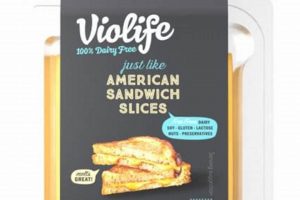
The presence of sodium in vegan cheese is often a consequence of its inclusion as a flavor enhancer and preservative. Sodium chloride (table salt) is commonly added during manufacturing to mimic the taste and texture of traditional dairy cheese. However, the quantities used can vary significantly between brands and product types. For instance, a processed vegan cheese slice designed for melting on sandwiches may contain considerably more sodium than a cashew-based artisanal cheese intended for direct consumption. Careful examination of the nutrition facts label is thus essential for identifying lower-sodium options. Some manufacturers are actively reducing sodium content in response to consumer demand and public health guidelines, demonstrating the practical significance of this issue.
In conclusion, the sodium content is an important aspect of the nutritional profile of vegan cheese, and its implications for cardiovascular health are well-established. By diligently comparing sodium levels across different brands and opting for lower-sodium varieties, consumers can make healthier choices without entirely forgoing these plant-based alternatives. Monitoring and regulating sodium intake, informed by clear and accessible nutritional information, should be a central consideration in the context of a balanced diet.
5. Fat Profile

The fat profile is a crucial element of vegan cheese nutritional information, dictating the product’s impact on overall health and its suitability for various dietary requirements. Understanding the types and proportions of fats present is essential for making informed choices about vegan cheese consumption.
- Saturated Fat Content and Cardiovascular Implications
Saturated fats, often derived from coconut oil, are prevalent in many vegan cheeses. High saturated fat intake is linked to elevated LDL cholesterol levels and increased risk of cardiovascular disease. Scrutinizing the saturated fat content is critical for individuals concerned about heart health. For example, coconut oil-based cheeses may need to be consumed in moderation compared to those using alternative fat sources.
- Unsaturated Fat Sources and Benefits
Unsaturated fats, including monounsaturated and polyunsaturated fats, offer potential health benefits. Vegan cheeses utilizing nuts, seeds, or olive oil as primary ingredients typically exhibit higher proportions of unsaturated fats. These fats are associated with improved cholesterol profiles and reduced inflammation. Examples include cashew-based cheeses with monounsaturated fats and flaxseed-containing cheeses with omega-3 polyunsaturated fats.
- Trans Fat Considerations and Product Selection
Trans fats, primarily arising from partially hydrogenated oils, are detrimental to health and should be avoided. While less common now due to regulations, vigilance is still necessary. Reading ingredient lists to ensure the absence of partially hydrogenated oils is essential. Health-conscious consumers should prioritize vegan cheese options that explicitly state zero trans fats on their nutritional labels.
- Fatty Acid Ratios and Overall Health Impact
The ratio of omega-6 to omega-3 fatty acids is another important consideration. An imbalanced ratio, with excessive omega-6 intake, can contribute to inflammation. Vegan cheeses incorporating sources of omega-3 fatty acids, such as flaxseeds or walnuts, can help improve this ratio. Evaluating the overall fatty acid profile allows for a more comprehensive assessment of the product’s potential health impact.
In summary, the fat profile is a defining aspect of vegan cheese nutritional information, significantly affecting its health implications. By carefully evaluating saturated fat content, prioritizing unsaturated fat sources, avoiding trans fats, and considering fatty acid ratios, consumers can make informed choices that align with their dietary goals and overall well-being. This awareness is fundamental to integrating vegan cheese into a balanced and healthful eating pattern.
6. Allergenicity
Allergenicity constitutes a critical component of vegan cheese nutritional information, directly impacting consumer safety and dietary choices. The composition of vegan cheese alternatives frequently includes ingredients known to be potent allergens, such as tree nuts (cashews, almonds), soy, and seeds. The presence of these allergens necessitates clear and conspicuous labeling to prevent adverse reactions in sensitive individuals. Understanding allergenicity within the context of vegan cheese nutritional information is not merely a matter of regulatory compliance but also a fundamental ethical consideration for manufacturers and retailers.
The cause-and-effect relationship between allergen presence and adverse reactions underscores the importance of accurate labeling. For instance, a cashew-based vegan cheese, while nutritionally sound for some, poses a significant risk to individuals with tree nut allergies. Similarly, soy-based alternatives can trigger allergic responses in those with soy sensitivities. Cross-contamination during manufacturing processes represents an additional concern, potentially introducing unintended allergens into products. Proper allergen management protocols and transparent disclosure of potential cross-contamination are vital to mitigate these risks. A real-life example involves a consumer with a known soy allergy experiencing an allergic reaction after consuming a vegan cheese product not explicitly labeled as containing soy but manufactured in a facility that also processes soy-based ingredients. This incident highlights the practical significance of comprehensive allergen labeling and stringent manufacturing practices.
In conclusion, allergenicity is inextricably linked to vegan cheese nutritional information. Accurate identification and clear communication of potential allergens are paramount to ensuring consumer safety and enabling informed dietary decisions. The responsibility for providing this information rests with manufacturers, who must implement robust allergen control measures and transparent labeling practices. Challenges remain in addressing cross-contamination risks and ensuring consistent application of labeling standards across different products and jurisdictions. The integration of allergen information into a comprehensive nutritional profile is essential for promoting both consumer health and ethical production standards within the vegan cheese market.
7. Processing

The methods employed in producing vegan cheese alternatives exert a profound influence on their nutritional composition. The level and type of processing affect macronutrient retention, micronutrient availability, and the presence of additives, collectively shaping the overall nutritional profile.
- Heat Treatment and Nutrient Degradation
Many vegan cheese production processes involve heat treatment to achieve specific textures and extend shelf life. High temperatures can degrade heat-sensitive vitamins, such as vitamin C and certain B vitamins, potentially reducing the nutritional value of the final product. For instance, pasteurization of a cashew-based cheese alternative, while ensuring safety, may diminish the levels of naturally occurring enzymes and antioxidants. Conversely, some heat treatments can improve the bioavailability of certain nutrients, illustrating the complex interplay between processing and nutrient retention.
- Refining and Loss of Fiber
The refining of base ingredients, such as oils and starches, to create a smooth texture often results in the loss of dietary fiber. Fiber contributes to satiety, regulates blood sugar, and supports digestive health. Vegan cheese alternatives made from highly refined ingredients may, therefore, offer reduced fiber content compared to versions using whole-food ingredients. The choice of minimally processed components is crucial for preserving fiber and other beneficial plant compounds.
- Fermentation and Enhanced Bioavailability
Fermentation, a traditional food processing technique, can enhance the nutritional value of vegan cheese. Fermentation increases the bioavailability of certain minerals, such as iron and zinc, by reducing the concentration of phytates that inhibit absorption. Additionally, fermentation can generate beneficial probiotics, contributing to gut health. A fermented soy-based cheese alternative, for example, may offer improved mineral absorption and probiotic benefits compared to a non-fermented counterpart.
- Addition of Additives and Fortification
Processing often entails the addition of additives, such as stabilizers, emulsifiers, and preservatives, to improve texture, appearance, and shelf life. While these additives may not directly contribute nutritional value, they can indirectly influence consumer acceptance and dietary choices. Furthermore, fortification with micronutrients like calcium and vitamin B12 is a common practice to address potential deficiencies in vegan diets. The type and quantity of additives and fortificants play a significant role in the final nutritional profile of vegan cheese.
These processing factors collectively determine the nutritional quality of vegan cheese alternatives. The selection of processing methods, ranging from minimal to extensive, significantly impacts nutrient retention, fiber content, bioavailability, and the presence of additives and fortificants. A comprehensive understanding of these relationships is essential for consumers seeking to make informed choices that align with their dietary needs and health objectives. Therefore, the extent and type of processing should be carefully considered when evaluating vegan cheese nutritional information.
Frequently Asked Questions
This section addresses common inquiries regarding the nutritional attributes of vegan cheese alternatives, providing objective information to facilitate informed dietary decisions.
Question 1: What constitutes the primary nutritional difference between vegan cheese and traditional dairy cheese?
The principal nutritional divergence lies in the source of macronutrients. Traditional dairy cheese derives its protein and fat from animal milk, whereas vegan cheese utilizes plant-based ingredients, such as nuts, seeds, or soy. This results in variations in protein content, fat composition (saturated vs. unsaturated fats), and the absence of cholesterol in most vegan alternatives. Further, micronutrient profiles differ significantly, with vegan cheeses often requiring fortification to match the vitamin and mineral content of dairy cheese.
Question 2: Are vegan cheeses a reliable source of protein?
The protein content of vegan cheese varies considerably depending on the base ingredients. Soy-based cheeses may offer a comparable protein content to some dairy cheeses. However, many nut- or coconut oil-based alternatives provide minimal protein. It is, therefore, crucial to examine the nutritional label to assess the protein contribution of specific vegan cheese products and supplement protein intake from other dietary sources if necessary.
Question 3: How does the fat profile of vegan cheese compare to that of dairy cheese?
Dairy cheese predominantly contains saturated fats, while vegan cheese fat profiles depend on the ingredients used. Coconut oil, a common ingredient, is high in saturated fat. Alternatives based on nuts, seeds, or olive oil offer higher proportions of unsaturated fats. Consumers should assess the type and amount of fat, particularly saturated fat, when selecting vegan cheese, especially if concerned about cardiovascular health.
Question 4: Do vegan cheeses provide comparable levels of calcium to dairy cheese?
Traditional dairy cheese is a significant source of calcium. Most vegan cheese alternatives do not naturally contain high levels of calcium and require fortification to match the calcium content of dairy cheese. Checking the nutritional label for calcium content and ensuring adequate intake from other dietary sources or supplements is crucial for individuals relying on vegan cheese.
Question 5: What are the primary allergen concerns associated with vegan cheese?
Vegan cheeses frequently contain common allergens such as tree nuts (cashews, almonds), soy, and seeds. Individuals with allergies to these ingredients must meticulously scrutinize ingredient lists to avoid potential reactions. Furthermore, cross-contamination during manufacturing processes presents an additional risk. Manufacturers should clearly label products to indicate the presence of allergens and potential cross-contamination risks.
Question 6: What role does processing play in the nutritional value of vegan cheese?
The level of processing significantly affects the nutritional profile of vegan cheese. Extensive processing can lead to the loss of fiber and heat-sensitive vitamins. Additives, such as stabilizers and preservatives, are often incorporated. Fermentation, a beneficial processing technique, can enhance mineral bioavailability and introduce probiotics. Consumers should consider the processing methods used and opt for minimally processed options when possible.
In summary, informed selection of vegan cheese requires careful consideration of ingredient lists, macronutrient ratios, micronutrient fortification, potential allergens, and processing methods. These factors collectively determine the nutritional value and suitability of vegan cheese alternatives for individual dietary needs.
The following section will provide recommendations for integrating vegan cheese into a balanced dietary plan.
Conclusion
This exploration of vegan cheese nutritional info has elucidated critical aspects for informed dietary choices. The analysis has underscored the variability in macronutrient profiles, micronutrient fortification, allergen concerns, and the impact of processing methods. Understanding these factors is paramount for consumers seeking to integrate plant-based cheese alternatives into a balanced dietary regimen.
Careful consideration of vegan cheese nutritional info empowers individuals to make selections aligned with their specific health needs and dietary goals. Continued vigilance and scrutiny of product labels remain essential as the market for plant-based alternatives evolves. Emphasis on transparency and comprehensive nutritional labeling will further contribute to responsible consumption and promote overall well-being.