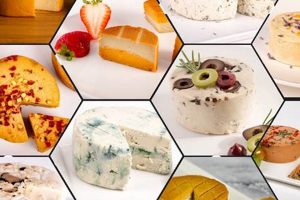
Plant-based cheese alternatives offer a diverse nutritional profile compared to traditional dairy cheese. These products, often crafted from ingredients like nuts, seeds, soy, or coconut oil, present varying levels of protein, fats, vitamins, and minerals. For instance, a cashew-based product may offer a significant source of healthy fats, while one derived from soy might be richer in protein.
The appeal of these alternatives stems from several factors, including dietary restrictions, ethical considerations, and health-conscious choices. Individuals with lactose intolerance or dairy allergies can enjoy cheese-like flavors and textures without adverse reactions. Moreover, these products typically contain no cholesterol and can be lower in saturated fat than dairy cheese, potentially benefiting cardiovascular health. Historically, development has been driven by a growing demand for sustainable and inclusive food options.
The following sections will delve into a detailed examination of the macronutrient and micronutrient composition of different varieties, their potential health impacts, and a comparative analysis against conventional dairy options. Understanding these aspects is essential for consumers seeking to make informed dietary decisions.
Selecting plant-based cheese alternatives requires careful attention to nutritional information to align with individual dietary needs and health goals. Consider these guidelines for informed purchasing decisions.
Tip 1: Evaluate Macronutrient Profiles: Examine the protein, fat, and carbohydrate content. Products high in saturated fats, particularly those derived from coconut oil, should be consumed in moderation.
Tip 2: Scrutinize Ingredient Lists: Prioritize options with whole food ingredients such as nuts, seeds, and legumes. Be wary of products containing excessive additives, fillers, or artificial flavors.
Tip 3: Assess Sodium Content: Many processed cheese alternatives are high in sodium. Opt for low-sodium varieties to support cardiovascular health and maintain healthy blood pressure.
Tip 4: Consider Calcium Fortification: Dairy cheese is a natural source of calcium. If replacing dairy, select plant-based options fortified with calcium to ensure adequate intake of this essential mineral.
Tip 5: Check for Added Vitamins: Some plant-based cheeses are fortified with Vitamin B12, a nutrient commonly found in animal products. This is particularly important for individuals following a strict vegan diet.
Tip 6: Compare Fiber Content: While dairy cheese contains no fiber, some nut- and seed-based alternatives offer a modest amount. Prioritize options that contribute to daily fiber intake for digestive health.
Tip 7: Understand Allergen Information: Many plant-based cheeses are derived from nuts, soy, or other common allergens. Carefully review the ingredient list to avoid potential allergic reactions.
Prioritizing products with favorable macronutrient ratios, minimal processed ingredients, and beneficial micronutrient additions will ensure that plant-based cheese consumption supports overall well-being.
The subsequent sections will address common misconceptions and provide a comprehensive overview of the long-term health implications associated with the consumption of plant-based cheese alternatives.
1. Macronutrient profile

The macronutrient profile is a foundational component of vegan cheese alternatives, directly influencing its nutritional value and suitability for various dietary requirements. It encompasses the proportions of protein, fat, and carbohydrates, each playing a distinct role in energy provision and physiological function. Variation in these macronutrient ratios stems primarily from the base ingredients used in production. For instance, a vegan cheese crafted from cashews will inherently possess a higher fat content compared to a soy-based counterpart, which is often richer in protein. This difference directly affects the overall caloric density and potential impact on satiety and weight management. A cheese alternative derived from coconut oil will have a high saturated fat content.
Understanding the macronutrient profile enables informed decision-making. Individuals seeking to increase their protein intake may prioritize options made from soy or nuts, while those focusing on reducing saturated fat may opt for lower-fat varieties or those utilizing a blend of oils. The carbohydrate content also warrants consideration, particularly for individuals managing blood sugar levels. Examining the macronutrient composition on product labeling provides a direct and practical method for aligning food choices with specific health objectives. For example, a vegan athlete might choose a higher-protein option to support muscle recovery, while someone with cardiovascular concerns would prioritize a lower saturated fat alternative.
In summary, the macronutrient profile is not merely a set of numbers but a key determinant of the nutritional contribution of vegan cheese. Its influence extends to energy balance, satiety, and specific health outcomes. By carefully evaluating these ratios, consumers can select vegan cheese alternatives that effectively support their individual dietary goals and overall well-being. Challenges remain in standardizing nutritional information across different brands and types, emphasizing the importance of careful label reading and nutritional awareness. This macronutrient knowledge is a crucial factor in navigating the diverse world of plant-based dairy alternatives.
2. Ingredient Sourcing

The nutritional profile of vegan cheese is inextricably linked to the sourcing of its constituent ingredients. The origin and quality of components such as nuts, seeds, vegetables, and plant-based oils directly influence the final product’s vitamin, mineral, and macronutrient composition. For instance, if a vegan cheese relies heavily on refined coconut oil sourced from monoculture plantations, it will likely be high in saturated fat and offer limited micronutrient diversity. Conversely, a product utilizing a blend of sustainably harvested cashews and seeds may provide a more balanced nutritional profile, including beneficial unsaturated fats, protein, and trace minerals like magnesium and zinc. Therefore, the ingredient procurement process acts as a primary determinant of the cheese’s overall health impact.
Consider the practical implications of ingredient sourcing on the final product. A vegan cheese alternative claiming to be a good source of protein will fail to deliver if it relies on inexpensive, protein-poor fillers sourced from suppliers with lax quality control. Similarly, the presence of pesticides, herbicides, or heavy metals in raw materials can compromise the safety and nutritional integrity of the finished product, regardless of the processing techniques employed. Transparency regarding sourcing practices allows consumers to make informed choices, favoring brands that prioritize sustainable agriculture and ethical labor practices. This includes verifying certifications, such as organic labeling or fair-trade designations, which offer assurance about the ingredient’s origin and production methods.
In conclusion, the nutritional value of vegan cheese alternatives is fundamentally dependent on the quality and origin of their ingredients. Ethical and sustainable sourcing, coupled with transparent labeling, is paramount for ensuring that these products contribute positively to human health and environmental well-being. Challenges persist in monitoring supply chains and enforcing consistent quality standards. However, a greater emphasis on ingredient traceability and consumer education can promote a shift toward more responsible and nutritionally sound vegan cheese options.
3. Vitamin fortification
Vitamin fortification in vegan cheese alternatives serves as a crucial mechanism for enhancing nutritional value and addressing potential dietary deficiencies. As dairy cheese naturally contains vitamins A, D, and B12, their absence in plant-based counterparts necessitates strategic supplementation. Vitamin fortification acts as a compensatory measure, ensuring that consumers who opt for vegan alternatives receive comparable micronutrient benefits. B12 fortification is of particular significance, as this vitamin is primarily found in animal products, making deficiency a potential risk for individuals adhering to strict vegan diets. Without fortification, reliance on vegan cheese as a staple food source may lead to long-term health complications associated with vitamin inadequacy.
The process of fortification involves adding specific vitamins during the cheese manufacturing process. For example, manufacturers might introduce vitamin D2 or D3 to increase the cheese’s vitamin D content. The effectiveness of vitamin fortification depends on several factors, including the type of vitamin used, its bioavailability, and the processing methods employed. Some vitamin forms may be more readily absorbed by the body than others, influencing the actual nutritional benefit derived from consumption. Therefore, consumers should examine product labels to ascertain the specific vitamins added and, if possible, research their bioavailability. The presence of added vitamins in vegan cheese alternatives is not merely a marketing tactic but an essential component of ensuring that plant-based diets are nutritionally complete.
In summary, vitamin fortification plays a vital role in bridging the nutritional gap between traditional dairy cheese and vegan alternatives. It allows consumers to make dietary choices aligned with ethical or health-related considerations without compromising their vitamin intake. However, consumers must remain vigilant in scrutinizing product labels and understanding the nuances of vitamin types and bioavailability. Further research into optimal fortification strategies and consumer education will enhance the value and appeal of vegan cheese as a sustainable and nutritionally adequate food source.
4. Mineral content
The mineral content of vegan cheese alternatives represents a crucial facet of its overall nutritional profile. While dairy cheese is recognized as a significant source of calcium and other essential minerals, plant-based variations often present a different mineral composition, necessitating careful evaluation. The type and quantity of minerals present in vegan cheese depend largely on the base ingredients utilized in its production. For example, a cashew-based product may offer magnesium and zinc, while a soy-based alternative could contribute iron and potassium. However, the bioavailability of these minerals can vary depending on the presence of phytates or oxalates, compounds commonly found in plant-based foods that can inhibit mineral absorption. Therefore, understanding both the type and bioavailability of minerals in vegan cheese is essential for assessing its contribution to overall dietary needs.
The practical significance of mineral content in vegan cheese nutrition lies in its potential to address or exacerbate mineral deficiencies. Individuals transitioning to a vegan diet must ensure adequate intake of essential minerals often obtained from animal products. While some vegan cheese alternatives are fortified with calcium to mimic the levels found in dairy cheese, others may lack sufficient amounts. Moreover, the fortification process itself can impact mineral bioavailability. For instance, calcium carbonate, a commonly used fortificant, may be less readily absorbed than calcium citrate malate. Therefore, consumers should carefully scrutinize product labels to assess the mineral content and choose alternatives that are fortified with bioavailable forms of essential minerals. Additionally, incorporating a variety of plant-based foods rich in minerals, such as leafy greens, nuts, and seeds, can further enhance mineral intake and mitigate potential deficiencies.
In summary, mineral content is a critical aspect of vegan cheese nutrition that warrants careful consideration. While plant-based alternatives can offer certain minerals, their bioavailability and overall contribution to dietary needs vary depending on the ingredients used and the fortification process. Consumers should prioritize products with adequate mineral content and bioavailable forms, supplementing their intake with a diverse range of mineral-rich plant-based foods. Addressing challenges related to mineral bioavailability through research and improved fortification strategies will further enhance the nutritional value and appeal of vegan cheese as a sustainable dietary option.
5. Sodium levels

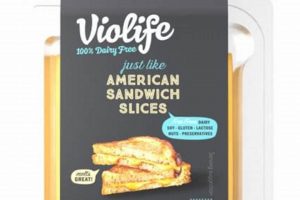
Sodium levels represent a critical consideration within vegan cheese nutrition due to their direct impact on cardiovascular health and overall well-being. The incorporation of sodium in vegan cheese production often serves multiple purposes: enhancing flavor, improving texture, and acting as a preservative. However, excessive sodium consumption is a known risk factor for hypertension and related cardiovascular diseases. Many commercially available vegan cheeses contain sodium levels comparable to, or even exceeding, those found in traditional dairy cheeses. This presents a potential health concern, particularly for individuals with pre-existing hypertension or those at risk of developing cardiovascular issues. A significant example is processed vegan cheese slices, which often rely on high sodium content to achieve a palatable flavor profile and extended shelf life. Therefore, understanding the sodium content within specific vegan cheese products is paramount for informed dietary choices.
The practical significance of scrutinizing sodium levels in vegan cheese nutrition extends to its influence on daily sodium intake. If vegan cheese constitutes a significant portion of an individual’s diet, particularly within vegan or vegetarian dietary patterns where sodium intake might already be elevated due to reliance on processed plant-based foods, the cumulative effect can be detrimental. This necessitates careful label reading and comparison of sodium content across different brands and varieties. Choosing lower-sodium alternatives, or limiting the consumption of high-sodium vegan cheeses, represents a practical strategy for mitigating potential health risks. Furthermore, individuals with specific health concerns, such as kidney disease or heart failure, must exercise heightened caution regarding sodium intake from all dietary sources, including vegan cheese alternatives.
In conclusion, sodium levels are a salient component of vegan cheese nutrition, demanding careful consideration due to their impact on cardiovascular health. While sodium plays a role in flavor and preservation, excessive intake poses health risks. Informed consumers must diligently examine product labels, compare sodium content, and make dietary adjustments to maintain healthy sodium levels. Future research focused on developing low-sodium vegan cheese formulations and educating consumers about the health implications of sodium will further enhance the nutritional value and safety of these plant-based alternatives.
6. Fiber presence
The presence of fiber in vegan cheese nutrition is a differentiating factor when compared to traditional dairy cheese, which contains no fiber. The inclusion of fiber in plant-based alternatives is directly related to the ingredients used, such as nuts, seeds, or vegetables. Its presence contributes to digestive health and may influence satiety. For instance, a vegan cheese incorporating flax seeds will inherently offer a higher fiber content than one based solely on refined coconut oil. This difference impacts the product’s nutritional profile and its potential to support gut health and regulate bowel movements.
The practical significance of fiber presence in vegan cheese resides in its contribution to dietary fiber intake. Many individuals struggle to meet the recommended daily intake of fiber, and the inclusion of even a small amount in a cheese alternative can contribute towards this goal. Additionally, fiber can play a role in modulating blood sugar levels and promoting a sense of fullness, which may be beneficial for weight management. However, it is crucial to note that the fiber content in vegan cheeses varies widely. Therefore, consumers must carefully examine product labels to ascertain the actual amount of fiber per serving and make informed choices based on their individual dietary needs. For example, someone seeking to increase their fiber intake might prioritize vegan cheese alternatives containing nuts, seeds, or vegetables known for their fiber content.
In conclusion, the presence of fiber is a notable aspect of vegan cheese nutrition, offering potential benefits for digestive health and satiety. While not all vegan cheese alternatives contain significant amounts of fiber, those that do can contribute to overall dietary fiber intake. Challenges exist in standardizing fiber content across different brands and varieties, necessitating careful label reading and consumer awareness. The inclusion of fiber highlights the potential of plant-based alternatives to offer nutritional advantages beyond simply replicating the flavor and texture of dairy cheese.
7. Fat composition
The fat composition is a crucial determinant of the nutritional profile and health implications associated with vegan cheese. It dictates the overall caloric density, influences satiety, and affects cardiovascular health markers. The type and proportion of fats present in vegan cheese are largely dependent on the source ingredients used in its production.
- Saturated Fat Content
Vegan cheese often utilizes coconut oil, palm oil, or cocoa butter to achieve a texture similar to dairy cheese. These ingredients are high in saturated fats, which, when consumed in excess, can elevate LDL cholesterol levels and increase the risk of heart disease. The saturated fat content should be carefully considered, especially by individuals with pre-existing cardiovascular conditions. For example, a vegan mozzarella made primarily from coconut oil might contain a similar saturated fat profile to traditional full-fat mozzarella.
- Unsaturated Fat Profile
Alternatives utilizing nuts, seeds, or avocado oil offer a more favorable unsaturated fat profile, including monounsaturated and polyunsaturated fats. These fats have been linked to improved cardiovascular health and can contribute essential fatty acids, such as omega-3 and omega-6, to the diet. Vegan cheese made from cashews or almonds, for instance, will provide a higher proportion of unsaturated fats compared to saturated fats.
- Trans Fat Considerations
While less common, some processed vegan cheeses might contain trans fats, either naturally occurring or as a result of partial hydrogenation of oils. Trans fats are detrimental to cardiovascular health and should be avoided. Careful label reading is essential to identify and avoid products listing “partially hydrogenated oils” in the ingredient list. The presence of trans fats can negate the health benefits otherwise associated with plant-based diets.
- Impact on Flavor and Texture
Fat composition significantly influences the flavor and texture of vegan cheese. Saturated fats tend to contribute to a firmer texture and a mouthfeel similar to dairy cheese. Unsaturated fats, on the other hand, can result in a softer, more spreadable consistency. The choice of fat source therefore affects the overall sensory experience and the versatility of the vegan cheese in culinary applications. For example, a high-saturated fat vegan cheese might melt more readily, while a high-unsaturated fat alternative may be better suited for cold applications.
The fat composition of vegan cheese is a key factor influencing its nutritional value and potential health impact. By carefully evaluating the sources and types of fats used in different products, consumers can make informed choices that align with their dietary needs and health goals, maximizing the benefits and minimizing the risks associated with plant-based cheese alternatives. Further research into novel fat sources and processing techniques is needed to optimize the fat composition of vegan cheese for improved health outcomes.
Frequently Asked Questions
This section addresses common inquiries regarding the nutritional aspects of vegan cheese alternatives, providing factual and objective information to promote informed dietary choices.
Question 1: Are vegan cheese alternatives nutritionally equivalent to dairy cheese?
Nutritional equivalence is not guaranteed. Vegan cheese formulations vary widely, leading to differences in macronutrient profiles, vitamin and mineral content, and fiber presence. Some vegan cheeses may be lower in saturated fat and cholesterol but might lack certain vitamins and minerals naturally found in dairy cheese unless fortified.
Question 2: What are the primary ingredients used in vegan cheese, and how do they impact nutritional value?
Common base ingredients include nuts (cashews, almonds), seeds (sunflower, sesame), soy, coconut oil, and tapioca starch. Nut- and seed-based cheeses tend to offer higher protein and unsaturated fat content. Soy-based varieties can be good sources of protein and iron. Coconut oil-based cheeses are often high in saturated fat. Tapioca starch is primarily used as a thickening agent and contributes minimal nutritional value.
Question 3: Is vegan cheese a good source of protein?
Protein content varies. Soy-based and nut-based vegan cheeses typically offer the most significant protein contribution. Coconut oil-based options generally contain negligible amounts of protein. Checking the nutrition label for protein content per serving is recommended.
Question 4: Should individuals be concerned about the saturated fat content of vegan cheese?
High saturated fat content is a valid concern, particularly with products relying heavily on coconut oil or palm oil. Excessive saturated fat intake is associated with elevated LDL cholesterol levels and increased risk of cardiovascular disease. Moderate consumption and selection of alternatives with lower saturated fat content are advised.
Question 5: Are vegan cheeses typically fortified with vitamins and minerals?
Fortification practices differ among manufacturers. Some vegan cheeses are fortified with calcium, vitamin B12, and vitamin D to compensate for their absence in the base ingredients. Consumers should review product labels to ascertain whether fortification has occurred and the specific vitamins and minerals added.
Question 6: Does vegan cheese contain fiber?
Unlike dairy cheese, some vegan cheese alternatives do contain fiber, primarily those made from nuts, seeds, or vegetables. Fiber contributes to digestive health and satiety. The fiber content varies significantly, and product labels should be consulted for precise information.
In summary, vegan cheese nutrition is characterized by its variability, stemming from diverse ingredient compositions and manufacturing practices. Informed decision-making necessitates careful label reading and consideration of individual dietary needs.
The subsequent section will delve into the practical implications of incorporating vegan cheese into various dietary patterns and lifestyle choices.
Conclusion
Vegan cheese nutrition presents a complex landscape, characterized by variability in ingredient sourcing, macronutrient profiles, and fortification practices. The preceding exploration has illuminated the importance of scrutinizing product labels to assess fat composition, sodium levels, vitamin and mineral content, and fiber presence. The absence of a standardized nutritional profile across all vegan cheese alternatives underscores the need for informed consumer choices based on individual dietary requirements and health objectives.
Ultimately, the responsible incorporation of vegan cheese into any dietary pattern necessitates a commitment to nutritional awareness and a critical evaluation of product composition. Further research into optimal formulations and transparent labeling practices remains essential for enhancing the nutritional value and public perception of vegan cheese as a sustainable and health-conscious food alternative.