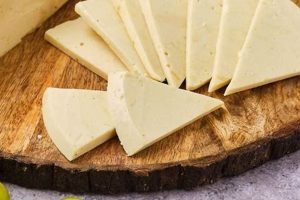
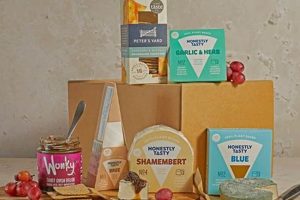
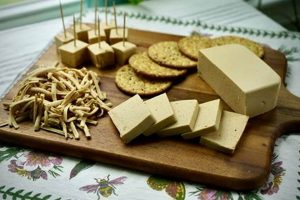
A curated selection of plant-based alternatives to traditional dairy cheese, arranged artfully on a platter, offers a sophisticated and inclusive culinary experience. This assortment typically includes a variety of textures and flavors derived from nuts, seeds, vegetables, and plant-based cultures, often accompanied by fruits, crackers, nuts, and other complementary accoutrements to enhance the tasting experience. For example, a platter might feature cashew-based brie, almond-based ricotta, and a smoked paprika-infused spread made from sunflower seeds.
The growing popularity of such platters reflects increasing awareness of dietary restrictions and ethical considerations related to animal welfare and environmental sustainability. Moreover, it provides a flavorful and visually appealing option for individuals seeking dairy-free alternatives or exploring plant-based diets. Its historical context is relatively recent, coinciding with advancements in food technology and the expanding market for vegan products.
The subsequent sections will delve into the composition of these platters, the sourcing of ingredients, and practical tips for assembling a balanced and aesthetically pleasing presentation. Furthermore, it will address common misconceptions surrounding plant-based cheese and explore the nutritional aspects of this increasingly popular culinary offering.
Tips for Crafting an Exceptional Plant-Based Cheese Selection
The creation of a compelling plant-based cheese selection requires careful consideration of flavor profiles, textures, and complementary pairings. The following guidelines offer practical advice for assembling a memorable culinary experience.
Tip 1: Diversify the Base Ingredients. Employ a variety of nuts, seeds, and vegetable bases to achieve a range of flavors. Cashews provide creaminess, almonds offer a subtle nuttiness, and sunflower seeds contribute a unique earthy taste.
Tip 2: Incorporate Fermentation Techniques. Culturing processes can enhance the complexity and depth of flavor in plant-based cheeses. Consider using probiotics or other cultures to create a tangy or sharp profile.
Tip 3: Balance Flavors and Textures. Aim for a mixture of soft, semi-hard, and hard cheeses. Contrast mild and pungent flavors, such as a creamy cashew brie alongside a sharper, aged almond cheese.
Tip 4: Enhance with Herbs and Spices. Elevate the flavor profile through the strategic use of herbs and spices. Smoked paprika, truffle oil, and fresh herbs can add significant depth and complexity.
Tip 5: Pay Attention to Presentation. Arrange the cheeses artfully on a board, considering color and texture. Include accompaniments such as fruits, nuts, olives, and crackers to complement the cheeses.
Tip 6: Source Quality Ingredients. The final product’s quality is directly proportional to the ingredients’ quality. Prioritize organic and sustainably sourced nuts, seeds, and other components.
Tip 7: Consider Seasonal Availability. Incorporate seasonal fruits and vegetables to enhance the presentation and complement the flavors of the plant-based cheeses.
By implementing these strategies, one can construct a plant-based cheese selection that is both flavorful and visually appealing, catering to a variety of palates and dietary preferences.
The following sections will explore specific recipes and advanced techniques for crafting artisanal plant-based cheeses.
1. Plant-based alternatives

Plant-based alternatives form the foundational elements of a specific culinary offering, effectively replacing traditional dairy-based cheeses. The absence of dairy necessitates reliance on ingredients such as nuts (cashews, almonds), seeds (sunflower, sesame), legumes (soybeans), and vegetables (potatoes, carrots) as the base for producing various cheese-like textures and flavors. The specific selection and preparation of these plant-based ingredients directly influence the final sensory characteristics of the product, thereby determining its suitability for inclusion in a broader arrangement.
The development and utilization of plant-based alternatives have transformed the landscape of the overall culinary platter concept. The availability of diverse plant-derived ingredients, processed through techniques such as fermentation, culturing, and enzymatic modification, allows for the creation of products mimicking the taste and texture of traditional cheeses. A cashew-based brie, for instance, provides a creamy texture, while an almond-based ricotta offers a softer, grainier profile. Without these alternatives, the creation of such plant based assortments would be practically unfeasible, limiting the culinary experience for individuals adhering to vegan or dairy-free diets.
Understanding the connection between plant-based ingredients and the overall concept is crucial for successful culinary implementation. Choosing appropriate alternatives, considering their flavor profiles and textural properties, is paramount for constructing a balanced and appealing assortment. Continued innovation in the realm of plant-based food technology will further expand the possibilities, allowing for the creation of increasingly sophisticated and realistic alternatives. This evolution directly influences the future development and broader acceptance of dairy-free culinary options, making this a dynamically evolving sector.
2. Flavorful diversity

Flavorful diversity is a cornerstone of a successful dairy-free culinary offering. The inherent absence of traditional dairy flavor compounds in plant-based cheeses necessitates a strategic layering of alternative tastes and aromas to create a compelling sensory experience. The goal is to avoid palate fatigue and offer a range of experiences that cater to different preferences. Without this diversity, such a platter risks being perceived as bland or lacking in complexity, potentially detracting from its appeal.
The creation of flavor profiles in plant-based cheeses relies on various techniques and ingredients. Nuts, such as cashews and almonds, provide a creamy and subtly sweet base that can be enhanced with fermentation processes, herbs, spices, and even fruit infusions. Seeds, such as sunflower and sesame, offer earthy and nutty notes that can be intensified through roasting or smoking. Vegetables, such as roasted red peppers or artichoke hearts, contribute savory and umami elements. The strategic combination of these ingredients, coupled with precise flavoring techniques, allows for the construction of a multi-dimensional taste experience.
In summary, flavorful diversity is not merely a desirable attribute but a necessity for creating a satisfying culinary experience. The effective utilization of plant-based ingredients and flavoring techniques allows for the construction of a range of tastes and aromas that compensate for the absence of traditional dairy-based cheeses. The resulting range is both important for consumers and the increasing acceptance of dairy-free alternative offering.
3. Artful arrangement
The aesthetic presentation of a curated selection of plant-based alternatives significantly influences its perceived value and appeal. Visual presentation transcends simple placement, becoming an integral component of the overall tasting experience. The arrangement’s effectiveness can directly impact a consumer’s willingness to engage with and appreciate the diverse flavors and textures. A disorganized or visually unappealing offering may deter potential consumers, regardless of the underlying quality of the components. For example, a selection haphazardly assembled on a plain surface fails to capture the eye and can diminish the perceived sophistication of the plant-based cheeses.
Conversely, a thoughtfully arranged presentation utilizes color, texture, and height to create a visually engaging display. Complementary accompaniments, such as fruits, nuts, and crackers, are strategically positioned to enhance the aesthetic appeal and provide contextual cues for flavor pairings. The selection of serving vessels, such as wooden boards, slate platters, or ceramic dishes, contributes to the overall aesthetic theme. The deliberate use of negative space prevents overcrowding and allows each element to stand out. Real-world examples include professional chefs who carefully consider the interplay of colors, shapes, and textures when assembling a plant-based cheese selection, often drawing inspiration from floral arrangements or landscape design.
In conclusion, the practice of artful arrangement is not a superficial embellishment but a fundamental aspect of crafting a compelling plant-based culinary offering. It enhances the visual appeal, conveys a sense of sophistication, and ultimately influences consumer perception and enjoyment. Challenges may arise in balancing aesthetic considerations with practical constraints, such as space limitations or ingredient availability. However, a commitment to thoughtful presentation remains essential for maximizing the impact and success of a dairy-free cheese selection.
4. Dietary inclusivity

Dietary inclusivity, in the context of a plant-based alternative culinary offering, signifies the ability to cater to individuals with diverse dietary requirements and ethical considerations. The increasing prevalence of plant-based cheese selection is directly linked to a growing awareness and acceptance of various dietary restrictions, including veganism, lactose intolerance, and dairy allergies. This offering provides a viable and appealing option for individuals who would otherwise be excluded from enjoying a traditional cheese-based experience. The cause-and-effect relationship is evident: the demand for inclusive food options drives the development and adoption of plant-based alternatives. The absence of dietary inclusivity would render a traditional cheese selection inaccessible to a significant portion of the population.
The practical significance of this understanding extends beyond mere accommodation. It reflects a commitment to creating a welcoming and inclusive environment for all individuals, regardless of their dietary choices. Real-life examples include restaurants and catering services that offer plant-based cheese selections to accommodate vegan or dairy-free guests, thereby enhancing their overall dining experience. Furthermore, events such as weddings and corporate gatherings are increasingly incorporating plant-based options to ensure that all attendees can partake in the shared culinary experience. Understanding the importance of dietary inclusivity allows for the design of food offerings that are both flavorful and considerate of diverse needs.
In conclusion, dietary inclusivity is a crucial component of a well-considered culinary plant-based offering, reflecting a broader trend towards more inclusive and accommodating food practices. Challenges may arise in ensuring that plant-based options meet the same standards of taste and quality as traditional offerings. However, the increasing availability of high-quality plant-based alternatives and the growing awareness of dietary needs make it possible to create a product that is both delicious and inclusive. The ultimate goal is to provide a shared culinary experience that can be enjoyed by all, regardless of their dietary restrictions or ethical considerations, improving overall consumer perception of quality and the importance of inclusivity. This approach aligns directly with the broader theme of creating a more equitable and accessible food system.
5. Ethical considerations

Ethical considerations are intrinsically linked to the increasing popularity of plant-based alternatives, including the culinary plant-based offerings. A primary driver for the adoption of such plant based options stems from concerns regarding animal welfare within the dairy industry. The production of conventional dairy often involves practices that raise ethical questions about the treatment of animals, including confinement, forced impregnation, and premature separation of offspring. These concerns directly influence consumer choices, leading individuals to seek alternatives that align with their values. The availability and increasing quality of plant-based cheeses allow consumers to reduce or eliminate their contribution to these practices. The cause-and-effect relationship is clear: ethical concerns drive demand, which in turn fuels innovation and wider availability of plant-based options. Without these concerns, the prevalence of plant-based cheeses would likely be significantly lower.
Beyond animal welfare, environmental concerns also play a significant role. Dairy production is associated with substantial greenhouse gas emissions, land use, and water consumption. Plant-based alternatives, in general, tend to have a smaller environmental footprint, although the specific impact varies depending on the ingredients and production methods used. Individuals seeking to reduce their environmental impact may therefore choose plant-based cheeses as a more sustainable option. This ethical dimension extends to the sourcing of ingredients, with consumers increasingly scrutinizing the labor practices and environmental impact associated with the production of nuts, seeds, and other plant-based ingredients. Real-world examples include consumers actively seeking out plant-based cheeses made from sustainably sourced ingredients, and companies transparently communicating their ethical sourcing practices. These actions reflect a growing awareness and commitment to aligning purchasing decisions with ethical values.
In conclusion, ethical considerations are not merely peripheral aspects but central drivers of the plant based offering movement. Concerns regarding animal welfare, environmental sustainability, and ethical sourcing practices significantly influence consumer demand and shape the development of the plant-based cheese industry. While challenges remain in ensuring that all plant-based alternatives meet high ethical standards, the increasing awareness of these issues and the growing commitment of both consumers and producers suggest that ethical considerations will continue to play a pivotal role in the evolution of this increasingly popular culinary plant-based offering.
Frequently Asked Questions
The following addresses common inquiries and clarifies potential misconceptions surrounding these plant-based alternatives.
Question 1: What are the primary ingredients used in plant-based cheeses?
The composition varies depending on the desired flavor and texture. Common ingredients include nuts (cashews, almonds), seeds (sunflower, sesame), legumes (soybeans), and vegetable oils (coconut, palm). Stabilizers and flavorings are often added to enhance the sensory properties.
Question 2: Are plant-based cheeses nutritionally equivalent to dairy-based cheeses?
Nutritional profiles differ significantly. Plant-based cheeses typically contain less saturated fat and cholesterol but may also be lower in protein and certain micronutrients, such as calcium and vitamin B12. Nutritional information should be carefully reviewed.
Question 3: Do all plant-based cheeses melt in a similar manner to dairy-based cheeses?
Melting properties vary widely. Some formulations, particularly those containing modified starches or gums, exhibit acceptable melting characteristics. Others may not melt well or may become oily or separated when heated.
Question 4: How should plant-based cheeses be stored to maintain optimal freshness and quality?
Storage recommendations depend on the specific product. Generally, refrigeration is required. Some plant-based cheeses may benefit from being wrapped tightly to prevent drying out or absorbing odors from other foods.
Question 5: Are all plant-based cheeses suitable for individuals with nut allergies?
No. Many plant-based cheeses utilize nuts as a primary ingredient. Individuals with nut allergies should carefully review ingredient lists and avoid products that contain nuts or are manufactured in facilities that process nuts.
Question 6: How can the flavor of plant-based cheeses be enhanced?
Flavor can be enhanced through various means, including the addition of herbs, spices, smoked salts, and nutritional yeast. Fermentation techniques and aging processes can also contribute to a more complex and nuanced flavor profile.
In summary, plant-based cheeses offer a diverse range of options for individuals seeking dairy-free alternatives. Careful attention should be paid to ingredient lists, nutritional information, and storage recommendations to ensure a satisfactory experience.
The subsequent section will address potential challenges and future trends in the realm of plant-based culinary selections.
Conclusion
This exploration of the “vegan cheese board” has highlighted key facets of this increasingly prominent culinary trend. From the foundational reliance on plant-based alternatives to the ethical considerations driving consumer demand and the importance of dietary inclusivity, each element contributes to the overall significance of this culinary category. The artful arrangement and the pursuit of flavorful diversity underscore the efforts to create a sensory experience comparable to, or exceeding, that of traditional dairy-based options. Furthermore, the frequently asked questions address common misconceptions and provide clarity on the nutritional aspects and practical considerations of plant-based cheeses.
The continued innovation in plant-based food technology and the growing awareness of ethical and environmental concerns suggest that the “vegan cheese board” will solidify its place within the broader culinary landscape. Further research and development are warranted to enhance the nutritional profiles, improve melting characteristics, and refine the overall sensory qualities of plant-based cheeses. The future of this culinary offering hinges on a continued commitment to quality, sustainability, and a deeper understanding of the evolving consumer preferences within this dynamic market.
![Is Annie's Vegan Mac & Cheese Cheesy Enough? [Review] | Discover Delicious Vegan Food, Beauty Swaps, and Zero-Waste Tips for a Greener Life](https://thisvegangirl.com/wp-content/uploads/2026/03/th-643-300x200.jpg "Is Annie's Vegan Mac & Cheese Cheesy Enough? [Review] Discover Delicious Vegan Food, Beauty Swaps, and Zero-Waste Tips for a Greener Life")