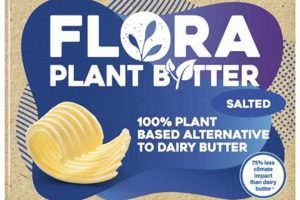
This snack food offers a plant-based alternative to traditional buttered popcorn. It commonly involves air-popped kernels coated with a dairy-free butter substitute, often derived from oils like coconut or olive, and seasoned with salt and sometimes nutritional yeast for a cheesy flavor. A common example is commercially available pre-popped varieties or a homemade version using readily accessible ingredients.
Its significance lies in providing a satisfying and inclusive snacking option for individuals adhering to vegan diets or those with dairy sensitivities. Historically, plant-based alternatives were limited, but increased awareness of dietary needs and ethical food choices has driven innovation in the food industry. Consequently, these dairy-free options contribute to greater food accessibility and dietary variety.
The following sections will delve into the specific ingredients used, examine nutritional considerations, explore popular preparation methods, and address common questions regarding this increasingly popular snack.
Tips for Enhanced Vegan Butter Popcorn
The following guidelines aim to maximize the flavor and quality of a plant-based popcorn experience. Adherence to these suggestions can yield a superior final product.
Tip 1: Select High-Quality Kernels: Opt for kernels specifically marked as “popping corn” to ensure optimal expansion and minimal unpopped kernels. Varieties like “mushroom” kernels tend to create larger, more spherical popcorn, providing a greater surface area for coating.
Tip 2: Utilize Coconut Oil for Popping: Coconut oil imparts a subtle sweetness and enhances browning. The refined version mitigates strong coconut flavor, while the unrefined version offers a distinct tropical note.
Tip 3: Employ Nutritional Yeast Judiciously: Incorporate nutritional yeast gradually. This ingredient delivers a savory, cheesy flavor but can become overpowering if used excessively. Start with a small amount and adjust to taste.
Tip 4: Infuse the Oil with Flavor: Consider infusing the melted oil with garlic powder, onion powder, smoked paprika, or other dried herbs for added complexity. This technique allows for a more evenly distributed flavor profile.
Tip 5: Melt Plant-Based Butter Alternative Carefully: Avoid overheating plant-based butter alternatives, as they can burn easily. Low and slow melting prevents separation and maintains optimal flavor.
Tip 6: Agitate During Coating: When combining the popped kernels with the butter mixture, ensure thorough and even distribution by gently tossing or stirring the popcorn to coat each piece completely.
Tip 7: Toast for Enhanced Texture: Spread the coated popcorn on a baking sheet and toast in a low oven (around 250F or 120C) for 10-15 minutes. This process helps to dry the popcorn slightly, enhancing its crispness.
By following these guidelines, a significantly improved plant-based popcorn experience can be achieved, resulting in a more flavorful and texturally satisfying snack.
The subsequent section will address potential health considerations related to the consumption of this snack food, including an analysis of its nutritional profile.
1. Plant-Based Alternatives

The availability of plant-based alternatives is a foundational prerequisite for the existence of vegan butter popcorn. The inherent nature of traditional buttered popcorn, relying on dairy-derived butter, renders it unsuitable for vegan consumption. Therefore, the development and accessibility of plant-based butter substitutes are the direct causal factors enabling the creation of a vegan-compliant version. Consider, for example, the substitution of traditional butter with coconut oil, olive oil, or commercially produced vegan butter alternatives formulated from plant oils. Without these alternatives, a product marketed as “vegan butter popcorn” would be inherently contradictory.
The importance of suitable plant-based alternatives extends beyond mere ingredient substitution. The characteristics of the alternative directly influence the final product’s taste, texture, and overall sensory experience. For instance, the choice between refined and unrefined coconut oil impacts the strength of the coconut flavor, while the use of certain vegan butter spreads can affect the popcorn’s melting properties and coating consistency. Furthermore, the source and processing methods of these alternatives influence their nutritional profiles, affecting the popcorn’s fat content and presence of essential nutrients. This makes a careful selection of plant-based ingredients essential for crafting a palatable and nutritious snack.
In summary, the development and widespread availability of plant-based alternatives are not merely complementary to the concept of vegan butter popcorn; they are its very basis. Challenges remain in replicating the complex flavor and mouthfeel of traditional butter using plant-derived sources, but ongoing innovation in food science continues to expand the range and quality of available alternatives, ensuring the continued evolution and appeal of this plant-based snack option. This underscores the interconnectedness of dietary choices and the food industry’s response to evolving consumer needs and ethical considerations.
2. Kernel Selection
Kernel selection represents a fundamental aspect of vegan butter popcorn production, impacting both the final product’s texture and the efficiency of the popping process. The choice of kernel variety influences the overall eating experience and the successful conversion of raw kernels into edible popcorn.
- Kernel Type and Popping Volume
Different kernel varieties exhibit varying popping volumes, directly affecting the yield per given quantity. Butterfly or snowflake kernels, known for their irregular shapes and large wings, often produce higher volumes, while mushroom kernels, which create rounder, denser popcorn, may result in slightly lower volumes. The selection dictates the ultimate quantity of vegan butter popcorn obtained from a single batch.
- Kernel Density and Texture
Kernel density correlates with the resulting popcorn’s texture. Denser kernels tend to yield chewier popcorn, whereas lighter kernels produce a more airy and crisp texture. This textural difference is a significant factor influencing consumer preference and sensory experience. Considerations must be given to balancing kernel density and structural integrity to achieve optimal kernel expansion and a pleasant mouthfeel.
- Kernel Size and Unpopped Kernels (Old Maids)
Kernel size contributes to the prevalence of unpopped kernels, commonly referred to as “old maids.” Uniform kernel size ensures consistent heating and pressure buildup during the popping process, reducing the likelihood of unpopped kernels. Larger kernels, if not fully hydrated, may exhibit higher unpopped rates, while smaller, damaged kernels can also fail to pop effectively. Careful selection and storage practices can minimize this issue.
- Organic vs. Conventional Kernels and Flavor Profile
The choice between organic and conventionally grown kernels can subtly influence the final flavor profile of the vegan butter popcorn. Organic kernels, cultivated without synthetic pesticides or fertilizers, may exhibit a purer, cleaner taste, devoid of potential chemical residues. While the flavor difference may be subtle, it aligns with the broader ethos of veganism, which often emphasizes sustainable and environmentally conscious food choices. The overall impact, including the ethics of purchasing and consumption, is relevant.
In conclusion, kernel selection plays a multi-faceted role in the production of vegan butter popcorn, influencing yield, texture, the occurrence of unpopped kernels, and even subtle aspects of flavor. An informed selection process, considering factors such as kernel type, density, size uniformity, and cultivation practices, contributes significantly to the overall quality and enjoyability of the final product, reinforcing that even fundamental aspects impact the eating experience.
3. Dairy-Free Butter

Dairy-free butter alternatives are indispensable components in the production of vegan butter popcorn. These substitutes directly replace traditional dairy-based butter, enabling the creation of a plant-based version of a commonly consumed snack. The following points will delineate the key aspects of dairy-free butter within this context.
- Composition and Ingredients
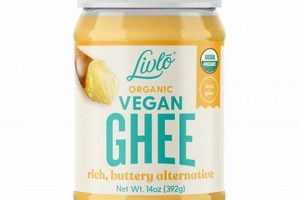
Dairy-free butter alternatives are typically formulated from plant-derived oils, such as coconut oil, palm oil, olive oil, or blends thereof. Emulsifiers, stabilizers, and flavorings are often incorporated to mimic the texture and taste of traditional butter. The specific ingredients vary depending on the brand and formulation, impacting the final product’s flavor profile and melting characteristics. For example, some dairy-free butters may contain added salt, while others are unsalted, necessitating adjustments in the seasoning process.
- Impact on Flavor and Texture
The choice of dairy-free butter significantly affects the flavor and texture of the resulting vegan butter popcorn. Coconut oil imparts a distinct coconut flavor, whereas olive oil contributes a more savory and slightly bitter note. Certain commercially available dairy-free butter alternatives aim to replicate the flavor of dairy butter more closely, often through the use of cultured plant-based ingredients or synthetic flavor compounds. The melting behavior of the chosen alternative also influences the coating consistency and overall texture of the popcorn.
- Nutritional Considerations
The nutritional profile of dairy-free butter differs from that of dairy butter, particularly in terms of saturated fat content, cholesterol levels, and vitamin composition. Many dairy-free butters are lower in saturated fat and cholesterol-free, potentially offering health benefits for individuals concerned about cardiovascular health. However, the overall nutritional value varies widely depending on the specific ingredients and processing methods used. Consumers should carefully review nutrition labels to make informed choices.
- Application and Usage Techniques
The application of dairy-free butter in the preparation of vegan butter popcorn requires careful consideration. Some dairy-free butters may scorch or burn more easily than dairy butter, necessitating lower cooking temperatures or shorter cooking times. Even distribution of the melted dairy-free butter over the popped kernels is crucial for achieving a consistent flavor. Techniques such as drizzling the butter over the popcorn in small increments or tossing the popcorn in a large bowl can ensure even coating.
In summary, the selection and proper utilization of dairy-free butter are critical determinants of the flavor, texture, nutritional value, and overall success of vegan butter popcorn. The diversity of available dairy-free options necessitates informed choices based on individual preferences and dietary considerations. This emphasizes the importance of understanding the specific characteristics of each alternative to achieve an optimal final product.
4. Flavor Enhancements

Flavor enhancements represent a critical aspect of crafting appealing vegan butter popcorn, compensating for the nuanced taste differences inherent in substituting traditional dairy butter with plant-based alternatives. Strategic use of seasonings and flavoring agents can significantly elevate the palatability of this snack.
- Salt and Savory Seasonings
Salt is a fundamental flavor enhancer, amplifying the perceived sweetness and masking any potential off-flavors from the plant-based butter. Beyond simple salt, savory seasonings such as garlic powder, onion powder, smoked paprika, and dried herbs can add layers of complexity. Example: A blend of sea salt, garlic powder, and smoked paprika offers a smoky, umami-rich profile, complementing the inherent taste of the popcorn. This approach broadens the consumer appeal of vegan butter popcorn.
- Nutritional Yeast and Cheesy Flavors
Nutritional yeast, a deactivated yeast with a nutty, cheesy flavor, is a common vegan ingredient used to mimic the taste of cheese. Its addition provides a savory, umami-rich dimension that enhances the overall flavor profile. Example: A light dusting of nutritional yeast imparts a subtle cheesy flavor, making the vegan butter popcorn more appealing to individuals accustomed to the taste of traditional buttered popcorn. Overuse, however, can result in a bitter aftertaste.
- Sweet Seasonings and Caramelization
Sweet seasonings, such as sugar, maple syrup, or agave nectar, can be incorporated to create a sweet-and-savory flavor combination. When heated, these sweeteners caramelize, adding depth and complexity to the popcorn. Example: A light coating of maple syrup, followed by baking at a low temperature, creates a slightly caramelized crust, adding a textural contrast to the fluffy popcorn. This requires precise temperature control to prevent burning.
- Spice Blends and Heat
The incorporation of spice blends, such as chili powder, cayenne pepper, or curry powder, introduces heat and complexity to vegan butter popcorn. The selection of spice blend should complement the base flavor profile of the popcorn and the plant-based butter. Example: A blend of chili powder, cumin, and coriander adds a smoky, spicy kick, creating a unique flavor experience. Careful consideration must be given to the heat level to avoid overpowering the other flavors.
These diverse flavor enhancements demonstrate the versatility of vegan butter popcorn, allowing for the creation of various taste profiles to cater to a wide range of preferences. Judicious use of these techniques elevates the snack beyond a simple substitute, transforming it into a flavorful and satisfying alternative to traditional buttered popcorn, making it attractive to both vegan and non-vegan consumers alike.
5. Nutritional Profile

The nutritional profile of vegan butter popcorn is a multifaceted consideration, directly impacting its suitability as a dietary component. An evaluation of its macronutrient composition, micronutrient content, and potential health implications is essential for informed consumption.
- Caloric Density and Portion Control
Vegan butter popcorn, like its traditional counterpart, possesses a significant caloric density primarily derived from fats and carbohydrates. Overconsumption can contribute to excess caloric intake, potentially leading to weight gain. A standard serving size warrants careful consideration to maintain a balanced dietary regimen. Portion control is critical in mitigating potential adverse effects associated with caloric overconsumption.
- Fat Composition and Source
The fat composition of vegan butter popcorn is heavily dependent on the type of plant-based butter substitute employed. Coconut oil, a common ingredient, is rich in saturated fats, while other alternatives, such as olive oil, offer a higher proportion of unsaturated fats. The source and type of fat influence the overall health impact, with unsaturated fats generally considered more beneficial for cardiovascular health. Consumers should scrutinize ingredient lists and nutritional information to assess the fat profile accurately.
- Sodium Content and Blood Pressure
The sodium content of vegan butter popcorn is frequently elevated due to the addition of salt as a flavor enhancer. Excessive sodium intake is linked to increased blood pressure and cardiovascular risks. Individuals with hypertension or those adhering to low-sodium diets should exercise caution and consider preparing homemade versions with reduced sodium levels. The potential impact on blood pressure necessitates careful monitoring and moderation.
- Fiber Content and Digestive Health
Popcorn kernels inherently contribute dietary fiber, which is beneficial for digestive health and promoting satiety. However, the overall fiber content of vegan butter popcorn may be diminished by processing methods or the addition of other ingredients. Adequate fiber intake is associated with improved bowel regularity and reduced risk of certain chronic diseases. Maximizing fiber content through the selection of whole-grain kernels and minimal processing is advisable.
The interplay of these nutritional facets underscores the importance of mindful consumption of vegan butter popcorn. While offering a plant-based alternative to a popular snack, it is crucial to consider its caloric density, fat composition, sodium content, and fiber levels within the context of a balanced diet. The health implications necessitate informed choices and moderation to mitigate potential adverse effects. Further investigation into the specific ingredients and preparation methods employed is encouraged to facilitate a comprehensive understanding of its nutritional attributes.
Frequently Asked Questions Regarding Vegan Butter Popcorn
The following questions address common inquiries and misconceptions surrounding this snack. The information provided aims to offer clarity and promote informed consumer choices.
Question 1: Is all popcorn inherently vegan?
No. While popcorn kernels themselves are plant-based, traditional buttered popcorn utilizes dairy-derived butter, rendering it non-vegan. The “vegan” designation specifically indicates the absence of animal products in all components, including the butter substitute.
Question 2: What are the typical ingredients in vegan butter substitutes for popcorn?
Common ingredients include plant-based oils such as coconut oil, olive oil, or palm oil, along with emulsifiers, stabilizers, and flavorings designed to mimic the taste and texture of dairy butter. The specific formulation varies among brands.
Question 3: Does vegan butter popcorn taste the same as traditional buttered popcorn?
The taste profile differs. Plant-based butter substitutes possess unique flavor characteristics that deviate from dairy butter. However, flavor enhancements such as salt, nutritional yeast, and other seasonings can be employed to create a palatable and enjoyable snack.
Question 4: Is vegan butter popcorn healthier than traditional buttered popcorn?
The health implications depend on the specific ingredients used. Some vegan butter substitutes may be lower in saturated fat and cholesterol than dairy butter, while others may contain high levels of sodium or processed oils. A careful review of nutritional information is necessary.
Question 5: Can vegan butter popcorn be prepared at home?
Yes. Homemade versions can be easily prepared using air-popped kernels and melted plant-based butter substitutes, allowing for greater control over ingredients and seasoning levels. Numerous recipes are available online.
Question 6: Where can vegan butter popcorn be purchased?
Commercially prepared vegan butter popcorn is available in many grocery stores, health food stores, and online retailers. The availability varies depending on location and store selection.
In summary, vegan butter popcorn provides a plant-based alternative to a popular snack, but its nutritional profile and taste characteristics depend heavily on the specific ingredients used. Informed choices and moderation are advisable.
The subsequent section will explore recipe suggestions and preparation techniques for homemade vegan butter popcorn.
Conclusion
This analysis has explored the key components of vegan butter popcorn, ranging from the necessity of plant-based alternatives and strategic kernel selection to the nuanced utilization of dairy-free butter substitutes and flavor enhancements. The nutritional profile, a crucial determinant of dietary suitability, demands careful consideration to ensure responsible consumption.
Ultimately, the rise of vegan butter popcorn reflects an evolving landscape of dietary preferences and ethical considerations within the food industry. Its continued relevance hinges on sustained innovation in plant-based ingredient technology and a commitment to transparent nutritional labeling. Responsible consumption, informed by a thorough understanding of its constituents, will determine its long-term place in the snack food market.