This dish replicates a classic comfort food, traditionally made with dairy cheese and eggs, using plant-based ingredients. The core elements involve broccoli florets, a creamy sauce typically derived from nuts, vegetables, or plant-based cheese alternatives, and a topping that may include breadcrumbs or other crunchy elements. The result is a baked dish that seeks to emulate the flavor and texture of its non-vegan counterpart, offering a dairy-free and egg-free alternative.
Plant-based versions of this casserole offer several potential advantages. They cater to individuals following vegan diets or those with lactose intolerance or dairy allergies. The use of plant-based ingredients can also contribute to a lower cholesterol and saturated fat content compared to traditional recipes. Furthermore, these dishes align with growing interest in sustainable and ethical food choices, reducing reliance on animal products.
The following sections will explore various aspects of this dish, including ingredient substitutions, preparation techniques, and nutritional considerations. The aim is to provide a thorough understanding of how to create a successful and satisfying plant-based version of this well-loved recipe.
Tips for an Excellent Result
Achieving a flavorful and texturally pleasing plant-based casserole requires careful attention to ingredient selection and preparation. The following tips are designed to guide the process.
Tip 1: Select High-Quality Plant-Based Cheese Alternatives: The choice of vegan cheese significantly impacts the overall flavor. Experiment with various brands and types (e.g., cashew-based, tapioca-based) to find one that melts well and complements the broccoli.
Tip 2: Properly Cook the Broccoli: Overcooked broccoli becomes mushy, while undercooked broccoli is too firm. Lightly steam or blanch the broccoli until it is tender-crisp. This ensures a pleasant texture in the final dish.
Tip 3: Create a Rich and Creamy Sauce: The sauce is crucial for binding the ingredients. Consider using a base of blended cashews, soaked and drained, or a combination of plant-based milk and nutritional yeast for a cheesy flavor.
Tip 4: Season Generously: Plant-based dishes often require more seasoning than their dairy-based counterparts. Taste the sauce frequently and adjust seasonings such as garlic powder, onion powder, smoked paprika, salt, and pepper accordingly.
Tip 5: Incorporate Textural Contrast: A crunchy topping enhances the overall experience. Consider using breadcrumbs, crushed crackers, or toasted nuts to add a satisfying textural element.
Tip 6: Consider Pre-Baking the Topping: To ensure the topping becomes golden brown and crisp, it may be beneficial to pre-bake it for a few minutes before adding it to the casserole.
Tip 7: Allow the Casserole to Rest: After baking, let the casserole sit for 10-15 minutes before serving. This allows the sauce to thicken slightly and the flavors to meld together.
By implementing these suggestions, one can significantly improve the likelihood of producing a plant-based casserole that is both flavorful and texturally appealing.
The subsequent sections will delve into variations and potential modifications of this recipe.
1. Texture

The success of any “vegan broccoli cheese casserole” hinges significantly on texture. The interplay between soft, yielding elements and structural integrity is paramount to replicating the satisfying mouthfeel of the traditional dairy-based dish. Broccoli, for instance, must be cooked to a point of tenderness that avoids both excessive mushiness and unwelcome crunch. Overcooking transforms the florets into an undesirable paste, while undercooking renders them difficult to chew and compromises the overall cohesiveness. The sauce, similarly, requires a careful balance. It should be creamy and enveloping, providing a luxurious coating to the broccoli, yet not so thin as to become watery or so thick as to become gluey. A well-executed casserole presents a harmonious blend of these textural components.
Consider the impact of textural contrast. A uniform texture, even if individually pleasing, can lead to a monotonous eating experience. The introduction of a crispy topping, such as toasted breadcrumbs or crumbled crackers, provides a critical counterpoint to the softness of the broccoli and sauce. This textural divergence stimulates the palate and enhances the perceived complexity of the dish. Without this contrast, the casserole risks becoming one-dimensional and less appealing. Real-life examples of successful recipes consistently highlight the inclusion of a crunchy element, demonstrating its practical significance. Conversely, failures often stem from a lack of attention to this textural nuance.
In conclusion, texture represents a critical, though often subtle, aspect of “vegan broccoli cheese casserole” construction. The careful manipulation of individual components, combined with the strategic introduction of contrasting elements, directly impacts the overall satisfaction derived from the dish. Achieving this textural balance presents a continuous challenge, demanding precision in both ingredient preparation and final assembly. Mastering this facet is essential for creating a truly compelling plant-based alternative.
2. Flavor

Flavor is a fundamental determinant of the success or failure of any culinary creation, and “vegan broccoli cheese casserole” is no exception. The absence of traditional dairy cheese presents a unique challenge in replicating the savory, umami-rich profile characteristic of conventional versions. Achieving a desirable flavor requires careful consideration of plant-based cheese alternatives, seasoning techniques, and ingredient pairings. The flavor of the dish is directly influenced by the specific plant-based cheese used, as each variety (e.g., cashew-based, almond-based, coconut-based) possesses a distinct taste. Proper seasoning, including the strategic use of nutritional yeast, garlic powder, onion powder, and smoked paprika, is critical for amplifying the cheesy and savory notes.
The interaction between the broccoli and the sauce is also crucial for generating a balanced flavor profile. The slightly bitter taste of broccoli needs to be complemented and rounded out by the creamy, savory sauce. For instance, a sauce that is overly sweet or lacks sufficient salt can create an unpleasant flavor clash. Furthermore, the method of broccoli preparation impacts its final flavor. Steaming or roasting the broccoli before incorporating it into the casserole can enhance its natural sweetness and reduce its bitterness, resulting in a more harmonious blend of flavors. Successful recipes often employ a combination of techniques, such as caramelizing onions or adding a touch of Dijon mustard to the sauce, to further develop and deepen the overall flavor profile. A practical demonstration of flavor’s impact can be seen in recipe reviews: positive feedback invariably highlights well-balanced, robust flavors, while negative reviews frequently cite blandness or off-putting tastes.
In summation, flavor represents a cornerstone of a successful “vegan broccoli cheese casserole.” The deliberate selection of ingredients, the strategic application of seasonings, and the thoughtful preparation of individual components all contribute to the overall flavor experience. Replicating the desired cheesy and savory profile without dairy demands a nuanced understanding of plant-based flavor interactions. Mastering this flavor dynamic is crucial for producing a casserole that is not only ethically sound but also gastronomically satisfying. Challenges remain in consistently achieving a flavor comparable to the traditional dish, necessitating ongoing experimentation and refinement of recipes.
3. Ingredients

The composition of “vegan broccoli cheese casserole” is fundamentally defined by its ingredients. The selection of each component dictates the dish’s overall flavor profile, texture, nutritional content, and suitability for individuals adhering to a vegan lifestyle. Traditional recipes rely heavily on dairy-based cheese, cream, and butter, ingredients explicitly excluded from plant-based versions. The success of the substitute version rests upon the strategic employment of plant-derived alternatives that mimic the functionality and sensory characteristics of their animal-based counterparts. Broccoli, the primary vegetable component, introduces both nutritional value and textural substance. The quality and preparation of the broccoli directly influence the final outcome. For instance, using fresh versus frozen broccoli alters both texture and flavor. The sauce, which provides a creamy and cheesy base, typically relies on ingredients such as cashews, nutritional yeast, plant-based milk, and vegetable broth. These ingredients, when combined, attempt to replicate the richness and umami of traditional cheese sauces. The absence of any single key ingredient can significantly compromise the final product, resulting in a dish that lacks the desired flavor, texture, or nutritional balance.
Ingredient interactions are also critical. For example, the acidity of lemon juice or Dijon mustard can enhance the “cheesy” flavor of nutritional yeast, while smoked paprika can contribute a depth of flavor reminiscent of aged cheddar. Furthermore, the ratios of ingredients are paramount. An excessive amount of plant-based milk can result in a watery sauce, while insufficient nutritional yeast can yield a bland flavor. Real-life examples demonstrate the practical significance of ingredient selection. Recipes employing high-quality cashews and carefully balanced seasonings consistently receive higher ratings compared to those using lower-quality or improperly proportioned ingredients. The growing availability of plant-based cheese alternatives allows for greater experimentation and customization, enabling individuals to tailor the dish to their specific preferences and dietary requirements.
In conclusion, ingredients are not merely components of “vegan broccoli cheese casserole” but rather the very building blocks that determine its success. The strategic selection, proper preparation, and careful balancing of these ingredients are essential for achieving a dish that replicates the flavor and texture of its traditional counterpart while adhering to vegan principles. The availability and quality of plant-based alternatives continue to evolve, presenting both opportunities and challenges in the ongoing pursuit of the perfect plant-based casserole. Addressing the ingredient component effectively is critical for those aiming to produce a satisfying, compassionate meal.
4. Preparation

The creation of a palatable “vegan broccoli cheese casserole” is inextricably linked to the preparation techniques employed. Each step, from ingredient selection to final baking, significantly impacts the dish’s overall texture, flavor, and visual appeal. Improper preparation at any stage can undermine the quality of even the finest ingredients, resulting in an unappetizing outcome. For instance, overcooked broccoli loses its structural integrity, becoming mushy and detracting from the textural contrast that is crucial to the dish’s success. Similarly, an inadequately blended sauce can lack the smoothness and creaminess expected of a traditional cheese casserole. Consider the impact of browning: a well-browned topping adds visual appeal and a desirable crispness, while an under-browned topping remains pale and unappetizing. Real-world examples consistently demonstrate that recipes emphasizing meticulous preparation yield superior results, as evidenced by positive reviews and repeat attempts. Conversely, recipes that gloss over preparation details often lead to disappointment.
Detailed preparation extends beyond simply following a recipe. It involves understanding the underlying principles of each step. For example, soaking cashews before blending them for the sauce softens them, facilitating a smoother and creamier texture. Roasting the broccoli before incorporating it into the casserole can intensify its flavor and reduce its bitterness. Toasting breadcrumbs before adding them to the topping can prevent them from becoming soggy during baking. Careful attention to these nuances elevates the dish from a mere collection of ingredients to a cohesive and satisfying meal. Practical applications of these techniques are readily apparent in online recipe demonstrations, where skilled chefs showcase the impact of each step on the final product. Understanding these preparatory steps empowers individuals to troubleshoot potential issues and adapt recipes to their specific needs and preferences.
In summary, preparation is not merely a procedural formality but a critical determinant of the quality of “vegan broccoli cheese casserole.” The execution of each step, from ingredient handling to baking, directly affects the dish’s sensory attributes and overall satisfaction. A meticulous approach to preparation, grounded in an understanding of the underlying principles, is essential for achieving a consistently delicious and visually appealing plant-based alternative. While challenges remain in replicating the exact characteristics of traditional cheese casseroles, a focus on preparation allows for continuous refinement and improvement, bringing this comfort food staple within reach for those following a vegan lifestyle.
5. Nutrition
The nutritional profile of “vegan broccoli cheese casserole” deviates significantly from its traditional, dairy-laden counterpart. The shift to plant-based ingredients introduces a cascade of effects, altering the macronutrient and micronutrient composition. The absence of dairy reduces saturated fat and cholesterol content, potentially mitigating risks associated with cardiovascular disease. Conversely, the substitution of plant-based cheeses, often derived from nuts or seeds, can increase unsaturated fat content, contributing to a healthier lipid profile. The inclusion of broccoli, irrespective of the dish’s vegan status, provides essential vitamins, minerals, and fiber, promoting digestive health and overall well-being. The nutritional value hinges substantially on the specific ingredients employed. For instance, a casserole utilizing whole, unprocessed cashews as the base for the cheese sauce offers a superior nutritional profile compared to one relying on highly processed vegan cheese alternatives that may contain added sugars, sodium, or artificial ingredients.
A practical application of this understanding lies in the ability to tailor the recipe to meet specific dietary needs. Individuals seeking to minimize sodium intake can select low-sodium plant-based cheeses or reduce the amount of added salt. Those aiming to increase protein content can incorporate ingredients such as tofu or lentils into the sauce. The flexibility inherent in plant-based cooking allows for a degree of nutritional customization not readily achievable with traditional recipes. Real-life examples demonstrate the benefits of this approach: individuals with lactose intolerance can enjoy a comforting casserole without digestive distress, while those seeking to reduce their carbon footprint can opt for plant-based ingredients that have a lower environmental impact. The growing awareness of the link between diet and health has fueled interest in plant-based alternatives, driving innovation in the development of nutritionally optimized vegan cheese substitutes.
In summary, the nutritional landscape of “vegan broccoli cheese casserole” is shaped by the transition from animal-derived to plant-derived ingredients. The resulting changes in macronutrient and micronutrient composition offer potential health advantages, including reduced saturated fat and increased fiber content. The ability to customize the recipe to meet individual dietary requirements underscores the practical significance of understanding the nutritional implications of ingredient choices. Challenges remain in replicating the exact flavor and texture of traditional cheese casseroles without compromising nutritional integrity. However, the ongoing refinement of plant-based ingredients and recipes promises to further enhance the nutritional value and palatability of this plant-based alternative, aligning with broader trends toward healthier and more sustainable dietary patterns.
6. Presentation

Presentation significantly impacts the perceived quality and desirability of “vegan broccoli cheese casserole.” Visual appeal influences initial impressions and can directly affect palatability, even before the first bite. A well-presented casserole evokes a sense of care and attention to detail, suggesting a higher level of culinary competence. Conversely, a poorly presented casserole may create a negative bias, regardless of its actual taste. Cause and effect are demonstrably linked: a golden-brown, evenly crisped topping, achieved through careful baking and ingredient arrangement, creates a visually appealing surface that signals deliciousness. Uneven browning, sparse topping coverage, or a watery appearance detract from the overall impression. The layering of ingredients and the strategic placement of garnishes contribute to the dish’s aesthetic appeal.
Practical examples illustrate the importance of presentation. Consider two identical casseroles in terms of ingredients and taste. One is served in a rustic, unadorned baking dish with a haphazardly arranged topping. The other is presented in an attractive casserole dish with a uniformly browned topping, garnished with freshly chopped herbs. The latter is likely to be perceived as more appealing and of higher quality, despite the identical taste. Furthermore, the serving method influences presentation. A neatly portioned slice, carefully placed on a plate, creates a more positive dining experience than a messy, uneven scoop. The choice of serving dish, the arrangement of accompanying side dishes, and even the lighting in the dining environment all contribute to the overall presentation.
In conclusion, presentation is not merely a superficial aspect of “vegan broccoli cheese casserole” but an integral component that influences perception and enjoyment. A visually appealing casserole enhances the dining experience, signaling quality and care. While taste remains paramount, a thoughtful approach to presentation elevates the dish, creating a more satisfying and memorable meal. Addressing presentation challenges requires attention to detail, from ingredient arrangement to serving techniques, ultimately contributing to the overall success of the plant-based creation.
Frequently Asked Questions About Vegan Broccoli Cheese Casserole
This section addresses common inquiries and misconceptions regarding the preparation and consumption of a plant-based rendition of the classic broccoli cheese casserole.
Question 1: What are the primary plant-based substitutes for cheese in this dish?
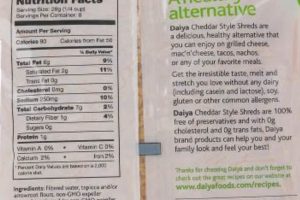
Common alternatives include cashew-based cheese sauces, nutritional yeast-based sauces, and commercially available vegan cheese shreds. The choice depends on desired flavor and texture profiles.
Question 2: How can the “cheesy” flavor be enhanced without using dairy?
Nutritional yeast is a key ingredient, providing an umami flavor similar to cheese. Other flavor enhancers include garlic powder, onion powder, smoked paprika, and a touch of Dijon mustard.
Question 3: Can frozen broccoli be used in place of fresh broccoli?
Yes, frozen broccoli can be used, but it may result in a softer texture. Thawing and draining excess moisture from the frozen broccoli before use is recommended.
Question 4: How can the casserole be made gluten-free?
Gluten-free breadcrumbs or crushed gluten-free crackers can be used for the topping. Ensure all other ingredients are certified gluten-free.
Question 5: Is vegan broccoli cheese casserole nutritionally equivalent to its dairy-based counterpart?
The nutritional profiles differ. The plant-based version typically contains less saturated fat and cholesterol but may have a different balance of other nutrients. Reviewing the specific ingredient list is essential.
Question 6: How long will vegan broccoli cheese casserole last in the refrigerator?
Properly stored in an airtight container, the casserole should remain palatable for 3-4 days. It is essential to ensure the casserole is cooled completely before refrigeration.
The information provided aims to clarify common points of confusion and facilitate a more informed approach to preparing and enjoying this plant-based dish.
The following section will explore variations and advanced techniques for enhancing the vegan broccoli cheese casserole experience.
In Conclusion
The preceding analysis has detailed various aspects of crafting a satisfying “vegan broccoli cheese casserole.” From the strategic selection of plant-based ingredients to the nuanced application of preparation techniques, each element contributes significantly to the final product. The discussion encompassed textural considerations, flavor enhancements, nutritional implications, and presentation strategies, providing a comprehensive overview of the dish’s complexities.
Continued exploration and refinement of plant-based recipes remain essential. The ongoing pursuit of sustainable and ethical food choices necessitates innovative approaches to recreating traditional comfort foods. The information presented serves as a foundation for further experimentation and adaptation, encouraging individuals to embrace the challenges and opportunities inherent in plant-based cuisine. The future of food lies in informed choices and creative execution.