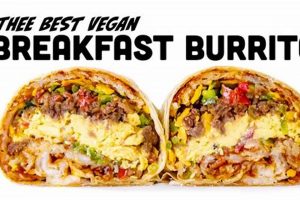
Preparation of plant-based morning meals in advance represents a strategic approach to nutrition and time management. Examples include overnight oats, chia seed puddings, breakfast burritos, and baked breakfast casseroles, all formulated without animal products. These options offer convenience for individuals with busy schedules who prioritize a healthy and ethical start to the day.
Such preparation offers numerous advantages. It facilitates adherence to dietary commitments, reduces the likelihood of impulsive food choices, and streamlines morning routines. Historically, preparing food ahead of time has been a common practice across cultures, reflecting an understanding of resource management and efficient use of time. This contemporary adaptation caters to modern lifestyles while aligning with values of sustainability and animal welfare.
The following sections will explore diverse recipe ideas, storage techniques, and nutritional considerations for creating optimal plant-based morning meals that can be prepared in advance. This will provide a practical guide for individuals seeking to integrate this method into their daily lives.
Optimizing Advance Preparation of Plant-Based Morning Meals
The following guidance aims to refine the process of pre-preparing plant-based morning meals, ensuring both nutritional adequacy and long-term palatability.
Tip 1: Ingredient Selection for Longevity: Prioritize ingredients known for their stability and resistance to degradation. For instance, opt for frozen fruits over fresh when blending smoothies for later consumption, as freezing inhibits enzymatic activity and preserves nutrients. Consider using firm tofu in scrambles, as it maintains its texture better than softer varieties after storage and reheating.
Tip 2: Precise Portioning for Calorie Control: Pre-portioning meals into individual containers helps regulate caloric intake and prevent overconsumption. This is especially crucial for recipes with high calorie density, such as nut butter-based items. Employ standardized measuring tools to ensure consistent portion sizes across all prepared meals.
Tip 3: Strategic Layering to Prevent Sogging: When assembling parfaits or jars, layer ingredients strategically to prevent moisture migration. Place drier components, such as granola or nuts, above wetter elements like yogurt or fruit purees. This technique helps maintain textural integrity and prevents undesirable softening.
Tip 4: Proper Cooling Before Storage: Allow all prepared meals to cool completely to room temperature before sealing and refrigerating. This step prevents condensation from forming inside the storage container, which can promote bacterial growth and negatively impact flavor and texture.
Tip 5: Optimizing Storage Containers for Freshness: Utilize airtight containers constructed from glass or BPA-free plastic. Ensure a secure seal to minimize exposure to air and prevent oxidation. Label each container clearly with the date of preparation to facilitate proper consumption within safe storage guidelines.
Tip 6: Temperature Considerations for Reheating: Reheat prepared meals thoroughly to a safe internal temperature. When using a microwave, ensure even heating by stirring or rotating the container periodically. For oven reheating, maintain a moderate temperature to prevent excessive drying or burning.
Tip 7: Advance Planning and Recipe Rotation: Create a weekly meal plan to introduce variety and avoid monotony. Rotate recipes regularly to ensure a diverse range of nutrients and prevent taste fatigue. This strategy promotes long-term adherence to plant-based dietary habits.
Adhering to these recommendations will promote efficient preparation, optimal preservation, and enhanced enjoyment of plant-based morning meals prepared in advance. The focus on ingredient selection, storage practices, and heating considerations ensures both nutritional value and culinary satisfaction.
The subsequent sections will delve into specific recipe ideas, showcasing the versatility and practicality of this approach to plant-based breakfast preparation.
1. Time Efficiency

Time efficiency constitutes a primary driver for adopting advanced preparation strategies for plant-based morning meals. Modern lifestyles frequently necessitate streamlined routines, making pre-prepared meals a valuable tool for individuals prioritizing both health and efficiency.
- Reduced Morning Preparation Time
Pre-preparing plant-based breakfasts significantly diminishes the time spent on meal preparation during the morning hours. Instead of allocating 20-30 minutes to cooking, individuals can retrieve a pre-made meal from refrigeration, saving valuable time that can be allocated to other tasks. This reduction in morning workload contributes to a less stressful and more productive start to the day.
- Minimized Daily Decision Fatigue
Pre-planning and preparing plant-based breakfasts eliminates the need to make decisions about what to eat each morning. This reduces “decision fatigue,” a cognitive phenomenon where repeated decision-making throughout the day depletes mental resources. By pre-selecting and preparing meals, individuals conserve mental energy for more demanding tasks.
- Enhanced Consistency in Dietary Choices
Advance preparation promotes consistency in adhering to plant-based dietary goals. By having pre-portioned and readily available meals, individuals are less likely to deviate from their planned diet due to time constraints or lack of immediate options. This consistency is crucial for realizing the long-term health benefits associated with plant-based nutrition.
- Streamlined Grocery Shopping and Meal Planning
Preparing meals ahead of time necessitates strategic grocery shopping and meal planning. This structured approach reduces impulse purchases and waste by ensuring that all ingredients are utilized efficiently. Moreover, advanced planning allows for optimizing the use of seasonal produce, further enhancing both nutritional value and cost-effectiveness.
The interconnected benefits of reduced preparation time, minimized decision fatigue, enhanced dietary consistency, and streamlined planning collectively underscore the role of time efficiency in supporting the practical implementation of plant-based dietary patterns. By leveraging preparation techniques, individuals can seamlessly integrate nutritious and convenient breakfast options into their daily routines.
2. Nutritional Adequacy

Nutritional adequacy represents a critical consideration when implementing a strategy centered around preparing plant-based morning meals in advance. Due to potential variations in nutrient profiles among plant-based ingredients, careful planning is necessary to ensure that pre-prepared breakfasts provide a balanced intake of macronutrients (protein, carbohydrates, and fats) and micronutrients (vitamins and minerals). A poorly planned make-ahead vegan breakfast, for instance, could lack sufficient protein or essential vitamins like B12 and D, nutrients often obtained from animal products. The inherent nature of this food preparation methodology necessitates a heightened awareness of potential nutrient gaps, which could lead to deficiencies if not addressed proactively.
One method to address nutritional adequacy in pre-prepared vegan breakfasts is through strategic ingredient combinations. For example, incorporating a variety of nuts and seeds (e.g., chia seeds, flax seeds, walnuts) into overnight oats or breakfast smoothies provides essential omega-3 fatty acids, fiber, and protein. Including fortified plant-based milks in recipes can address calcium and vitamin D deficiencies. Furthermore, carefully considering portion sizes and including a diverse range of fruits and vegetables ensures an adequate intake of vitamins and minerals. Regular assessment of recipes against established nutritional guidelines becomes essential to identify and rectify potential imbalances.
Maintaining nutritional adequacy within a make-ahead plant-based breakfast framework requires a proactive and informed approach. By meticulously planning recipes, diversifying ingredients, and incorporating fortified foods, individuals can mitigate the risk of nutrient deficiencies. Emphasizing this aspect ensures that pre-prepared plant-based breakfasts not only offer convenience but also contribute effectively to overall health and well-being. Over time it can improve consistency with dietary standards.
3. Ingredient Freshness

The longevity and palatability of plant-based morning meals prepared in advance are directly contingent upon the initial freshness of their constituent ingredients. Degradation in ingredient quality directly impacts the nutritional value, taste, and safety of the final product.
- Impact on Nutrient Retention
Deterioration in ingredient freshness leads to a reduction in nutrient content. Vitamins, particularly water-soluble vitamins like Vitamin C and B vitamins, are susceptible to degradation over time, especially when exposed to light, heat, and air. Utilizing fresh produce and properly storing prepared meals mitigates nutrient loss, ensuring the pre-made breakfast retains a substantial portion of its original nutritional profile.
- Effect on Flavor and Texture
The flavor profile of plant-based meals is significantly affected by the freshness of the components. Wilting vegetables, overripe fruits, or stale grains impart undesirable tastes and textures to the prepared meal. Employing high-quality, fresh ingredients at the outset maintains the desired sensory characteristics of the breakfast, enhancing its overall appeal.
- Influence on Food Safety
Compromised ingredient freshness increases the risk of microbial contamination and spoilage. Bacteria and mold thrive on decaying organic matter, potentially leading to foodborne illnesses. Using fresh, properly stored ingredients and adhering to safe food handling practices minimizes the risk of contamination in make-ahead meals.
- Direct correlation with optimal storage duration
Ingredient freshness correlates directly to the duration which prepared plant-based meals retain edibility and nutritional density. Meals constructed using ingredients nearing the expiration date will not maintain quality as long as those prepared with just-purchased items. Advance planning for grocery purchasing becomes essential.
Therefore, careful attention to ingredient sourcing and storage practices is essential for maintaining the quality and safety of plant-based breakfasts prepared in advance. Prioritizing fresh produce, adhering to proper storage guidelines, and consuming meals within recommended timeframes is crucial for maximizing the benefits of this method.
4. Storage Optimization

Storage optimization is a critical component in the effective implementation of strategies for preparing plant-based morning meals in advance. The longevity, safety, and palatability of pre-prepared vegan breakfasts are directly influenced by the storage methods employed.
- Airtight Container Selection
The choice of storage containers is paramount. Airtight containers constructed from glass or BPA-free plastic minimize exposure to oxygen, which degrades flavor, texture, and nutrient content. Vacuum-sealed containers represent an advanced approach, further reducing oxidation rates. Proper sealing prevents moisture ingress, inhibiting microbial growth and maintaining freshness. For example, storing overnight oats in a mason jar with a tight-fitting lid preserves the texture and flavor profile for several days.
- Temperature Control
Maintaining consistent refrigeration temperatures is crucial. The ideal range for preserving pre-prepared vegan breakfasts is between 34F and 40F (1C and 4C). Fluctuations in temperature accelerate spoilage. Placing prepared meals in the coldest part of the refrigerator, typically the lower shelves, helps ensure optimal preservation. Monitoring refrigerator temperature with a thermometer assists in maintaining this critical parameter.
- Layering Techniques
For multi-component breakfasts like parfaits or breakfast jars, employing layering techniques prevents moisture migration and maintains textural integrity. Placing drier elements, such as granola or nuts, above wetter components, like yogurt or fruit purees, inhibits sogginess. Similarly, separating components that emit strong odors, such as onions, from more delicate elements, like berries, prevents flavor transfer.
- Freezing Considerations
Freezing extends the shelf life of certain plant-based breakfast components and entire meals. Smoothies, breakfast burritos, and baked items can be frozen for several weeks or months without significant degradation. Rapid freezing minimizes ice crystal formation, which can damage cell structure and alter texture. Thawing gradually in the refrigerator prevents bacterial growth. Not all components freeze well; for example, lettuce and some raw vegetables become limp and watery upon thawing.
Effective storage optimization not only extends the usable lifespan of prepared plant-based breakfasts but also contributes to enhanced food safety and nutritional retention. Strategic container selection, temperature management, layering, and informed freezing practices are essential for realizing the full benefits of advance meal preparation. The techniques mentioned play an important part in food safety practices.
5. Recipe Variety
The sustained efficacy of any strategy involving preparing plant-based morning meals in advance hinges directly upon recipe variety. A limited repertoire of breakfast options inevitably leads to taste fatigue, diminishing adherence to the dietary plan and potentially undermining long-term nutritional goals. Monotony in meal selection increases the likelihood of seeking alternative, less healthy options, negating the benefits of advance preparation.
A diverse range of make-ahead plant-based breakfast recipes addresses this challenge through several mechanisms. Firstly, it introduces a spectrum of flavors and textures, maintaining culinary interest and preventing palate boredom. For instance, alternating between sweet (e.g., overnight oats with berries and nuts) and savory (e.g., tofu scramble breakfast burritos) options provides sensory stimulation. Secondly, a broad array of recipes ensures a more comprehensive intake of essential nutrients. Each plant-based ingredient contributes a unique profile of vitamins, minerals, and antioxidants; a diverse selection maximizes the nutritional spectrum. Finally, recipe variety allows for adapting meals to seasonal availability of produce, further enhancing flavor and nutritional value. The implementation of a rotational system becomes viable with recipe diversity.
Therefore, a commitment to recipe variety is not merely a matter of culinary preference but a strategic imperative for successful implementation of make-ahead plant-based breakfast strategies. By proactively expanding the range of options, individuals enhance adherence, optimize nutritional intake, and maintain long-term satisfaction with their dietary choices. Neglecting this key aspect undermines the value proposition of advance preparation, potentially leading to dietary attrition.
Frequently Asked Questions Regarding Vegan Breakfast Make Ahead
The following addresses common queries pertaining to the preparation, storage, and nutritional aspects of plant-based morning meals intended for advance consumption.
Question 1: What is the typical shelf life of vegan breakfast make-ahead meals stored in the refrigerator?
The duration for which plant-based morning meals remain safely consumable and palatable varies depending on ingredients and storage practices. Generally, meals stored in airtight containers at temperatures between 34F (1C) and 40F (4C) maintain optimal quality for 3 to 5 days. Meals containing cooked grains and some vegetables might last longer, while those with fresh fruits or delicate greens have a shorter shelf life. Careful assessment of appearance, odor, and texture before consumption is advised.
Question 2: Can all vegan breakfast recipes be effectively prepared in advance?
Not all recipes lend themselves equally well to advance preparation. Dishes relying heavily on crisp textures or delicate ingredients, such as salads or freshly toasted bread, degrade in quality upon storage. Recipes featuring sturdier components, such as overnight oats, chia seed puddings, breakfast burritos, or baked casseroles, are better suited for advance preparation. Careful recipe selection is essential for optimizing the final product.
Question 3: How can nutrient loss be minimized when preparing vegan breakfasts in advance?
Nutrient retention is optimized through several strategies. Minimizing exposure to air, light, and heat reduces vitamin degradation. Employing airtight containers, storing meals in the refrigerators dark compartments, and avoiding prolonged reheating times preserves nutrient content. Furthermore, incorporating a variety of fresh and minimally processed ingredients provides a broader spectrum of vitamins and minerals. Consuming meals within recommended storage timelines also reduces nutrient loss.
Question 4: What are the best types of containers for storing vegan breakfast make-ahead meals?
Airtight containers made from glass or BPA-free plastic are optimal for storing plant-based morning meals. Glass containers are non-reactive and prevent flavor absorption, while BPA-free plastic containers offer durability and lightweight convenience. The container should seal tightly to minimize air exposure and prevent moisture loss, thus preserving flavor and texture. Vacuum sealed containers offer further protection.
Question 5: How should vegan breakfast make-ahead meals be reheated to ensure safety and palatability?
Reheating plant-based morning meals to an internal temperature of 165F (74C) ensures food safety. Microwaving requires intermittent stirring or rotating the container for uniform heating. Oven reheating at moderate temperatures prevents drying and burning. Stovetop reheating necessitates constant stirring to avoid scorching. Thoroughly heating meals and ensuring they reach a safe temperature is crucial to avoid food-borne illness.
Question 6: Is freezing a viable option for extending the shelf life of vegan breakfast make-ahead meals?
Freezing is a viable method for extending the shelf life of certain plant-based morning meals. Smoothies, breakfast burritos, and baked goods freeze effectively. However, components such as raw leafy greens or water-rich fruits may not retain their texture after thawing. Rapid freezing and proper packaging in airtight containers minimize ice crystal formation and preserve quality. Thawing in the refrigerator prevents bacterial growth. Proper selection of freezing compatible ingredients is key.
The effective implementation of the aforementioned guidelines supports the safe, convenient, and nutritionally sound preparation of plant-based morning meals for advance consumption.
The subsequent content explores specific recipe ideas tailored for successful make-ahead vegan breakfasts.
Conclusion
The preceding exploration of vegan breakfast make ahead has illuminated critical facets of this practice. Optimal execution necessitates careful attention to ingredient selection, storage techniques, recipe diversification, and awareness of potential nutritional considerations. Successful implementation yields tangible benefits, including enhanced time efficiency, improved adherence to plant-based dietary patterns, and the promotion of consistent nutritional intake.
The information presented serves as a foundation for informed decision-making. The consistent application of these principles provides a pathway toward streamlining morning routines and achieving long-term adherence to dietary commitments. Further refinement and individual adaptation will continue to enhance the efficacy of vegan breakfast make ahead in promoting both convenience and nutritional well-being.