The creation of plant-based bread pudding involves adapting traditional formulations to exclude animal-derived ingredients such as eggs and dairy. This necessitates the use of plant-based milk alternatives, egg replacers, and vegan-friendly bread, transforming a classic dessert into a dish suitable for those adhering to a vegan lifestyle. This culinary adaptation focuses on replicating the texture and flavor profile of the original while adhering to ethical dietary restrictions.
The growing interest in plant-based diets has fueled the popularity of these modified desserts. These recipes offer a compassionate and environmentally conscious alternative to traditional bread pudding, while simultaneously providing a comforting and satisfying dessert option. Historically, bread pudding served as a method for utilizing leftover bread, and the vegan version retains this resourcefulness while aligning with modern dietary preferences and environmental concerns.
Consequently, the discussion will now explore various techniques for preparing this plant-based dessert, outlining common ingredients, preparation methods, and variations that cater to diverse palates and dietary needs, highlighting approaches to achieve optimal flavor and texture.
Essential Vegan Bread Pudding Preparation Guidance
Achieving optimal results in the preparation of plant-based bread pudding requires attention to specific techniques. The following guidelines provide a framework for successful execution.
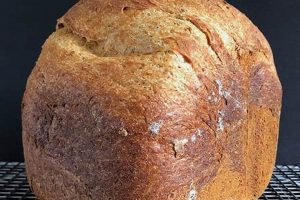
Tip 1: Select Appropriate Bread: Stale bread, ideally a day or two old, is essential for effective absorption of the custard. Hearty breads, such as challah-style vegan loaves or brioche-style vegan loaves, yield a superior texture compared to softer varieties.
Tip 2: Utilize Plant-Based Milk with High Fat Content: Employing plant-based milks like full-fat coconut milk or cashew milk will enhance the richness and creaminess of the custard. Avoid thinner options, such as rice milk, which may result in a watery consistency.
Tip 3: Incorporate Starch for Binding: Adding a small amount of cornstarch or tapioca starch to the custard aids in thickening and provides structure, compensating for the absence of eggs.
Tip 4: Optimize Sweetener Selection: Maple syrup, agave nectar, or coconut sugar offer suitable alternatives to refined sugar. The choice of sweetener can influence the final flavor profile; maple syrup, for example, imparts a distinct caramel-like note.
Tip 5: Ensure Adequate Soaking Time: Allow the bread to soak in the custard mixture for a minimum of 30 minutes, or preferably longer, to ensure thorough saturation. This process is critical for achieving a moist and tender final product.
Tip 6: Implement a Water Bath (Bain-Marie): Baking the bread pudding in a water bath promotes even cooking and prevents the edges from drying out or becoming overly crusty. This technique results in a more uniformly textured dessert.
Tip 7: Control Baking Temperature: Bake at a moderate temperature (around 325F or 160C) to prevent the custard from curdling or the bread from becoming overly dry. Monitor the baking process closely.
By adhering to these guidelines, it becomes feasible to produce a flavorful and texturally satisfying plant-based bread pudding that closely mimics the traditional version.
The subsequent section will address common variations and flavor additions, expanding upon the foundational techniques outlined above.
1. Bread Selection

The choice of bread fundamentally dictates the texture and structural integrity of vegan bread pudding. Bread serves as the primary solid component, influencing the dish’s overall consistency and its capacity to absorb the custard mixture. Different bread types possess varying densities, crumb structures, and moisture levels, each contributing distinctly to the final product. For instance, a dense, sturdy bread like vegan challah or brioche will maintain its shape and provide a substantial bite, while a softer, airier bread may disintegrate during the soaking and baking processes, resulting in a mushy texture. Therefore, the initial selection is crucial for achieving the desired outcome in plant-based bread pudding.
Examples illustrating the impact of bread selection are readily apparent. Using a gluten-free bread with a high proportion of starch can lead to a gummy or overly dense product, as the starch absorbs excessive moisture and lacks the gluten network found in traditional bread to provide structure. Conversely, day-old baguettes or sourdough, when veganized, offer a chewy texture that complements the soft custard, contributing a pleasant contrast. The absorbency of the bread directly impacts the custard-to-bread ratio required for optimal moistness. An extremely absorbent bread will necessitate more custard, while a less porous loaf will require less soaking time to prevent a soggy result. The sugar content of the bread can also affect browning during baking.
In conclusion, bread selection is not merely a preliminary step but an integral element in vegan bread pudding recipes. Careful consideration of bread density, crumb structure, and absorbency enables control over texture and structural integrity. Failure to account for these properties can result in undesirable outcomes, ranging from overly dry and crumbly desserts to those that are saturated and lacking definition. Therefore, recognizing the practical significance of bread selection is essential for consistently producing high-quality vegan bread pudding.
2. Plant-Based Milk

Plant-based milk serves as a critical component in plant-based bread pudding, effectively replacing dairy milk to provide the necessary liquid base for the custard. The choice of plant-based milk directly impacts the dessert’s flavor, texture, and overall richness. Using a lower-fat plant milk, such as rice milk, will yield a less creamy and potentially watery result compared to incorporating a higher-fat option like full-fat coconut milk or cashew milk. The emulsification properties inherent in some plant milks also influence the binding of other ingredients, affecting the final structure of the pudding. For instance, the proteins and fats in soy milk can contribute to a smoother custard compared to almond milk, which may require additional thickening agents.
Different plant-based milks impart distinct flavor profiles that can either complement or detract from the intended taste of the bread pudding. Coconut milk, as previously mentioned, introduces a noticeable coconut flavor, which can be desirable in certain variations but may clash with other flavorings. Oat milk offers a neutral flavor with a slightly sweet undertone and contributes a creamy texture. Practical application involves selecting plant-based milks based on the desired outcome, considering both the sensory attributes and functional properties. Experimentation with different milk varieties is common in the refinement of plant-based bread pudding recipes.
In summary, the selection of plant-based milk is a determining factor in the success of plant-based bread pudding. It affects not only the sensory characteristics but also the structural integrity of the dessert. The absence of dairy requires careful consideration of the alternative’s fat content, emulsifying properties, and flavor contribution. Addressing these factors enables a successful transition from traditional recipes to plant-based formulations.
3. Egg Replacement
In plant-based bread pudding, egg replacement is paramount due to the absence of eggs, a traditional binding agent and source of richness. The function of eggs in standard bread pudding includes coagulation, adding moisture, and emulsifying fats. Without eggs, the structural integrity and overall texture of the dessert are compromised unless suitable alternatives are employed. The choice of egg replacer directly impacts the custard’s consistency, the bread’s ability to bind, and the finished product’s moistness and stability. The absence of an effective egg replacement can result in a dry, crumbly bread pudding that lacks the characteristic creamy texture. Therefore, successful creation of plant-based bread pudding hinges on the selection and application of an appropriate egg substitute.
Several ingredients serve as egg replacements in the plant-based version. Common options include flaxseed meal mixed with water (often called a flax egg), aquafaba (the liquid from canned chickpeas), mashed banana, apple sauce, and commercial egg replacers. Flax eggs provide binding and add moisture, while aquafaba contributes to a lighter, airier texture due to its whipping properties. Mashed banana and apple sauce introduce sweetness and moisture but can also alter the flavor profile. Commercial egg replacers offer a neutral flavor and are formulated to mimic the binding and leavening properties of eggs more closely. The suitability of each replacement varies depending on the specific recipe and desired outcome. The appropriate quantity and preparation method for each replacement are critical to achieve optimal results; for instance, a flax egg requires time to thicken before being added to the custard mixture.
In conclusion, egg replacement is a pivotal factor in plant-based bread pudding, influencing both the texture and structure of the final dessert. The selection of the appropriate replacement requires careful consideration of the desired properties and potential flavor contributions. While challenges may arise in replicating the complex functionalities of eggs, understanding the characteristics of various plant-based alternatives allows for the creation of a satisfying and palatable plant-based bread pudding.
4. Sweetener Type

The selection of sweetener significantly influences the flavor profile, texture, and overall success of plant-based bread pudding. The choice goes beyond mere sweetness, impacting moisture content, caramelization, and the interaction with other ingredients. Different sweeteners possess distinct properties that necessitate careful consideration in recipe formulation.
- Moisture Content and Texture
Liquid sweeteners, such as maple syrup and agave nectar, contribute additional moisture to the custard base. This requires adjusting the liquid-to-solid ratio to prevent a soggy final product. Granulated sweeteners, such as coconut sugar or cane sugar (if adhering to certain interpretations of veganism), do not directly contribute significant moisture but may affect the overall texture by influencing gluten development if wheat-based bread is used.
- Flavor Profile
Various sweeteners impart distinct flavors that interact with the other components. Maple syrup introduces a characteristic maple note, while agave has a more neutral profile. Coconut sugar possesses a slight caramel-like flavor. The choice of sweetener should complement the desired flavor profile of the dessert, considering ingredients such as spices, fruits, and nuts. An inappropriate sweetener selection can clash with other flavors and detract from the overall taste.
- Caramelization and Browning
The sweetener’s composition affects the browning and caramelization during baking. Sugars with higher fructose content, like agave, tend to brown more readily. This can be advantageous for achieving a visually appealing crust but may also lead to premature burning if the baking temperature is not carefully controlled. Sweeteners with lower reducing sugar content may require higher baking temperatures or longer baking times to achieve a comparable level of browning.
- Impact on Structure
Sweeteners interact with the binding agents in the custard, such as flaxseed meal or aquafaba, influencing the structure of the bread pudding. Some sweeteners can interfere with the emulsification process or affect the coagulation of proteins, potentially leading to a less stable or cohesive final product. Adjustments to the amounts of binding agents or other ingredients may be necessary to compensate for these effects.
Therefore, the selection of sweetener is an integral aspect of plant-based bread pudding. The attributes of different sweeteners necessitate informed decisions to achieve desired outcomes in flavor, texture, and overall structural integrity. Skillful manipulation of sweetener type can transform a basic recipe into a complex and satisfying dessert.
5. Soaking Duration

Soaking duration is a critical factor affecting the final texture and overall palatability of plant-based bread pudding. The length of time the bread is immersed in the custard mixture directly influences the degree to which the bread absorbs the liquid. Insufficient soaking results in a dry, unevenly moistened dessert, characterized by hardened bread sections that lack the desired creamy consistency. Conversely, excessive soaking leads to a soggy, mushy product with a compromised structure. The ideal soaking duration is contingent upon the type of bread used, the custard’s composition, and the desired final texture.
The cause-and-effect relationship between soaking duration and the end product is readily observable. For example, using a dense, crusty vegan sourdough necessitates a longer soaking period to allow the interior to fully saturate. In contrast, a lighter, more porous vegan challah requires less soaking time to prevent over-saturation. The composition of the custard, specifically the starch content and the presence of fats from plant-based milks, also impacts absorption rates. High-starch custards are absorbed more readily, potentially shortening the optimal soaking duration. Practical application involves observing the bread’s physical characteristics; it should be uniformly softened throughout before baking. Adjustment of soaking time, therefore, should be empirically determined.
In conclusion, soaking duration is not merely a procedural step but a crucial determinant of texture in plant-based bread pudding. Achieving the optimal balance between adequate moisture absorption and structural integrity presents a challenge. Understanding the specific characteristics of the bread and custard mixture allows for informed adjustments, leading to a more consistently successful outcome. The ability to accurately assess and modify soaking duration based on these factors is essential for creating a high-quality plant-based bread pudding.
6. Baking Method

The baking method constitutes a critical stage in the creation of plant-based bread pudding. The precise execution of the baking process significantly influences the final texture, consistency, and overall palatability of the dessert. Improper baking can result in a dry, undercooked, or overly browned product, irrespective of the careful selection of ingredients and preparation techniques.
- Water Bath (Bain-Marie) Baking
Employing a water bath, or bain-marie, promotes even heat distribution, mitigating the risk of curdling and preventing the bread pudding’s edges from drying out or over-browning. This technique ensures a uniformly creamy texture throughout the dessert. The water bath maintains a consistent temperature, preventing the custard from overheating and solidifying too rapidly, which can lead to a grainy or separated texture. Practical application involves placing the bread pudding dish inside a larger pan filled with hot water, ensuring the water level reaches approximately halfway up the sides of the dish. This method is particularly valuable when using egg replacers, which may be more susceptible to temperature fluctuations than traditional egg-based custards.
- Oven Temperature Regulation
Maintaining a precise oven temperature is essential for achieving the correct custard set and browning level. Typically, a moderate oven temperature, around 325F (160C), is recommended to allow the bread pudding to bake gently and evenly. Higher temperatures can cause the custard to curdle or the bread to become overly dry and crusty, while lower temperatures may result in a prolonged baking time and an undercooked center. Monitoring the internal temperature of the bread pudding with a thermometer can provide a reliable indication of doneness. The target internal temperature should reach approximately 180F (82C) to ensure the custard is fully set.
- Baking Time Adjustment
The total baking time varies depending on the size of the baking dish, the density of the bread used, and the oven’s calibration. It is crucial to monitor the bread pudding closely during baking and adjust the time accordingly. Overbaking leads to a dry and rubbery texture, while underbaking results in a liquid center. A visual indicator of doneness is a slight jiggle in the center of the bread pudding when gently shaken. Inserting a knife or skewer into the center should yield a clean or slightly moist result, rather than a wet or liquid one. The baking time must also be adjusted if using convection versus conventional oven settings.
- Cooling and Setting
Allowing the plant-based bread pudding to cool gradually after baking is vital for proper setting and texture development. Removing the bread pudding from the oven and allowing it to cool at room temperature for a period, followed by refrigeration, allows the custard to fully solidify and the flavors to meld. Cutting into the bread pudding while it is still warm can result in a runny and unstable dessert. The cooling process also allows the bread to further absorb any remaining moisture, resulting in a more cohesive and flavorful product.
These aspects of baking significantly impact the final quality of vegan bread pudding. A refined understanding of oven dynamics, temperature control, and the effects of cooling is essential for achieving consistently desirable results. By controlling the baking process, the unique textures and flavors inherent in plant-based bread pudding can be fully realized, transforming a potentially ordinary dish into a satisfying dessert.
Frequently Asked Questions
This section addresses common inquiries regarding the preparation and characteristics of plant-based bread pudding, providing clear and concise answers to assist in successful recipe execution.
Question 1: Can traditional bread pudding recipes be directly converted to plant-based versions?
Direct conversion is often unsuccessful due to the differing properties of plant-based ingredients. While the basic methodology remains similar, adjustments to liquid ratios, binding agents, and sweeteners are typically necessary to compensate for the absence of dairy and eggs.
Question 2: What is the optimal bread type for a plant-based bread pudding?
A sturdy, slightly stale bread, such as vegan challah or brioche, generally yields the best results. Softer breads tend to disintegrate during soaking, resulting in an undesirable texture. Bread with a neutral or slightly sweet flavor is also preferred to avoid clashing with other ingredients.
Question 3: How does the selection of plant-based milk affect the final product?
The fat content of plant-based milk directly influences the creaminess and richness of the bread pudding. Full-fat coconut milk or cashew milk provide a texture most similar to traditional dairy milk. Lower-fat alternatives, such as almond milk or rice milk, may require the addition of thickening agents to achieve the desired consistency.
Question 4: What are suitable egg replacers for plant-based bread pudding, and how do they impact the outcome?
Common egg replacers include flaxseed meal (flax egg) and aquafaba. Flax eggs provide binding and moisture, while aquafaba can contribute to a lighter, airier texture. Commercial egg replacers are also available and are formulated to mimic the properties of eggs more closely. The specific replacer selected should complement the desired texture and flavor profile.
Question 5: Can plant-based bread pudding be prepared in advance?
Yes, plant-based bread pudding can be assembled a day in advance and refrigerated prior to baking. This allows the bread to fully absorb the custard and enhances the overall flavor. However, baking immediately after assembly is also acceptable.
Question 6: What are the common pitfalls to avoid when making plant-based bread pudding?
Common mistakes include insufficient soaking, overbaking, and the use of inappropriate bread types or plant-based milk. Thorough soaking ensures even moisture distribution, while careful monitoring of baking time prevents a dry or rubbery texture. Selecting appropriate ingredients is crucial for achieving a successful final product.
The preceding questions and answers provide essential information for crafting excellent plant-based bread pudding. Proper ingredient selection, meticulous preparation, and careful baking are key to success.
The subsequent section will explore advanced techniques and variations to further elevate plant-based bread pudding creations.
Conclusion
The preceding discourse has meticulously examined essential aspects of plant-based bread pudding formulation. Considerations ranging from bread selection and plant-based milk alternatives to egg replacement strategies and appropriate baking methodologies have been explored. This comprehensive analysis underscores the necessity for precise ingredient selection and technique refinement to achieve palatable and texturally satisfying results in the absence of traditional animal products.
Successfully navigating the nuances of plant-based baking, particularly within the realm of traditionally dairy- and egg-laden desserts, demands both creativity and a rigorous understanding of ingredient functionalities. Individuals are encouraged to apply the principles elucidated herein to innovate within the domain of plant-based bread pudding, thereby contributing to the ongoing evolution of culinary adaptations that align with ethical and dietary imperatives.
![Easy Vegan Spelt Banana Bread Recipe [Healthy & Delicious] | Discover Delicious Vegan Food, Beauty Swaps, and Zero-Waste Tips for a Greener Life](https://thisvegangirl.com/wp-content/uploads/2026/03/th-42-300x200.jpg "Easy Vegan Spelt Banana Bread Recipe [Healthy & Delicious] Discover Delicious Vegan Food, Beauty Swaps, and Zero-Waste Tips for a Greener Life")