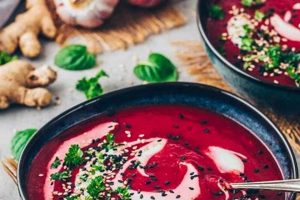
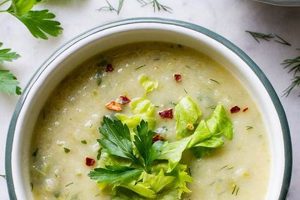
Plant-based alternatives to traditional bone broth soups offer a nourishing and flavorful culinary experience without the use of animal products. These preparations typically utilize a base of vegetables, legumes, and herbs simmered for extended periods to extract maximum nutrients and create a rich, savory liquid. An example includes a soup crafted with roasted mushrooms, seaweed, and lentils, designed to mimic the depth of flavor found in conventional bone broth.
The significance of these plant-based soups lies in their accessibility for individuals adhering to vegan or vegetarian diets, while also providing a source of vitamins, minerals, and antioxidants. Historically, vegetable-based broths have been consumed in various cultures as a restorative and comforting food. Modern adaptations often incorporate ingredients known for their health-promoting properties, such as medicinal mushrooms and adaptogenic herbs, further enhancing their nutritional profile.
The following sections will delve into specific ingredient considerations, optimal preparation techniques, and recipe variations for creating exceptional plant-based broths. Detailed guidance on maximizing flavor extraction and nutritional content will also be provided.
Crafting Exceptional Plant-Based Broths
The subsequent guidelines are designed to facilitate the creation of rich and flavorful vegan alternatives to traditional bone broths. Attention to detail in ingredient selection and preparation is crucial for optimal results.
Tip 1: Prioritize High-Quality Vegetables: The foundation of any exceptional plant-based broth rests upon the quality of its vegetable components. Opt for organic, in-season produce whenever feasible to ensure maximum flavor and nutrient density. Root vegetables such as carrots, parsnips, and turnips contribute sweetness and body, while alliums like onions, garlic, and leeks provide aromatic depth.
Tip 2: Embrace Umami-Rich Ingredients: To replicate the savory complexity of traditional bone broth, incorporate umami-rich ingredients. Dried mushrooms, such as shiitake or porcini, seaweed varieties like kombu or nori, and sun-dried tomatoes are excellent choices. These ingredients release glutamates during simmering, contributing to a more robust and satisfying flavor profile.
Tip 3: Implement Roasting Techniques: Roasting vegetables prior to simmering enhances their flavor through caramelization. Toss vegetables with a small amount of oil and roast at a high temperature (approximately 400F or 200C) until slightly browned. This process intensifies their sweetness and adds a layer of complexity to the final broth.
Tip 4: Utilize Legumes and Pulses: Legumes and pulses, such as lentils, beans, or split peas, can be incorporated into the broth to add body and protein. Ensure these ingredients are thoroughly rinsed before use. They contribute a creamy texture and a subtle earthy flavor.
Tip 5: Emphasize Aromatic Herbs and Spices: Fresh or dried herbs and spices are essential for creating a well-balanced and flavorful broth. Bay leaves, thyme, rosemary, and parsley stems are commonly used, while spices like peppercorns, coriander seeds, and star anise can add warmth and complexity. Add herbs and spices during the final hour of simmering to preserve their volatile oils.
Tip 6: Employ Extended Simmering Times: Allow the broth to simmer gently for an extended period, typically between one and three hours. This allows the vegetables and other ingredients to release their flavors and nutrients into the liquid. Maintain a low simmer and avoid boiling, which can result in a cloudy and bitter broth.
Tip 7: Strain Thoroughly: After simmering, strain the broth through a fine-mesh sieve or cheesecloth to remove solids. This will result in a clear and smooth liquid. Discard the spent vegetables and herbs, as they will have already imparted their flavor to the broth.
Tip 8: Season Judiciously: Taste the broth after straining and adjust the seasoning as needed. Salt and pepper are essential, but consider adding a splash of apple cider vinegar or lemon juice for brightness and acidity. A small amount of soy sauce or miso paste can further enhance the umami flavor.
Adherence to these guidelines facilitates the creation of a plant-based broth that rivals traditional bone broth in both flavor and nutritional value, offering a versatile and healthful culinary foundation.
The subsequent section will address variations on the fundamental formula, allowing for customization based on specific dietary requirements and flavor preferences.
1. Vegetable base selection.

The careful selection of vegetables forms the cornerstone of any successful vegan bone broth soup recipe. This foundational element dictates the overall flavor profile, nutrient density, and aromatic complexity of the final product. Without a thoughtful approach to this selection, the resulting broth may lack depth and fail to emulate the savory richness associated with traditional bone broths.
- Flavor Profile Development
The choice of vegetables directly influences the inherent flavors present in the broth. Root vegetables, such as carrots and parsnips, contribute sweetness, while alliums like onions and garlic provide aromatic depth. Selecting a balanced combination ensures a harmonious and complex flavor profile, preventing the broth from being overly sweet, bitter, or bland. Over-reliance on one vegetable type can lead to a monotonous and unappealing taste. Thus, creating a symphony of root vegetables, aromatics and even “scraps” (stems, peels) of vegetables when well-washed offers a more robust flavor profile.
- Nutrient Density Enhancement
Different vegetables offer distinct nutritional profiles. Dark leafy greens, such as kale or spinach, contribute vitamins and minerals, while mushrooms provide B vitamins and antioxidants. Selecting a diverse range of vegetables maximizes the nutritional value of the broth, offering a wider spectrum of essential nutrients. For example, adding seaweed not only enhances the umami flavor but also provides iodine and other trace minerals that may be lacking in other vegetables. This element is very important when one wants to consider “bone broth” that is supposed to be very rich in nutrients.
- Umami Enrichment Through Specific Vegetables
Certain vegetables naturally contain higher levels of glutamates, which contribute to the savory umami flavor. Dried mushrooms, sun-dried tomatoes, and roasted vegetables are particularly effective at enhancing umami. Incorporating these ingredients can help replicate the satisfying richness found in traditional bone broths. Moreover, the cooking process concentrates umami flavor – roasting, sauting or caramelizing vegetables will enhance the final taste.
- Impact on Broth Color and Clarity
The color and clarity of the broth are also influenced by the vegetable selection. Dark-colored vegetables, such as beets or purple cabbage, can impart a deep hue to the broth, while starchy vegetables may contribute to cloudiness. Roasting the vegetables beforehand can help to enhance the color and reduce cloudiness. Careful consideration of these factors ensures an aesthetically pleasing final product. By keeping an eye of what vegetable types are chosen, a vegan creator can influence the visual result of the soup.
In summary, vegetable base selection is a pivotal aspect of vegan bone broth soup recipes. A thoughtful approach to flavor profiles, nutrient density, umami richness, color, and clarity contributes to a final product that emulates traditional bone broth in flavor, nutritional value, and aesthetic appeal. The right combination of vegetables transforms a simple broth into a complex and satisfying culinary experience.
2. Umami enhancement strategies.

Umami enhancement strategies play a crucial role in formulating a palatable vegan alternative to traditional bone broth soup. These techniques aim to replicate the savory depth and complexity inherent in bone broth, which is largely attributed to the presence of glutamates and other naturally occurring compounds derived from animal sources.
- The Use of Dried and Roasted Ingredients
Dehydration and roasting processes concentrate the natural glutamates present in vegetables, resulting in a more intense umami flavor. Dried mushrooms, such as shiitake or porcini, are particularly effective due to their high glutamate content. Roasting root vegetables, such as carrots and parsnips, caramelizes their sugars and enhances their savory notes. These ingredients contribute a depth of flavor often lacking in broths made with fresh, unroasted vegetables.
- Incorporation of Sea Vegetables
Sea vegetables, such as kombu or nori, are rich sources of glutamates and other umami-enhancing compounds. Kombu, in particular, is frequently used in Japanese cuisine to create dashi, a savory broth base. The addition of a small piece of kombu to a simmering vegan broth can significantly enhance its umami profile. Nori flakes can also be added towards the end of cooking to impart a subtle ocean-like flavor.
- Fermented Ingredients as Flavor Boosters
Fermented foods, such as miso paste, soy sauce, and nutritional yeast, contribute both umami and complex savory flavors. Miso paste, derived from fermented soybeans, is a particularly effective addition, providing a creamy texture and a rich, salty flavor. A small amount of soy sauce can also enhance the umami profile, while nutritional yeast offers a cheesy, nutty flavor. The fermentation process itself creates free glutamates, thus amplifying the overall umami intensity.
- The Importance of Long Simmer Times
Extended simmering periods facilitate the extraction of glutamates and other flavor compounds from vegetables and other ingredients. A low and slow simmer allows the ingredients to break down and release their flavors into the broth. This prolonged extraction process is essential for developing a rich and complex umami profile that approximates the depth of flavor found in traditional bone broth. However, its important to maintain a simmer rather than a boil, to prevent bitterness.
These umami enhancement strategies are integral to creating a vegan broth that delivers a satisfying and complex flavor experience. By strategically incorporating dried, roasted, fermented, and sea-derived ingredients, and employing appropriate simmering techniques, it is possible to craft a plant-based broth that replicates the savory depth and richness of traditional bone broth.
3. Herb and spice integration.

The strategic incorporation of herbs and spices significantly influences the aromatic complexity and flavor depth of a vegan bone broth soup recipe. This integration extends beyond mere seasoning; it is a deliberate manipulation of volatile compounds and bioactive substances to mimic the nuanced characteristics of traditional bone broth, while simultaneously contributing to the broth’s overall nutritional profile. Herbs and spices, therefore, serve as a primary means of achieving palatability and perceived health benefits in the absence of animal-derived components.
Consider, for example, the inclusion of dried shiitake mushrooms and a bay leaf simmered with vegetable scraps. The shiitake mushrooms, rich in glutamates, provide umami, while the bay leaf contributes a subtle, earthy aroma. Alternatively, a blend of ginger, garlic, and turmeric can impart both warmth and anti-inflammatory properties. The timing of herb and spice addition is crucial; adding delicate herbs like parsley or cilantro towards the end of the cooking process preserves their volatile oils, resulting in a brighter, fresher flavor, while robust spices like peppercorns and star anise benefit from longer simmering times to fully release their aromatic compounds. A poorly executed integration, such as adding an excessive amount of a single spice, can easily overwhelm the delicate balance of flavors, resulting in an unpalatable broth. It’s the understanding and carefully application of what each herb/spice brings that delivers the best taste.
In conclusion, herb and spice integration is a foundational element in the creation of a successful vegan bone broth soup recipe. Skillful application requires a nuanced understanding of individual flavor profiles, their synergistic interactions, and the effects of cooking time on aroma and taste. While challenges exist in replicating the precise flavor of animal-based broths, a thoughtful and informed approach to herb and spice integration allows for the creation of a nutritious and flavorful plant-based alternative. This directly impacts the success, and palatability, of any “vegan bone broth soup recipe”.
4. Simmer time optimization.

Simmer time optimization is a critical determinant of flavor extraction and nutrient bioavailability in any “vegan bone broth soup recipe”. The duration of simmering directly influences the extent to which flavors are released from plant-based ingredients and the concentration of beneficial compounds within the resulting broth. Excessive or insufficient simmering can negatively impact the final product, leading to either a bland and uninspired broth or one that is overly bitter and lacking in desired nutrients.
- Flavor Compound Extraction
The length of the simmering period directly correlates with the extraction of volatile aromatic compounds from vegetables, herbs, and spices. Prolonged simmering allows for the breakdown of plant cell walls, facilitating the release of flavors that contribute to the broth’s overall complexity. However, it is essential to balance extraction with the risk of overcooking, which can lead to the development of undesirable bitter notes. Optimizing simmer time involves careful monitoring of the broth’s flavor development, adjusting the duration as needed to achieve a desired balance of sweetness, savoriness, and aromatic depth. Typically, a range of 1 to 3 hours is sufficient, with variations depending on the specific ingredients used.
- Nutrient Bioavailability
Simmering facilitates the release of certain vitamins and minerals from plant-based ingredients, increasing their bioavailability within the broth. Water-soluble vitamins, such as Vitamin C and B vitamins, are readily extracted during simmering, contributing to the broth’s nutritional value. Similarly, minerals like potassium and magnesium are released into the liquid. However, prolonged and high-temperature simmering can degrade certain heat-sensitive nutrients. Therefore, a gentle simmer over a moderate duration is crucial for maximizing nutrient retention and bioavailability.
- Textural Considerations
Simmer time affects the texture of the vegetables used in the broth. Over-simmering results in vegetables becoming overly soft and mushy, potentially clouding the broth and reducing its clarity. Conversely, insufficient simmering may leave vegetables undercooked and lacking in flavor. Achieving the optimal balance requires monitoring the vegetables’ texture throughout the simmering process. Removing solids after sufficient flavor extraction helps prevent excessive softening and maintains the broth’s clarity. Straining the mixture is necessary to remove the now soft vegetables.
- Reduction and Concentration
As a broth simmers, water evaporates, leading to a reduction in volume and a corresponding concentration of flavors and nutrients. This process can enhance the broth’s intensity and complexity. However, excessive reduction can result in an overly salty or intense flavor. Monitoring the reduction process is essential to avoid over-concentration. Adjusting the initial water volume and simmering at a lower temperature can help control the rate of reduction and prevent undesirable flavor imbalances.
In summary, simmer time optimization is a critical factor in determining the quality and nutritional value of a “vegan bone broth soup recipe”. Balancing flavor extraction, nutrient bioavailability, textural considerations, and reduction processes ensures a flavorful, nutritious, and visually appealing broth. Attention to these factors allows for the creation of a plant-based alternative that effectively mimics the desirable characteristics of traditional bone broth, while also meeting the dietary requirements of vegan consumers. A gentle simmering approach is generally advised to obtain best results.
5. Seasoning adjustments.

Seasoning adjustments represent a crucial, and often overlooked, stage in the creation of a palatable “vegan bone broth soup recipe”. The initial broth, derived from vegetables, herbs, and spices, lacks the inherent richness and umami present in traditional bone broth. Therefore, seasoning adjustments are not merely about adding salt and pepper; they constitute a vital process of flavor balancing and enhancement aimed at mimicking the complex profile of its animal-based counterpart. Inadequate seasoning results in a bland and unsatisfying soup, while over-seasoning can mask the subtle nuances of the underlying ingredients, rendering the broth unappetizing. An example is a broth that has been simmering with kombu and shiitake mushrooms, providing some umami but lacking the desired savory depth. Adjusting with a small amount of soy sauce or miso paste will intensify the savory notes without overpowering the existing flavors.
The practical significance of understanding seasoning adjustments extends to accommodating dietary restrictions and personal preferences. Individuals with sodium sensitivities, for instance, require careful monitoring of salt content, often necessitating the use of alternative seasoning agents such as herbs, spices, or low-sodium tamari. Similarly, those seeking a richer flavor profile might incorporate ingredients like nutritional yeast, smoked paprika, or a dash of apple cider vinegar to add complexity and depth. Furthermore, the effectiveness of seasoning is directly tied to the quality of the broth itself. A well-prepared broth, derived from high-quality ingredients and simmered for an appropriate duration, requires minimal seasoning compared to a broth made with subpar ingredients or insufficient simmering time. This element can only be determined by tasting at the end.
In conclusion, seasoning adjustments are indispensable for transforming a simple vegetable broth into a flavorful and satisfying “vegan bone broth soup recipe”. The process demands a nuanced understanding of flavor profiles, ingredient interactions, and individual preferences. While challenges may arise in replicating the exact taste of traditional bone broth, thoughtful seasoning adjustments contribute significantly to the overall palatability and perceived nutritional value of the final product. The process cannot be rushed, and should be done by taste alone.
6. Nutritional augmentation.

Nutritional augmentation directly addresses a critical consideration in “vegan bone broth soup recipe” formulation: replicating, and even surpassing, the nutritional profile of traditional bone broth. Traditional bone broth derives much of its perceived health benefits from collagen, gelatin, and specific amino acids released during the simmering of animal bones. Since vegan recipes inherently lack these components, strategic augmentation becomes essential. A deficiency in key nutrients can render the soup nutritionally inadequate. For instance, a “vegan bone broth soup recipe” primarily composed of water and celery offers limited nutritional value, whereas a broth augmented with ingredients such as nutritional yeast, seaweed, and lentils presents a significantly enhanced profile.
The practical significance of nutritional augmentation is exemplified by the increasing demand for plant-based diets that provide complete nutritional support. “Vegan bone broth soup recipe” formulations that incorporate sources of protein, such as legumes or tofu, address the need for essential amino acids. Supplementation with minerals like iron, often found lacking in vegan diets, can be achieved through the inclusion of ingredients like spinach or kale. Furthermore, the addition of flax seeds or chia seeds provides a source of omega-3 fatty acids, contributing to overall health and well-being. Failure to adequately address these nutritional aspects diminishes the soup’s value as a health-promoting dietary component. The soup can act as a meal replacement, or as a suplemental addition to one’s diet depending on the nutritional makeup of the soup.
In summary, nutritional augmentation represents a fundamental component of a successful “vegan bone broth soup recipe”. By strategically incorporating nutrient-rich ingredients, it is possible to create a plant-based alternative that not only replicates the flavor and mouthfeel of traditional bone broth but also provides a comparable, or superior, nutritional profile. Overcoming the inherent nutritional limitations of a purely vegetable-based broth requires careful planning and a thorough understanding of nutritional principles, ensuring that the final product serves as a valuable source of essential nutrients for individuals adhering to vegan or vegetarian diets.
7. Recipe adaptations.

The success of any “vegan bone broth soup recipe” hinges substantially on the capacity for adaptation. The inherently variable nature of ingredient availability, dietary restrictions, and individual taste preferences necessitates a flexible approach to recipe formulation. Without the ability to modify and adjust a basic recipe, the likelihood of widespread adoption and satisfaction diminishes significantly. Consider, for instance, a scenario where a specific ingredient, such as shiitake mushrooms for umami, is unavailable. Adaptations might involve substituting other umami-rich components, like sun-dried tomatoes or a different variety of dried mushroom, to achieve a comparable flavor profile. This flexibility ensures that the recipe remains viable and accessible across diverse contexts.
Recipe adaptations also address specific dietary needs. A “vegan bone broth soup recipe” intended for individuals with soy allergies requires the elimination of soy-based ingredients like soy sauce or miso paste. The adaptation process would then involve identifying alternative seasoning agents to maintain the desired savory depth, such as coconut aminos or a blend of herbs and spices. Similarly, a low-sodium version of the recipe demands the careful management of salt content, potentially requiring the use of salt substitutes or the incorporation of naturally salty ingredients like seaweed in moderation. Moreover, flavor preferences vary considerably. Some individuals might favor a more intense, umami-rich broth, while others may prefer a lighter, more vegetable-forward flavor profile. Adaptations to accommodate these preferences involve adjusting the quantities and types of ingredients used, such as increasing the proportion of roasted vegetables or incorporating a broader range of herbs and spices. Without this adaption, the soup may not appeal to everyone’s tastes.
In conclusion, recipe adaptations are not merely optional additions to a “vegan bone broth soup recipe,” but rather an integral component of its overall effectiveness. The capacity to adjust ingredients, accommodate dietary restrictions, and cater to individual taste preferences directly influences the recipe’s accessibility, palatability, and widespread appeal. While challenges may arise in maintaining a consistent quality across various adaptations, the benefits of flexibility far outweigh the potential drawbacks, solidifying the importance of recipe adaptation in vegan culinary practice. The adaption of the recipe to each person increases the chances of success, and that it will become a recurring recipe.
Frequently Asked Questions
This section addresses common inquiries and clarifies misconceptions regarding the creation and consumption of plant-based alternatives to traditional bone broth soup.
Question 1: How does a vegan broth replicate the benefits associated with bone broth?
While lacking animal-derived collagen, a well-formulated vegan broth leverages plant-based sources of vitamins, minerals, and antioxidants through a carefully selected combination of vegetables, herbs, and spices. These ingredients can mimic some properties.
Question 2: What are the key ingredients for achieving a robust umami flavor in a vegan broth?
Essential ingredients include dried mushrooms (shiitake, porcini), seaweed (kombu, nori), roasted vegetables, and fermented products (miso, soy sauce). These components contain glutamates, contributing to a savory profile.
Question 3: Can legumes and pulses be incorporated into a vegan broth for added nutritional value?
Yes, lentils, beans, and split peas can be added to increase protein content and contribute a creamy texture. Thorough rinsing is necessary before use.
Question 4: Is simmering time crucial in vegan broth preparation?
Simmering for an extended period (1-3 hours) allows vegetables and herbs to release their flavors and nutrients. A gentle simmer, rather than boiling, prevents bitterness and cloudiness.
Question 5: How should a vegan broth be seasoned effectively?
Seasoning should be adjusted after straining. Salt and pepper are foundational, while apple cider vinegar or lemon juice can add brightness. Soy sauce or miso paste enhances umami. Taste is crucial.
Question 6: What is the ideal way to store a vegan bone broth after it’s been prepared?
Once cooled, the vegan bone broth should be stored in an airtight container in the refrigerator and consumed within 3-4 days. The broth can also be frozen for extended preservation of up to 2-3 months.
The understanding of these key principles promotes effective creation and enjoyment of this healthful soup.
The next section will explore specific recipe examples.
In Summary
This exploration has elucidated the critical elements involved in crafting a palatable and nutritious “vegan bone broth soup recipe”. These elements encompass vegetable base selection, umami enhancement strategies, herb and spice integration, simmer time optimization, seasoning adjustments, nutritional augmentation, and recipe adaptations. Mastering each component is paramount to achieving a plant-based soup that approximates the flavor profile and nutritional benefits associated with traditional bone broth.
Continued innovation in ingredient selection and culinary techniques will further refine “vegan bone broth soup recipe” formulations. As consumer demand for plant-based alternatives increases, ongoing research into maximizing flavor extraction and nutrient bioavailability will prove essential in solidifying the role of these recipes as a viable and healthful dietary option. The adoption and adaptation of these recipes can provide a wider range of sustainable food options for all.