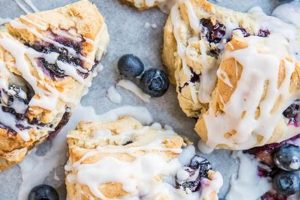
A focus on culinary preparations incorporating blueberries while adhering to vegan dietary principlesexcluding all animal-derived ingredientsdefines this category of recipes. It encompasses a wide array of dishes, from baked goods to beverages, where blueberries provide flavor and nutritional value. An example would be a blueberry muffin made without eggs or dairy, utilizing plant-based alternatives.
This dietary approach offers potential advantages, aligning with principles of plant-based nutrition and potentially contributing to overall well-being. Blueberries, rich in antioxidants and vitamins, offer nutritional benefits, and their integration into various preparations provides a palatable method of incorporating these elements. The historical context reveals a growing trend toward plant-based diets and a simultaneous interest in utilizing readily available, nutritious fruits like blueberries.
The following information will explore the breadth of culinary possibilities, detailing specific approaches to baking, breakfast preparations, and even desserts, all showcasing the versatility of blueberries in a plant-based context. Examination of ingredient substitutions and preparation techniques will be presented to provide a thorough understanding of this culinary area.
Enhancing Vegan Blueberry Preparations
The following guidelines provide insights into optimizing culinary efforts when preparing dishes featuring blueberries while adhering to vegan dietary standards. These tips aim to improve flavor, texture, and nutritional value.
Tip 1: Optimal Blueberry Selection: Fresh blueberries should be plump, firm, and display a consistent deep blue color. Frozen blueberries offer convenience but may release more moisture during baking; adjust dry ingredients accordingly.
Tip 2: Sugar Reduction Strategies: Blueberries contribute natural sweetness, potentially allowing for a reduction in added sugars. Experiment with alternatives like dates or maple syrup, adjusting quantities to maintain desired sweetness levels.
Tip 3: Optimizing Baking Texture: When substituting eggs, consider incorporating flaxseed meal or chia seeds to provide binding and moisture. Use a ratio of 1 tablespoon ground flaxseed or chia seeds to 3 tablespoons water, allowing the mixture to sit for approximately five minutes to form a gel.
Tip 4: Preventing Sinking: To prevent blueberries from sinking to the bottom of baked goods, lightly coat them with flour or starch before incorporating them into the batter. This aids in suspension during the baking process.
Tip 5: Enhancing Flavor Profiles: Complement blueberries with citrus zest, such as lemon or orange, to accentuate their natural sweetness and tartness. A small amount of vanilla extract can also enhance the overall flavor profile.
Tip 6: Controlled Thawing: If using frozen blueberries in raw preparations like smoothies or parfaits, partial thawing can prevent an overly watery consistency. Drain excess liquid before incorporating into the recipe.
Tip 7: Careful Incorporation: When adding blueberries to batters or doughs, fold them in gently to prevent crushing and minimize color bleeding. Overmixing can result in a less desirable texture and appearance.
The aforementioned guidelines contribute to enhanced culinary outcomes, optimizing both flavor and texture in recipes adhering to both vegan principles and the use of blueberries. Implementation of these techniques will result in superior and reproducible recipe results.
The following sections will explore diverse applications and culinary techniques, broadening the understanding of approaches to prepare a variety of dishes using blueberries following vegan dietary principles.
1. Plant-Based Alternatives

The successful execution of blueberry recipes within a vegan framework hinges critically on the selection and application of plant-based alternatives. These substitutions directly influence the texture, binding properties, and overall palatability of the finished product. For example, replacing eggs in a blueberry muffin requires careful consideration of alternatives like flaxseed meal or applesauce, each imparting distinct characteristics to the crumb structure and moisture content. The effectiveness of these alternatives determines whether the final result emulates the desired qualities of a non-vegan counterpart.
Beyond mere substitution, understanding the specific properties of each plant-based ingredient is essential. The lack of animal products necessitates the introduction of components that fulfill similar roles in the recipe’s structure. For instance, coconut oil or vegan butter substitutes contribute richness and fat content, impacting the mouthfeel and overall sensory experience. Aquafaba, the liquid from canned chickpeas, can act as an egg white replacement, creating a light and airy texture in vegan blueberry pancakes. The choice of plant-based milk, such as almond, soy, or oat milk, affects both flavor and liquid content, necessitating adjustments to dry ingredients to maintain optimal batter consistency.
In summary, the selection of plant-based alternatives is not merely a matter of exclusion but rather a deliberate engineering of recipe components. Each substitution introduces a unique set of characteristics that must be carefully managed to achieve a balanced and satisfying outcome. Mastery of these substitutions is paramount to creating palatable and texturally pleasing blueberry-based vegan dishes, bridging the gap between dietary restriction and culinary creativity.
2. Blueberry Variety
The selection of blueberry variety exerts a significant influence on the final characteristics of vegan blueberry preparations. Flavor profiles, texture, and inherent sweetness levels differ notably across cultivars, impacting the need for adjustments in other recipe components. Understanding these variations is crucial for optimizing taste and consistency within a vegan dietary framework.
- Sweetness Intensity
Different blueberry species exhibit varying degrees of natural sweetness. Highbush blueberries, for instance, are typically sweeter than lowbush varieties. In a vegan context, where reliance on refined sugars may be minimized, utilizing inherently sweeter blueberry types can reduce the necessity for added sweeteners like maple syrup or agave. This approach aligns with a preference for natural flavors and potentially contributes to a healthier nutritional profile.
- Acidity Levels
The acidity level of blueberries influences the overall flavor balance of a recipe. Some varieties possess a more pronounced tartness that can complement richer vegan components, such as coconut cream or plant-based butter substitutes. Careful consideration of acidity can prevent the final product from becoming overly sweet or cloying. The tartness also interacts with baking soda, influencing the rise and texture of baked goods.
- Moisture Content
Blueberry varieties differ in their inherent moisture content. High-moisture blueberries may necessitate adjustments in dry ingredients, such as flour or starch, to prevent excessively wet batters or doughs. This is particularly relevant in vegan baking, where the absence of eggsa common binderrequires precise control over liquid ratios to achieve the desired texture. Frozen berries also release more moisture and careful thawing should be consider.
- Size and Texture
The size and texture of blueberries affect the distribution and mouthfeel within the prepared dish. Smaller, wild blueberries tend to disperse more evenly throughout batters, imparting a consistent blueberry flavor. Larger, cultivated blueberries retain their shape better during baking, offering bursts of concentrated flavor. Texture, whether firm or soft, influences the overall sensory experience and can be strategically chosen to complement other ingredients.
Therefore, the nuanced understanding of blueberry variety is paramount. Precise selection of blueberry types will enhance and modify the characteristics of a vegan blueberry recipe based on the traits listed in the content details above.
3. Sweetener Options
The selection of sweeteners significantly impacts the flavor profile, texture, and overall healthfulness of preparations conforming to vegan dietary standards. Unlike conventional baking, which frequently relies on refined sugars and honey (an animal product), vegan blueberry recipes necessitate the use of plant-derived sweeteners. The choice of sweetener is not merely a matter of replacing sweetness but actively contributes to the dish’s structural integrity and taste experience. For example, maple syrup, beyond providing sweetness, adds a distinct caramel-like flavor and increased moisture, requiring careful consideration of liquid ratios. Date syrup, with its higher fiber content, can affect the texture, resulting in a denser product. Agave nectar, known for its high fructose content, provides intense sweetness but can potentially lead to a less complex flavor profile.
The practical implications of sweetener selection extend beyond the realm of pure taste. The glycemic index of the chosen sweetener directly affects blood sugar levels, particularly relevant for individuals managing diabetes or seeking to minimize sugar spikes. Coconut sugar, with a lower glycemic index compared to refined white sugar, provides a slower release of glucose. Furthermore, the hygroscopic properties of certain sweeteners impact the moisture content of baked goods. Molasses, for instance, retains moisture, contributing to a softer texture, while drier sweeteners may necessitate the addition of liquid to compensate. The application of these options ranges from baked goods where texture is important to smoothies where the impact is on flavor alone.
In summary, the judicious selection of sweetener alternatives constitutes a critical element in preparing successful vegan blueberry recipes. Each sweetener possesses unique properties that influence the final result, ranging from flavor nuances to texture variations and nutritional considerations. Careful consideration of these factors allows for optimized culinary outcomes, balancing desired sweetness levels with healthfulness and sensory appeal. Challenges in this area arise from the variable sweetness intensity of different sweeteners, necessitating careful recipe adjustments and taste-testing. The integration of this knowledge aligns with the broader theme of informed ingredient selection for achieving optimal results in vegan cooking.
4. Baking Techniques

The successful execution of vegan blueberry recipes hinges critically on employing specific baking techniques that address the unique challenges presented by the absence of animal-derived ingredients. Traditional baking methods often rely on eggs and dairy for structure, leavening, and moisture, necessitating adaptations to achieve comparable results in plant-based alternatives. These adjustments range from ingredient substitutions to modified preparation methods.
- Gluten Development Control
In vegan baking, over-mixing can lead to excessive gluten development, resulting in a tough texture, particularly when using wheat flour. Gentle folding techniques are crucial when incorporating blueberries to minimize gluten formation and prevent the berries from breaking and bleeding color into the batter. For example, incorporating wet and dry ingredients separately and combining them minimally ensures a tender crumb in vegan blueberry muffins.
- Leavening Agent Optimization
Vegan recipes often require adjusted leavening strategies due to the lack of eggs, which contribute natural lift. Increased quantities of baking powder or baking soda, often in combination with an acid such as apple cider vinegar or lemon juice, can compensate for this deficiency. Accurate measurement and proper activation of these agents are paramount. One technique involves combining the acid with plant-based milk before incorporating it into the dry ingredients, ensuring even distribution and optimal leavening.
- Moisture Management
Maintaining adequate moisture levels is essential to prevent vegan baked goods from becoming dry or crumbly. The inclusion of ingredients like applesauce, mashed banana, or plant-based yogurt can contribute moisture and improve the overall texture. When using frozen blueberries, excess moisture should be drained to avoid a soggy final product. Balancing the liquid and dry ingredients is critical for achieving a moist, tender outcome. For instance, adding a tablespoon or two of plant-based milk can correct a batter that appears too dry.
- Temperature Regulation
Precise temperature control during baking is vital for ensuring even cooking and optimal browning in vegan blueberry recipes. Ovens should be preheated accurately, and baked goods should be positioned centrally to avoid hot spots. Lower baking temperatures and longer baking times may be necessary to compensate for the higher moisture content and altered heat conductivity of vegan ingredients. Using an oven thermometer to verify temperature accuracy can greatly improve consistency.
In conclusion, mastery of these baking techniques is essential for consistently producing high-quality vegan blueberry recipes. These techniques, refined through experimentation and careful observation, compensate for the absence of animal products and ensure that the final result is both flavorful and texturally appealing. Attention to gluten development, leavening, moisture management, and temperature regulation are the cornerstones of successful vegan baking.
5. Flavor Pairings

The strategic selection of complementary flavors plays a pivotal role in elevating the palatability and complexity of culinary creations that utilize blueberries within the framework of vegan dietary principles. The inherent sweetness and subtle tartness of blueberries serve as a foundation upon which other flavors are layered, creating a synergistic effect that enhances the overall sensory experience. This relationship between blueberries and complementary flavors is not arbitrary; it is based on established principles of taste chemistry and culinary tradition. For instance, the combination of blueberries and citrus zest, particularly lemon, is a widely recognized pairing. The citric acid in lemon intensifies the blueberry’s sweetness while adding a refreshing counterpoint. Similarly, the earthy notes of spices such as cinnamon or nutmeg can provide warmth and depth to blueberry-based dishes. In the absence of animal products, achieving richness and complexity through flavor pairings becomes even more critical.
Practical application of these flavor pairing principles extends across a spectrum of recipes. In vegan blueberry muffins, the inclusion of almond extract can amplify the nutty undertones, creating a more satisfying mouthfeel. In vegan blueberry smoothies, the addition of ginger or mint can provide a contrasting element, preventing the beverage from becoming overly saccharine. Moreover, the selection of plant-based milks can influence the overall flavor profile. Coconut milk, with its inherent sweetness and creamy texture, pairs exceptionally well with blueberries, while almond milk offers a lighter, more delicate complement. The careful consideration of these pairings can transform a simple blueberry recipe into a complex and nuanced culinary experience. The interplay between flavors allows for creativity and customization, enabling individuals to tailor recipes to their specific preferences.
In summary, the strategic integration of complementary flavors is an indispensable element in enhancing the taste and complexity of blueberry preparations that adhere to vegan guidelines. This understanding provides a pathway to elevating simple recipes to more sophisticated culinary experiences. While individual preferences will always play a role, a foundation in established flavor pairings allows for greater control over the final outcome. Acknowledging and addressing this critical element ensures culinary success.
6. Nutritional Considerations

A focus on nutritional content is essential when formulating and evaluating recipes utilizing blueberries within a vegan dietary framework. Plant-based diets often require careful attention to ensure adequate intake of certain nutrients that are more readily available in animal products. Thus, an awareness of the nutritional profile of vegan blueberry recipes is paramount.
- Vitamin and Mineral Content
Blueberries contribute vitamins C and K, along with manganese, to vegan diets. These micronutrients are essential for immune function, blood clotting, and antioxidant defense. Vegan blueberry recipes can serve as a palatable method for incorporating these vital nutrients, especially for individuals who may find it challenging to meet recommended daily intakes through other plant-based sources. An example includes the fortification of a morning smoothie with blueberries to enhance vitamin C intake.
- Antioxidant Capacity
Blueberries are recognized for their high antioxidant content, primarily due to the presence of anthocyanins. Antioxidants combat oxidative stress and inflammation within the body. Vegan diets, while often rich in plant-based antioxidants, benefit from the concentrated antioxidant properties of blueberries. The consumption of vegan blueberry muffins or compotes provides a convenient means of increasing antioxidant intake. This aspect aligns with the goals of mitigating inflammation and promoting cellular health.
- Fiber Contribution
Dietary fiber is crucial for digestive health and satiety. Blueberries contribute to overall fiber intake, particularly when incorporated into whole-grain vegan recipes. A vegan blueberry oatmeal, for example, provides both soluble and insoluble fiber, promoting gut regularity and potentially aiding in weight management. This element is particularly important in vegan diets, where reliance on plant-based sources of fiber is prominent.
- Macronutrient Balance
Vegan blueberry recipes should be evaluated for macronutrient balance, encompassing protein, carbohydrates, and fats. While blueberries contribute primarily carbohydrates, the addition of other ingredients, such as nuts, seeds, or plant-based protein powders, can enhance the overall nutritional profile. A balanced macronutrient composition supports energy levels and overall metabolic function. For example, a vegan blueberry protein bar combines the carbohydrate content of blueberries with the protein from nuts and seeds to achieve a more complete nutritional profile.
The incorporation of these nutritional considerations into the creation and consumption of vegan blueberry recipes ensures that these dishes contribute to a well-rounded and health-promoting diet. Attention to vitamin and mineral content, antioxidant capacity, fiber contribution, and macronutrient balance enhances the overall value of these recipes beyond mere culinary enjoyment. Further research may explore the impact of specific vegan blueberry recipes on markers of health, such as blood glucose levels and inflammatory markers.
Frequently Asked Questions
This section addresses common inquiries regarding the preparation and consumption of dishes adhering to both vegan principles and the incorporation of blueberries.
Question 1: Can blueberries be substituted with other fruits in vegan recipes?
While blueberries contribute unique flavor and nutritional characteristics, other fruits, such as raspberries, blackberries, or chopped strawberries, can be considered as alternatives. The impact on sweetness, texture, and moisture content should be assessed and adjusted accordingly.
Question 2: How does the absence of eggs affect the texture of vegan blueberry baked goods?
The absence of eggs necessitates the use of alternative binding agents, such as flaxseed meal or applesauce, to provide structure and moisture. The ratio of these substitutes must be carefully calibrated to achieve a desirable texture, avoiding excessive dryness or gumminess.
Question 3: What are suitable vegan replacements for dairy milk in blueberry-based recipes?
Plant-based milks, including almond, soy, oat, and coconut milk, can be used as substitutes for dairy milk. The selection of milk should consider its flavor profile and fat content, as these factors influence the overall taste and texture of the final product.
Question 4: How can one prevent blueberries from sinking to the bottom of baked vegan goods?
Coating blueberries lightly with flour or starch before incorporating them into the batter aids in suspension during baking. Additionally, ensuring that the batter is of adequate viscosity can help to prevent settling.
Question 5: What are the nutritional benefits of incorporating blueberries into a vegan diet?
Blueberries offer vitamins C and K, antioxidants, and dietary fiber. Their inclusion contributes to overall nutritional well-being, particularly within a plant-based dietary framework, addressing the need to focus on nutrients that are often harder to find in a vegan diet.
Question 6: Can frozen blueberries be used effectively in vegan recipes?
Frozen blueberries offer convenience and can be used effectively in most recipes. However, they release more moisture than fresh blueberries, requiring potential adjustments to dry ingredients to maintain the desired consistency. Allowing frozen berries to thaw partially and draining excess liquid before use is recommended.
These FAQs address common points of concern and provide practical guidance for preparing vegan dishes. The application of these guidelines contributes to improved culinary results.
The following section will provide additional tips and guidance.
Conclusion
This exploration has detailed diverse aspects of vegan blueberry recipes, from ingredient selection and baking techniques to flavor pairings and nutritional considerations. The absence of animal products necessitates careful attention to ingredient substitution and adjustments to traditional culinary methods. These efforts are directed towards maintaining both the structural integrity and the palatability of the final product. Furthermore, optimal results are contingent upon a thorough understanding of blueberry varieties, sweetener alternatives, and the specific nutritional benefits that this fruit contributes within a plant-based dietary context.
The ongoing development and refinement of dishes utilizing blueberries in accordance with vegan principles continues to represent a significant area of culinary innovation. Continued experimentation, informed by both scientific understanding and culinary artistry, is essential to expanding the repertoire of plant-based options. Therefore, further research and exploration in this culinary domain are warranted to address remaining challenges and to unlock the full potential of this dietary approach.