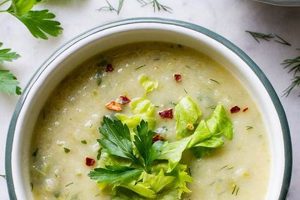
A plant-based alternative to a traditionally dairy-heavy dish, this soup replicates the creamy, cheesy texture and savory flavor profile of its conventional counterpart. It combines vegetables like potatoes, carrots, and onions with plant-based milk, nutritional yeast, and other ingredients to achieve a similar taste and consistency. Furthermore, beer is incorporated to enhance the complexity and depth of flavor. A common example involves a smooth, golden-hued liquid served hot with pretzel bites or crusty bread for dipping.
The increasing popularity of this culinary creation reflects a broader shift towards plant-based diets and the desire for compassionate eating. This adaptation provides a comforting and familiar food experience without the use of animal products, appealing to individuals with dietary restrictions, ethical concerns, or health-conscious lifestyles. The innovation behind this meal demonstrates the versatility of plant-based ingredients and their capacity to mimic established flavors and textures. Historically, beer cheese soup itself originates from European peasant cuisine, offering a hearty and inexpensive meal; this updated version modernizes that tradition for a new audience.
Understanding the nutritional components, diverse preparation techniques, and suitable beer pairings can further enhance the appreciation and enjoyment of this food option. Therefore, subsequent sections will delve into detailed recipes, exploring different ingredient variations, and providing insights into achieving optimal flavor and texture in the absence of traditional dairy ingredients.
Tips for Superior Vegan Beer Cheese Soup
Achieving optimal results in plant-based culinary creations requires careful attention to detail. These tips provide insights into crafting a rich and flavorful iteration of a classic comfort food without dairy.
Tip 1: Select the Appropriate Beer Style: The beer’s profile significantly impacts the final flavor. Opt for a light-bodied ale or lager, avoiding overly hoppy or intensely flavored beers, which can overpower the other ingredients. A pilsner or a blonde ale generally provides a balanced and complementary taste.
Tip 2: Use High-Quality Nutritional Yeast: Nutritional yeast provides the “cheesy” flavor. The quality directly affects the taste. Experiment with different brands to find one that offers a rich, umami flavor without bitterness. Avoid varieties that have a pale or dull color, as they may lack the necessary intensity.
Tip 3: Incorporate Roasted Vegetables for Depth: Roasting vegetables such as onions, garlic, and carrots before adding them to the soup intensifies their natural sweetness and adds a layer of complexity. The Maillard reaction enhances the overall savoriness of the dish.
Tip 4: Blend Cashews for Creaminess: Soaked and blended cashews create a smooth and creamy base, mimicking the texture of dairy-based cheese sauces. Ensure the cashews are soaked sufficiently (at least 2 hours) to achieve optimal blendability. Using raw cashews provides a neutral flavor profile.
Tip 5: Balance the Acidity: A touch of lemon juice or apple cider vinegar can balance the richness of the cashews and nutritional yeast. Adding a small amount towards the end of the cooking process brightens the flavors and prevents the soup from becoming too heavy.
Tip 6: Thicken with Tapioca Starch: Tapioca starch offers a clear and glossy thickening effect without the gluten associated with flour. A small amount, bloomed in cold water before adding to the soup, prevents lumps and ensures a smooth consistency.
Tip 7: Season to Taste: Consistent seasoning is essential. Start with a base of salt, pepper, and garlic powder, then adjust as needed. Smoked paprika and onion powder can further enhance the smoky and savory notes. Taste frequently throughout the cooking process.
By implementing these guidelines, one can elevate this traditionally dairy-laden soup into a plant-based creation. Each step contributes to a final product that boasts a satisfying texture and a well-rounded flavor profile.
These preparation techniques offer a foundation for culinary experimentation. Exploring variations in ingredients and techniques allows one to tailor the final product to specific preferences and dietary requirements.
1. Flavor Profile
The flavor profile is paramount to the success of any adaptation of traditional beer cheese soup. Replicating the familiar taste experience in a plant-based context necessitates a careful consideration of ingredient selection and preparation techniques.
- Umami Enhancement
Nutritional yeast serves as a primary source of umami, contributing a savory, cheesy depth. The intensity of this flavor varies depending on the brand and quality of the nutritional yeast used. Overuse can result in a bitter or overly yeasty taste, while insufficient quantities diminish the desired cheesy characteristic. Its role mirrors that of aged cheese in conventional preparations.
- Beer Character Integration
The selected beer introduces a diverse range of flavors, from subtle malt sweetness to hoppy bitterness. Lighter lagers and pilsners contribute a crispness without overpowering the other ingredients, while bolder ales can add complexity and depth. Dark stouts and IPAs are generally avoided due to their potential to clash with the other flavors.
- Vegetable Base Complexity
A blend of aromatic vegetables, such as onions, garlic, and carrots, provides a foundational layer of flavor. Roasting these vegetables before incorporating them into the soup enhances their sweetness and adds a smoky dimension. The balance between these vegetables influences the overall character of the soup.
- Smoked Element Infusion
Smoked paprika or liquid smoke can replicate the subtle smoky notes often associated with aged cheeses. The addition of these ingredients should be carefully controlled to avoid overwhelming the other flavors. A small amount contributes a nuanced depth without dominating the profile.
These facets converge to create a cohesive and satisfying taste experience. By understanding and manipulating these flavor components, one can successfully craft a plant-based version that faithfully replicates the essence of traditional beer cheese soup, appealing to a broad range of palates. The careful balance of these components is essential to avoid overpowering the flavor, resulting in a soup that is both complex and inviting.
2. Texture

The textural properties of vegan beer cheese soup directly influence its palatability and its ability to mimic the traditional dairy-based version. Achieving a smooth, creamy consistency is paramount to replicating the comfort and richness associated with the original dish. Plant-based ingredients, unlike dairy, often require specific preparation methods to achieve the desired mouthfeel. For instance, cashews, when soaked and blended, provide a base that closely resembles the smoothness of cream or cheese sauce. Without proper blending, the resulting soup can be grainy or lacking in the characteristic velvety texture.
The addition of thickening agents further affects the final product. Tapioca starch, for example, offers a glossy smoothness but must be used judiciously to prevent a gummy or overly viscous consistency. Similarly, pureed potatoes or other root vegetables can contribute to thickness; however, their presence impacts the overall flavor profile. The careful selection and preparation of these ingredients are crucial. Improperly cooked vegetables can introduce a fibrous or chunky element, detracting from the intended creamy texture. Many successful recipes rely on a combination of methods to build the texture, for example, using both cashew cream and a vegetable puree.
In summary, the texture of vegan beer cheese soup is not merely an aesthetic consideration but a fundamental aspect of its success. Mastering the techniques for achieving a smooth and creamy consistency is essential for replicating the authentic experience and providing a satisfying plant-based alternative. Challenges remain in mimicking the exact mouthfeel of dairy, but a thoughtful approach to ingredient selection and preparation ensures a palatable and enjoyable outcome. This focus on texture is integral to promoting the broader adoption of plant-based cuisine.
3. Beer Selection
The choice of beer fundamentally influences the flavor profile of this dairy-free soup. The beverage’s malt, hops, and yeast characteristics impart distinct notes that either enhance or detract from the overall dish. For instance, robust stouts, with their pronounced roasted flavors, can overwhelm the subtle nuances of the plant-based ingredients. Conversely, light lagers may offer insufficient depth, resulting in a bland and unremarkable soup. A balanced approach necessitates selecting a beer that complements, rather than competes with, the other flavors.
A practical example lies in the use of amber ales, which often present a harmonious blend of malt sweetness and hop bitterness. These ales can contribute a subtle caramel-like note that enhances the richness of the soup, while their moderate hop profile prevents them from becoming overly assertive. Wheat beers, with their inherent citrusy and spicy undertones, can also provide an intriguing dimension. Brewers often suggest pairing specific beer styles with cheese-based dishes; adapting these recommendations to plant-based versions proves beneficial. Ultimately, the selection process entails careful consideration of the beer’s individual attributes and their potential impact on the final outcome. In addition, ensuring the beer is vegan-friendly, by checking for the absence of fining agents like isinglass (derived from fish), is crucial.
The careful consideration in beer selection becomes critical when constructing plant based soup. This attention to detail is a factor that determines how well the final result will reflect the taste and texture to traditional versions. Challenges persist in finding the perfect beer that doesn’t overpower the other elements or leave the blend tasting bland. However, there is still a large variety of products that are able to complete the process.
4. Vegan Cheese

Vegan cheese plays a pivotal role in replicating the essential characteristics of beer cheese soup in a plant-based format. Its ability to mimic the flavor, texture, and melt of traditional dairy cheese is fundamental to the success of this adaptation, influencing the overall sensory experience. Without a suitable vegan cheese component, achieving the desired creamy consistency and cheesy flavor becomes challenging.
- Flavor Contribution
Vegan cheeses contribute a spectrum of flavors, ranging from mild and creamy to sharp and tangy. Some varieties rely on nutritional yeast for a cheesy flavor, while others incorporate fermented ingredients or cultures to develop more complex profiles. The chosen vegan cheese’s flavor profile will directly impact the final taste. For instance, a sharp cheddar-style vegan cheese will lend a distinctly different flavor than a creamy mozzarella-style alternative.
- Texture and Melt
The texture and melt properties of vegan cheese are critical to achieving the desired creamy consistency. Some vegan cheeses melt smoothly, creating a rich and velvety base, while others may resist melting or become grainy. The ingredient composition, often involving starches, gums, and oils, influences the melting behavior. Selecting a vegan cheese known for its meltability is essential for a successful soup.
- Base Ingredient Influence
Vegan cheeses are typically made from a variety of base ingredients, including nuts (cashews, almonds), seeds (sunflower seeds, sesame seeds), soy, or vegetable oils. The base ingredient affects the flavor, texture, and nutritional content. For example, cashew-based cheeses are known for their creamy texture, while soy-based cheeses may offer a higher protein content. The choice of base ingredient will ultimately shape the soup’s final characteristics.
- Ingredient Interactions
Vegan cheese interacts with other soup ingredients, influencing the overall flavor harmony. For example, certain vegan cheeses may complement or clash with the bitterness of the beer. Similarly, the acidity of the vegan cheese must be balanced with the other ingredients to prevent the soup from tasting overly sour or tart. Understanding these interactions is crucial for creating a well-balanced soup.
The selection and application of vegan cheese significantly impact the final quality of the soup. By carefully considering the flavor, texture, base ingredients, and potential ingredient interactions, one can effectively replicate the essential aspects of traditional beer cheese soup in a plant-based format. Experimentation with different vegan cheese types allows for customization of the soup’s flavor profile and texture, providing a versatile and satisfying alternative.
5. Nutritional Value

The nutritional profile of this specific soup is a significant consideration, particularly for individuals adhering to plant-based diets or seeking to make informed dietary choices. While traditional beer cheese soup is often high in saturated fat and cholesterol, the plant-based adaptation presents an opportunity to create a more nutritionally balanced dish.
- Macronutrient Composition
The balance of macronutrients (proteins, carbohydrates, and fats) in this soup varies depending on the recipe. Plant-based milk alternatives (such as soy or almond milk) contribute varying amounts of protein and fat, while vegetables provide carbohydrates. The addition of blended cashews significantly increases the fat content, though primarily unsaturated fats. Balancing these components is crucial for achieving a satisfying and nutritious soup. For example, a recipe relying heavily on cashews might be high in calories and fat, requiring portion control, while a recipe using a variety of vegetables and plant-based protein sources could be lower in calories and offer a more balanced nutrient profile.
- Vitamin and Mineral Content
The nutritional value of the soup largely stems from the vegetables and nutritional yeast used. Vegetables like carrots, potatoes, and onions provide essential vitamins and minerals, including vitamin A, vitamin C, and potassium. Nutritional yeast is a significant source of B vitamins, particularly B12, which is often lacking in plant-based diets. The presence of these micronutrients contributes to the overall health benefits of the soup. For instance, consuming a bowl of this soup can provide a substantial portion of the daily recommended intake of vitamin B12, a crucial nutrient for nerve function and red blood cell formation.
- Fiber Content
Many recipes contain vegetables, especially potatoes and carrots, contributing to the soups fiber content. Fiber promotes digestive health, regulates blood sugar levels, and contributes to feelings of fullness. Including fiber-rich ingredients enhances the nutritional value and promotes satiety. For example, adding vegetables like broccoli or cauliflower would further increase the fiber content, making the soup a more filling and nutritious option.
- Sodium Content
The sodium content can be a concern, particularly if using processed vegan cheeses or adding salt during preparation. Excessive sodium intake is linked to increased blood pressure and cardiovascular risks. Careful monitoring and moderation of sodium levels are essential. Using low-sodium ingredients and seasoning thoughtfully can help mitigate these concerns. For example, opting for homemade vegan cheese and using herbs and spices instead of salt can reduce the sodium content significantly.
The nutritional profile of this specific soup is highly variable and dependent on the specific recipe and ingredients used. Focusing on whole, unprocessed ingredients, prioritizing vegetables, and moderating the use of high-fat or high-sodium components allows for the creation of a plant-based soup that is both delicious and nutritious. By carefully considering these factors, consumers can make informed choices and enjoy this comforting dish as part of a balanced diet. Comparing nutritional labels with traditional versions can often reveal a favorable reduction in saturated fats and cholesterol.
6. Serving Suggestions

Serving suggestions significantly enhance the overall experience of consuming this particular soup. Proper presentation and accompanying items elevate the dish from a simple meal to a more complete and satisfying culinary offering. The right pairings complement the soup’s flavors and textures, adding depth and complexity to the dining experience. Consider the intended audience and occasion when selecting appropriate serving suggestions.
- Pretzel Accompaniments
Soft or hard pretzels provide a textural contrast to the creamy soup, offering a salty and slightly chewy element. These are a common pairing with traditional cheese soup and translate well to the plant-based version. For example, serving warm, salted pretzel bites alongside a bowl allows for dipping and adds a playful element to the presentation. Commercially available vegan pretzels ensure compatibility with dietary restrictions. The saltiness of the pretzel accentuates the savory notes of the soup.
- Bread Options
Crusty bread, such as sourdough or baguette, offers a more substantial accompaniment. Slices of toasted bread can be used for dipping or as a side to soak up the soup. This enhances the meal’s filling nature. For instance, grilled sourdough offers a smoky flavor that complements the beer and cheese notes. Gluten-free bread options cater to a wider range of dietary needs. The bread provides a neutral base that allows the soup’s flavors to stand out.
- Garnish Enhancements
Garnishes add visual appeal and subtle flavor nuances. Chopped chives, green onions, or a sprinkle of smoked paprika can enhance the presentation and contribute to the overall taste. An example involves a swirl of vegan sour cream or a drizzle of hot sauce to add a contrasting element. Garnishes should complement, not overpower, the soup’s flavor profile. A sprinkle of toasted pumpkin seeds provides a crunchy textural element.
- Vegetable Additions
Roasted or steamed vegetables can be incorporated as toppings or sides, adding nutritional value and textural variety. Examples include roasted broccoli florets, cauliflower, or sauteed mushrooms. These additions contribute to a more balanced and satisfying meal. Presenting roasted vegetables alongside the soup allows diners to customize their experience. A medley of colorful vegetables enhances the visual appeal of the dish.
Ultimately, the choice of serving suggestions depends on individual preferences and dietary requirements. These additions contribute to a more complete and enjoyable dining experience. Experimentation with different pairings allows for the discovery of new and exciting flavor combinations that enhance the overall appreciation for this dairy-free interpretation of a classic comfort food.
Frequently Asked Questions About Vegan Beer Cheese Soup
The following questions address common concerns and misconceptions regarding this plant-based alternative to a traditional dish. These answers aim to provide clarity and promote a better understanding of its ingredients, preparation, and nutritional aspects.
Question 1: Is it possible to achieve a truly “cheesy” flavor without dairy?
Achieving a cheese-like flavor is possible through the strategic use of ingredients like nutritional yeast, which provides a savory, umami characteristic. Fermented plant-based ingredients and careful seasoning further enhance the taste profile. While the flavor may not be identical to traditional dairy cheese, a satisfying and palatable approximation is achievable.
Question 2: Which beer styles are unsuitable for use in this recipe?
Overly hoppy beers, such as India Pale Ales (IPAs), and dark stouts with strong roasted malt flavors are generally unsuitable. These beers can overpower the other ingredients, resulting in an unbalanced and potentially bitter flavor profile. Lighter lagers, pilsners, and amber ales are often preferred.
Question 3: What are the best alternatives for creating a creamy texture?
Soaked and blended cashews are frequently used to create a creamy base. Other options include coconut cream (used sparingly due to its distinct flavor), silken tofu, or commercially available plant-based cream alternatives. The choice depends on desired flavor and texture profile.
Question 4: How can the nutritional value be maximized in vegan beer cheese soup?
Maximizing nutritional value involves incorporating a variety of vegetables, such as carrots, potatoes, and onions. Choosing plant-based milk alternatives fortified with vitamins and minerals and utilizing nutritional yeast as a source of B vitamins further enhances its nutrient content. Limiting the use of processed ingredients and sodium is also recommended.
Question 5: Can this soup be prepared gluten-free?
Yes, it can be prepared gluten-free by ensuring the beer is gluten-free (some breweries produce gluten-removed or naturally gluten-free beers) and using gluten-free thickening agents like tapioca starch or cornstarch instead of flour. Cross-contamination during preparation must also be avoided.
Question 6: How long can this soup be safely stored?
When stored properly in an airtight container in the refrigerator, this soup can be safely consumed for up to three to four days. Freezing is possible, but the texture may change slightly upon thawing. It is important to ensure proper cooling before refrigeration to prevent bacterial growth.
In summary, this dish is an innovative culinary creation that can mimic or mirror the taste and texture of traditional dairy soup. Its innovative nature offers an alternative option.
This information can serve as a solid foundation for future recipe creations.
Conclusion
This exploration of vegan beer cheese soup has illuminated its core components: flavor profiles, textural considerations, beer selection, the role of plant-based cheese alternatives, nutritional aspects, and serving suggestions. Careful attention to these details is critical for replicating the satisfying experience of its dairy-based counterpart while adhering to plant-based principles.
The rise of vegan beer cheese soup reflects a broader trend towards inclusive culinary practices. By embracing innovative ingredient combinations and thoughtful preparation techniques, chefs and home cooks alike can create dishes that cater to diverse dietary needs without compromising flavor or enjoyment. Further exploration and refinement of plant-based recipes will continue to expand culinary horizons and promote ethical and sustainable food choices.