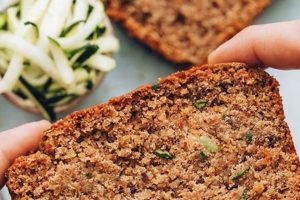
A baked good, this offering incorporates plant-based ingredients to replicate the texture and flavor of traditional banana bread. Oats are used as a substantial component, contributing to its overall structure and nutritional profile. For instance, the absence of eggs and dairy necessitates alternative binding and moisturizing agents, commonly found in vegan baking.
Its appeal lies in its adaptability for those following specific dietary restrictions or preferences. The inclusion of oats enhances fiber content, potentially contributing to improved digestive health. Historically, modifications to standard recipes have allowed individuals with sensitivities or ethical commitments to enjoy familiar comfort foods.
This composition allows for exploration of ingredient substitutions, baking techniques, and flavor variations within the context of plant-based desserts. Further discussion will elaborate on these aspects, providing practical guidance for crafting a successful final product.
Crafting Superior Vegan Banana Oat Bread
Achieving optimal texture and flavor requires attention to specific adjustments in traditional baking methods. The following tips provide guidance for producing a desirable outcome.
Tip 1: Optimize Banana Ripeness: Overripe bananas, characterized by brown spots, impart superior sweetness and moisture. They mash more easily, ensuring even distribution throughout the batter.
Tip 2: Employ Oat Flour Strategically: While rolled oats contribute texture, oat flour, either purchased or homemade, binds the batter more effectively, mimicking the role of gluten.
Tip 3: Select an Appropriate Liquid Binder: Non-dairy milk, such as almond or soy, provides moisture. A small addition of apple cider vinegar or lemon juice activates baking soda, enhancing the rise and creating a lighter crumb.
Tip 4: Incorporate a Fat Substitute: Vegan butter, coconut oil, or applesauce serve as alternatives to traditional butter, contributing to moisture and tenderness. The choice influences the final flavor profile.
Tip 5: Measure Dry Ingredients Accurately: Precise measurements are crucial in baking. Use a kitchen scale for consistent results, particularly when working with oat flour and other alternative ingredients.
Tip 6: Avoid Overmixing: Overmixing develops gluten (if present) and results in a tough texture. Combine wet and dry ingredients until just incorporated, leaving minimal streaks of flour.
Tip 7: Monitor Baking Time Closely: Baking times may vary depending on the oven. Insert a toothpick into the center; if it emerges clean, the bread is done. Overbaking leads to dryness.
Implementing these techniques allows for the creation of a satisfying, plant-based version of a classic baked good. Careful attention to ingredient ratios and baking processes is paramount.
The subsequent section will address potential troubleshooting issues and offer alternative flavor combinations to further refine the recipe.
1. Ingredient Substitutions

Ingredient substitutions are fundamental to the creation of vegan banana oat bread, representing the core mechanism by which traditional recipes are adapted to adhere to plant-based dietary principles. The absence of animal products such as eggs and dairy necessitates the utilization of alternative components that mimic their functional properties. For instance, flaxseed meal mixed with water acts as a binding agent similar to eggs, contributing to structural integrity. Similarly, plant-based milk, such as almond or soy milk, replaces dairy, providing moisture and contributing to the overall texture. The selection of appropriate replacements directly impacts the success of the final product, influencing its rise, crumb structure, and overall mouthfeel.
A critical consideration is the impact of specific substitutions on flavor and texture. For example, using coconut oil instead of butter as a fat source introduces a distinct coconut flavor profile, which may be desirable in some contexts but inappropriate in others. Similarly, substituting refined sugar with maple syrup or agave nectar not only alters the sweetness level but also introduces additional moisture, potentially requiring adjustments to dry ingredient ratios. The choice of oat flour versus rolled oats influences the bread’s density and chewiness, highlighting the need for careful consideration of the desired textural outcome. Empirical evidence suggests that experimenting with different combinations of substitutes is essential for optimizing the recipe to individual preferences.
In summary, ingredient substitutions are not merely replacements but integral factors shaping the characteristics of plant-based baked goods. Understanding the functional properties of each component and its impact on the final product is vital. Successfully navigating the complexities of ingredient substitution results in a high-quality version of a traditionally non-vegan item, catering to a broader audience while maintaining culinary integrity. Further research into novel plant-based ingredients and their applications in baking promises ongoing advancements in vegan cuisine.
2. Texture Development

Texture development is a central consideration in vegan banana oat bread, significantly influencing the perceived quality and overall palatability of the final product. The absence of traditional binding agents, such as eggs and gluten, necessitates careful manipulation of alternative ingredients to achieve a desirable consistency.
- Starch Gelatinization and Retrogradation
The gelatinization of starches, primarily from oats and bananas, plays a key role in structure formation during baking. Starch granules absorb water and swell, creating a viscous matrix. Retrogradation, the recrystallization of starch upon cooling, affects the bread’s firmness. Managing water content and baking time minimizes excessive retrogradation, preventing a gummy texture.
- Fiber Contribution from Oats
Oats contribute both soluble and insoluble fiber, influencing the bread’s chewiness and density. Soluble fiber creates a gel-like structure, while insoluble fiber adds bulk. The proportion of rolled oats to oat flour determines the overall textural outcome; excessive rolled oats can result in a coarse crumb, while an abundance of oat flour may lead to a denser product.
- Moisture Retention and Humectants
Maintaining adequate moisture is critical in vegan baking. Overripe bananas provide substantial moisture, but additional humectants, such as maple syrup or applesauce, can enhance moisture retention. These ingredients attract and bind water, preventing the bread from drying out during baking and storage.
- Fat Emulsification and Softening
The role of fats, typically from vegan butter or oil, extends beyond flavor. Fats emulsify with other ingredients, creating air pockets that contribute to a lighter texture. Solid fats, like coconut oil, soften during baking, creating tenderness. The type and quantity of fat directly impact the bread’s overall softness and crumb structure.
The interplay of these textural facetsstarch gelatinization, fiber contribution, moisture retention, and fat emulsificationcollectively determines the final quality of vegan banana oat bread. Understanding their individual roles allows for targeted adjustments to the recipe, optimizing texture and ensuring a satisfying final product.
3. Flavor Complexity

In the context of vegan banana oat bread, flavor complexity is not merely the presence of multiple distinct tastes, but rather the harmonious integration of diverse flavor notes that create a nuanced and satisfying gustatory experience. The inherent sweetness of ripe bananas, the subtle nuttiness of oats, and the richness imparted by plant-based fats form the foundation upon which a complex flavor profile can be constructed. The absence of traditional dairy products necessitates a more deliberate approach to flavor development to compensate for the loss of familiar richness and mouthfeel. Spices, such as cinnamon, nutmeg, or cardamom, are often employed to introduce warm, aromatic layers that complement the banana and oat flavors. The addition of ingredients like vanilla extract, toasted nuts, or chocolate chips further contributes to the multi-dimensional taste profile.
The development of flavor complexity in vegan banana oat bread is a deliberate process that requires a balanced understanding of ingredient interactions and flavor affinities. Overripe bananas, for instance, not only provide sweetness and moisture, but also contribute a distinctive fermented note that adds depth to the overall flavor. The selection of oat varietiesrolled oats versus quick oats versus oat flourinfluences the texture, which in turn impacts the perception of flavor. The careful balancing of wet and dry ingredients is crucial to avoid a bland or one-dimensional taste. Moreover, the baking process itself contributes to flavor development through Maillard reactions, caramelization, and the release of volatile aromatic compounds. A well-executed vegan banana oat bread exhibits a symphony of flavors that evolve on the palate, creating a more memorable and enjoyable sensory experience.
In summary, flavor complexity is an essential attribute of high-quality vegan banana oat bread. It elevates the simple combination of bananas and oats into a sophisticated and rewarding culinary creation. By strategically incorporating complementary flavors, controlling texture, and optimizing the baking process, it is possible to achieve a taste profile that rivals traditional, non-vegan counterparts. The pursuit of flavor complexity represents a key challenge and a significant opportunity for innovation in the realm of plant-based baking.
4. Nutritional Profile
The nutritional profile of vegan banana oat bread is a key consideration, particularly for individuals seeking plant-based options that align with specific dietary goals or restrictions. This baked item’s composition offers a blend of macronutrients and micronutrients derived from its constituent ingredients.
- Macronutrient Composition
This concerns the distribution of carbohydrates, proteins, and fats. The carbohydrates, primarily from bananas and oats, provide energy. Proteins, though present in smaller quantities from oats and nuts (if added), contribute to satiety. The fat content, sourced from plant-based oils or nut butters, influences the overall caloric density and provides essential fatty acids.
- Fiber Content and Digestive Health
Oats are a significant source of dietary fiber, both soluble and insoluble. Soluble fiber can aid in regulating blood sugar levels and lowering cholesterol, while insoluble fiber promotes bowel regularity. The inclusion of oats in the bread enhances its contribution to daily fiber intake, potentially benefiting digestive health.
- Micronutrient Availability
Bananas contribute potassium and vitamin B6, while oats provide iron and magnesium. The specific micronutrient profile varies based on the precise recipe and the inclusion of additional ingredients like nuts or seeds, which may contribute vitamin E or selenium.
- Sugar Content and Glycemic Impact
The inherent sweetness of bananas, along with added sugars (if any), affects the bread’s glycemic index. Recipes may utilize alternative sweeteners like maple syrup or agave nectar, which have different glycemic impacts than refined sugar. Moderation in sweetener use is advisable to maintain a balanced nutritional profile.
Collectively, these facetsmacronutrient composition, fiber content, micronutrient availability, and sugar contentdefine the nutritional value of vegan banana oat bread. Conscious ingredient selection and portion control allow for the enjoyment of this baked good while adhering to specific nutritional requirements.
5. Baking Methodology

Baking methodology constitutes a critical determinant of the final quality and characteristics of vegan banana oat bread. The specific techniques employed directly influence texture, flavor, and overall structural integrity. Understanding the nuances of each step is essential for achieving a desirable outcome.
- Ingredient Incorporation and Mixing Techniques
The manner in which ingredients are combined affects gluten development (if wheat flour is included) and air incorporation. Overmixing can result in a tough texture, particularly when using wheat flour alternatives that lack gluten. Gentle folding techniques are often preferred to maintain a light and airy crumb. The order in which ingredients are added (wet into dry, or vice versa) also impacts the final product. For example, creaming plant-based butter with sugar (if included) before adding liquid ingredients can improve aeration.
- Oven Temperature and Baking Time
Precise temperature control is paramount to ensure proper starch gelatinization and protein coagulation (if any). Excessive heat can lead to rapid browning and a dry interior, while insufficient heat may result in a dense and underbaked product. Baking time must be adjusted based on oven calibration and the specific recipe. The use of a thermometer to verify internal temperature ensures thorough baking without over-drying.
- Pan Preparation and Size
The type and size of the baking pan impact heat distribution and baking time. Dark-colored pans absorb more heat, potentially leading to faster browning, whereas light-colored pans reflect heat. Proper greasing and flouring (or using parchment paper) prevents sticking and facilitates easy removal. Using a pan size that deviates from the recipe’s specifications alters the baking time and potentially affects the bread’s texture.
- Cooling and Storage Procedures
Allowing the bread to cool in the pan for a specified time before transferring it to a wire rack prevents structural damage. Cooling on a wire rack promotes even air circulation, minimizing moisture condensation. Proper storage, typically in an airtight container at room temperature or in the refrigerator, extends shelf life and preserves freshness. Slicing and freezing portions allows for longer-term storage without significant quality degradation.
These elements of baking methodology, ranging from ingredient incorporation to cooling procedures, are integral to the successful execution of vegan banana oat bread. Precise attention to each step maximizes the potential of the ingredients and ensures a palatable and visually appealing final product. Adjustments to these techniques based on specific ingredients and oven characteristics may be necessary to achieve optimal results.
6. Shelf Life

The shelf life of vegan banana oat bread constitutes a significant consideration for both producers and consumers. This aspect is intrinsically linked to ingredient selection, baking techniques, and storage conditions, all of which collectively determine the duration for which the product retains acceptable quality and safety characteristics.
- Moisture Content and Water Activity
Elevated moisture content, a common characteristic of banana-based baked goods, directly correlates with reduced shelf life due to increased susceptibility to microbial growth, specifically molds and yeasts. Water activity, representing the amount of unbound water available for microbial metabolism, serves as a key indicator of spoilage potential. Lowering water activity through ingredient adjustments or baking techniques can extend the product’s usability. For instance, incorporating ingredients with lower water activity, such as certain flours or dried fruits, can mitigate this effect. Alternatively, optimizing baking parameters to ensure adequate moisture removal without compromising texture is crucial.
- Lipid Oxidation and Rancidity
Plant-based fats, often used in vegan baking as substitutes for butter, are susceptible to oxidation, leading to rancidity and off-flavors. Exposure to oxygen, light, and heat accelerates this process. Incorporating antioxidants, either naturally present in ingredients or added as preservatives, can retard lipid oxidation. Furthermore, packaging the bread in airtight containers, preferably with oxygen absorbers, and storing it in cool, dark conditions minimizes exposure to environmental factors that promote rancidity. The choice of fat source also matters; some plant-based oils are more prone to oxidation than others.
- Starch Retrogradation and Texture Changes
Starch retrogradation, the recrystallization of starch molecules over time, leads to a firming and staling of the bread’s texture. This process is particularly pronounced in baked goods with high starch content, such as those containing oats. Employing techniques to slow retrogradation, such as the inclusion of humectants (e.g., honey or molasses, if acceptable within dietary parameters), storing the bread at slightly elevated temperatures (though not conducive to long-term microbial stability), or freezing portions for later use, can maintain a more desirable texture over an extended period.
- Microbial Spoilage and Preservation Techniques
The absence of preservatives commonly found in commercially produced baked goods increases the vulnerability of vegan banana oat bread to microbial spoilage. Molds, yeasts, and bacteria can proliferate, rendering the product unsafe for consumption. Implementing stringent sanitation practices during preparation, using sterilized equipment, and incorporating natural preservatives, such as vinegar or citric acid, can inhibit microbial growth. Additionally, packaging the bread in modified atmosphere packaging (MAP) can extend its shelf life by reducing oxygen levels and inhibiting the growth of aerobic microorganisms.
The interplay of these factorsmoisture content, lipid oxidation, starch retrogradation, and microbial spoilagedictates the shelf life of vegan banana oat bread. Addressing each aspect through careful ingredient selection, optimized baking techniques, and appropriate storage conditions is essential for maximizing product longevity and maintaining consumer satisfaction. While refrigeration can extend shelf life, it also accelerates starch retrogradation. Freezing, on the other hand, preserves the product for longer durations but may affect texture upon thawing. A comprehensive understanding of these trade-offs allows for informed decision-making regarding production, storage, and consumption practices.
Frequently Asked Questions
This section addresses common inquiries regarding the preparation, properties, and preservation of vegan banana oat bread, providing concise and informative answers.
Question 1: Is vegan banana oat bread inherently gluten-free?
The presence or absence of gluten depends on the type of flour used. Recipes employing oat flour and other gluten-free flour blends are suitable for individuals with gluten sensitivities. Conversely, recipes incorporating wheat flour contain gluten.
Question 2: How can the moisture content of vegan banana oat bread be controlled?
Moisture content is primarily influenced by the ripeness of bananas and the quantity of liquid ingredients. Overripe bananas contribute more moisture, while adjustments to non-dairy milk or oil content can fine-tune the bread’s hydration.
Question 3: What are suitable alternatives for eggs in vegan banana oat bread?
Flaxseed meal mixed with water, applesauce, or mashed avocado serve as effective egg replacements, providing binding and moisture.
Question 4: How does storage affect the texture of vegan banana oat bread?
Improper storage leads to dryness or staleness. Storing the bread in an airtight container at room temperature, or refrigerating it, slows down moisture loss. Freezing is also an option for longer-term preservation, although it may slightly alter the texture upon thawing.
Question 5: Can nuts or seeds be added to vegan banana oat bread?
The addition of nuts or seeds is permissible and contributes to both flavor and nutritional value. However, consider potential allergens when sharing or selling the bread.
Question 6: What are signs of spoilage in vegan banana oat bread?
Visible mold growth, an off odor, or a slimy texture indicate spoilage. The bread is unsafe for consumption if any of these signs are present.
Proper ingredient selection, meticulous baking techniques, and appropriate storage methods are key to optimizing the quality and longevity of vegan banana oat bread.
The subsequent section explores potential recipe variations and creative adaptations of vegan banana oat bread.
Conclusion
This exploration of vegan banana oat bread has addressed its multifaceted aspects, from ingredient substitutions and texture development to flavor complexity, nutritional profile, baking methodology, and shelf life. A comprehensive understanding of these elements is crucial for consistent and successful production.
As dietary preferences evolve, the significance of well-executed, plant-based alternatives continues to increase. Further refinement of techniques and exploration of novel ingredients will undoubtedly enhance the appeal and accessibility of vegan banana oat bread in the future. Continued research and innovation remain paramount to advancing plant-based baking.
![Easy Vegan Spelt Banana Bread Recipe [Healthy & Delicious] | Discover Delicious Vegan Food, Beauty Swaps, and Zero-Waste Tips for a Greener Life](https://thisvegangirl.com/wp-content/uploads/2026/03/th-42-300x200.jpg "Easy Vegan Spelt Banana Bread Recipe [Healthy & Delicious] Discover Delicious Vegan Food, Beauty Swaps, and Zero-Waste Tips for a Greener Life")