![Easy Vegan Gluten-Free Lunch Ideas [Recipes]](data:image/svg+xml;base64,PHN2ZyB4bWxucz0iaHR0cDovL3d3dy53My5vcmcvMjAwMC9zdmciIHdpZHRoPSI0NzQiIGhlaWdodD0iMTUwIiB2aWV3Qm94PSIwIDAgNDc0IDE1MCI+PHJlY3Qgd2lkdGg9IjEwMCUiIGhlaWdodD0iMTAwJSIgc3R5bGU9ImZpbGw6I2NmZDRkYjtmaWxsLW9wYWNpdHk6IDAuMTsiLz48L3N2Zz4= "Easy Vegan Gluten-Free Lunch Ideas [Recipes] Discover Delicious Vegan Food, Beauty Swaps, and Zero-Waste Tips for a Greener Life")
The convergence of dietary restrictions presents a unique challenge in meal planning. Plant-based diets, excluding all animal products, combined with the elimination of gluten, a protein found in wheat, barley, and rye, necessitate creative approaches to ensure nutritional adequacy and culinary satisfaction. These restrictions affect a significant and growing population seeking palatable and healthful meals. A typical example might be a quinoa salad with roasted vegetables and a tahini dressing, avoiding both animal derivatives and gluten-containing grains.
The significance of adhering to both vegan and gluten-free guidelines stems from various health considerations. For some, it is a matter of managing celiac disease or non-celiac gluten sensitivity, while for others, it aligns with ethical or environmental values associated with veganism. The benefits extend beyond symptom management to potentially include improved cardiovascular health, reduced inflammation, and enhanced digestive function, contingent upon a well-balanced dietary intake. Historically, adapting traditional recipes to meet these criteria required significant ingredient substitutions and modifications, but the availability of alternative flours and plant-based proteins has simplified the process.
This article will explore various aspects of crafting midday meals that successfully navigate these dietary constraints. The focus will be on providing practical suggestions, ingredient spotlights, and recipe adaptations that allow individuals to enjoy diverse and nutritious lunches, while remaining within the defined parameters of vegan and gluten-free eating. Further sections will detail optimal nutrient sources, quick and easy preparation techniques, and ideas for meal prepping to facilitate consistent adherence to these dietary guidelines.
Successfully combining vegan and gluten-free dietary requirements for lunch necessitates careful planning and informed food choices. The following tips offer guidance for creating satisfying and nutritionally complete midday meals.
Tip 1: Emphasize Whole, Unprocessed Foods: Base meals on naturally gluten-free and vegan staples such as vegetables, fruits, legumes, nuts, and seeds. For example, a large salad incorporating lentils, spinach, bell peppers, and a lemon-tahini dressing delivers essential nutrients and fiber.
Tip 2: Prioritize Protein Sources: Ensure adequate protein intake through plant-based sources like tofu, tempeh, beans, lentils, and quinoa. A baked tofu and vegetable stir-fry over quinoa can provide a substantial and balanced lunch.
Tip 3: Explore Gluten-Free Grains: Utilize gluten-free grains and pseudo-grains like quinoa, brown rice, buckwheat, and amaranth for variety. A quinoa bowl with roasted sweet potatoes, black beans, and avocado offers a hearty and flavorful option.
Tip 4: Master Gluten-Free Baking: Develop skills in gluten-free baking for homemade bread, muffins, or wraps. Employ a blend of gluten-free flours, such as rice flour, tapioca starch, and potato starch, for optimal texture.
Tip 5: Prepare in Advance: Dedicate time for meal preparation on weekends or evenings to streamline weekday lunches. Pre-cooking grains, chopping vegetables, and assembling dressings significantly reduces daily preparation time.
Tip 6: Read Labels Carefully: Scrutinize ingredient lists for hidden sources of gluten, such as soy sauce or modified food starch. Opt for certified gluten-free products whenever possible.
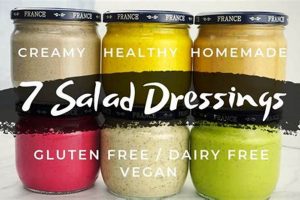
Tip 7: Utilize Versatile Dressings: Create flavorful dressings using ingredients like olive oil, lemon juice, vinegar, tahini, and herbs. These can enhance the taste of salads, grain bowls, and vegetable-based dishes.
Consistently implementing these tips allows for the creation of delicious and nutritious vegan and gluten-free lunches. Strategic planning and informed food choices are vital for sustaining a balanced diet.
The next section will address specific recipe ideas and considerations for adapting existing recipes to meet both vegan and gluten-free criteria.
1. Nutrient Density

Nutrient density, defined as the concentration of micronutrients and macronutrients relative to caloric content, assumes heightened importance in the context of vegan and gluten-free lunch options. Restricting both animal products and gluten-containing grains necessitates careful selection of foods to ensure adequate intake of essential vitamins, minerals, and amino acids. Failure to prioritize nutrient-dense ingredients can lead to deficiencies and compromise overall health. For instance, eliminating meat necessitates replacing iron and vitamin B12 sources with plant-based alternatives such as lentils, fortified plant milks, and nutritional yeast. Neglecting this replacement can result in iron-deficiency anemia and neurological issues.
A strategic approach to boosting nutrient density involves incorporating a wide array of colorful vegetables, legumes, nuts, seeds, and gluten-free grains. A balanced lunch incorporating a variety of foods is crucial for maintaining optimal health. Consider a salad comprising spinach (rich in iron and vitamin K), bell peppers (high in vitamin C), quinoa (a complete protein source), and chickpeas (providing fiber and folate). Supplementing this with a dressing made from tahini (containing calcium and iron) and lemon juice (enhancing iron absorption) further elevates the meal’s nutritional profile. This strategic combination addresses the potential nutritional gaps created by the dietary restrictions.
In conclusion, the successful creation of vegan and gluten-free lunches hinges on a thorough understanding of nutrient density and proactive ingredient selection. Challenges may arise from the limited bioavailability of certain nutrients in plant-based foods, necessitating strategies like combining foods to enhance absorption. By prioritizing nutrient-dense choices, individuals can maintain optimal health and well-being while adhering to these dietary guidelines. The emphasis on nutrient density is an essential component of any vegan and gluten-free diet.
2. Recipe adaptation

Recipe adaptation serves as a fundamental pillar in the successful implementation of vegan and gluten-free lunch plans. Individuals often seek to recreate familiar dishes within these dietary constraints, necessitating alterations to traditional recipes. The process of adaptation involves substituting ingredients, modifying cooking techniques, and adjusting flavor profiles to align with both vegan and gluten-free parameters.
- Flour Substitution Strategies
The replacement of wheat flour, a standard ingredient in many lunch items, demands careful consideration of texture and binding properties. Gluten-free flour blends, often comprising rice flour, tapioca starch, and potato starch, provide alternatives. However, these blends may require the addition of binding agents like xanthan gum or psyllium husk to mimic the structure of gluten. The choice of flour blend affects the final product’s taste and consistency, necessitating experimentation to achieve optimal results in baked goods and sauces. Different blend has their unique features.
- Dairy and Egg Replacements
Vegan recipe adaptation mandates the substitution of dairy products and eggs. Plant-based milks, such as almond, soy, or oat milk, replace cow’s milk. Tofu, mashed bananas, applesauce, or flaxseed meal mixed with water can serve as egg replacers, depending on the recipe’s purpose. Tofu can work in vegan gluten free recipes. The functional properties of eggs, like binding and leavening, require careful consideration when choosing a substitute; for instance, aquafaba (chickpea brine) excels as a vegan egg white substitute in meringues.
- Protein Source Modification
Adapting recipes that traditionally feature meat or other animal-based protein sources involves incorporating plant-based alternatives. Tofu, tempeh, lentils, beans, and quinoa are common replacements. These alternatives often require adjustments in cooking time and seasoning to achieve palatable flavors and textures. Marinating tofu or tempeh before cooking can enhance its flavor profile and improve its ability to absorb sauces, resulting in a more satisfying final product in vegan gluten free recipes.
- Flavor Profile Adjustments
The absence of certain ingredients, such as dairy fats or gluten-derived textures, can impact the overall flavor profile of adapted recipes. Compensating for these changes often involves intensifying existing flavors or introducing new ones. Utilizing herbs, spices, citrus juices, and umami-rich ingredients like nutritional yeast can enhance the savory or sweet qualities of the dish. Experimentation with different flavor combinations is often necessary to achieve a balanced and appealing taste that aligns with both vegan and gluten-free palates.
Ultimately, successful recipe adaptation for vegan and gluten-free lunches relies on a combination of technical knowledge, culinary creativity, and a willingness to experiment. Each substitution and modification influences the final product’s texture, taste, and nutritional value, demanding a meticulous approach to recipe development. Achieving a balance between dietary requirements and culinary satisfaction is paramount to ensure adherence and enjoyment.
3. Ingredient Substitution

Ingredient substitution forms the cornerstone of vegan and gluten-free lunch creation. The dietary restrictions inherently demand the replacement of animal-derived components and gluten-containing grains with suitable alternatives. This process is not merely about swapping one item for another; it requires an understanding of the functional properties of each ingredient to maintain the desired texture, flavor, and nutritional profile of the meal. Failure to adequately address the role of each ingredient results in unpalatable or nutritionally deficient lunches. For example, replacing wheat flour in a sandwich wrap necessitates the use of gluten-free flour blends, often incorporating binders like xanthan gum to replicate the elasticity and structure of gluten.
The importance of appropriate ingredient substitution extends beyond taste and texture; it directly impacts the nutritional value of the lunch. Plant-based protein sources, such as lentils, beans, or tofu, replace animal proteins to ensure adequate amino acid intake. Similarly, fortified plant-based milks provide calcium and vitamin D typically found in dairy products. Ignoring these nutritional considerations can lead to deficiencies, impacting overall health and well-being. Consider a traditional pasta salad: substituting wheat pasta with chickpea pasta not only eliminates gluten but also increases the protein and fiber content, thereby enhancing the nutritional value of the meal. This strategic approach allows for both dietary adherence and optimized nutrition.
Ingredient substitution, therefore, represents a critical skill in crafting viable and nutritious vegan and gluten-free lunches. It requires a knowledge of culinary techniques, an understanding of food science principles, and careful attention to nutritional balance. The successful application of this skill allows individuals to enjoy a diverse range of lunch options while adhering to their dietary needs. However, challenges exist, including the potential for added sugars or refined starches in some gluten-free products. Careful label reading and a focus on whole, unprocessed foods are essential to navigate these challenges effectively. Ultimately, proficient ingredient substitution bridges the gap between dietary restriction and culinary satisfaction.
4. Cross-contamination prevention

Cross-contamination prevention is a critical element in the preparation of vegan and gluten-free lunch options. Its importance stems from the potential for unintended introduction of animal products or gluten into meals intended to be free of these components, thereby negating the dietary restrictions. The following points outline key facets of cross-contamination prevention in this context.
- Dedicated Utensils and Equipment
The use of separate cutting boards, knives, cookware, and serving utensils exclusively for vegan and gluten-free food preparation minimizes the risk of cross-contact. Shared equipment can harbor traces of animal products or gluten even after washing. For example, a cutting board used to prepare meat can retain microscopic remnants that transfer to subsequently prepared vegetables. Dedicated equipment mitigates this risk.
- Thorough Cleaning Practices
Effective cleaning procedures are crucial when shared kitchen facilities are unavoidable. All surfaces, including countertops, sinks, and stovetops, must be meticulously cleaned with soap and water prior to preparing vegan and gluten-free meals. Dishwashers should be thoroughly cleaned and sanitized. This minimizes the potential for residual gluten or animal fats to contaminate the preparation process. Special attention should be paid to porous materials, which are difficult to clean completely.
- Ingredient Storage Protocols
Proper ingredient storage prevents cross-contamination in pantries and refrigerators. Vegan and gluten-free ingredients should be stored separately from animal products and gluten-containing items. Storing gluten-free flours above wheat flour, for example, can result in cross-contamination through airborne particles. Utilizing airtight containers and labeling ingredients clearly reduces the risk of accidental contamination.
- Careful Product Selection and Verification
Scrutinizing product labels and verifying the “certified gluten-free” and “vegan” designations is essential. Some products may contain hidden sources of gluten or animal derivatives. Sauces, seasonings, and processed foods are potential sources of cross-contamination. Reliance on certified products and diligent label review minimizes the risk of unintended exposure.
These measures are vital in maintaining the integrity of vegan and gluten-free lunches. Cross-contamination can have significant health implications for individuals with celiac disease, gluten sensitivity, or allergies to animal products. Consequently, stringent adherence to these preventative practices is paramount in ensuring the safety and suitability of these meals.
5. Time efficiency

Time efficiency represents a crucial determinant in the feasibility and sustainability of adhering to vegan and gluten-free dietary practices, particularly concerning lunch preparation. The demands of modern life often necessitate quick and convenient meal solutions. Therefore, the perceived or actual time investment associated with preparing vegan and gluten-free lunches directly impacts an individual’s ability to consistently maintain these dietary guidelines. Insufficient consideration of time constraints can lead to reliance on less-healthy processed alternatives or abandonment of the dietary regimen altogether. For instance, a complex recipe requiring extensive preparation and cooking time may prove impractical for individuals with limited lunch breaks, prompting them to opt for readily available, but less desirable, options. Consequently, strategies for optimizing time efficiency are paramount to promoting the long-term adoption of vegan and gluten-free lunches.
Practical strategies for enhancing time efficiency encompass several key areas. Meal prepping, involving the preparation of multiple lunches in advance, is a significant time-saving technique. Batch cooking grains like quinoa or rice, chopping vegetables, and preparing sauces or dressings on weekends reduces daily preparation time considerably. Moreover, utilizing readily available convenience ingredients, such as pre-cut vegetables, canned beans, or pre-cooked tofu, can streamline the cooking process. Consider the difference between preparing a lentil soup from scratch versus utilizing canned lentils and pre-chopped vegetables; the latter approach significantly reduces preparation time without compromising nutritional value. Employing efficient cooking methods, such as one-pot meals or sheet-pan dinners, also minimizes both cooking time and cleanup. The selection of recipes that prioritize simplicity and minimal ingredients further contributes to time efficiency in vegan gluten free meals.
In conclusion, time efficiency plays a critical role in the consistent adoption of vegan and gluten-free lunch ideas. The perception that these dietary choices are excessively time-consuming can act as a significant barrier to adherence. By prioritizing time-saving strategies, such as meal prepping, utilizing convenience ingredients, and selecting efficient recipes, individuals can effectively integrate vegan and gluten-free lunches into their daily routines. Addressing the time efficiency component not only promotes adherence but also enhances the overall accessibility and practicality of these dietary choices, leading to improved long-term sustainability. A vegan and gluten free diet needs good management to be a success.
6. Flavor diversity

Flavor diversity functions as a critical element in the sustained appeal and nutritional adequacy of vegan and gluten-free lunches. The inherent restrictions of excluding both animal products and gluten-containing grains present a potential risk of dietary monotony. Lack of flavor variation can lead to reduced adherence to the dietary regimen, potentially resulting in nutrient deficiencies or a return to less restrictive, but less healthful, eating habits. The deliberate incorporation of diverse flavors, textures, and culinary traditions is therefore essential for long-term success. For instance, limiting vegan and gluten-free lunches solely to basic salads would likely result in both boredom and inadequate nutrient intake. Diverse flavor can boost dietary satisfaction for people with vegan and gluten free lunches.
A practical approach to achieving flavor diversity involves the strategic use of herbs, spices, global cuisines, and varied cooking methods. Integrating spices such as cumin, coriander, turmeric, and smoked paprika can transform otherwise bland dishes. Exploring culinary traditions from around the world offers a wealth of vegan and gluten-free recipes, such as Thai curries prepared with coconut milk and rice noodles, or Mexican-inspired bowls featuring black beans, corn, avocado, and salsa. Incorporating a range of cooking methods, including roasting, grilling, sauting, and steaming, can also enhance the sensory experience of vegan and gluten-free lunches. A roasted vegetable medley, for example, offers a different flavor profile and texture compared to steamed or boiled vegetables. Flavor needs to be in any of your meals.
In summary, flavor diversity is not merely an aesthetic consideration but a functional necessity for successful implementation of vegan and gluten-free lunch ideas. A varied and flavorful dietary approach enhances palatability, promotes long-term adherence, and ensures adequate nutrient intake. Overcoming the potential for dietary monotony requires a conscious effort to incorporate diverse culinary techniques, global cuisines, and a wide range of herbs, spices, and plant-based ingredients. By prioritizing flavor diversity, individuals can sustain both their dietary commitments and their enjoyment of food, thus improving overall adherence and quality of life. A great flavor for a vegan gluten free lunch idea can be a game changer.
Frequently Asked Questions
The following questions and answers address common inquiries regarding the preparation and nutritional considerations associated with vegan and gluten-free lunch options.
Question 1: Is it difficult to obtain sufficient protein on a vegan and gluten-free diet?
Protein adequacy requires careful planning but is achievable. Legumes (lentils, beans, chickpeas), tofu, tempeh, quinoa, nuts, and seeds offer plant-based protein sources. Combining these sources throughout the day ensures a complete amino acid profile.
Question 2: Are commercially prepared vegan and gluten-free products always healthy?
Not necessarily. Some commercially available products may be high in sodium, sugar, or unhealthy fats. Scrutinizing ingredient lists and nutritional information is crucial. Prioritizing whole, unprocessed foods is generally preferable.
Question 3: How can cross-contamination be prevented when preparing vegan and gluten-free lunches in a shared kitchen?
Utilizing dedicated utensils, cutting boards, and cookware minimizes cross-contamination risk. Thoroughly cleaning all surfaces before preparation is essential. Storing vegan and gluten-free ingredients separately from potential contaminants is also recommended.
Question 4: What are some common nutrient deficiencies to be aware of on a vegan and gluten-free diet?
Potential deficiencies include vitamin B12, iron, calcium, vitamin D, and omega-3 fatty acids. Fortified foods and supplementation may be necessary to address these deficiencies. Consulting a registered dietitian or healthcare professional is advised.
Question 5: How can flavor fatigue be avoided when adhering to a vegan and gluten-free diet?
Experimenting with diverse herbs, spices, and culinary traditions introduces variety. Exploring different cooking methods (roasting, grilling, steaming) also enhances flavor profiles. Incorporating global cuisines and unique flavor combinations combats monotony.
Question 6: What are some quick and easy vegan and gluten-free lunch ideas for busy individuals?
Salads with quinoa, lentils, and vegetables; soup; stir-fries with tofu or tempeh and gluten-free soy sauce. Pre-preparing ingredients and utilizing leftovers streamlines the preparation process. Batch cooking components for multiple lunches saves time during the week.
In summary, careful planning, diligent label reading, and a focus on nutrient density are crucial for successful implementation of vegan and gluten-free lunch options. These FAQs address common concerns and provide guidance for achieving both dietary adherence and optimal nutrition.
The next section will delve into specific recipe examples suitable for vegan and gluten-free lunches.
Vegan and Gluten Free Lunch Ideas
This article has explored the multifaceted aspects of preparing midday meals that adhere to both vegan and gluten-free dietary guidelines. Key areas addressed included nutrient density, recipe adaptation, ingredient substitution, cross-contamination prevention, time efficiency, and flavor diversity. The synthesis of these elements is essential for the creation of satisfying, nutritious, and sustainable lunch options that meet the needs of individuals following these restrictive diets. From mastering gluten-free baking to strategically incorporating plant-based protein sources, a comprehensive understanding of these principles is paramount.
The consistent and informed application of the strategies outlined herein enables individuals to navigate the complexities of vegan and gluten-free eating with confidence. Adherence to these dietary guidelines demands a proactive and knowledgeable approach, but the benefits improved health outcomes, ethical alignment, and environmental consciousness are significant. The journey towards culinary proficiency in this domain requires commitment and experimentation. It is encouraged to seek professional guidance from registered dietitians or healthcare providers to ensure optimal nutritional adequacy and long-term well-being in their vegan and gluten free lunch ideas.