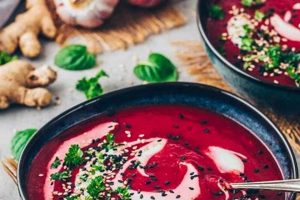
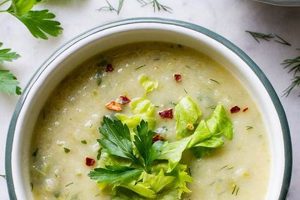
A plant-based substitute for a classic comfort food, this variation offers a way to enjoy the rich, savory flavors without any animal products. It typically replaces dairy cream with ingredients like cashew cream, coconut milk, or blended silken tofu to achieve a similar texture and mouthfeel. Common examples include recipes that utilize vegetable broth, sauted mushrooms (such as cremini or shiitake), and thickening agents like cornstarch or flour.
The appeal of this food option stems from dietary restrictions, ethical considerations, and health choices. For individuals following a vegan lifestyle or those with lactose intolerance, it provides an accessible and satisfying meal. Furthermore, these alternatives often incorporate ingredients rich in vitamins, minerals, and fiber, potentially contributing to a more nutritious dietary profile. The growing interest reflects a broader trend towards plant-based eating and conscious consumerism.
Therefore, the following discussion will explore diverse approaches to crafting these substitutes, analyzing various ingredients and techniques to achieve optimal flavor and texture. It will delve into specific recipes, nutritional considerations, and practical tips for successful preparation.
Crafting Superior Plant-Based Mushroom Cream Soups
Achieving a rich and satisfying plant-based soup requires careful attention to ingredient selection and preparation techniques. The following tips provide guidance on maximizing flavor and texture.
Tip 1: Embrace Umami-Rich Ingredients: Employ ingredients like dried porcini mushrooms, soy sauce, or nutritional yeast to enhance the savory depth of the soup. Rehydrating dried mushrooms in the broth adds considerable flavor complexity.
Tip 2: Master the Roux: A well-executed roux, made with plant-based butter or oil and flour, forms the foundation for a creamy texture. Ensure thorough cooking of the roux to eliminate any raw flour taste.
Tip 3: Select the Appropriate Non-Dairy Cream: Cashew cream, coconut cream, or blended silken tofu each offer distinct textures and flavor profiles. Consider the desired outcome when selecting a dairy alternative; for instance, cashew cream provides a rich, neutral flavor, while coconut cream imparts a subtle sweetness.
Tip 4: Saut Mushrooms Properly: Achieving a deep, caramelized flavor from mushrooms requires proper sauting. Avoid overcrowding the pan and allow the mushrooms to brown before stirring. Different mushroom varieties, such as shiitake or maitake, offer unique flavor contributions.
Tip 5: Layer Flavors Gradually: Introduce herbs and spices in stages to allow flavors to meld and develop. Consider adding aromatics like garlic and shallots early in the cooking process to infuse the oil with flavor.
Tip 6: Utilize a High-Quality Broth: The quality of the vegetable broth significantly impacts the overall flavor of the soup. Homemade broth, or a high-quality store-bought variety, is recommended.
Tip 7: Blend for a Velvety Texture: Using an immersion blender or a regular blender (with caution) creates a smooth and creamy consistency. Partially blending the soup allows for a more textured result.
Incorporating these tips facilitates the creation of a plant-based soup that mirrors the richness and comfort of its traditional counterpart, catering to diverse dietary needs and preferences without compromising on flavor.
The subsequent sections will explore specific recipe variations and address potential challenges in adapting classic soup recipes.
1. Cashew Cream

Cashew cream serves as a pivotal ingredient in many formulations of this type of plant-based soup. Its primary function is to replicate the richness and creamy texture traditionally achieved with dairy cream. The production of cashew cream involves soaking raw cashews in water, followed by blending them until a smooth, viscous liquid forms. This process releases the cashews’ natural oils and starches, creating an emulsion that mimics the mouthfeel of dairy-based cream. Without cashew cream, or a similar substitute, the resulting soup can often lack the desired body and may taste thin or watery.
The incorporation of cashew cream significantly influences the flavor profile and texture of the final product. For instance, a recipe substituting cashew cream with a lower-fat alternative might necessitate the addition of other thickening agents or flavor enhancers to compensate for the reduced richness. Furthermore, the quality of the cashews themselves impacts the final taste; using fresh, unsalted cashews yields a more neutral flavor, allowing the other ingredients, such as the mushrooms and vegetable broth, to shine through. Real-world applications range from home cooking, where individuals seek healthier or ethically sourced alternatives, to the food industry, where manufacturers use cashew cream to create commercially available products that meet vegan dietary restrictions.
In summary, cashew cream’s contribution extends beyond mere substitution; it fundamentally transforms the structure and sensory experience of plant-based mushroom cream. While other alternatives exist, cashew cream remains a widely favored option due to its neutral taste, versatility, and ability to effectively emulate the creamy texture of dairy-based soups. Understanding its properties and role is crucial for culinary success in this area.
2. Coconut Milk
Coconut milk functions as a viable substitute for dairy cream in plant-based versions of mushroom soup. The fat content inherent in coconut milk contributes to a creamy texture reminiscent of traditional recipes. Its application directly influences the final consistency, providing body and richness that would otherwise be absent in a broth-based soup. For example, a recipe employing light coconut milk necessitates the inclusion of additional thickening agents to compensate for the reduced fat content, whereas full-fat coconut milk can stand alone as a primary cream substitute.
The flavor profile of coconut milk introduces a subtle sweetness and characteristic coconut taste to the soup. This necessitates a careful balancing of flavors to prevent the coconut from overpowering the mushroom’s earthy notes. Recipes often incorporate acidic elements, such as lemon juice or vinegar, to counteract the sweetness. Furthermore, the choice of coconut milkwhether canned, carton, or homemadeaffects the outcome. Canned coconut milk, particularly the full-fat variety, generally yields the richest and most pronounced coconut flavor, which may be either desirable or undesirable depending on the intended taste. Practical application involves experimentation with different brands and types of coconut milk to achieve the optimal flavor balance.
In summary, coconut milk presents a useful option for creating a creamy plant-based soup, although its distinct flavor profile requires careful consideration. Mastering its application involves understanding its fat content, flavor contributions, and the interplay with other ingredients. The key insight is the potential trade-off between texture and taste, which must be managed to produce a successful and palatable alternative to traditional dairy-based mushroom soup.
3. Mushroom varieties
The selection of mushroom varieties significantly impacts the flavor and texture of this soup substitute. Different species offer distinct flavor profiles, ranging from the mild earthiness of white button mushrooms to the more intense and umami-rich qualities of shiitake or porcini mushrooms. This choice directly affects the overall taste of the final product. For example, a soup made primarily with cremini mushrooms will possess a more robust flavor than one made solely with white button mushrooms. The use of a blend of different mushroom types can create a more complex and nuanced flavor profile.
Furthermore, the texture of the mushrooms influences the final consistency of the soup. Some varieties, such as oyster mushrooms, become tender and delicate when cooked, while others, like maitake, retain a firmer texture. Therefore, the intended texture of the soup influences mushroom selection. Consider a recipe requiring a smooth consistency; this could necessitate blending the soup thoroughly or selecting mushroom varieties that break down easily during cooking. Conversely, a recipe aiming for a chunkier texture might benefit from the inclusion of mushrooms that hold their shape well. Certain varieties like dried porcini are often rehydrated and their soaking liquid used to further intensify the flavor, demonstrating a more comprehensive utilization of specific mushroom attributes.
In conclusion, the strategic selection of mushroom varieties is a critical factor in creating a successful plant-based cream soup alternative. Understanding the unique flavor and textural contributions of each variety allows for precise control over the final product. Overlooking this aspect can lead to a soup that lacks depth or has an undesirable consistency. A mindful approach to mushroom selection, therefore, is essential for achieving a palatable and satisfying result.
4. Vegetable broth
Vegetable broth serves as the foundational liquid component, replacing the traditional use of dairy-based milk or cream, and frequently chicken broth, in plant-based mushroom soup substitutes. Its quality and composition significantly impact the overall flavor and nutritional profile of the final product.
- Base Flavor Profile
Vegetable broth contributes the primary flavor base for the soup. Its composition, derived from simmered vegetables, herbs, and spices, directly influences the overall taste. A bland broth yields a flavorless soup, while a well-seasoned broth enhances the earthy notes of the mushrooms and complements the creaminess achieved through other plant-based ingredients. Utilizing homemade broth, which allows for precise control over ingredients and seasoning, or selecting high-quality store-bought options, is therefore crucial for achieving a desirable flavor profile.
- Liquid Medium for Cooking
Beyond flavor, vegetable broth provides the liquid medium in which the mushrooms and other vegetables are cooked. This simmering process extracts flavor from the ingredients and allows them to soften, contributing to the soup’s overall texture. The appropriate amount of broth ensures proper cooking without rendering the soup too thin or overly concentrated. The ratio of broth to solid ingredients is a key factor in achieving the correct consistency.
- Enhancing Umami and Depth
Certain preparation techniques involving vegetable broth can amplify the umami and depth of flavor in the soup. For instance, using dried mushrooms, such as porcini, and reserving their soaking liquid to add to the broth can significantly enhance its savory characteristics. Similarly, incorporating roasted vegetables into the broth-making process imparts a richer, caramelized flavor. These methods demonstrate how the broth can be manipulated to compensate for the absence of meat-based ingredients traditionally used to add depth to cream of mushroom soup.
- Nutritional Contribution
Vegetable broth contributes to the nutritional value of the plant-based mushroom soup alternative. It provides vitamins, minerals, and antioxidants derived from the vegetables used in its preparation. Depending on the specific vegetables included, the broth can offer beneficial nutrients such as Vitamin C, Vitamin A, and potassium. Selecting nutrient-rich vegetables and avoiding excessive sodium content are important considerations when choosing or preparing vegetable broth for health-conscious applications.
These aspects collectively highlight the critical role of vegetable broth in creating a successful plant-based cream soup. Its influence extends beyond mere liquidity, encompassing flavor, texture, depth, and nutritional value. Mastering the selection and preparation of vegetable broth is therefore essential for achieving a palatable and nutritious alternative to traditional dairy-based versions.
5. Thickening Agents

Thickening agents are indispensable in replicating the characteristic creamy texture of traditional mushroom soup within plant-based alternatives. The absence of dairy fat necessitates the use of substances capable of increasing viscosity and providing a similar mouthfeel. The selection of a specific agent directly impacts the soup’s final consistency and, in some cases, its flavor profile. Common examples include cornstarch, tapioca starch, arrowroot powder, and flour. Each agent possesses unique properties that influence its suitability for different recipes. For instance, cornstarch creates a glossy, translucent finish, while flour can impart a slightly opaque and heartier texture. The quantity of thickening agent used must be carefully calibrated to avoid an overly thick or gummy result.
The application of these agents requires precise execution to achieve the desired outcome. Cornstarch and tapioca starch, for example, must be dispersed in cold water before being added to the hot soup to prevent clumping. A roux, made from flour and a plant-based fat, requires thorough cooking to eliminate any raw flour taste. Furthermore, the acidity of the soup can affect the thickening power of certain agents; for example, prolonged exposure to acidic ingredients can break down the thickening properties of cornstarch. In practical applications, a chef might choose arrowroot powder for its neutral flavor and ability to thicken at lower temperatures, making it suitable for delicate soups where overheating is a concern. Conversely, flour might be favored in rustic recipes where a more substantial texture is desired. The choice hinges on understanding the specific properties of each agent and their interaction with the other ingredients in the soup.
In conclusion, thickening agents are not merely optional additions but rather critical components in the construction of a satisfying plant-based mushroom soup alternative. Their effective use demands a nuanced understanding of their properties and how they interact with other ingredients. Challenges arise in selecting the appropriate agent and applying it correctly to achieve the desired consistency without compromising flavor or texture. Mastery of these techniques is essential for successfully emulating the creamy richness of traditional mushroom soup while adhering to plant-based dietary principles.
6. Umami Enhancers

The absence of animal products in plant-based mushroom soup alternatives necessitates the strategic use of umami enhancers to replicate the savory depth characteristic of traditional recipes. Umami, often described as a “fifth taste” alongside sweet, sour, salty, and bitter, is associated with glutamates, naturally occurring amino acids present in various foods. In classic cream of mushroom soup, meat-based broths and dairy components contribute significantly to this umami profile. To achieve a comparable sensory experience in a plant-based version, careful selection and incorporation of umami-rich ingredients become essential. Examples include dried mushrooms, particularly porcini or shiitake, which contain high levels of glutamates. Rehydrating these mushrooms and utilizing both the solids and the soaking liquid intensifies the umami content of the soup. Similarly, ingredients like soy sauce, miso paste, nutritional yeast, and roasted vegetables introduce glutamates and contribute to the overall savory complexity.
The effective application of these enhancers involves understanding their individual flavor profiles and their synergistic effects when combined. For example, nutritional yeast not only provides umami but also imparts a cheesy flavor, making it a versatile ingredient for replacing dairy notes. Miso paste, while adding umami, also contributes saltiness and depth, requiring careful adjustment of other seasonings. The quantity of umami enhancers used must be balanced to avoid overpowering the delicate flavor of the mushrooms. In a practical context, a chef might begin by sauting the mushrooms with a small amount of soy sauce to build a base layer of umami, then add a small amount of nutritional yeast towards the end of cooking to enhance the cheesy notes and add further savory complexity. Continuous tasting and adjustment are crucial for achieving the desired umami balance.
In summary, umami enhancers play a crucial role in bridging the flavor gap between traditional and plant-based mushroom soup variations. Without their strategic application, the resulting soup often lacks depth and complexity, failing to satisfy the palate in the same way as its dairy-based counterpart. Challenges arise in selecting appropriate enhancers and balancing their flavors to achieve a harmonious result. Successful implementation hinges on a thorough understanding of umami’s sensory impact and the properties of various umami-rich ingredients. This careful management ensures a palatable and satisfying outcome, consistent with plant-based dietary principles.
7. Blending technique
Blending technique is a critical process in achieving the desired texture and consistency in plant-based alternatives to cream of mushroom soup. It serves to emulsify the ingredients, creating a smooth, velvety texture reminiscent of traditional dairy-based versions. The specific method employed can significantly impact the final product’s palatability and aesthetic appeal.
- Full Emulsification for Smoothness
Complete blending, typically achieved using a high-powered blender or immersion blender, results in a fully emulsified soup with a homogenous, smooth texture. This method is suitable when a completely creamy consistency is desired, minimizing any discernible pieces of mushroom or vegetable. A practical example involves blending the entire soup after cooking, ensuring all ingredients are thoroughly incorporated and any fibrous elements are completely broken down. The implication is a luxurious mouthfeel, closely mimicking the texture of traditional cream-based soups.
- Partial Blending for Texture
Partial blending involves blending only a portion of the soup, leaving some ingredients intact for textural contrast. This technique offers a balance between smoothness and chunkiness, providing a more rustic and visually appealing result. An example would be removing half of the cooked soup, blending the remaining portion, and then returning the blended portion to the pot. The implication is a soup that retains identifiable pieces of mushroom and vegetable, offering a more complex sensory experience.
- Pulse Blending for Control
Pulse blending utilizes short bursts of blending power to control the degree of emulsification. This technique allows for precise management of texture, preventing over-blending and ensuring that some ingredients remain partially intact. An instance of this would be using an immersion blender with short pulses to break down larger pieces while preserving some textural elements. The implication here is greater control over the final texture, allowing for customized adjustments to meet specific preferences.
- Consideration of Blender Type
The type of blender used significantly impacts the effectiveness of the blending technique. High-powered blenders are capable of achieving a smoother consistency in a shorter amount of time compared to less powerful models. Immersion blenders offer convenience for blending directly in the pot, while standard blenders require transferring the soup in batches. For example, using a Vitamix-type blender results in a more finely pureed soup compared to a standard kitchen blender. The implication is that the choice of equipment influences the efficiency and final texture of the soup.
In summary, the blending technique is a critical determinant of texture and overall quality in plant-based mushroom soup alternatives. Selecting the appropriate technique based on desired texture, ingredient composition, and available equipment is essential for achieving a palatable and visually appealing final product. This step differentiates a satisfactory result from an exceptionally creamy and flavorful plant-based soup.
Frequently Asked Questions
This section addresses common inquiries regarding plant-based substitutes for a classic dish, offering insights into ingredients, techniques, and expected outcomes.
Question 1: What ingredients typically replace dairy cream to achieve a creamy texture in a vegan version?
Common substitutes include cashew cream, coconut milk (full-fat or light, requiring adjustments to thickening), blended silken tofu, and combinations thereof. The selection depends on the desired flavor profile and texture.
Question 2: How does the flavor of a vegan alternative compare to traditional cream of mushroom soup?
The flavor will differ due to the absence of dairy and the use of plant-based ingredients. Achieving a similar savory depth often requires the incorporation of umami enhancers like dried mushrooms, soy sauce, miso paste, or nutritional yeast. Careful balancing of flavors is essential to avoid overpowering the mushroom taste.
Question 3: What are some common challenges in making a successful plant-based substitute?
Challenges include replicating the creamy texture without dairy fat, balancing the flavors of plant-based ingredients, and preventing the soup from becoming too thin or too thick. Proper blending techniques and the judicious use of thickening agents are crucial.
Question 4: Is it possible to achieve a similar nutritional profile in a plant-based alternative?
Yes, a well-crafted plant-based alternative can be highly nutritious, often containing more fiber and fewer saturated fats than the traditional version. Vegetable broth, mushrooms, and other plant-based ingredients contribute vitamins, minerals, and antioxidants.
Question 5: Can different mushroom varieties be used interchangeably in a plant-based recipe?
While various mushroom types can be used, they each offer distinct flavors and textures. White button mushrooms are mild, while cremini and shiitake offer more robust, earthy flavors. Experimentation and recipe adjustments may be necessary to achieve the desired outcome.
Question 6: How should thickening agents be used to avoid lumps or undesirable textures?
Thickeners like cornstarch or tapioca starch should be mixed with cold water before being added to the hot soup. A roux, made from plant-based butter and flour, requires thorough cooking to eliminate any raw flour taste. Constant stirring during the thickening process helps prevent clumping.
The successful creation of a plant-based version relies on a thorough understanding of ingredient properties, proper cooking techniques, and a willingness to experiment with different flavor combinations.
The following section will summarize the key considerations discussed throughout this article.
Conclusion
The preceding exploration of the “vegan alternative to cream of mushroom soup” has illuminated the critical elements involved in replicating a beloved culinary staple without animal products. The analysis emphasized the importance of selecting appropriate dairy substitutes such as cashew cream or coconut milk, mastering the use of thickening agents, and strategically incorporating umami enhancers to achieve a balanced and satisfying flavor profile. Furthermore, the impact of mushroom variety and blending technique on the final texture was thoroughly examined.
The pursuit of accessible and palatable plant-based options reflects a growing awareness of dietary choices and their implications. Continued innovation and experimentation in this field hold the promise of expanding culinary horizons while catering to diverse needs and preferences. The information presented herein serves as a foundation for both aspiring and experienced cooks seeking to create exceptional plant-based alternatives to classic dishes.