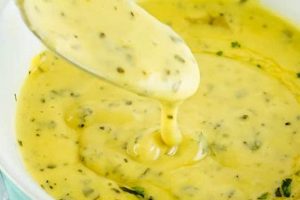
A creamy, plant-based alternative to traditional Alfredo sauce, this variation utilizes cauliflower as its primary base. The vegetable is typically cooked until tender and then blended with other ingredients, such as nutritional yeast, garlic, and plant-based milk, to achieve a smooth and rich consistency reminiscent of the dairy-laden original. This approach allows individuals following vegan diets, or those with dairy sensitivities, to enjoy a familiar flavor profile without animal products.
This particular sauce offers several advantages. Nutritionally, cauliflower contributes fiber, vitamins, and antioxidants. The elimination of dairy reduces saturated fat content, potentially promoting cardiovascular health. Furthermore, the use of plant-based ingredients aligns with sustainable and ethical consumption practices. Historically, the adoption of vegetable-based substitutes represents a growing trend in culinary adaptation, driven by evolving dietary preferences and increasing awareness of health and environmental factors.
The following sections will delve into the specific techniques for preparing this sauce, exploring variations in ingredients and methods to achieve optimal flavor and texture. Detailed nutritional information and serving suggestions will also be provided, along with considerations for accommodating common dietary restrictions beyond veganism.
Preparation Insights
The following insights aim to optimize the preparation of a cauliflower-based Alfredo sauce, ensuring consistent texture and desirable flavor profiles.
Tip 1: Roast the cauliflower before blending. Roasting intensifies the vegetable’s natural sweetness, resulting in a more complex and satisfying flavor. Ensure even browning for optimal results.
Tip 2: Employ high-quality nutritional yeast. The quality of nutritional yeast significantly impacts the final taste; opt for varieties known for their cheesy, umami-rich flavor rather than bitter or bland alternatives.
Tip 3: Soak cashews for a creamier texture. Soaking raw cashews in hot water for at least 30 minutes, or preferably overnight, softens them and contributes to a smoother, more decadent sauce. Drain and rinse thoroughly before use.
Tip 4: Balance acidity with lemon juice. A squeeze of fresh lemon juice brightens the sauce and balances the richness of the cauliflower and cashews. Add it gradually, tasting as you go, to avoid overpowering the other flavors.
Tip 5: Incorporate reserved pasta water. When serving with pasta, reserve a portion of the starchy pasta water and gradually add it to the sauce to achieve the desired consistency and improve adherence to the noodles.
Tip 6: Season aggressively. Vegan sauces can sometimes lack the depth of flavor found in dairy-based counterparts. Ensure adequate seasoning with salt, pepper, garlic powder, and onion powder to enhance the overall taste.
Tip 7: Consider adding white miso paste. A small amount of white miso paste can provide an umami boost and enhance the savory characteristics of the sauce. Start with a teaspoon and adjust to taste.
By adhering to these preparation techniques, the final product will achieve a texture and flavor profile that closely mimics traditional Alfredo sauce, while retaining the health benefits and ethical advantages of a plant-based formulation.
The succeeding section will address common troubleshooting issues and offer solutions to refine the preparation process further.
1. Creamy Texture

The creamy texture constitutes a critical sensory attribute of vegan Alfredo sauce with cauliflower. Without achieving a smooth and velvety consistency, the sauce may be perceived as lacking the richness and indulgence associated with traditional Alfredo. The relationship between the chosen ingredients and the blending process directly impacts the texture’s success. For instance, properly cooked and pureed cauliflower provides the base, while the addition of soaked cashews or plant-based creams contributes to a silkier mouthfeel. Inadequate blending or insufficient liquid can result in a grainy or chunky texture, negatively affecting the overall dining experience.
Practical application of this understanding is observed in various recipe adjustments. Recipes frequently call for high-powered blenders to break down the ingredients completely, minimizing any residual texture. Soaking cashews or using high-fat coconut milk are common techniques used to increase the creaminess. Emulsifiers, such as mustard or lecithin, can also be employed to stabilize the sauce and prevent separation, contributing to a consistently smooth texture. Restaurant chefs often prioritize the selection of high-starch cauliflower varieties, knowing that these tend to produce a smoother puree.
In summary, achieving a desirable creamy texture is paramount to the success of a cauliflower-based vegan Alfredo sauce. Challenges may include ingredient selection, blending equipment limitations, and ensuring proper emulsification. However, by understanding the interplay between the ingredients and preparation methods, chefs and home cooks alike can create a sauce that replicates the luxurious texture of its dairy-based counterpart, thus enhancing the overall appeal and enjoyment of the dish.
2. Plant-based

The “plant-based” designation is fundamental to understanding this cauliflower Alfredo sauce. It signifies a departure from traditional Alfredo recipes that rely heavily on animal products, namely dairy, and anchors the sauce within a broader dietary and ethical framework.
- Elimination of Dairy
The defining characteristic of this plant-based sauce is the complete absence of dairy ingredients such as butter, cream, and cheese. This substitution caters to individuals with lactose intolerance, dairy allergies, or those adhering to vegan dietary principles. The replacement of dairy necessitates the innovative use of plant-derived fats and thickening agents to replicate the texture and richness of traditional Alfredo.
- Source of Ingredients
The label “plant-based” directly implies the source of all constituent ingredients. Each component, from the cauliflower base to the nutritional yeast used for flavoring, must originate from plant matter. This requirement excludes any animal-derived products or by-products, ensuring adherence to vegan standards. Sourcing ethical and sustainable plant-based ingredients becomes a key consideration in the production of this sauce.
- Nutritional Profile
Plant-based diets often exhibit distinct nutritional profiles compared to omnivorous diets. This variation extends to the vegan Alfredo sauce, which typically contains lower levels of saturated fat and cholesterol while offering a higher fiber content, owing to the cauliflower and other vegetable components. The use of nutritional yeast also contributes B vitamins, a nutrient often lacking in exclusively plant-based diets. The sauce’s nutritional content is therefore influenced by its plant-based formulation.
- Ethical Considerations
The choice to adopt a plant-based diet, and consequently, to consume items such as this vegan Alfredo sauce, frequently stems from ethical considerations regarding animal welfare and environmental sustainability. By avoiding animal products, proponents aim to reduce the demand for factory farming and its associated impacts. This ethical dimension adds a layer of significance beyond simple dietary preference, aligning the sauce with broader philosophical values.
In conclusion, the “plant-based” label is not merely descriptive; it represents a commitment to specific dietary principles, ethical considerations, and nutritional outcomes. This designation is fundamental to understanding the composition, production, and broader implications of vegan Alfredo sauce with cauliflower, distinguishing it from traditional dairy-based alternatives.
3. Cauliflower Base

The cauliflower base is a foundational element in vegan Alfredo sauce, fundamentally altering its nutritional profile, flavor characteristics, and textural properties compared to traditional dairy-based variations. Its selection as the primary ingredient dictates the subsequent preparation methods and supplementary flavor additions.
- Nutritional Modification
Utilizing cauliflower as the base inherently reduces the saturated fat content typically associated with traditional Alfredo sauces, which derive richness from heavy cream and butter. Cauliflower contributes dietary fiber, vitamin C, and various antioxidants. The resulting sauce offers a modified nutritional profile, potentially more aligned with health-conscious dietary patterns. However, the substitution necessitates careful attention to other ingredients to ensure adequate fat content and flavor intensity are maintained.
- Flavor Profile Adaptation
Cauliflower possesses a mild, slightly sweet flavor profile, markedly different from the rich, umami notes of Parmesan cheese found in conventional Alfredo. This necessitates the incorporation of additional flavoring agents to compensate. Nutritional yeast is frequently employed to impart a cheesy, savory flavor. Garlic, onion, and other herbs are also used to build complexity and depth. The overall flavor profile is deliberately engineered to emulate the familiar taste of Alfredo while remaining entirely plant-based.
- Textural Transformation
Cooked and pureed cauliflower yields a smooth, creamy texture that serves as the foundation for the sauce. However, it may require further refinement to achieve the desired consistency. Ingredients such as soaked cashews, plant-based milks, or even small amounts of vegetable oil can be incorporated to enhance the creaminess and mouthfeel. The blending process itself is critical, requiring a high-powered blender to create a uniformly smooth sauce free of any residual fibrous texture.
- Versatility and Customization
The mild flavor of cauliflower renders it a versatile base for various flavor enhancements. The sauce can be customized with different herbs, spices, and vegetable additions to create variations beyond a simple Alfredo imitation. Roasted red peppers, spinach, or mushrooms can be incorporated to add both flavor and nutritional value. This inherent versatility allows for creative culinary applications while maintaining the core plant-based principles.
In essence, the choice of cauliflower as the primary base for vegan Alfredo sauce represents a strategic decision to modify its nutritional properties, adapt its flavor profile, and transform its textural characteristics. This substitution necessitates a deliberate approach to ingredient selection and preparation techniques, ultimately resulting in a plant-based alternative that seeks to emulate the familiar taste and texture of traditional Alfredo while adhering to vegan dietary guidelines.
4. Nutritional Yeast

Nutritional yeast is a pivotal ingredient in replicating the cheesy flavor profile absent in plant-based alternatives to traditional Alfredo sauce. Its introduction into vegan Alfredo sauces with cauliflower is not merely a substitution but a deliberate attempt to emulate the umami-rich notes contributed by Parmesan cheese, a key component of the dairy-based original. The absence of nutritional yeast would leave a void in the flavor composition, resulting in a sauce that lacks the desired depth and savoriness. For example, a trial batch of the cauliflower-based Alfredo sauce lacking the ingredient would be noticeably different in taste than the traditional Alfredo sauce, and it won’t be a satisfying dish.
The effectiveness of nutritional yeast stems from its inherent glutamic acid content, a natural flavor enhancer. Different strains of nutritional yeast possess varying intensities of this characteristic, impacting the final flavor of the sauce. Selecting a strain specifically known for its cheesy or nutty notes can significantly enhance the overall taste. The quantity of nutritional yeast used must be carefully calibrated, as excessive amounts can impart a bitter or overly yeasty taste. A real-world example can be seen in recipe development, where chefs meticulously adjust the quantity of nutritional yeast to achieve the perfect balance, often starting with small amounts and gradually increasing it until the desired cheesy flavor is attained.
In summary, nutritional yeast’s contribution to vegan Alfredo sauce with cauliflower is multi-faceted, going beyond simple flavor replacement. It offers a plant-based source of umami, replicates the cheesy essence of traditional Alfredo, and influences the overall acceptability and appeal of the dish. Its inclusion represents a pragmatic solution to the challenges inherent in creating a convincing dairy-free alternative. Without it, the dish simply cannot attain the characteristic flavor of Alfredo sauce, and the result is a far less palatable, satisfying meal.
5. Garlic flavor
Garlic flavor represents a critical component within the context of vegan Alfredo sauce with cauliflower, functioning as a primary aromatic element and contributing significantly to the overall taste profile. The absence of garlic, or its insufficient presence, invariably leads to a bland and uninspired sauce, failing to replicate the depth and complexity associated with traditional Alfredo recipes. The intensity and character of garlic flavor directly influence the perceived authenticity and palatability of the vegan alternative. For example, roasted garlic provides a sweeter, milder flavor compared to raw garlic, which imparts a sharper, more pungent taste. The choice of garlic preparation method, therefore, becomes a crucial factor in determining the final outcome.
The practical significance of understanding this connection is evident in recipe development and culinary applications. Chefs crafting vegan Alfredo sauce with cauliflower must carefully consider the form of garlic to be used (fresh, roasted, granulated, etc.) and the method of incorporation (sauted, infused, blended). The timing of garlic addition also affects the final flavor; sauting garlic in oil at the beginning of the sauce-making process allows its flavor to infuse the oil, creating a flavorful base upon which to build the other components. Conversely, adding garlic towards the end of the cooking process preserves its raw pungency. Successful recipes often employ a combination of garlic preparations to achieve a nuanced and layered flavor profile.
In conclusion, the deliberate and skillful application of garlic flavor is essential to creating a satisfying and convincing vegan Alfredo sauce with cauliflower. Its role extends beyond simple flavoring, contributing significantly to the sauce’s aromatic complexity, perceived authenticity, and overall palatability. While seemingly simple, the careful consideration of garlic preparation methods and their impact on the final taste is a key factor in achieving success, presenting both a challenge and an opportunity for culinary creativity within the confines of plant-based cuisine.
6. Dairy-free alternative
The designation “dairy-free alternative” is intrinsic to understanding the purpose and appeal of vegan Alfredo sauce with cauliflower. It directly addresses the dietary restrictions and ethical considerations of individuals seeking to avoid animal products. Traditional Alfredo sauce relies heavily on dairy, specifically butter and cream, rendering it unsuitable for those with lactose intolerance, dairy allergies, or adherence to veganism. The creation of a dairy-free alternative expands the accessibility of this culinary staple to a broader audience. In effect, the demand for a dairy-free version is the primary impetus behind the development of this modified recipe. For example, restaurants increasingly offer vegan options, including dairy-free Alfredo sauces, to cater to diverse customer needs.
The practical significance of this dairy-free attribute lies in its impact on ingredient selection and preparation techniques. Replacing dairy requires the incorporation of alternative fat sources and thickening agents capable of replicating the richness and texture of traditional Alfredo. Common substitutes include plant-based milks, soaked cashews, and vegetable oils. The flavor profile is also adjusted, often through the addition of nutritional yeast to impart a cheesy taste. The cauliflower itself serves as a base, contributing both creaminess and nutritional value. An example of this in practice is the multitude of online recipes dedicated to dairy-free Alfredo, each showcasing varied combinations of these plant-based alternatives. The success of these recipes hinges on their ability to convincingly mimic the sensory experience of the original, while remaining entirely free of dairy.
In conclusion, the concept of “dairy-free alternative” is not merely a descriptor but a core defining characteristic of vegan Alfredo sauce with cauliflower. It reflects a deliberate effort to create an inclusive and ethical culinary option. Challenges remain in fully replicating the complex flavor and texture of traditional Alfredo using plant-based ingredients, but the ongoing development and refinement of recipes demonstrate a commitment to providing a satisfying and accessible dairy-free experience. The prevalence of vegan Alfredo sauce with cauliflower exemplifies a broader trend towards adapting classic dishes to meet evolving dietary needs and ethical considerations, with the “dairy-free alternative” acting as the driving force.
Frequently Asked Questions
The following addresses common inquiries and misconceptions surrounding the preparation, nutritional value, and culinary applications of this plant-based sauce.
Question 1: Is vegan Alfredo sauce with cauliflower truly comparable in taste and texture to traditional dairy-based Alfredo?
While a direct replication is unattainable due to the inherent differences between plant-based and dairy ingredients, the sauce can achieve a remarkably similar creamy texture and savory flavor profile through careful preparation techniques and strategic ingredient selection. The judicious use of nutritional yeast, garlic, and plant-based fats contributes significantly to emulating the qualities of traditional Alfredo.
Question 2: Does the use of cauliflower impart a strong vegetable flavor to the sauce?
When properly prepared, the cauliflower contributes a mild, slightly sweet base flavor that is easily masked by other ingredients. Roasting the cauliflower prior to blending further mitigates any strong vegetable taste, enhancing its natural sweetness and contributing to a more complex flavor profile.
Question 3: What are the primary nutritional benefits of choosing vegan Alfredo sauce with cauliflower over traditional Alfredo?
This alternative sauce offers a lower saturated fat content, increased fiber, and a source of vitamins and antioxidants from the cauliflower. It eliminates cholesterol and lactose, making it suitable for individuals with dietary restrictions or health concerns related to dairy consumption.
Question 4: Can vegan Alfredo sauce with cauliflower be frozen for later use?
Freezing is generally feasible, although some textural changes may occur upon thawing. To minimize these changes, it is recommended to freeze the sauce in airtight containers and to re-blend it after thawing to restore its creamy consistency. Plant-based milks containing stabilizers tend to freeze and thaw better than those without.
Question 5: What are some common mistakes to avoid when preparing vegan Alfredo sauce with cauliflower?
Common errors include insufficient blending, resulting in a grainy texture; inadequate seasoning, leading to a bland flavor; and overcooking the garlic, which can impart a bitter taste. Careful attention to each step of the preparation process is essential to achieving optimal results.
Question 6: Is this sauce suitable for individuals with nut allergies, given the frequent use of cashews in vegan recipes?
While cashews are commonly used to enhance creaminess, they are not essential. Alternatives such as sunflower seeds, white beans, or additional cauliflower can be employed to achieve a similar texture while avoiding nuts. Recipes should be carefully reviewed and modified to accommodate nut allergies as needed.
In summary, vegan Alfredo sauce with cauliflower presents a viable and nutritious alternative to traditional dairy-based sauces, offering several benefits for individuals with dietary restrictions or those seeking a plant-based option. While some adjustments in flavor and texture may be necessary, the resulting sauce can be a satisfying and versatile addition to various culinary applications.
The following sections will explore specific recipe variations and serving suggestions for vegan Alfredo sauce with cauliflower.
Conclusion
The preceding exploration of “vegan Alfredo sauce with cauliflower” has illuminated its fundamental characteristics, nutritional benefits, and preparation techniques. The analysis encompassed the significance of individual ingredients, highlighting their respective contributions to the sauce’s overall flavor, texture, and dietary profile. The examination extended to frequently encountered challenges and misconceptions, offering practical solutions for achieving optimal results. The composition of this vegan Alfredo hinges on a precise balance of plant-based components, skillfully combined to emulate the sensory experience of its dairy-laden counterpart.
The sustained interest in plant-based alternatives suggests a continuing trajectory of culinary innovation. As dietary preferences evolve and awareness of health and ethical considerations grows, the demand for accessible and satisfying vegan options will likely increase. “Vegan Alfredo sauce with cauliflower” serves as one example of the potential for reimagining traditional dishes, expanding culinary boundaries and promoting a more inclusive and sustainable approach to food consumption. The pursuit of refined techniques and enhanced flavor profiles will continue to shape the future of plant-based cuisine.