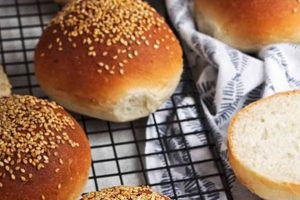
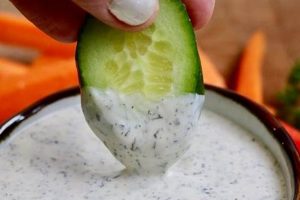
A plant-based creamy sauce, often used as a condiment or dip, replicates the flavor and texture of traditional garlic mayonnaise. It substitutes eggs, a core ingredient in conventional recipes, with plant-derived alternatives such as aquafaba (chickpea brine), silken tofu, or cashew cream. For instance, a burger can be enhanced with this flavorful, dairy-free alternative.
The appeal of this culinary innovation stems from several factors. Individuals following a vegan lifestyle, or those with egg allergies, can enjoy a familiar flavor profile without compromising dietary restrictions. Furthermore, plant-based diets are often associated with potential health benefits. Historically, garlic-infused emulsions have been a staple in various cuisines, and this adaptation extends that heritage to a wider audience.
The following sections will explore different aspects of this food item, including various preparation methods, common uses in recipes, nutritional considerations, and its role in expanding plant-based culinary options.
Tips for Crafting Exceptional Plant-Based Garlic Mayonnaise
Achieving optimal flavor and texture in a plant-based garlic mayonnaise requires careful attention to ingredient selection and technique. The following tips offer guidance for creating a superior culinary product.
Tip 1: Select the Right Base: The foundation of a successful plant-based garlic mayonnaise rests on the chosen egg substitute. Aquafaba offers a light and airy texture, while cashew cream provides richness and body. Experiment to determine the desired consistency.
Tip 2: Emulsification is Key: Gradually incorporate oil into the base using a slow, steady stream while whisking vigorously or employing an immersion blender. This process ensures a stable emulsion and prevents separation.
Tip 3: Garlic Preparation Matters: Roasting garlic mellows its pungency and imparts a sweeter, more complex flavor. Raw garlic delivers a sharp, intense taste. Consider the intended application and adjust accordingly.
Tip 4: Acidic Balance is Crucial: Lemon juice or vinegar brightens the flavor profile and balances the richness of the oil and base. Adjust the amount based on personal preference and the other ingredients used.
Tip 5: Season Generously: Salt is essential for enhancing the flavors of all ingredients. White pepper or a pinch of cayenne can add subtle complexity and warmth.
Tip 6: Fresh Herbs Elevate the Flavor: Incorporating finely chopped fresh herbs such as parsley, chives, or dill adds brightness and aromatic complexity. Add herbs towards the end of the preparation to preserve their flavor.
Tip 7: Adjust Consistency as Needed: If the sauce is too thick, add a small amount of water or plant-based milk to thin it out. If it’s too thin, refrigerate it for a short period to allow it to thicken slightly.
Mastering these techniques ensures a delectable and versatile plant-based condiment suitable for various culinary applications. The result is a flavorful addition to meals, catering to both dietary needs and discerning palates.
The subsequent sections will delve into specific recipes and serving suggestions, further illustrating the versatility and appeal of this culinary creation.
1. Plant-Based Emulsifiers

Plant-based emulsifiers are critical components in the creation of dairy-free garlic mayonnaise, directly impacting its texture, stability, and overall success. Without a suitable emulsifier, the oil and water-based elements (such as aquafaba or plant milk) would separate, resulting in an undesirable and unpalatable product. The selection of a specific plant-based emulsifier functions as a primary determinant of the final characteristics of the condiment. For example, aquafaba, the liquid from canned chickpeas, contains proteins and starches that act as effective emulsifying agents, yielding a light and airy consistency. Alternatively, cashew cream, created by blending soaked cashews, provides a richer, denser, and more luxurious texture. Thus, understanding the properties of different emulsifiers allows for precise control over the end product.
The emulsification process itself involves dispersing one liquid within another in an even and stable manner. Plant-based proteins and starches within the chosen emulsifier surround the oil droplets, preventing them from coalescing and separating from the water-based ingredients. Successful emulsification relies on slow and consistent addition of the oil while continuously whisking or blending. This process ensures the creation of a stable emulsion, preventing the garlic mayonnaise from breaking or becoming oily. Practical application includes considering shelf life; some plant-based emulsifiers may result in a product that is more prone to separation over time compared to traditional egg-based mayonnaise, necessitating shorter storage periods or the addition of stabilizers like xanthan gum.
In summary, the role of plant-based emulsifiers is indispensable in the creation of a palatable and appealing dairy-free garlic mayonnaise. Careful selection and proper technique are essential for achieving the desired texture and stability. Challenges such as potential separation can be mitigated through informed ingredient choices and the use of stabilizers. This understanding directly relates to the broader trend of expanding plant-based culinary options and catering to diverse dietary needs and preferences.
2. Garlic Infusion Intensity

The strength of garlic flavor, a critical determinant of palatability, significantly impacts the overall profile of plant-based garlic mayonnaise. Precise control over this parameter is essential to achieving the desired sensory experience.
- Raw Garlic: Sharp Pungency
Utilizing raw garlic delivers a robust and intense flavor profile. The allicin compounds, responsible for the characteristic pungent aroma and taste, are present in high concentrations. This approach is suitable for individuals who prefer a pronounced garlic presence. However, the raw garlic may overpower other delicate flavors and can leave a lingering aftertaste. Preparation involves mincing or pressing the garlic immediately before use to maximize flavor release.
- Roasted Garlic: Mellow Sweetness
Roasting garlic transforms its flavor profile, yielding a sweeter, milder, and more complex taste. The roasting process converts some of the allicin into less pungent compounds, reducing the sharpness. This method is ideal for those seeking a subtle garlic flavor that complements other ingredients. Roasting involves slow cooking whole garlic cloves in oil until softened and caramelized.
- Garlic Confit: Infused Oil with Delicate Flavor
Garlic confit entails slow-cooking garlic cloves in oil at a low temperature. This process results in both garlic-infused oil and softened garlic cloves, both of which can be used in the sauce. The oil carries a delicate garlic flavor, while the cloves can be mashed into the sauce for added depth. Confit offers a controlled and nuanced garlic flavor that integrates seamlessly into the overall composition.
- Dehydrated Garlic: Concentrated Flavor with Extended Shelf Life
Dehydrated garlic, available in powder or granulated form, offers a concentrated garlic flavor and extended shelf life. This form allows for easy incorporation into the sauce, but careful measurement is crucial to avoid overpowering the other ingredients. Rehydration with a small amount of water or plant-based milk can help to distribute the flavor evenly. Dehydrated garlic provides a convenient option when fresh garlic is unavailable or when precise flavor control is desired.
The selection and preparation method for garlic directly dictates the resulting flavor profile of the plant-based garlic mayonnaise. Varying the intensity of the garlic infusion allows for customization to suit individual preferences and intended culinary applications, contributing to the versatility and broad appeal of this plant-based condiment.
3. Oil Selection Effects

The choice of oil fundamentally shapes the flavor, texture, and overall quality of plant-based garlic mayonnaise. Different oils possess distinct fatty acid profiles, viscosities, and flavor compounds, each exerting a unique influence on the finished product. The selection is not merely a matter of preference; it directly impacts the sensory experience and nutritional value. For instance, extra virgin olive oil, with its characteristic peppery notes and robust flavor, imparts a distinct Mediterranean character. Conversely, neutral-tasting oils such as avocado or grapeseed allow the garlic and other seasonings to shine without interference. Failure to consider these properties can result in an unbalanced or undesirable outcome.
The type of oil selected also affects the emulsification process and stability of the plant-based garlic mayonnaise. Oils with higher viscosity may require more vigorous blending or the addition of emulsifying agents to achieve a smooth, homogenous consistency. Additionally, the fatty acid composition of the oil influences its resistance to oxidation and rancidity, affecting the shelf life of the product. For example, oils rich in polyunsaturated fatty acids, while potentially beneficial for health, are more susceptible to degradation than those high in monounsaturated or saturated fats. This knowledge guides culinary professionals in choosing oils that not only contribute to flavor but also ensure product longevity and safety. Application of this understanding can be observed in commercial production where stability is often prioritized over purely flavor-driven considerations.
In summary, oil selection is a critical factor in crafting high-quality plant-based garlic mayonnaise. It determines the flavor profile, texture, stability, and nutritional attributes of the final product. A thorough understanding of the characteristics of different oils allows for informed decisions that optimize the culinary outcome. Challenges related to stability and oxidation can be addressed through careful selection and storage practices, reinforcing the connection between ingredient choice and overall product success. The impact of oil on this dairy-free condiment illustrates the significance of ingredient knowledge in plant-based cuisine.
4. Acidity Balancing Agents

Acidity balancing agents are crucial ingredients in plant-based garlic mayonnaise, influencing flavor perception, microbial stability, and overall sensory appeal. The absence of animal-derived products necessitates precise manipulation of acidity to mimic the characteristic tang and preservation properties of traditional recipes. These agents interact with other components, modulating the taste profile and inhibiting spoilage microorganisms, thereby extending the shelf life and ensuring food safety.
- Lemon Juice
Lemon juice, a widely used acidity regulator, introduces a bright, citrusy flavor that complements the richness of the oil and the pungency of the garlic. Its citric acid content lowers the pH, creating an environment less conducive to bacterial growth. The quantity of lemon juice added must be carefully calibrated, as excessive amounts can result in an overly tart taste, while insufficient quantities fail to provide adequate preservation or flavor enhancement. For example, a recipe employing cashew cream may require more lemon juice than one based on aquafaba, due to the cashew’s inherent sweetness.
- Vinegar (White or Apple Cider)
Vinegar, particularly white or apple cider varieties, provides a distinct acidic tang and contributes to the sauce’s preservation. White vinegar offers a clean, sharp acidity, while apple cider vinegar introduces a subtle fruity undertone. The acetic acid in vinegar inhibits the growth of many spoilage organisms, extending the product’s shelf life. Real-world applications include commercial plant-based garlic mayonnaise production, where vinegar is frequently used to ensure consistent quality and safety. The choice between white and apple cider vinegar often depends on the desired flavor profile and the accompanying ingredients.
- Citric Acid Powder
Citric acid powder, a concentrated form of citric acid, offers precise control over acidity levels. Its flavor is similar to that of lemon juice but without the accompanying citrus notes. The use of citric acid powder allows for standardized recipes with consistent acidity, irrespective of seasonal variations in lemon juice acidity or availability. In industrial settings, citric acid powder is often preferred for its stability, ease of use, and predictable impact on pH. However, caution must be exercised to avoid over-acidification, which can result in an unpleasant taste.
- Lactic Acid (Fermented Foods)
The introduction of lactic acid through fermented ingredients such as sauerkraut juice or plant-based yogurt offers a nuanced approach to acidity balancing. Lactic acid imparts a milder, more rounded acidity compared to citric or acetic acid. Fermented foods also contribute complex flavors and beneficial bacteria, potentially enhancing the nutritional value and digestibility of the garlic mayonnaise. For example, a small amount of sauerkraut juice can add both acidity and umami notes, creating a more complex and savory flavor profile. However, the use of fermented ingredients requires careful monitoring to prevent excessive fermentation or off-flavors.
In essence, the skillful use of acidity balancing agents is paramount to creating a palatable, safe, and shelf-stable plant-based garlic mayonnaise. The selected agent must complement the other ingredients and deliver the desired flavor and preservation properties. The examples cited underscore the complexity of this process, highlighting the interplay between ingredient selection, pH control, and microbial stability. Careful consideration of these factors ensures a successful outcome, delivering a plant-based condiment that is both flavorful and safe for consumption.
5. Seasoning Profiles

Seasoning profiles represent a critical element in the creation of plant-based garlic mayonnaise, determining its overall flavor complexity and sensory appeal. The absence of traditional dairy-based ingredients necessitates a deliberate approach to seasoning, aimed at replicating or enhancing the characteristic flavors and aromas.
- Salt: Enhancing Base Flavors
Salt is fundamental for amplifying the inherent flavors of the garlic, oil, and plant-based emulsifier. It balances sweetness and bitterness, creating a more cohesive and palatable taste. Insufficient salt results in a bland product, while excessive salt overpowers other nuances. For example, sea salt crystals provide a more complex flavor profile than standard table salt, contributing subtle mineral notes to the finished product.
- Pepper: Adding Depth and Complexity
Pepper, whether black, white, or a blend, introduces layers of flavor and adds a subtle warmth. Black pepper delivers a bold, pungent heat, while white pepper offers a more refined and delicate spiciness. A dash of cayenne pepper can provide an additional layer of complexity, particularly in spicier variations. Pepper interacts with the garlic and oil, enhancing their aromatic qualities. Consider using freshly ground pepper for heightened flavor intensity.
- Herbs: Introducing Aromatic Nuances
Fresh or dried herbs, such as parsley, chives, dill, or tarragon, contribute aromatic complexity and visual appeal. Parsley offers a clean, fresh flavor, while chives provide a mild onion-like note. Dill imparts a characteristic flavor, and tarragon contributes a subtle anise-like aroma. The choice of herbs should complement the other ingredients and align with the desired flavor profile. Finely chopped herbs are typically added towards the end of the preparation to preserve their volatile oils and maximize their aromatic impact. A blend of multiple herbs can further enhance the complexity of the sauce.
- Acidic Accents: Balancing Richness and Brightness
Acidic components, such as lemon juice or vinegar, not only balance the richness of the oil but also contribute to the overall seasoning profile. Lemon juice imparts a bright, citrusy note, while vinegar offers a more pronounced tang. The choice and quantity of acidic accents influence the overall flavor perception. For example, a squeeze of lemon juice can cut through the richness of a cashew-based sauce, creating a more balanced and refreshing flavor. The acidity also interacts with the salt and garlic, intensifying their flavors and creating a more dynamic sensory experience.
These facets of seasoning profiles collectively contribute to the overall character of plant-based garlic mayonnaise. The careful selection and precise application of salt, pepper, herbs, and acidic accents allow for the creation of a versatile and flavorful condiment suitable for a wide range of culinary applications. The manipulation of these elements enables culinary professionals to tailor the flavor to specific preferences and dietary needs, highlighting the importance of seasoning in plant-based cuisine.
6. Textural Consistency
Textural consistency represents a critical attribute of plant-based garlic mayonnaise, directly influencing its palatability and perceived quality. The absence of eggs, a key emulsifier in traditional formulations, necessitates alternative approaches to achieve a smooth, creamy, and stable emulsion. The resulting texture significantly impacts the overall sensory experience, affecting how the condiment interacts with other food items. An overly thin or separated texture detracts from the intended culinary application, whereas a thick, gluey consistency is equally undesirable. Therefore, achieving and maintaining optimal texture is paramount for successful plant-based culinary implementation.
The selection of plant-based ingredients functions as a primary determinant of textural outcomes. For instance, the use of aquafaba tends to produce a lighter, airier consistency, suitable for applications where a delicate texture is preferred. Conversely, cashew cream yields a richer, denser product, resembling the mouthfeel of traditional mayonnaise. The proportion of oil to liquid components also plays a crucial role; excessive oil can result in a greasy or separated texture, while insufficient oil leads to a thin and watery consistency. Emulsification techniques, such as slow and controlled addition of oil while vigorously whisking or blending, are essential for creating a stable emulsion that resists separation. Stabilizers like xanthan gum may be incorporated in small quantities to further enhance viscosity and prevent phase separation over time.
In summary, textural consistency is an indispensable element of plant-based garlic mayonnaise, influencing its taste, stability, and overall appeal. The judicious selection of plant-based ingredients, combined with proper emulsification techniques and the potential use of stabilizers, enables the creation of a desirable texture that meets culinary expectations. Overcoming challenges associated with achieving a stable, creamy emulsion is crucial for the wider acceptance and utilization of plant-based alternatives. The focus on this aspect demonstrates a commitment to both dietary innovation and culinary quality.
Frequently Asked Questions About Plant-Based Garlic Mayonnaise
The following section addresses common inquiries regarding plant-based garlic mayonnaise, providing concise and informative answers based on established culinary principles.
Question 1: Is plant-based garlic mayonnaise genuinely free of animal products?
Yes, authentic plant-based garlic mayonnaise formulations substitute all animal-derived ingredients with plant-based alternatives. Traditional mayonnaise relies on eggs as a primary emulsifier; plant-based versions typically utilize aquafaba, silken tofu, or cashew cream to achieve a similar texture and consistency.
Question 2: What is the typical shelf life of homemade plant-based garlic mayonnaise?
Homemade plant-based garlic mayonnaise typically has a shorter shelf life compared to commercially produced versions. It should be stored in an airtight container in the refrigerator and consumed within 3-5 days to ensure freshness and prevent spoilage.
Question 3: Can plant-based garlic mayonnaise be used in the same culinary applications as traditional mayonnaise?
Yes, plant-based garlic mayonnaise can be used in virtually all culinary applications where traditional mayonnaise is employed, including sandwiches, dips, sauces, and dressings. The flavor profile may vary slightly depending on the specific plant-based emulsifier used.
Question 4: Does plant-based garlic mayonnaise offer any nutritional benefits compared to traditional mayonnaise?
Plant-based garlic mayonnaise generally contains fewer calories and saturated fat than traditional mayonnaise, particularly when made with oil alternatives and emulsifiers like aquafaba. It also lacks cholesterol, which is present in egg-based mayonnaise. However, the nutritional content can vary depending on the specific ingredients used.
Question 5: What factors contribute to separation in plant-based garlic mayonnaise?
Separation in plant-based garlic mayonnaise can occur due to inadequate emulsification, improper storage temperatures, or the use of unstable ingredients. Ensuring a slow and steady addition of oil during blending, maintaining a consistent refrigerator temperature, and using stabilizers can help prevent separation.
Question 6: Are there common allergens to be aware of in plant-based garlic mayonnaise?
Common allergens in plant-based garlic mayonnaise can include nuts (e.g., cashews), soy (present in some tofu-based recipes), and sesame (present in some tahini-based recipes). Individuals with allergies to these ingredients should carefully review the ingredient list before consumption.
In summary, plant-based garlic mayonnaise represents a viable alternative to traditional mayonnaise, offering comparable versatility and flavor while adhering to plant-based dietary principles. Careful attention to preparation and storage ensures optimal quality and safety.
The subsequent sections will delve into the broader implications of plant-based dietary choices and their impact on the culinary landscape.
Conclusion
The preceding discussion has examined the various facets of vegan aioli, from its fundamental composition and preparation techniques to the nuances of ingredient selection and potential culinary applications. Each component, from the emulsifier and garlic source to the oil and seasoning profile, contributes to the final product’s characteristics. The success of this plant-based alternative hinges on a meticulous understanding of these factors and their interactions.
Given the increasing demand for plant-based dietary options, the continued exploration and refinement of vegan aioli recipes and techniques remain vital. Further research into novel emulsifiers, flavor enhancers, and preservation methods may yield even more compelling and accessible alternatives to traditional mayonnaise. The widespread adoption of such advancements can contribute to a more sustainable and inclusive culinary landscape.