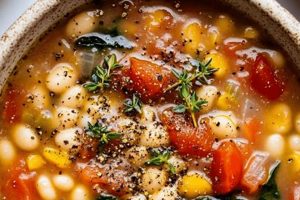
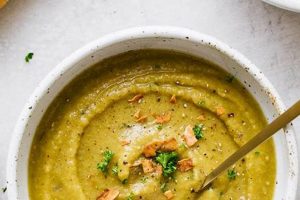
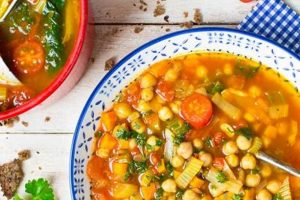
A plant-based variation of a traditional Mexican soup, this dish utilizes tomatillos as its primary ingredient, replacing animal products with alternatives of vegetable origin. The result is a flavorful and nutritious meal option suitable for individuals adhering to vegan dietary principles.
This culinary adaptation offers several advantages. It provides a means to enjoy a culturally significant dish while adhering to ethical and health-conscious dietary choices. Furthermore, it demonstrates that traditional recipes can be adapted to accommodate different dietary needs without sacrificing taste or authenticity. The incorporation of plant-based ingredients contributes to a dish that is rich in vitamins, minerals, and fiber.
The subsequent sections will delve into specific aspects of creating this dish. Details include ingredient selection, preparation techniques, and variations that allow for personalization based on individual preferences and available resources.
Essential Considerations for Crafting a Superior Plant-Based Tomatillo Soup
Producing an exceptional version of the verdant broth requires careful attention to detail. The following guidelines offer a framework for maximizing flavor and nutritional value.
Tip 1: Tomatillo Selection: Opt for firm, bright green tomatillos with tight husks. Avoid those that are yellowing or feel sticky, as these may indicate over-ripeness or spoilage. Roasting the tomatillos before use enhances their sweetness and depth of flavor.
Tip 2: Broth Base: A high-quality vegetable broth forms the foundation. Consider homemade broth or select a low-sodium commercial option to control the salt content. Adding a roasted poblano pepper or jalapeo to the broth provides a subtle smoky heat.
Tip 3: Thickening Agents: To achieve desired consistency, explore natural thickening options. Blending a portion of the soup, adding a small amount of masa harina (corn flour), or incorporating cooked white beans contributes to a creamy texture without relying on dairy.
Tip 4: Herb and Spice Infusion: Cilantro is integral, but explore other complementary herbs. Epazote, a traditional Mexican herb, lends an earthy note. A pinch of cumin or oregano further elevates the flavor profile.
Tip 5: Protein Enrichment: Enhance the nutritional value and satiety by incorporating a plant-based protein source. Consider adding white beans, chickpeas, shredded jackfruit, or crumbled tempeh during the final stages of cooking.
Tip 6: Acidity Balancing: Tomatillos can be quite tart. Adjust acidity by adding a touch of agave nectar, maple syrup, or a squeeze of lime juice to balance the overall flavor.
Tip 7: Garnish Enhancements: Garnishes add visual appeal and textural contrast. Sliced avocado, toasted pumpkin seeds, pickled onions, or a swirl of vegan crema elevate the presentation and taste.
These guidelines, when applied thoughtfully, contribute to a more flavorful and satisfying rendition of the soup, making it a welcome addition to any plant-based culinary repertoire.
The subsequent discussion will address specific recipe formulations and practical cooking techniques.
1. Flavor Profile

The flavor characteristics are paramount when evaluating or creating a plant-based tomatillo soup. The final sensory experience is a direct result of ingredient selection, preparation methods, and the balance of various taste components.
- Tomatillo Tartness and Acidity
The inherent tartness and acidity of tomatillos form the foundation of the flavor profile. Roasting the tomatillos tempers this acidity, while improper preparation can lead to an overly sour or astringent final product. Balancing this natural tang with other ingredients is a primary consideration.
- Spice and Herb Complementarity
Spices and herbs are critical for depth and complexity. Chili peppers, cumin, and oregano contribute warmth, while cilantro and epazote introduce fresh, herbaceous notes. The selection and proportion of these elements significantly impact the overall taste, influencing whether the soup leans toward a mild, savory experience or a spicier, more assertive one.
- Broth Umami and Body
The broth base plays a crucial role in providing umami and body. A well-developed vegetable broth imparts a savory richness that enhances the other flavors. The choice of broth whether homemade or store-bought directly influences the final depth of flavor. Elements like roasted vegetables, mushrooms, or seaweed added to the broth can increase its umami.
- Balancing Sweetness and Heat
Subtle sweetness can temper the tomatillo’s acidity and the spice’s heat, creating a more balanced and palatable flavor. This balance can be achieved through the addition of a small amount of agave, maple syrup, or even roasted corn. A touch of sweetness counteracts the tartness and adds complexity.
The interplay of tartness, spice, umami, and sweetness defines the flavor narrative. A nuanced understanding of these elements allows for the creation of plant-based tomatillo soup that is not only flavorful but also reflects the desired balance and complexity, showcasing the versatility and depth of the dish.
2. Ingredient Sourcing

The selection and acquisition of ingredients directly impact the quality, sustainability, and ethical considerations associated with a plant-based tomatillo soup. Careful sourcing is not merely about obtaining necessary components, but also about ensuring the integrity and positive impact of the dish.
- Tomatillo Origin and Quality
The geographical origin of tomatillos influences their flavor profile and nutritional content. Locally sourced, organically grown tomatillos often possess superior taste and minimize environmental impact. Purchasing from local farmers markets or community-supported agriculture programs supports local economies and reduces transportation emissions. The quality of tomatillos, indicated by firmness, color, and lack of blemishes, directly affects the final flavor of the soup.
- Vegetable Broth Composition and Ethical Production
The base vegetable broth should be carefully examined. Opting for low-sodium varieties allows for greater control over salt content. Consider the source and production methods of commercially available broths. Look for certifications that indicate sustainable practices and ethical labor standards. Homemade broth provides the most control over ingredients and production methods, allowing for the use of vegetable scraps that would otherwise be discarded.
- Spice and Herb Provenance and Processing
The origin and processing methods of spices and herbs impact their flavor and potency. Purchasing whole spices and grinding them fresh enhances the aroma and taste. Source spices and herbs from reputable suppliers who prioritize fair trade practices and sustainable harvesting methods. Consider the use of organically grown options to minimize exposure to pesticides.
- Plant-Based Protein Source and Sustainability
The choice of plant-based protein influences both the nutritional profile and environmental footprint of the soup. Beans, lentils, tofu, and tempeh each have unique sourcing considerations. Prioritize locally grown legumes or tofu produced from non-GMO soybeans. Consider the water usage and land requirements associated with different protein sources when making purchasing decisions.
These considerations highlight the multifaceted nature of ingredient sourcing in relation to a plant-based tomatillo soup. By prioritizing local, sustainable, and ethically produced ingredients, one can enhance not only the flavor and nutritional value but also the overall positive impact of the dish.
3. Nutritional Value

The nutritional attributes are a critical consideration in evaluating the merits of this culinary item. The composition of this specific soup lends itself to a potentially valuable dietary contribution, offering a blend of vitamins, minerals, and macronutrients depending on the specific recipe and ingredients employed.
- Vitamin C Content
Tomatillos are a notable source of Vitamin C, an essential nutrient recognized for its antioxidant properties and role in immune function. The inclusion of tomatillos in significant quantities within this soup contributes directly to its Vitamin C content, potentially offering a meaningful contribution to daily intake requirements. The stability of Vitamin C can be affected by cooking processes, with shorter cooking times generally preserving a greater percentage of the vitamin.
- Fiber Contribution
The plant-based nature of this soup inherently provides a dietary fiber source. Vegetables like onions, peppers, and potentially added beans or lentils contribute to the overall fiber content. Dietary fiber is known for its role in promoting digestive health, regulating blood sugar levels, and contributing to feelings of satiety. The type and quantity of vegetables used will directly influence the total fiber available in a serving.
- Mineral Profile
Various minerals are present within the ingredients used, including potassium and magnesium. Potassium is crucial for maintaining proper fluid balance and blood pressure, while magnesium plays a role in muscle and nerve function. The specific mineral profile will depend on the diversity of vegetables included and whether supplemental ingredients like fortified plant-based broths are utilized.
- Macronutrient Distribution
The macronutrient distribution (carbohydrates, proteins, and fats) is influenced by the specific composition. The primary source of carbohydrates comes from the vegetables themselves, while protein can be augmented through the addition of legumes or other plant-based protein sources. The fat content is typically low, unless ingredients like avocado or added oils are included. The balance of these macronutrients contributes to the soup’s overall satiety and nutritional profile.
The cumulative effect of these nutritional aspects solidifies the soup as a potentially beneficial addition to a balanced diet. Its vitamin, mineral, and fiber content, combined with customizable macronutrient distribution, allow for a tailored approach to meeting individual dietary needs within a plant-based framework. This reinforces the significance of thoughtfully selecting ingredients and considering preparation methods to maximize its nutritional value.
4. Texture Enhancement

Texture significantly influences the overall palatability and sensory experience of a plant-based tomatillo soup. The inherent liquid consistency, while foundational, often benefits from modification to achieve a more satisfying and nuanced eating experience. Without careful attention to texture, the soup can feel thin or lacking substance, detracting from the overall perception of flavor and quality. This is particularly relevant in vegan adaptations, where traditional thickening agents like dairy products are absent.
Various methods exist to enhance the texture of a plant-based tomatillo soup. Blending a portion of the soup, either with an immersion blender or in a standard blender, creates a creamier base. The addition of cooked white beans, pureed separately or blended directly into the soup, introduces both thickness and a subtle protein boost. A small quantity of masa harina, a traditional corn flour, can also serve as an effective thickening agent, contributing a slight corn flavor reminiscent of certain Mexican culinary traditions. Each method impacts the final texture differently, influencing the soup’s mouthfeel and overall appeal. For example, over-blending can result in a gluey texture, whereas insufficient blending may leave the soup feeling watery.
Achieving optimal texture in a vegan tomatillo soup requires a balance of technique and ingredient selection. The integration of plant-based thickening agents, combined with careful monitoring during the cooking process, allows for precise control over the final consistency. Success in texture enhancement elevates the soup from a simple broth to a more substantial and fulfilling meal, addressing a key challenge in plant-based culinary adaptations and contributing significantly to the diner’s overall satisfaction. Ultimately, understanding and applying texture enhancement techniques are crucial for creating a high-quality and appealing rendition of the dish.
5. Culinary Versatility

The inherent adaptability of plant-based tomatillo soup positions it as a versatile dish within diverse culinary contexts. This versatility stems from its easily modified flavor profile, ingredient substitutions, and suitability for various presentation styles. As a result, it can be adapted to suit diverse palates, dietary restrictions, and available ingredients, extending its relevance across different cuisines and cultural preferences. The base recipe, characterized by tomatillos, broth, and seasonings, serves as a template for countless variations.
Examples of this adaptability include substituting different chili peppers to alter the level of spiciness, incorporating various beans or vegetables to enhance its nutritional content and heartiness, or using different herbs and spices to shift the flavor profile towards specific regional cuisines. It can be served hot or cold, as a light appetizer or a substantial main course. Further, its plant-based nature ensures its suitability for vegan, vegetarian, and gluten-free diets, widening its appeal to individuals with diverse dietary needs. Its ability to be seamlessly integrated into different meal structures is a testament to its adaptability and usefulness in various culinary settings.
In summary, the adaptability of this culinary item empowers individuals to customize the dish to meet specific tastes, dietary needs, and available resources, thereby significantly enhancing its relevance and appeal across various cultures and culinary traditions. Understanding this versatility is critical for both home cooks and professional chefs seeking to maximize the potential of this dish within their respective culinary endeavors.
6. Dietary Adaptability
The consideration of dietary adaptability is paramount in assessing the value and accessibility of any culinary creation. Plant-based tomatillo soup inherently demonstrates a high degree of dietary flexibility, catering to diverse nutritional requirements and ethical consumption patterns. This inherent adaptability significantly broadens its appeal and relevance in a food landscape increasingly characterized by specialized diets and health-conscious consumers.
- Vegan and Vegetarian Suitability
The foundational characteristic of the dish is its exclusion of animal products, immediately aligning it with vegan and vegetarian dietary principles. This aspect eliminates common barriers for individuals adhering to these diets, offering a readily acceptable and familiar culinary option. The absence of meat, dairy, and eggs ensures compliance with the core tenets of plant-based eating patterns.
- Gluten-Free Compatibility
A properly formulated plant-based tomatillo soup inherently lacks gluten, making it a suitable choice for individuals with celiac disease or gluten intolerance. However, vigilance is required to ensure that all ingredients, particularly broths and thickening agents, are certified gluten-free to prevent cross-contamination. This gluten-free attribute enhances the dish’s accessibility to a wider range of individuals with specific dietary needs.
- Allergen Modification Potential
The recipe can be modified to accommodate various common food allergies. Ingredients like nuts, soy, or sesame seeds, often used in plant-based cooking, can be readily omitted or substituted with allergen-free alternatives. Careful attention to ingredient labels and cross-contamination prevention during preparation is essential. This adaptability makes the soup a potentially safe option for individuals with food allergies or sensitivities.
- Macronutrient Adjustability
The balance of macronutrients within the soup (protein, carbohydrates, and fats) can be adjusted to suit specific dietary goals or medical conditions. Increasing the proportion of legumes or adding tofu enhances protein content, while reducing added oils minimizes fat intake. This macronutrient flexibility allows individuals to tailor the dish to their specific needs, such as managing blood sugar levels or promoting weight loss.
These facets collectively illustrate the significant dietary adaptability inherent in the preparation of plant-based tomatillo soup. This adaptability extends its reach to a broad spectrum of individuals, regardless of their dietary restrictions or preferences, highlighting its potential as a versatile and inclusive culinary option. The capacity to modify ingredients and macronutrient profiles empowers consumers to align the dish with their specific health needs and ethical considerations, solidifying its place as a relevant and accessible food choice.
Frequently Asked Questions
The following section addresses common inquiries concerning the preparation, nutritional aspects, and adaptability of plant-based tomatillo soup. It aims to provide clarity on key considerations for individuals interested in incorporating this dish into their dietary repertoire.
Question 1: Is a plant-based tomatillo soup inherently less flavorful than a traditional version that incorporates animal products?
Flavor differences may be present, yet are not necessarily indicative of a lower quality or less satisfying culinary experience. The depth of flavor achievable in a plant-based version relies heavily on the careful selection and preparation of vegetables, herbs, and spices. Employing techniques such as roasting tomatillos and building a robust vegetable broth base are crucial for maximizing flavor complexity.
Question 2: How can sufficient protein be ensured in a plant-based tomatillo soup?
Protein content can be augmented through the strategic inclusion of plant-based protein sources. Incorporating ingredients such as white beans, chickpeas, lentils, or tofu significantly elevates the protein profile. The quantity of these additions should be adjusted based on individual protein requirements and desired caloric intake.
Question 3: What are the most effective thickening agents for a plant-based tomatillo soup, considering the absence of dairy?
Several plant-based thickening agents offer viable alternatives to dairy products. Blending a portion of the soup creates a naturally creamy texture. Masa harina (corn flour) provides a traditional thickening effect, while cooked and pureed white beans introduce both thickness and protein. The choice of thickening agent should align with the desired flavor profile and texture.
Question 4: Can a plant-based tomatillo soup be effectively preserved for later consumption?
Properly prepared and stored, this soup can be preserved for later use. Refrigeration is suitable for short-term storage (3-4 days). For longer preservation, freezing is recommended. Ensure the soup is cooled completely before transferring it to airtight containers. Defrosting should occur in the refrigerator prior to reheating.
Question 5: How does the nutritional profile of this soup compare to other common vegetable-based soups?
The specific nutritional profile depends on the ingredients used. However, it generally provides a good source of Vitamin C, dietary fiber, and various minerals. The inclusion of legumes elevates the protein content compared to soups consisting primarily of low-protein vegetables. A careful review of the ingredients and their respective nutritional values is recommended for accurate comparisons.
Question 6: Are there specific regional variations or adaptations of plant-based tomatillo soup that warrant consideration?
Numerous regional adaptations exist, often reflecting local ingredient availability and culinary preferences. Exploring variations that incorporate different chili peppers, herbs, or vegetables can enrich the culinary experience. Investigating traditional Mexican recipes and adapting them to plant-based principles offers a starting point for discovering diverse flavor combinations.
The preceding questions address some of the most frequently encountered concerns regarding the preparation and nutritional attributes of plant-based tomatillo soup. Understanding these considerations empowers individuals to make informed decisions about incorporating this dish into their dietary plans.
The following section will explore practical recipe adaptations and creative serving suggestions.
Concluding Remarks on Plant-Based Tomatillo Soup
This exploration of plant-based tomatillo soup vegan has illuminated its versatility, nutritional value, and dietary adaptability. From ingredient sourcing and flavor profiling to thickening techniques and preservation methods, a range of considerations has been addressed to facilitate informed culinary endeavors. Key aspects include the crucial role of high-quality ingredients, the balancing of flavors, and the enhancement of texture to create a satisfying culinary experience.
The information presented provides a framework for both novice and experienced cooks to effectively create a plant-based version of this traditional dish. It empowers individuals to adapt recipes according to their specific dietary needs and preferences, ultimately promoting both culinary creativity and dietary inclusivity. Further research and experimentation are encouraged to refine preparation techniques and explore the full potential of this versatile culinary adaptation. The adoption of these practices holds promise for broadening access to palatable and nutritious plant-based options.