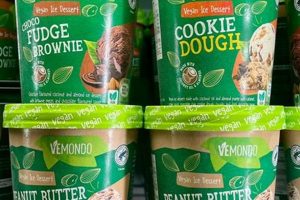
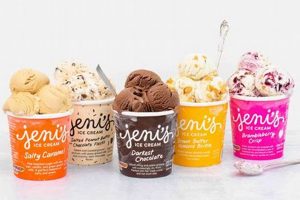
A commercially produced, plant-based frosting offers a convenient alternative to traditional dairy-based icings. These products are formulated without animal-derived ingredients such as butter, milk, or eggs. Examples include tubs of vanilla, chocolate, or other flavored frostings found in grocery stores, specifically marketed to be free from animal products.
The significance of such a product lies in its accessibility for individuals adhering to vegan diets or those with dairy allergies. Its availability broadens options for celebratory baked goods, ensuring inclusion and catering to diverse dietary needs. The development of these alternatives reflects growing consumer demand and evolving food technology, indicating a shift towards more inclusive and sustainable food choices.
The subsequent sections will delve into the specifics of selecting quality plant-based frostings, exploring ingredient considerations, application techniques, and creative uses beyond simple cake decoration. Furthermore, comparisons with homemade recipes will be examined, highlighting both the convenience and potential trade-offs of using commercially available options.
Tips for Using Commercially Available Plant-Based Frosting
Effective utilization of commercially produced, plant-based frosting requires understanding its unique characteristics and potential limitations. The following tips aim to optimize the user experience and ensure aesthetically pleasing and palatable results.
Tip 1: Temperature Control: Allow the frosting to reach room temperature before application. This promotes smoother spreading and reduces the risk of tearing delicate cake layers. A temperature of approximately 20-22 degrees Celsius is recommended.
Tip 2: Whipping for Enhanced Texture: Gently whip the frosting with an electric mixer for a short duration. This incorporates air, resulting in a lighter, more voluminous texture, mitigating the potentially dense consistency often associated with commercially available options.
Tip 3: Stabilizing Soft Frostings: If the purchased frosting exhibits excessive softness, consider adding a small amount of powdered sugar to achieve a firmer consistency. Incorporate the powdered sugar gradually to avoid over-sweetening the final product.
Tip 4: Addressing Artificial Flavors: Certain commercially produced frostings may possess an overly artificial flavor profile. Mitigate this by incorporating natural extracts, such as vanilla bean paste or citrus zest, to enhance the overall taste.
Tip 5: Preventing Crusting: To minimize crusting, especially in dry environments, cover the frosted cake loosely with plastic wrap. Ensure the wrap does not directly contact the frosting surface to avoid adhesion.
Tip 6: Considering Color Variations: Be aware that plant-based frostings may exhibit a slightly different color hue compared to traditional dairy-based options. Experiment with food coloring sparingly to achieve desired shades, acknowledging potential limitations in color vibrancy.
Tip 7: Understanding Shelf Life: Pay close attention to the expiration date and storage instructions provided on the packaging. Refrigerate any unused frosting promptly to maintain optimal freshness and prevent spoilage.
Adhering to these guidelines facilitates effective use, resulting in more appealing and enjoyable desserts. Attention to temperature, texture, flavor enhancement, and proper storage are key to maximizing the potential of this commercially available plant-based product.
The subsequent sections will evaluate popular brands and formulations, providing comparative analyses of taste, texture, and overall performance.
1. Texture and Consistency

Texture and consistency are paramount attributes of any commercially available plant-based frosting, significantly influencing its aesthetic appeal and overall palatability. These characteristics dictate the ease of application and the final presentation of the dessert. Deviations from optimal texture and consistency can negatively impact the consumer experience.
- Spreadability
Spreadability refers to the ease with which the plant-based frosting can be applied to a cake or other baked good. A frosting that is too stiff will tear the cake’s surface, while a frosting that is too thin will run and lack definition. Optimal spreadability allows for smooth, even coverage without excessive effort or structural compromise of the baked item. Achieving desirable spreadability often relies on a delicate balance of fat, sugar, and moisture within the frosting formulation.
- Mouthfeel
Mouthfeel describes the tactile sensation the frosting elicits in the mouth. A grainy or gritty texture, often resulting from inadequately dissolved sugar or poorly emulsified fats, is generally undesirable. Conversely, a smooth, creamy mouthfeel enhances the overall enjoyment of the dessert. The type and quality of ingredients, as well as the manufacturing processes, significantly contribute to the final mouthfeel of the commercially available plant-based frosting.
- Stability
Stability pertains to the frosting’s ability to maintain its shape and structure over time and under varying environmental conditions. A stable frosting resists melting, drooping, or cracking, preserving the intended aesthetic appeal of the decorated baked good. Factors such as temperature, humidity, and the proportion of solid fats in the frosting formulation influence its stability. Formulations designed for warmer climates often prioritize stability over other textural attributes.
- Air Incorporation
The degree of air incorporated into the frosting affects its lightness and volume. A well-aerated plant-based frosting will feel less dense and heavy, contributing to a more pleasant eating experience. Air incorporation can be achieved through mechanical processes such as whipping or through the use of specific emulsifiers that promote air cell formation. However, excessive air incorporation can compromise stability and lead to a less desirable, foamy texture.
The aforementioned aspects of texture and consistency significantly impact the perceived quality and usability of commercially available plant-based frosting. Differences in ingredient selection, manufacturing processes, and storage conditions across various brands contribute to the wide range of textures and consistencies observed in the market. Evaluating these characteristics is critical for selecting a plant-based frosting that meets the specific needs and expectations of the consumer.
2. Ingredient Composition

The ingredient composition of commercially available, plant-based frosting directly determines its suitability for vegan consumers and influences its texture, flavor, and overall performance. The absence of animal-derived products, such as dairy butter, milk solids, eggs, or honey, necessitates the use of alternative ingredients to achieve comparable characteristics. Consequently, manufacturers employ a variety of plant-based fats, sweeteners, emulsifiers, and stabilizers. The specific selection and proportions of these ingredients directly impact the final product’s attributes.
Examples of common plant-based fat replacements include vegetable shortening, coconut oil, palm oil (often sourced sustainably), and cocoa butter. These fats contribute to the frosting’s richness and structure. Sweeteners typically consist of granulated sugar, powdered sugar, corn syrup, or alternative sweeteners like agave or maple syrup. Emulsifiers, such as soy lecithin or sunflower lecithin, are crucial for binding water and fat, preventing separation and ensuring a smooth consistency. Stabilizers, including modified food starch or gums like xanthan gum or guar gum, help to maintain the frosting’s texture over time and improve its shelf life. The selection of these ingredients presents challenges; for instance, coconut oil imparts a distinct flavor, which may be undesirable in certain applications, while palm oil raises sustainability concerns. The careful balancing of these components is essential for creating a palatable and stable plant-based frosting that meets consumer expectations.
In summary, the ingredient composition is a fundamental determinant of a commercially available, plant-based frosting’s characteristics, affecting its texture, flavor, stability, and ethical considerations. Understanding the specific roles and potential impacts of each ingredient enables informed consumer choices and supports the development of higher-quality, more sustainable plant-based alternatives. Ingredient lists should be thoroughly examined to ensure alignment with dietary needs and ethical priorities.
3. Flavor Profiles

Flavor profiles represent a critical aspect of commercially available plant-based frostings, influencing consumer preference and perceived product quality. The development of desirable and authentic flavor profiles presents a unique challenge due to the absence of dairy-derived ingredients, which traditionally contribute significantly to the taste and aroma of conventional frostings.
- Base Flavor Modulation
The base flavor of plant-based frostings is often derived from vegetable shortening, coconut oil, or other plant-based fats. These fats possess inherent flavor characteristics that differ from dairy butter and can impart distinct notes, requiring careful modulation. For instance, coconut oil can introduce a tropical or slightly soapy flavor, which must be balanced with other ingredients to achieve a neutral or complementary taste profile. Manufacturers often employ flavor enhancers and masking agents to mitigate undesirable base flavors and create a more palatable foundation for the overall frosting.
- Sweetness Intensity and Type
The type and intensity of sweetness significantly impact the overall flavor profile. While granulated sugar is commonly used, alternatives such as corn syrup, agave, or stevia may be incorporated. Each sweetener contributes a unique flavor characteristic; for example, corn syrup provides a subtle, less intense sweetness compared to granulated sugar, while agave offers a distinct caramel-like note. Managing the sweetness intensity is crucial to prevent the frosting from being perceived as overly sugary or cloying. The interaction between the sweetener and other flavoring agents must be carefully considered to achieve a harmonious balance.
- Artificial vs. Natural Flavorings
Commercially available plant-based frostings often rely on a combination of artificial and natural flavorings to replicate traditional flavors like vanilla, chocolate, or strawberry. Artificial flavorings can provide consistent and cost-effective flavor profiles, but they may lack the complexity and depth of natural extracts and essences. Natural flavorings, derived from fruits, spices, or other plant sources, offer a more authentic and nuanced taste experience. However, they can be more expensive and may exhibit batch-to-batch variations. The choice between artificial and natural flavorings is often a compromise between cost, consistency, and perceived quality.
- Flavor Stability and Shelf Life
Flavor stability refers to the frosting’s ability to maintain its intended flavor profile over its shelf life. Certain flavoring compounds are volatile and can degrade over time, leading to a loss of flavor intensity or the development of off-flavors. Factors such as exposure to light, heat, and oxygen can accelerate flavor degradation. Manufacturers employ various techniques to enhance flavor stability, including the use of encapsulated flavorings, antioxidants, and airtight packaging. Proper storage conditions are essential to preserve the intended flavor profile throughout the product’s shelf life.
The successful development of compelling flavor profiles in commercially available plant-based frostings necessitates a thorough understanding of ingredient interactions, flavor stability, and consumer preferences. The selection of base fats, sweeteners, and flavoring agents must be carefully balanced to create a product that is both palatable and consistent with the expectations of vegan consumers.
4. Application Qualities

The application qualities of commercially available plant-based frosting are critical determinants of its usability and the resulting aesthetic appeal of finished baked goods. These qualities encompass the frosting’s behavior during and after application, directly impacting the ease of use and the professional appearance of the final product.
- Spreadability and Smoothness
Spreadability refers to the ease with which the frosting can be evenly distributed across a surface. A frosting with optimal spreadability requires minimal effort and prevents tearing or crumbling of the underlying cake layer. Smoothness dictates the uniformity of the frosted surface, influencing the overall visual appeal. Commercially available plant-based frostings often vary in spreadability due to differences in fat content and emulsification processes. A frosting that is too stiff will require excessive force, while one that is too thin may run or sag, resulting in an uneven finish.
- Piping Consistency and Detail Retention
Piping consistency determines the frosting’s ability to hold its shape when extruded through a piping bag and tip. Detail retention refers to the frosting’s capacity to maintain intricate patterns and designs without losing definition over time. Ideal piping consistency allows for the creation of delicate floral arrangements, lettering, and other decorative elements. Plant-based frostings that lack adequate fat or stabilizer content may exhibit poor piping consistency, resulting in blurred lines and a loss of detail. The inclusion of ingredients like vegetable shortening or specific gums can improve these qualities.
- Crusting Behavior and Surface Finish
Crusting behavior describes the frosting’s tendency to form a dry, firm outer layer upon exposure to air. While some consumers prefer a frosting that crusts readily, others desire a softer, more pliable surface. The surface finish, whether matte, glossy, or textured, contributes significantly to the overall aesthetic appeal. Plant-based frostings vary in their crusting behavior based on their sugar content and humectant properties. High sugar content generally promotes crusting, while the presence of humectants like corn syrup can inhibit it. The addition of a small amount of liquid, such as plant-based milk, can alter the surface finish from matte to slightly glossy.
- Adhesion to Surfaces
Adhesion refers to the frosting’s ability to bond securely to the underlying cake or cupcake. Adequate adhesion prevents the frosting from sliding or separating, ensuring a stable and visually cohesive finished product. Factors such as moisture content, fat content, and the presence of binding agents influence adhesion. A plant-based frosting that is too dry may not adhere properly, while one that is too wet may cause the cake to become soggy. Applying a thin “crumb coat” of frosting prior to the main layer can improve adhesion and create a smoother surface for decoration.
In conclusion, the application qualities of commercially available plant-based frosting are crucial for achieving professional-looking results and maximizing consumer satisfaction. Factors such as spreadability, piping consistency, crusting behavior, and adhesion directly impact the ease of use and the aesthetic appeal of finished baked goods. Careful consideration of these qualities, along with appropriate application techniques, enables users to create visually stunning and delicious desserts with plant-based alternatives.
5. Shelf Life

The shelf life of commercially available plant-based frosting is a critical factor influencing its usability and economic viability. Unlike traditional dairy-based frostings, plant-based formulations rely on alternative fats and stabilizers, which can affect their degradation rates and susceptibility to spoilage. Consequently, the duration for which these products remain palatable and safe for consumption is directly linked to their ingredient composition and packaging methods. For example, frostings containing coconut oil may exhibit a shorter shelf life compared to those formulated with vegetable shortening due to the propensity of coconut oil to undergo rancidification. Proper storage, typically refrigeration after opening, is imperative to maintain quality and extend usability.
The shelf life of commercially available plant-based frosting has a direct bearing on food waste reduction. Consumers who purchase frosting nearing its expiration date face an increased likelihood of discarding unused portions, contributing to unnecessary waste. Manufacturers mitigate this by incorporating preservatives, such as potassium sorbate or sodium benzoate, which inhibit microbial growth and prolong the product’s viability. However, these preservatives may be a point of concern for some consumers, who prefer products with minimal artificial additives. The labeling on commercially available plant-based frostings provides essential information regarding expiration dates and recommended storage conditions, enabling consumers to make informed decisions and minimize waste.
Ultimately, the shelf life of commercially available plant-based frosting is a complex interplay of ingredient selection, manufacturing processes, and storage practices. Consumers should prioritize adherence to recommended storage guidelines and carefully examine expiration dates to ensure optimal product quality and safety. The ongoing development of innovative preservation techniques and sustainable packaging solutions aims to further extend the shelf life of these plant-based alternatives, reducing waste and enhancing their overall appeal.
Frequently Asked Questions
The following addresses common inquiries regarding commercially available plant-based frostings, providing clarity on their properties and usage.
Question 1: Does commercially available plant-based frosting taste different from traditional dairy-based frosting?
Flavor variations are often noticeable. The absence of dairy components necessitates the use of alternative fats and flavorings, which may impart distinct nuances. The specific taste profile is dependent on the brand and formulation.
Question 2: Can commercially available plant-based frosting be used for all types of baking?
While versatile, certain formulations may be better suited for specific applications. Lighter frostings are suitable for delicate cakes, while sturdier options are preferable for piping and detailed decorations. Product descriptions provide guidance.
Question 3: Is commercially available plant-based frosting healthier than traditional frosting?
The nutritional profile varies depending on the ingredients. Plant-based options are free of cholesterol and may be lower in saturated fat. However, sugar content remains a significant factor to consider.
Question 4: How should commercially available plant-based frosting be stored?
Refrigeration after opening is typically required. Adherence to the manufacturer’s storage instructions is essential to maintain quality and prevent spoilage. Unopened containers should be stored in a cool, dry place.
Question 5: Are there common allergens in commercially available plant-based frosting?
Common allergens include soy, nuts (especially coconut), and gluten (depending on the presence of modified food starch). Ingredient lists must be carefully examined to identify potential allergens.
Question 6: Can commercially available plant-based frosting be frozen for later use?
Freezing is generally not recommended, as it can alter the texture and consistency of the frosting. Thawing may result in separation or a grainy mouthfeel.
In essence, commercially available plant-based frostings provide a convenient alternative to traditional options, but understanding their unique properties is crucial for optimal results.
The subsequent discussion will compare various brands of plant-based frosting, evaluating their performance and suitability for different applications.
Store Bought Vegan Icing
The preceding analysis has comprehensively examined the properties and characteristics of commercially available, plant-based frostings. This exploration included ingredient composition, texture, flavor profiles, application qualities, and shelf-life considerations. The absence of animal-derived products necessitates the use of alternative ingredients, impacting the resultant attributes and necessitating careful formulation and selection. The information presented provides a foundational understanding for consumers seeking to make informed decisions when selecting such products.
The increasing availability and sophistication of plant-based alternatives reflect a growing demand for inclusive and sustainable food options. Continued innovation in ingredient technology and manufacturing processes holds the potential to further enhance the quality and performance of commercially available plant-based frostings, solidifying their role in modern baking practices. Further investigation into sustainable sourcing and packaging is warranted to fully address the environmental impact of these products.