The phrase highlights the potential for nutritional deficiencies in plant-based diets when meal planning is inadequate. It refers to a selection of vegan foods that fail to provide the necessary macronutrients, vitamins, and minerals for optimal health, potentially leading to hunger, fatigue, and long-term health issues. An example might be a daily intake consisting solely of simple salads or fruit smoothies without sufficient protein, healthy fats, or complex carbohydrates.
Adequate nutrition is crucial for maintaining energy levels, supporting bodily functions, and preventing chronic diseases. A properly planned vegan diet can offer numerous health benefits, including a reduced risk of heart disease and type 2 diabetes. However, overlooking essential nutrients such as vitamin B12, iron, calcium, and omega-3 fatty acids, historically obtained from animal products, necessitates mindful substitution and supplementation. Neglecting these aspects renders the diet nutritionally incomplete.
The subsequent sections address strategies for developing well-balanced plant-based meals, identify key nutrients to prioritize, and offer practical advice on meal planning to ensure a thriving and sustainable vegan lifestyle that avoids the pitfalls of nutritional inadequacy. These recommendations are designed to equip individuals with the knowledge necessary to create satisfying and healthy vegan meal plans.
Combating Nutritional Deficiencies in Plant-Based Diets
The following provides practical guidelines for optimizing plant-based meal plans and averting nutritional shortcomings.
Tip 1: Prioritize Protein Intake: Plant-based protein sources should be incorporated into every meal. Legumes (beans, lentils, chickpeas), tofu, tempeh, edamame, nuts, seeds, and quinoa are excellent options. Aim for a diverse selection to ensure a complete amino acid profile.
Tip 2: Address Vitamin B12 Requirements: Vitamin B12 is not naturally found in plant-based foods. Regular supplementation or consumption of fortified foods (nutritional yeast, plant-based milks) is essential to prevent neurological complications.
Tip 3: Optimize Iron Absorption: Plant-based iron (non-heme iron) is less readily absorbed than heme iron from animal products. Consuming iron-rich foods (spinach, lentils, tofu) alongside vitamin C-rich foods (citrus fruits, bell peppers) enhances absorption.
Tip 4: Ensure Adequate Calcium Intake: Include calcium-rich foods in the daily diet. Fortified plant-based milks, tofu processed with calcium sulfate, dark leafy greens (kale, collard greens), and almonds contribute to calcium needs.
Tip 5: Incorporate Omega-3 Fatty Acids: Plant-based sources of omega-3 fatty acids, such as flaxseeds, chia seeds, hemp seeds, and walnuts, provide ALA (alpha-linolenic acid). Consider an algae-based DHA/EPA supplement for direct sources of these essential fatty acids.
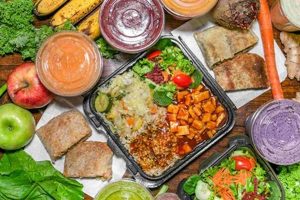
Tip 6: Focus on Whole, Unprocessed Foods: Base the diet on whole, unprocessed plant foods like fruits, vegetables, whole grains, legumes, nuts, and seeds. Limit processed vegan alternatives, which may be high in sodium, sugar, and unhealthy fats.
Tip 7: Monitor Caloric Intake: Ensure sufficient caloric intake to meet energy needs. Plant-based diets are often lower in calories than omnivorous diets, necessitating larger portion sizes or increased frequency of meals.
Adhering to these guidelines supports optimal health and well-being on a plant-based diet, mitigating the risk of nutritional deficiencies and promoting sustainable dietary habits.
The subsequent section examines strategies for personalized meal planning and consultation with a registered dietitian specializing in vegan nutrition.
1. Inadequate Calorie Intake

Inadequate calorie intake is a foundational element of the “starving vegan menu” concept. It denotes a chronic deficiency in the energy derived from consumed food, insufficient to meet the body’s basal metabolic rate and activity-related demands. The direct consequence of such a deficit is the utilization of stored energy reserves fat and, in prolonged cases, muscle tissue leading to weight loss, fatigue, and impaired physiological function. For instance, a vegan individual subsisting primarily on low-calorie, high-fiber foods like salads and raw vegetables, without sufficient sources of healthy fats and complex carbohydrates, may struggle to maintain adequate caloric levels, even if feeling full.
The importance of addressing caloric needs within a vegan diet stems from its potential impact on various aspects of health. Chronic energy restriction can compromise immune function, increase susceptibility to illness, disrupt hormonal balance, and negatively affect cognitive performance. Examples of individuals experiencing these effects include athletes unable to adequately fuel their training regimen, or individuals with physically demanding jobs unable to maintain sufficient energy levels throughout the day. Moreover, calorie restriction can lead to nutrient deficiencies if the limited food intake does not provide enough of the essential vitamins and minerals.
In conclusion, the link between insufficient caloric consumption and the “starving vegan menu” is critical. Recognizing the caloric density of various plant-based foods and strategically incorporating calorie-rich options like nuts, seeds, avocados, and whole grains is paramount to preventing the negative consequences associated with chronic energy deficiency. Understanding this connection facilitates the development of sustainable and health-promoting vegan dietary strategies.
2. Protein Insufficiency

Protein insufficiency directly contributes to the manifestation of a nutritionally inadequate, or “starving vegan menu.” It arises from the chronic under-consumption of dietary protein, essential for numerous physiological processes including tissue repair, enzyme production, and hormone synthesis. A protein-deficient plant-based diet fails to provide the necessary amino acids to support these functions, leading to muscle wasting, impaired immune response, and edema. For example, a vegan individual relying solely on fruits and vegetables with minimal quantities of legumes, nuts, or seeds exposes themselves to significant risk of protein deficiency.
The ramifications of protein insufficiency extend beyond muscle mass. Compromised immune function increases susceptibility to infections. Reduced enzyme production impairs digestion and nutrient absorption. Hormonal imbalances disrupt various bodily processes. Individuals recovering from illness or injury, those engaged in strenuous physical activity, and pregnant or breastfeeding women are particularly vulnerable to the adverse effects of inadequate protein intake. Consider a distance runner on a poorly planned vegan diet experiencing recurring injuries and fatigue; their protein insufficiency may be hindering muscle repair and overall recovery.
In summary, protein insufficiency is a critical component of the “starving vegan menu.” Identifying and incorporating diverse plant-based protein sources such as legumes, tofu, tempeh, nuts, seeds, and whole grains into each meal is essential to prevent deficiency. Understanding the significance of protein and proactively addressing intake supports optimal health and prevents the negative consequences associated with a nutritionally deficient vegan dietary approach.
3. B12 Deficiency
B12 deficiency is intrinsically linked to the concept of a “starving vegan menu” due to the vitamin’s limited availability in plant-based foods. Cobalamin, or vitamin B12, is primarily found in animal products, rendering strict vegan diets vulnerable to deficiency if supplementation or fortification is not proactively addressed. This scarcity directly transforms a plant-based diet into a potentially “starving” one, not in terms of caloric intake, but in its ability to provide all essential micronutrients. The cause-and-effect relationship is clear: a diet lacking animal products, without strategic B12 supplementation, leads to deficiency; this deficiency then manifests in a range of adverse health outcomes.
The significance of B12 within this context lies in its critical role in neurological function, DNA synthesis, and red blood cell formation. Deficiency can result in irreversible nerve damage, megaloblastic anemia, fatigue, and cognitive impairment. Consider a long-term vegan who, neglecting B12 supplementation, develops peripheral neuropathy or memory loss. The impact extends beyond individual health; pregnant vegans with B12 deficiency risk severe developmental problems in their offspring. Furthermore, inaccurate online information and conflicting advice can exacerbate the risk, leading well-intentioned individuals down a path of nutritional inadequacy.
In conclusion, understanding the connection between B12 deficiency and the concept of a “starving vegan menu” is of paramount practical importance. It necessitates that individuals adopting vegan diets prioritize B12 supplementation or regularly consume fortified foods. Addressing this single nutrient deficiency transforms a potentially harmful diet into a sustainable and health-promoting one, highlighting the importance of informed and proactive nutritional planning in the context of plant-based eating patterns.
4. Iron Malabsorption

Iron malabsorption contributes significantly to the potential for a “starving vegan menu.” Plant-based diets, while rich in many nutrients, contain non-heme iron, a form less readily absorbed by the body compared to heme iron found in animal products. This inherent characteristic of plant-based iron sources establishes a direct link between dietary choices and iron bioavailability. A vegan individual relying solely on iron-rich plant foods without optimizing absorption techniques risks developing iron deficiency anemia, despite consuming seemingly adequate amounts of the mineral.
The implications of iron malabsorption extend beyond mere fatigue. Iron is crucial for oxygen transport via hemoglobin, cognitive function, and immune system strength. Deficiency can manifest as chronic fatigue, impaired cognitive performance, increased susceptibility to infections, and, in severe cases, heart problems. Consider a vegan endurance athlete experiencing unexplained drops in performance despite adequate training; insufficient iron absorption could be a primary contributing factor. Strategies to enhance iron absorption include consuming iron-rich foods alongside vitamin C-rich foods (citrus fruits, bell peppers, broccoli), avoiding simultaneous consumption of iron with calcium or tannins (tea, coffee), and considering the use of cast-iron cookware.
In summation, iron malabsorption is a critical consideration within the context of plant-based nutrition and its association with the concept of a “starving vegan menu.” Proactive strategies to enhance iron absorption are essential for preventing deficiency and maintaining optimal health. Awareness of the challenges related to plant-based iron, coupled with informed dietary choices, effectively mitigates the risks and promotes a sustainable and well-nourished vegan lifestyle.
5. Calcium Scarcity

Calcium scarcity is a critical facet of the “starving vegan menu” concept, arising from the potential inadequacy of calcium intake in plant-based diets if not carefully planned. While calcium is abundant in various plant foods, its bioavailability, the degree to which the body can absorb and utilize it, can be lower compared to dairy sources. The direct consequence is a potential deficit in available calcium, which negatively impacts bone health, nerve function, and muscle contraction. A vegan diet relying heavily on processed foods, or lacking sufficient quantities of calcium-rich vegetables, fortified plant milks, and calcium-set tofu, exemplifies this risk.
The significance of adequate calcium intake cannot be overstated. Chronic calcium scarcity leads to weakened bones, increasing the risk of fractures and osteoporosis, particularly among women. Nerve and muscle function also depend on sufficient calcium levels, and deficiency can manifest as muscle cramps or impaired nerve transmission. Consider a long-term vegan individual experiencing frequent bone fractures; the underlying cause could be inadequate calcium intake over time. Furthermore, the interaction between calcium and other nutrients like vitamin D is crucial; without sufficient vitamin D, calcium absorption is significantly reduced. Careful consideration of dietary sources of both nutrients, and potential supplementation, is thus essential.
In summary, the link between calcium scarcity and the “starving vegan menu” highlights the importance of informed dietary choices in plant-based nutrition. Proactive inclusion of calcium-rich plant foods, optimization of absorption, and potential supplementation are vital for preventing deficiency and maintaining overall health. Recognizing this relationship allows for the creation of sustainable and nutritionally complete vegan diets, mitigating the risks associated with inadequate calcium intake and promoting long-term well-being.
6. Omega-3 Neglect

Omega-3 neglect directly contributes to the potential development of a nutritionally deficient, or “starving vegan menu.” Vegan diets, while often abundant in certain micronutrients, inherently lack the direct sources of eicosapentaenoic acid (EPA) and docosahexaenoic acid (DHA) that are typically found in fatty fish. The primary plant-based omega-3 fatty acid is alpha-linolenic acid (ALA), which the body can convert into EPA and DHA, but the conversion rate is often inefficient and varies widely among individuals. The absence of direct EPA and DHA sources, coupled with inconsistent ALA conversion, directly correlates with a potential deficiency that compromises the nutritional completeness of the vegan diet. An example is a vegan individual consuming a diet rich in processed foods and lacking in flaxseeds, chia seeds, walnuts, or algal oil supplements; this nutritional profile almost certainly guarantees inadequate omega-3 fatty acid status.
The ramifications of omega-3 neglect extend beyond generalized nutritional deficiency. EPA and DHA are critical for brain health, cardiovascular function, and inflammation regulation. Insufficient intake is linked to increased risk of cognitive decline, heart disease, and inflammatory conditions. Specific examples include vegan individuals experiencing symptoms of depression or anxiety due to inadequate DHA levels, or those with elevated triglyceride levels due to omega-3 deficiency affecting lipid metabolism. Furthermore, pregnant and breastfeeding vegan women face increased risks, as omega-3 fatty acids are crucial for fetal brain development. Supplementation with algal oil, a direct source of EPA and DHA, becomes particularly important in these cases to mitigate potential negative health outcomes.
In conclusion, omega-3 neglect represents a significant element within the context of a “starving vegan menu.” Understanding the importance of EPA and DHA, recognizing the limitations of ALA conversion, and proactively incorporating algal oil supplements or consistently consuming ALA-rich foods are essential steps toward ensuring a nutritionally complete vegan diet. Addressing this potential deficiency effectively transforms a potentially deficient diet into a well-balanced and health-promoting lifestyle choice, reinforcing the need for informed nutritional planning within the vegan community.
7. Limited Food Variety
The restriction of food choices in a vegan diet, if not thoughtfully managed, can directly contribute to the development of a nutritionally deficient eating pattern, aligning with the concept of a “starving vegan menu.” This occurs when the range of plant-based foods consumed is too narrow to provide all essential nutrients in adequate quantities, creating a situation where the diet, while adhering to vegan principles, fails to meet basic nutritional requirements. The following aspects highlight the impact of limited food variety on nutritional adequacy within a vegan context.
- Micronutrient Deficiencies
A restricted diet can lead to insufficient intake of vitamins and minerals. If a vegan’s diet primarily consists of a few select vegetables and grains, it may lack essential nutrients like zinc, iodine, and vitamin K2, typically found in a wider range of foods. This can result in impaired immune function, thyroid issues, and compromised bone health. A real-world example might be a vegan focused solely on salads and smoothies, missing out on the nutrients found in legumes, nuts, and seeds.
- Incomplete Protein Profile
While protein is achievable on a vegan diet, relying on only one or two plant-based protein sources can result in an incomplete amino acid profile. Different plant foods contain varying amounts of essential amino acids; a lack of diversity hinders the acquisition of all necessary building blocks for protein synthesis. For instance, an individual relying solely on rice as a protein source may be deficient in lysine. Consuming a variety of legumes, grains, nuts, and seeds is essential to ensure a complete protein intake.
- Reduced Gut Microbiome Diversity
A diverse diet fosters a diverse gut microbiome, crucial for digestive health, immune function, and even mental well-being. Limiting food choices reduces the variety of substrates available for gut bacteria, potentially leading to an imbalance known as dysbiosis. A vegan whose diet lacks fiber-rich fruits, vegetables, and fermented foods may experience digestive issues and a weakened immune system. Consuming a wide array of plant-based foods promotes a healthy and resilient gut microbiome.
- Decreased Palatability and Sustainability
A monotonous diet, irrespective of its nutritional content, is often less palatable and sustainable long-term. Reduced palatability can lead to decreased appetite, further exacerbating the risk of nutrient deficiencies. Additionally, individuals may be more likely to abandon restrictive diets altogether, potentially reverting to less healthy eating habits. Maintaining a diverse and flavorful diet is essential for long-term adherence to a vegan lifestyle.
In summary, limited food variety is a significant contributing factor to the potential for a “starving vegan menu.” By intentionally incorporating a broad range of plant-based foods, individuals can mitigate the risk of nutrient deficiencies, promote gut health, and enhance the long-term sustainability of their vegan diet. This proactive approach ensures that a vegan lifestyle is not only ethically sound but also nutritionally complete and conducive to overall health and well-being.
Frequently Asked Questions
The following addresses common inquiries regarding the potential for nutritional inadequacies within the context of poorly planned vegan diets. These responses aim to provide clear and concise information to facilitate informed dietary choices.
Question 1: Is a vegan diet inherently deficient, predisposing individuals to nutritional deficiencies?
A vegan diet is not inherently deficient. However, if meal planning lacks diligence in addressing key nutrients commonly found in animal products, deficiencies can arise. This necessitates proactive consideration of nutrient sourcing and potential supplementation.
Question 2: What are the most common nutritional deficiencies observed in individuals adhering to restrictive plant-based diets?
Frequently observed deficiencies include vitamin B12, iron, calcium, vitamin D, omega-3 fatty acids, and, in some instances, protein. These deficiencies stem from limited intake or impaired absorption of these nutrients from plant-based sources.
Question 3: How can vitamin B12 deficiency be effectively prevented in individuals following a vegan diet?
Vitamin B12 deficiency prevention requires consistent supplementation with a B12 supplement or regular consumption of fortified foods, such as nutritional yeast or plant-based milks. Reliance solely on naturally occurring B12 analogs from certain algae is not a reliable strategy.
Question 4: What strategies can be implemented to enhance iron absorption from plant-based food sources?
Iron absorption can be improved by consuming iron-rich plant foods alongside vitamin C-rich foods. Simultaneously, the consumption of calcium-rich foods and tannins (tea, coffee) should be avoided during iron-rich meals, as they can inhibit absorption.
Question 5: Are vegan children at increased risk of developmental problems due to nutritional deficiencies?
Vegan children can thrive on a plant-based diet if their caregivers are knowledgeable about their specific nutritional needs and proactively address them. Deficiencies in vitamin B12, iron, calcium, and vitamin D can negatively impact development; diligent monitoring and supplementation are crucial.
Question 6: Should individuals consult a healthcare professional before adopting a vegan diet?
Consulting with a registered dietitian or healthcare professional specializing in vegan nutrition is advisable prior to adopting a vegan diet. This consultation facilitates personalized dietary recommendations and addresses individual health concerns.
In conclusion, meticulous planning and proactive attention to nutrient intake are essential for ensuring the nutritional adequacy of a vegan diet and mitigating the risks associated with potential deficiencies. A well-informed approach transforms a potentially restrictive dietary pattern into a sustainable and health-promoting lifestyle.
The subsequent section presents practical strategies for developing well-balanced vegan meal plans that minimize the risk of nutritional inadequacies.
The Nuances of Plant-Based Nutrition
This exploration of the term “starving vegan menu” reveals critical considerations regarding the planning and execution of plant-based diets. The potential for nutritional inadequacy exists when essential nutrients, readily available in animal products, are overlooked or improperly substituted. Factors such as insufficient calorie intake, protein deficits, and deficiencies in vitamin B12, iron, calcium, and omega-3 fatty acids collectively contribute to the risk of malnutrition. Furthermore, limited dietary diversity exacerbates these risks, highlighting the need for mindful and comprehensive meal planning.
A proactive and informed approach is essential. Prioritizing nutrient density, optimizing absorption, and considering supplementation are paramount to achieving a sustainable and health-promoting vegan lifestyle. Ignoring these principles renders plant-based eating patterns potentially detrimental, undermining the purported benefits and perpetuating nutritional vulnerabilities. Rigorous attention to detail remains the cornerstone of responsible vegan dietary practices.